

Research consistently underscores the profound impact of documenting aspirations on their eventual realization. Studies in psychology and productivity highlight that the act of writing down goals enhances clarity, fosters accountability, and reinforces commitment, thereby significantly increasing the likelihood of achievement. A bullet journal, often abbreviated as a "Bujo," emerges as an exceptionally versatile and personalized tool for this purpose, catering to a spectrum of preferences from minimalist aesthetics to vibrant, detailed trackers. This article explores 14 creative and practical bullet journal goal page ideas designed to inspire effective planning, from overarching life visions to granular monthly objectives, ensuring readers can find an ideal format to maintain motivation and meticulously track their progress.
The Power of Written Goals: Scientific Backing and Psychological Impact
The efficacy of writing down goals is not merely anecdotal; it is supported by a growing body of research. A seminal study by Dr. Gail Matthews at Dominican University found that individuals who wrote down their goals, shared them with a friend, and provided weekly progress updates were substantially more likely to achieve them compared to those who simply had goals or wrote them down without accountability. The process of articulation transforms abstract desires into tangible objectives, making them more concrete and actionable. This cognitive shift is crucial; it moves intentions from the realm of passive thought to active pursuit.

Furthermore, the physical act of writing engages motor skills that can reinforce memory and deepen cognitive processing, according to neuroscience principles. When individuals commit their goals to paper, they are essentially creating a visual and tactile anchor for their ambitions. This anchor serves as a constant reminder, a tangible representation of what they are striving for, and a point of reference when challenges arise or motivation wanes. The bullet journal, with its flexible structure, provides the perfect canvas for this crucial practice. Whether an individual leans towards clean, unadorned layouts that prioritize function over form, or embraces a more artistic approach with colorful embellishments and elaborate designs, there exists a bullet journal format that can effectively support goal setting and progress tracking.
Minimalist Goal Setting: Elegance in Simplicity
For those who appreciate a clean, uncluttered aesthetic, minimalist goal pages offer a focused and distraction-free environment for setting and tracking aspirations. These layouts typically employ ample white space, precise lines, and intentional design elements to ensure clarity and ease of use. The philosophy behind this approach is that a simple visual presentation can prevent overwhelm and keep the user’s attention firmly on the goals themselves.

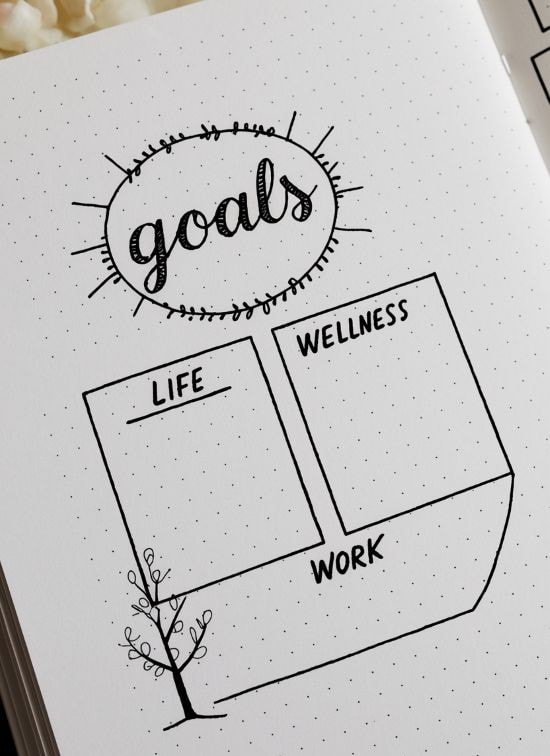
1. Black, White, and Functional: This design prioritizes clarity and efficiency. It often features a clean layout with distinct sections for different goal categories, such as "Life," "Wellness," and "Work." The use of black ink on white paper provides a classic, professional look that is easy on the eyes and conducive to focused planning. Each goal might be listed with a simple checkbox or a small space for progress notes, maintaining a streamlined aesthetic. The emphasis is on the content of the goals and the progress made, rather than decorative elements.
2. Soft Colors with New Spring Buds: This approach blends minimalism with a touch of gentle visual appeal. While maintaining a clean layout, it incorporates soft pastel colors, perhaps reminiscent of new spring growth. This could manifest as subtle color-coding for different goal types or a delicate watercolor wash in the background. The theme of "spring buds" suggests a focus on new beginnings and growth, making it ideal for setting goals related to personal development, learning, or fresh starts. The visual elements are understated, enhancing the overall sense of calm and intention.
3. Pastels on a Blank Slate: Similar to the previous concept, this style emphasizes a light and airy feel. Pastel hues are used sparingly, perhaps for headings, borders, or small decorative accents, allowing the white space to dominate. This creates a serene backdrop for goal setting, encouraging a mindful and reflective approach. The blank slate metaphor implies an open invitation to define aspirations without pre-conceived notions, fostering creativity and personal expression within a minimalist framework.
4. Simple Quadrant Layout: This structured approach divides a page or spread into four distinct quadrants, each dedicated to a different area of life or a specific category of goals. This could be personal, professional, health, and financial, or any other combination that suits the individual. The simplicity of the grid layout makes it easy to categorize and visualize different objectives. Each quadrant can then be further subdivided for specific goals, action steps, or progress tracking, ensuring a clear and organized overview.

Annual Goal Planning: Charting the Year Ahead
An annual goal spread serves as a high-level roadmap, consolidating significant objectives for the entire year. This overview is instrumental in maintaining long-term vision and ensuring that daily or weekly actions align with broader aspirations.
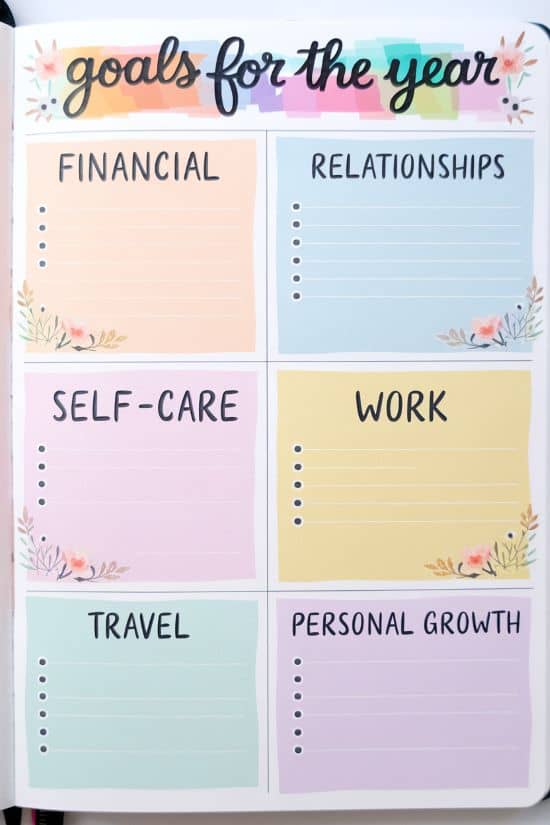
5. Annual Goals by Major Category: This layout encourages a comprehensive approach to yearly planning. The page is typically divided into broad categories such as Career, Financial, Personal Development, Health & Wellness, Relationships, and Hobbies. Within each category, users can list their primary goals for the year. This method provides a holistic view of one’s ambitions across different life domains, promoting balance and well-rounded personal growth. Supporting pages can be incorporated for detailed action plans or tracking progress for each category.

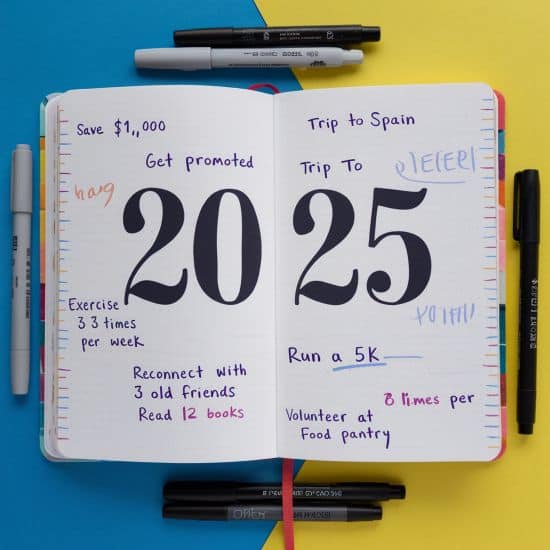
6. The Year in Bold: This design focuses on making the annual goals prominent and impactful. Bold typography and clear headings emphasize the importance of each objective. The layout might be a simple list or a more visually engaging format, such as a timeline or a circular diagram representing the year. The emphasis is on making the goals unmissable, acting as a constant visual cue to stay on track throughout the year. This approach is particularly effective for individuals who respond well to strong visual reinforcement.
7. Colorful Quadrants: Building on the quadrant layout, this version injects vibrancy and energy. Each quadrant is assigned a distinct color, making it easy to differentiate between goal categories at a glance. This not only enhances visual appeal but can also be a psychological tool to associate specific emotions or themes with different areas of life. For example, a calming blue for wellness goals or an energetic red for career ambitions. This approach combines structure with expressive design, making the annual planning process more engaging and enjoyable.

Monthly Goal Setting: Breaking Down the Big Picture
Monthly goal spreads are essential for translating ambitious yearly objectives into manageable, actionable steps. By focusing on a shorter timeframe, individuals can maintain momentum and adapt their strategies as needed.
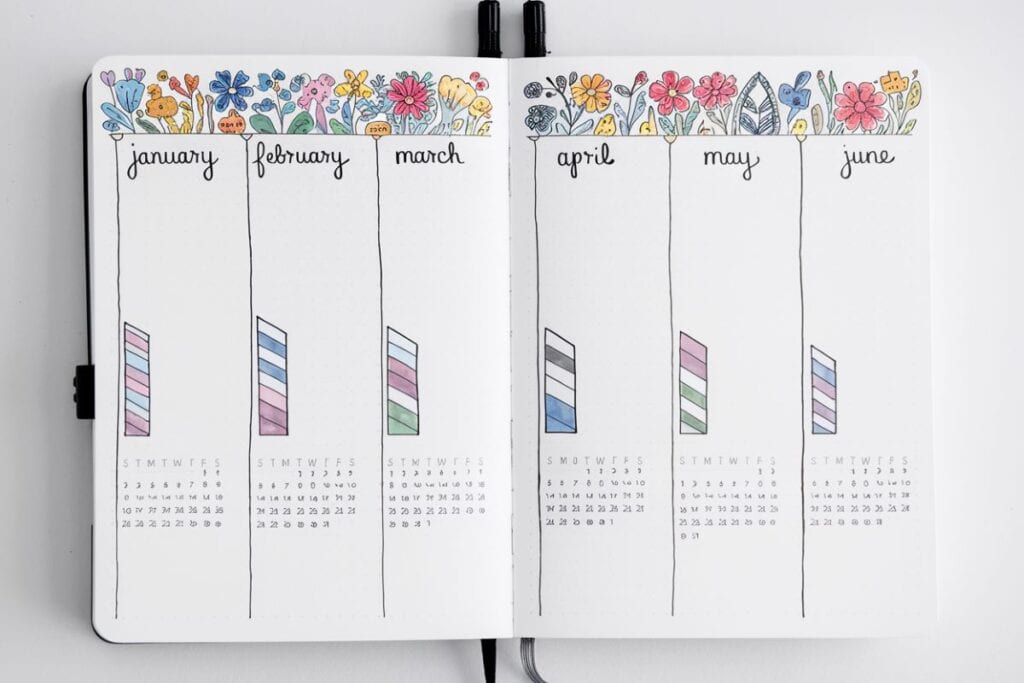
8. Goals by Month: This is a straightforward yet highly effective layout. A page or spread is dedicated to each month, allowing users to list specific goals they aim to achieve within that 30- or 31-day period. This could be a simple list format, a calendar-style layout where goals are associated with specific dates, or a tracker where progress is marked daily or weekly. This method ensures that yearly goals are systematically broken down into achievable monthly targets, fostering a sense of continuous progress.
Thinking Big: The Power of Broad Aspirations
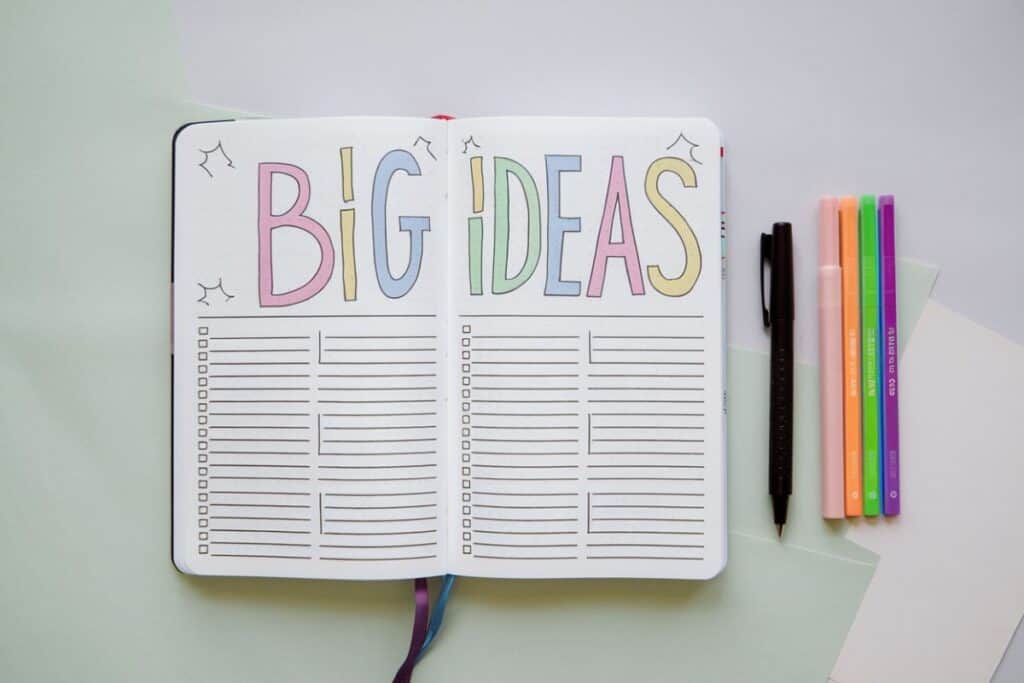
Sometimes, the most impactful goals begin as vast, undefined dreams. A "big ideas" spread provides the necessary space for uninhibited brainstorming, allowing nascent aspirations to take shape without the constraints of immediate actionability.
9. Big Ideas: This spread is designed for exploration and ideation. It’s less about defining specific, measurable goals and more about capturing aspirations, dreams, and potential future directions. The layout is typically open-ended, encouraging mind-mapping, free writing, or visual collage. This space allows individuals to explore possibilities, connect seemingly unrelated concepts, and identify overarching themes that could later be refined into concrete goals. It serves as a fertile ground for innovation and personal discovery, laying the foundation for future planning.
Vibrant Goal Setting: Embracing Color and Creativity
For individuals who find color and artistic expression motivating, a vibrant bullet journal goal spread can transform the planning process into an enjoyable and inspiring activity. These layouts use color as a tool for organization, emphasis, and boosting morale.
10. Blocks of Goals: This design utilizes colorful blocks or rectangles to represent different goal categories or individual goals. Each block can be filled with a distinct color, creating a visually dynamic and organized page. Within each block, users can write their specific goals, action steps, or progress notes. This method provides a clear visual hierarchy, making it easy to scan and understand the scope of one’s ambitions. The use of color adds energy and visual interest, making the goals more engaging.

11. Crush Your Goals: This layout adopts a more energetic and motivational tone. The title itself, "Crush Your Goals," sets an assertive mood. The design might incorporate bold lettering, vibrant color schemes, and dynamic visual elements that convey a sense of power and determination. This spread is ideal for individuals who thrive on a high-energy approach to goal achievement. It encourages a proactive mindset, framing goals not just as tasks to be completed, but as challenges to be conquered.
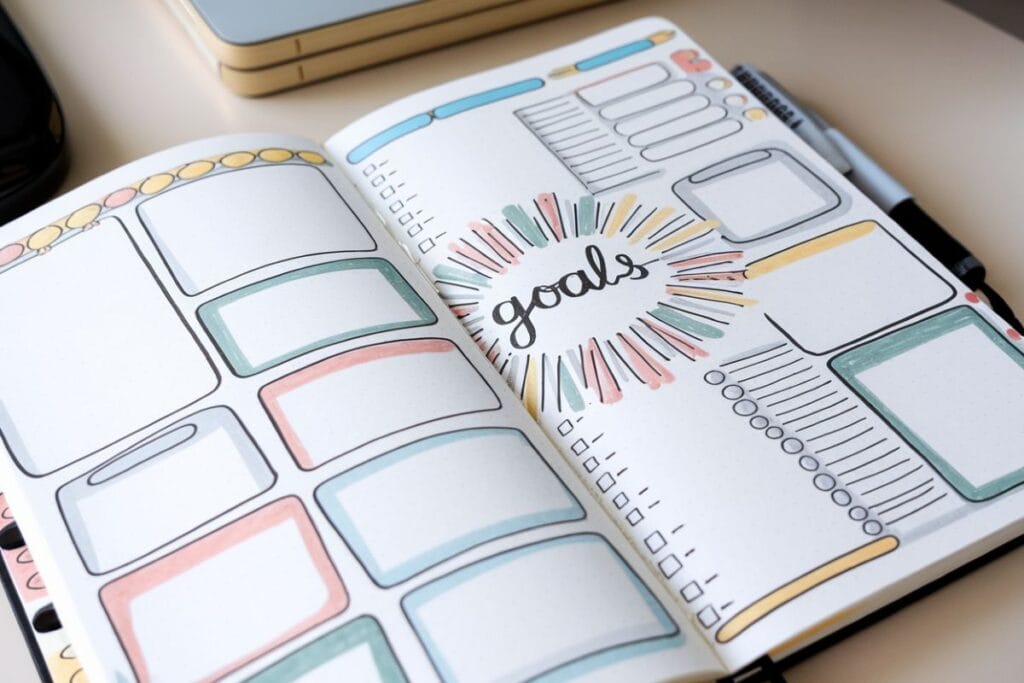
12. My Goals: This spread is a more personalized and expressive take on goal setting. While still organized, it allows for more individual flair. It might feature hand-drawn titles, decorative borders, or even small illustrations related to the goals. The use of multiple colors adds vibrancy and personality, making the page a reflection of the individual’s unique aspirations and style. This approach transforms the goal-setting process into an act of creative self-expression.
Streamlining Goals: Conquering Overwhelm
For some, the sheer volume of potential goals can be daunting. Strategies that simplify and prioritize are invaluable for maintaining focus and preventing burnout.
13. Top 3 Goals: This focused approach acknowledges that trying to achieve too many things simultaneously can lead to paralysis. The "Top 3 Goals" spread allows individuals to identify and concentrate on their most critical priorities for a given period (e.g., a week, month, or quarter). By narrowing the focus to just three key objectives, users can allocate their energy more effectively, ensuring tangible progress and a greater sense of accomplishment. This method is excellent for combating the feeling of being overwhelmed and for building momentum.
14. Must Do – Should Do Goal Spread: This organizational technique helps to differentiate between essential tasks and desirable but less urgent ones. The page is divided into two clear sections: "Must Do" for immediate priorities and "Should Do" for goals that are important but can be addressed after the critical tasks are completed. This system is particularly useful for managing projects or periods with competing demands, ensuring that crucial objectives are met while still acknowledging secondary aspirations. It promotes strategic prioritization and efficient time management, preventing lower-priority items from overshadowing the most important goals.
Conclusion: The Bullet Journal as a Catalyst for Achievement
Setting a goal is a fundamental step, but actively engaging with it is what truly drives success. A thoughtfully designed bullet journal goal spread transcends mere aesthetics; it functions as a potent tool to keep ambitions visible, monitor progress diligently, and sustain motivation. Regardless of whether one prefers the structured precision of minimalist layouts or the expansive freedom of idea-generation pages, the ultimate goal is to establish a personalized system that resonates and supports their unique journey.
The principle of consistent, incremental action yielding significant results remains paramount. Dedicating time to reflection, adaptation, and celebrating milestones is crucial. By selecting a bullet journal layout that sparks enthusiasm, individuals can embark on a clear path toward transforming their aspirations into tangible realities. The bullet journal, in essence, becomes a personalized cockpit for navigating the journey of goal achievement, providing the structure, accountability, and inspiration needed to reach desired destinations.
Inspirational and Practical Bujo Goals Page Layouts
This collection of 14 distinct bullet journal goal page ideas offers a comprehensive toolkit for individuals seeking to harness the power of their journals for personal and professional growth. From the simplicity of minimalist designs to the vibrancy of colorful layouts, and from the broad scope of annual planning to the focused approach of monthly or top-three goals, each method serves as a testament to the bullet journal’s adaptability. By leveraging these creative and practical formats, users can cultivate clarity, maintain focus, and ultimately, achieve their most ambitious objectives. The journey of goal setting is deeply personal, and the bullet journal provides a flexible, empowering companion for every step of the way.

