
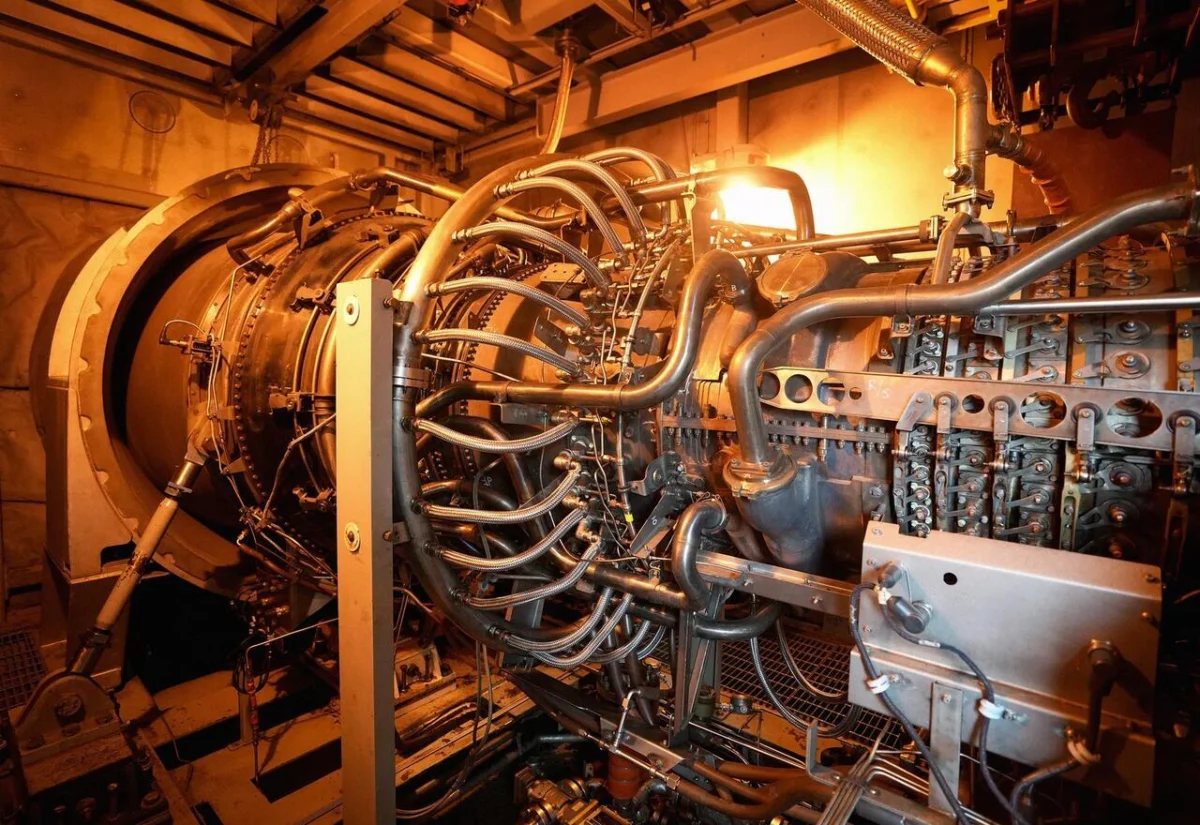
The burgeoning demand from artificial intelligence (AI) and cloud computing is set to dramatically reshape the energy landscape of the United States, with a new analysis projecting that U.S. data centers will consume more natural gas than most nations globally within the next decade. This unprecedented surge in energy requirements underscores a critical nexus between technological advancement and traditional fossil fuel industries, raising significant questions about energy security, market dynamics, and environmental policy.
The Escalating Energy Demands of the Digital Age
For several weeks, industry observers have highlighted the primary drivers behind data center developers’ preference for on-site natural gas power: availability and price. While advanced energy solutions like modular nuclear power for commercial "behind-the-meter" use remain a distant prospect, natural gas offers a readily accessible and economically viable option. Recent analysis from BloombergNEF further reinforces this trend, indicating that the marginal cost of operating an on-site gas plant can often fall below industrial electricity tariffs, making continuous generation from these assets the more cost-effective choice in numerous scenarios.
The marginal generation costs for on-site power depend significantly on fuel prices and variable operating expenses. BloombergNEF’s modeling, based on a mid-scenario gas price of $3.97 per million British thermal units (MMBtu), reveals a spectrum of operational costs. Gas engines, supplied by manufacturers such as Wartsila and INNIO, register the highest marginal cost at $43.2 per megawatt-hour (MWh). In contrast, fuel cells, notably those procured from Bloom Energy, emerge as the most economical to operate, at $21.5/MWh. This cost efficiency is primarily attributed to their superior thermal efficiencies and lower variable operational expenses.
This economic calculus has not been lost on U.S. data center operators. The result has been a significant expansion in the use of natural gas to power the domestic data center industry, which in turn is indispensable for sustaining the rapidly expanding AI sector. The reliance on natural gas is particularly pronounced given its ability to provide consistent, reliable power—a non-negotiable requirement for data centers that operate 24/7 and demand uninterrupted uptime.
A Decade of Unprecedented Natural Gas Consumption
A pivotal new outlook from BloombergNEF forecasts a staggering increase in natural gas consumption by U.S. data centers. The report projects that gas consumption for electricity generation within data centers will surge by an astounding 15 billion cubic feet per day (Bcf/d) over the ten years leading up to 2035. This projection incorporates a conservative approach, even accounting for the possibility that many currently planned projects may not ultimately be constructed.
To put this figure into perspective, 15 Bcf/d represents a volume of natural gas greater than the current total consumption of all nations except China, Russia, Iran, and the United States itself, according to data from the U.S. Energy Information Administration (EIA). This revised forecast more than doubles BloombergNEF’s previous projection from December, which anticipated an increase of 6.9 Bcf/d, highlighting the accelerating pace of energy demand in the digital infrastructure sector.
The rapid growth in data center energy consumption is deeply intertwined with the future of artificial intelligence. As AI models become more complex and widespread, their computational demands — and consequently, their energy footprint — are escalating dramatically. This creates a powerful, albeit unexpected, alliance between Big Tech’s ambitions and the established oil and gas industry. The abundance and relatively low cost of natural gas production in the U.S., combined with the operational flexibility of gas power plants (their ability to quickly ramp up and down), are key factors driving this trend. BloombergNEF’s forecast indicates that natural gas is expected to supply 69% of the power required by new grid-connected data centers.

Broader Implications for the U.S. Energy Landscape
The wave of new data center projects, driven by the AI boom, positions the power sector as the second-largest contributor to U.S. gas demand growth in the decade through 2035. This demand growth is surpassed only by the projected increase from new liquefied natural gas (LNG) export terminals scheduled to come online along the U.S. Gulf Coast. Specifically, power-sector gas consumption is expected to reach 54 Bcf/d by 2035, an increase of 18 Bcf/d from 2025 levels, while gas demand from LNG exports is anticipated to rise by 21 Bcf/d.
The long-term trajectory of the AI boom, however, introduces a degree of uncertainty into these forecasts. Henry Eaton, a gas market analyst at BloombergNEF and the lead author of the report, acknowledges that the "error bars" surrounding data center gas consumption estimates are "fairly large — both to the upside and the downside." He notes, "Our power demand estimates are definitely not low, but they’re not the highest on the Street." This admission underscores the dynamic and evolving nature of the energy market in response to rapid technological shifts.
Supply Challenges and Rising Price Concerns
The simultaneous and soaring gas needs of AI-powered data centers and burgeoning LNG export plants present a complex challenge for domestic gas producers. Current projections suggest that U.S. gas output will increase by 35 Bcf/d between 2025 and 2035. However, to meet the forecasted demand, producers will need to deliver an additional 11 Bcf/d beyond these projections. A failure to meet this elevated supply requirement could lead to significant upward pressure on natural gas prices, impacting consumers and industries alike.
BloombergNEF’s report adds considerable weight to the growing "bullish chorus" surrounding U.S. natural gas. This sentiment is fueled not only by the robust demand from data centers and LNG export facilities but also by concerns regarding the potential depletion of some of the highest-quality acreage in major U.S. gas fields as operators intensify drilling activities.
Corroborating this outlook, Wood Mackenzie, another prominent energy consulting firm, declared in July that "the decade of cheap Henry Hub gas is coming to an end." Henry Hub, a pipeline trading hub in Louisiana, serves as the U.S. benchmark for natural gas prices. Wood Mackenzie’s analysis projected power-sector gas demand to rise by 17 Bcf/d "by the mid-2030s," a figure nearly identical to BloombergNEF’s forecast of an 18 Bcf/d increase. This convergence of expert opinions signals a fundamental shift in the supply-demand balance for natural gas.
The Debate Over Future Gas Prices and Consumer Impact
The intensifying debate over the future of natural gas supply and prices gained widespread attention following a viral interview with Matthew Smith, founder of Chronometer Holdings LLC. Smith predicted that by the end of the decade, "you’re going to start to see a knife fight to secure natural gas." He further warned that "the biggest losers of this will be US consumers," a dire outlook that garnered over 1.6 million views on social media platform X and sparked considerable industry contention.
Not everyone shares Smith’s pessimistic view. Ben Dell, managing partner and co-founder of investment firm Kimmeridge Energy Management Co., expressed strong disagreement with Smith’s forecast. While acknowledging the "considerable demand growth" from LNG and data centers, Dell argued that ample undeveloped acreage within U.S. gas fields provides a crucial buffer. He highlighted the gas industry’s historical ability to "consistently meet the demand while lowering costs on an inflation-adjusted basis." This counter-argument suggests that technological advancements in extraction and the vastness of U.S. shale reserves could potentially mitigate the projected supply crunch.

Technological Context and Power Reliability
The preference for on-site natural gas generation by data centers is not merely an economic decision but also a technological imperative. Data centers require highly reliable and stable power sources to prevent outages, which can lead to significant financial losses and data corruption. While renewable energy sources like solar and wind are growing, their intermittency necessitates robust backup solutions or significant grid upgrades, which can be costly and complex. Natural gas plants offer the dispatchability needed to fill these gaps, providing power on demand and acting as a crucial complement to an increasingly diversified energy mix.
Furthermore, the integration of on-site gas plants allows data centers to operate with greater independence from the main grid, enhancing their resilience against grid failures or fluctuations. This "behind-the-meter" generation reduces transmission losses and can offer more precise control over power quality, which is vital for sensitive electronic equipment.
Environmental Considerations and Policy Challenges
The escalating reliance on natural gas for data center operations presents a complex challenge for environmental goals. While natural gas burns cleaner than coal, it is still a fossil fuel that emits carbon dioxide, a potent greenhouse gas. The projected increase of 15 Bcf/d for data centers alone, combined with LNG exports, will significantly contribute to overall U.S. greenhouse gas emissions, potentially hindering efforts to meet climate targets.
Moreover, the process of natural gas extraction and transportation is associated with methane leakage, another powerful greenhouse gas. Critics argue that a widespread shift to natural gas, even as a "bridge fuel," could lock in carbon-intensive infrastructure for decades, diverting investment from truly renewable energy solutions.
From a policy standpoint, this trend creates a dilemma for policymakers striving to balance economic growth, technological innovation, and environmental stewardship. A Democratic administration, for instance, might face pressure from environmental constituencies to impose stricter regulations on fossil fuel consumption, potentially making "life for data center developers a socialist hell," as one interpretation suggests. Conversely, an emphasis on energy security and economic competitiveness could lead to policies favoring continued natural gas production and infrastructure development. Incentives for cleaner energy alternatives, such as advanced battery storage or small modular reactors (SMRs) — once commercially viable — could become critical to mitigate the environmental impact of this digital energy boom.
Looking Ahead: The Future Energy Mix
The narrative of U.S. data centers and their escalating natural gas consumption highlights a fundamental tension at the heart of the modern economy: the desire for rapid technological advancement versus the imperative for sustainable energy practices. While the "AI bubble" continues to expand, its foundation is increasingly being laid upon the bedrock of traditional energy sources.
The long-term solution will likely involve a multifaceted approach. This could include significant investments in grid modernization to better integrate intermittent renewables, advancements in energy storage technologies, and the eventual deployment of next-generation nuclear power solutions. For the foreseeable future, however, natural gas appears poised to play a dominant and growing role in powering the digital infrastructure that underpins our interconnected world, with profound implications for energy markets, environmental policy, and the cost of electricity for consumers. The coming decade will be crucial in determining how the U.S. balances its technological ambitions with its energy realities.

