
Caracas, Venezuela – In a pivotal move signaling a determined effort to emerge from years of economic devastation, Venezuela has officially unveiled a comprehensive plan aimed at restructuring its colossal $237.5 billion debt, restoring macroeconomic stability, and significantly revitalizing its critical oil sector. The announcement, detailed in a macroeconomic framework published recently, outlines a multi-faceted strategy designed to navigate the nation away from protracted default and hyperinflation toward sustainable growth. This ambitious blueprint seeks to address the country’s profound challenges, including its unsustainable debt burden, a severely diminished oil industry, and the recent humanitarian crisis exacerbated by deadly earthquakes.
The Looming Shadow of Debt: A Detailed Overview
Venezuela’s economic crisis has been epitomized by its staggering public debt, which the government itself acknowledges stands at approximately 242 percent of its Gross Domestic Product (GDP), labeling it "unsustainable." The nation has been in a state of protracted default since 2017, a consequence of years of economic mismanagement, declining oil revenues, and international sanctions. The total debt figure of $237.5 billion encompasses a complex web of liabilities owed by both the state and its national oil company, Petróleos de Venezuela S.A. (PDVSA).
The largest single component of this debt is an estimated $110 billion in Eurobonds, a significant portion of which, around $46 billion, represents unpaid interest that has accumulated over the years. Beyond these traditional market instruments, Venezuela’s debt portfolio includes a myriad of other obligations: arbitration claims from foreign companies whose assets were nationalized, bilateral and multilateral loans from various countries and international institutions, bank debt, and an array of non-financial liabilities belonging to PDVSA, including obligations to suppliers, pension funds, and other public sector entities. The government has expressed its intent to pursue a "single, comprehensive restructuring" for all these varied debts, though specific details regarding the amount of relief it aims to secure from creditors remain undisclosed. This unified approach suggests a desire to streamline negotiations and present a cohesive front to its diverse creditor base, a task that will undoubtedly be fraught with complexity given the varying nature and legal standings of these obligations.
Decades of Decline: A Historical Perspective on Venezuela’s Economic Crisis
Venezuela, a nation blessed with the world’s largest proven crude oil reserves, has paradoxically endured one of the most severe economic collapses in modern history. The roots of its current predicament can be traced back decades, but the most acute phase began in the early 2010s, accelerating dramatically under the presidency of Nicolás Maduro. Following the death of Hugo Chávez in 2013, Maduro inherited an economy already showing signs of strain, heavily reliant on oil exports and vulnerable to commodity price fluctuations.
Chávez’s era, characterized by extensive nationalizations and vast social spending funded by oil revenues, laid the groundwork for future challenges. While initially benefiting from high oil prices, these policies often undermined private sector productivity, discouraged foreign investment, and led to a weakening of institutional checks and balances. The nationalization of foreign-owned oil assets in the early 2000s, including those belonging to companies like ExxonMobil, marked a significant shift towards state control but also alienated key international players and deprived the sector of much-needed capital and expertise.
Under Maduro, the situation deteriorated rapidly. A precipitous drop in global oil prices from 2014 onwards exposed the country’s over-reliance on crude exports and its lack of economic diversification. Compounded by rampant corruption, inefficient state management of key industries, and a series of ill-conceived economic policies, Venezuela plunged into a spiral of hyperinflation, severe shortages of basic goods, and a dramatic contraction of its GDP. The annual inflation rate soared to unprecedented levels, reaching an estimated 475 percent by the end of last year, effectively eroding the purchasing power of its citizens and fueling a massive humanitarian crisis. Millions of Venezuelans have fled the country in recent years, constituting one of the largest displacement crises globally.
Adding to the domestic woes, international sanctions, primarily imposed by the United States, further crippled the Venezuelan economy. These sanctions, targeting the state oil company PDVSA and key government officials, were designed to exert pressure on the Maduro regime, particularly following disputed elections and allegations of human rights abuses. While intended to foster democratic change, they severely constrained Venezuela’s ability to sell its oil on international markets, access financial services, and import essential goods and spare parts for its decaying infrastructure, particularly within the oil sector. This confluence of internal mismanagement and external pressure led to a catastrophic decline in oil production, from a peak of around 3.5 million barrels per day (b/d) in the 1990s to a mere fraction of that in recent years. While the original source indicates "about 1 million barrels a day in 2025," current estimates for 2024 production hover closer to 800,000 b/d, suggesting the 1 million b/d figure might be an optimistic projection for the near term, or a misstated current figure.
Blueprint for Revival: The Three-Phase Economic Strategy
To tackle these monumental challenges, the Venezuelan government has outlined a structured economic recovery plan divided into three distinct phases:
- Normalization (12 months): The immediate focus is on laying the groundwork for stability. Key priorities include unifying the country’s complex and often disparate exchange rates, which have long fueled black market activity and economic distortions. This phase also mandates the transparent publication of central bank accounts, a critical step towards restoring financial credibility and attracting international confidence. Additionally, the government plans to introduce robust fiscal rules and overhaul its antiquated tax collection system to improve revenue generation and fiscal discipline. A social initiative to attract Venezuelans living abroad back home, leveraging their skills and capital, is also an early goal.
- Recovery (2 years): Following normalization, this phase aims to consolidate gains and foster sustained economic growth. While specific details were less granular in the initial framework, it is understood to involve further structural reforms, investment promotion, and continued efforts to stabilize macroeconomic indicators.
- Diversification (Longer-term): The final phase focuses on fundamentally transforming Venezuela’s economic structure, reducing its historical over-reliance on oil. A significant long-term goal is the establishment of a sovereign wealth fund to prudently manage future oil income, preventing past cycles of boom and bust. This phase envisions fostering new industries and sectors to create a more resilient and diversified economy.
The government’s ambitious targets include eliminating the public-sector primary deficit by 2031 and doubling the dollar value of the economy to approximately $200 billion by the same year. The plan projects an average annual GDP growth rate of 6.3 percent over the next decade, with an expectation of 5 percent growth in the current year. Crucially, while acknowledging that inflation, which stood at 475 percent at the end of last year, is expected to accelerate further this year, the framework forecasts a significant convergence to about 24 percent over the medium term. Achieving this steep reduction in inflation is paramount to restoring economic stability and improving living standards for Venezuelans.
Reigniting the Oil Engine: Production Targets and International Partnerships
At the heart of Venezuela’s economic revival strategy is the ambitious goal of reinvigorating its oil industry. The plan projects a significant increase in crude output, aiming to reach 2.9 million barrels per day by 2036, a substantial leap from current production levels. This target represents a near threefold increase from the approximately 1 million b/d mentioned in the original context, reflecting the immense challenge and potential reward of restoring the sector.
A cornerstone of this optimistic forecast is a recently announced oil agreement between the United States and Venezuela. This landmark deal covers 17 oilfields, collectively holding an estimated 65 billion barrels of crude reserves. Under the terms of the agreement, North American Blue Energy Partners is slated to fund the development of these fields, with the U.S. government taking a 35 percent stake in its parent company. The framework projects that this agreement alone could generate more than $200 billion in revenue for the Venezuelan state over a 25-year period, providing a much-needed financial lifeline. This partnership underscores a complex shift in U.S.-Venezuela relations, balancing geopolitical interests with energy security concerns.

Further bolstering confidence in the oil sector’s recovery, ExxonMobil, a global energy giant, recently signed a memorandum of understanding (MOU) with PDVSA to assess upstream opportunities in Venezuela. This potential return marks a significant development for a company whose assets were expropriated by the Venezuelan government almost two decades ago. While the MOU is non-binding and does not commit ExxonMobil to any specific project, it signals a renewed interest from major international players. ExxonMobil has stated that any future investment would be contingent upon "stable policies, clear regulations, strong investment protections, and competitive returns." These conditions highlight the critical need for Venezuela to establish a predictable and transparent investment climate to attract the necessary capital and expertise for its oil sector’s rehabilitation.
In a bid to create a more attractive environment for foreign investment, Venezuela has also amended its hydrocarbons law. These changes include lowering the maximum combined royalty and tax rate on oil production and introducing alternative dispute-resolution mechanisms for investors. These reforms are crucial steps towards addressing the concerns of international companies wary of past nationalizations and legal uncertainties.
Compounding Crises: The Aftermath of Devastating Earthquakes
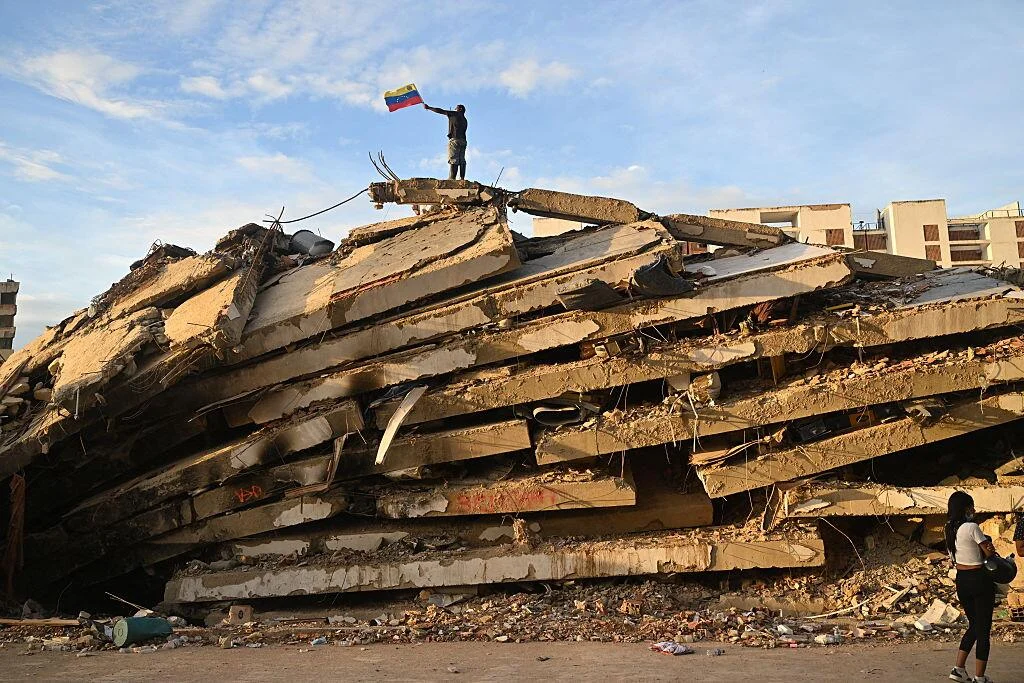
Adding another layer of complexity to Venezuela’s already dire situation, the country was struck by a series of devastating earthquakes on June 24. Two major quakes, measuring 7.2 and 7.5 in magnitude, caused widespread destruction, claiming the lives of more than 6,000 people and leaving approximately 18,000 homeless. The human toll of this natural disaster is immense, and its economic impact further complicates the nation’s recovery efforts.
The World Bank has estimated the direct physical damage from the earthquakes at about $19.6 billion. Caracas, in its economic framework, indicated that approximately $10 billion of the reconstruction costs would fall on the public sector, spread over roughly five years. This unexpected financial burden will divert resources from other critical areas of economic development and social programs. Fortunately, the document noted that the country’s vital oil and gas infrastructure was not materially damaged, sparing the primary engine of the proposed recovery plan from direct destruction.
In response to the humanitarian crisis, the international community has provided assistance. Washington has pledged more than $386 million in humanitarian aid, demonstrating a commitment to supporting the Venezuelan people despite ongoing political tensions. Furthermore, the International Monetary Fund (IMF) facilitated access to about $346 million of Venezuela’s reserve tranche, providing some liquidity to assist with immediate relief and recovery efforts. These international contributions, while significant, only cover a fraction of the total reconstruction costs and highlight the scale of the challenge.
Challenges, Risks, and Investor Confidence
Despite the ambitious nature of the proposed plan, the Venezuelan government’s own risk assessment acknowledges significant hurdles. Key threats identified include a slow pace of oil recovery, which could derail revenue projections, and volatility in global oil prices, which remain a perennial concern for an oil-dependent economy. Delayed debt talks with creditors pose another substantial risk, as prolonged negotiations could impede access to international capital markets and maintain the country’s pariah status among investors. Weak administrative capacity and the persistence of international sanctions are also cited as significant internal and external challenges. Despite these formidable obstacles, the government describes the overall risks to its plan as "moderate," an assessment that many external observers might find optimistic.

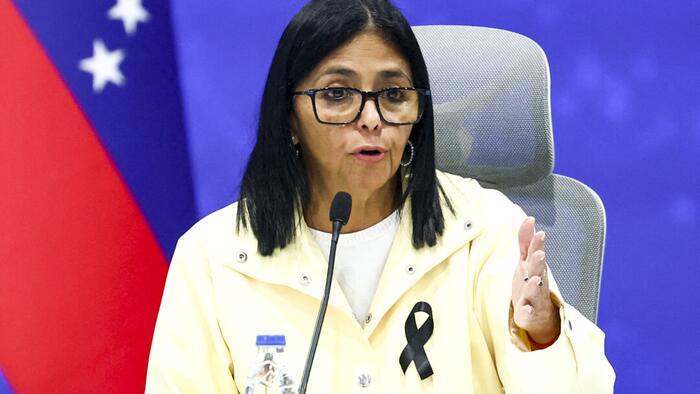
Creditor reactions to the restructuring proposal are expected to be cautious, marked by a demand for greater transparency, credible economic reforms, and concrete assurances of enforceability. Years of default have eroded trust, and creditors will likely seek robust legal frameworks and independent oversight to protect their interests. The conditions laid out by ExxonMobil—stable policies, clear regulations, strong investment protections, and competitive returns—mirror the broader sentiment of potential foreign investors. Attracting significant foreign direct investment (FDI) will require more than just legal amendments; it necessitates a fundamental shift in governance, a reduction in political uncertainty, and a demonstrable commitment to the rule of law. The political landscape, where Nicolás Maduro remains the de facto leader with Delcy Rodríguez serving as Vice President and Minister of Economy, continues to be a point of contention for many international actors and could influence the pace and success of these reforms.
Navigating the complex web of international sanctions will also be critical. While recent agreements with the U.S. suggest a pragmatic shift, the broader sanctions regime remains a deterrent to full economic reintegration. Sustained dialogue and progress on democratic reforms could be key to easing further restrictions, but this path is fraught with political sensitivities.
Geopolitical and Regional Implications
The success or failure of Venezuela’s economic revival plan carries significant geopolitical and regional implications. A stable and prosperous Venezuela could contribute positively to regional stability, potentially stemming the tide of outward migration and fostering greater cooperation in Latin America. Conversely, continued economic collapse could exacerbate regional challenges, including migratory pressures, humanitarian crises, and transnational crime.
For global energy markets, a significant increase in Venezuelan oil production, as projected, could impact supply dynamics, potentially offering a more diversified source of heavy crude. However, the timeline for achieving these targets is long, and the actual impact would depend on various factors, including global demand, OPEC+ policies, and the sustained political will within Venezuela. The delicate dance between Washington and Caracas, evident in the recent oil deal, also highlights the evolving dynamics of international relations, where energy security and geopolitical influence often intersect.
In conclusion, Venezuela stands at a critical juncture. The newly unveiled economic plan represents a bold attempt to confront a legacy of profound economic mismanagement, hyperinflation, and external pressures. While the targets are ambitious and the challenges immense, the engagement of international partners and the commitment to structural reforms offer a glimmer of hope. The path to recovery will be arduous, requiring sustained political will, transparent governance, and the ability to rebuild trust with both its own citizens and the global financial community. The world will be watching closely as Venezuela embarks on this monumental journey toward economic revitalization.

