
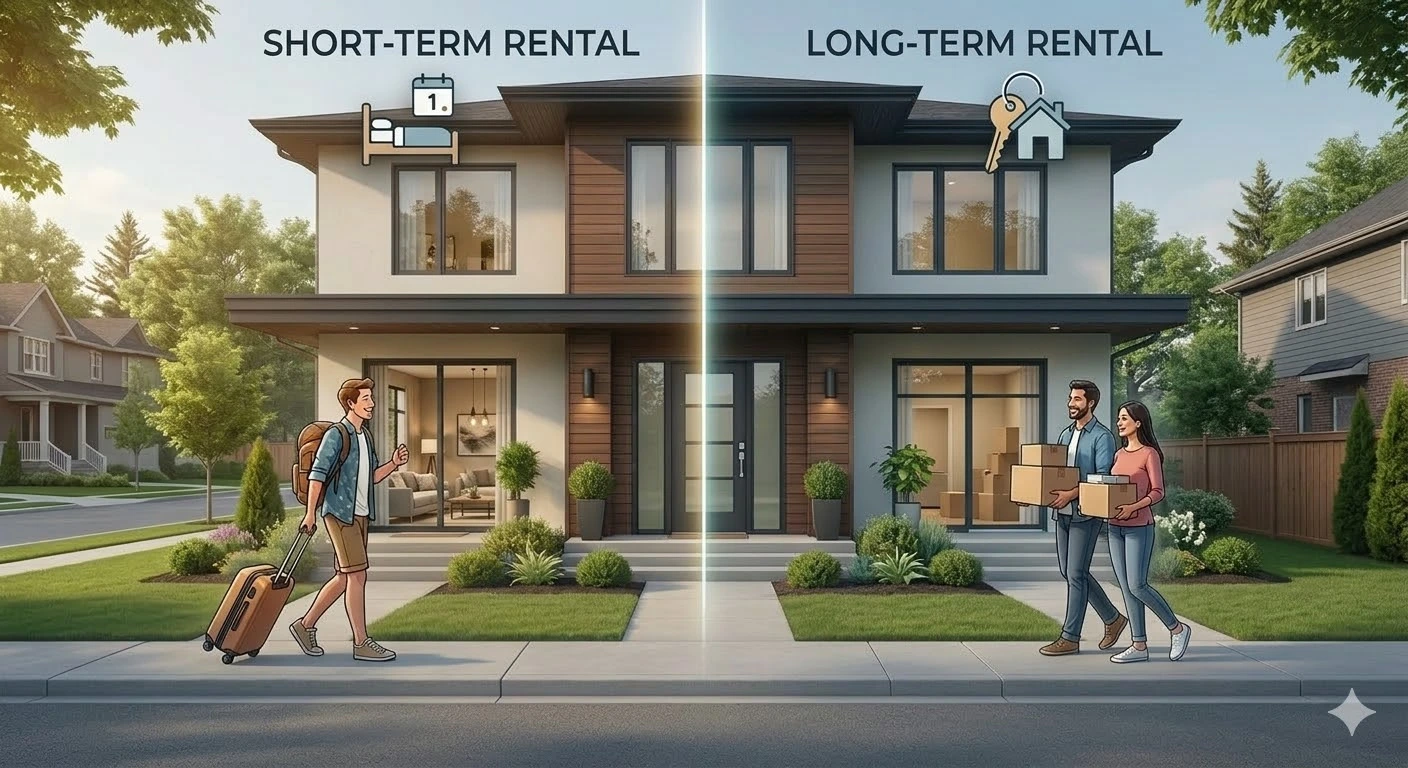
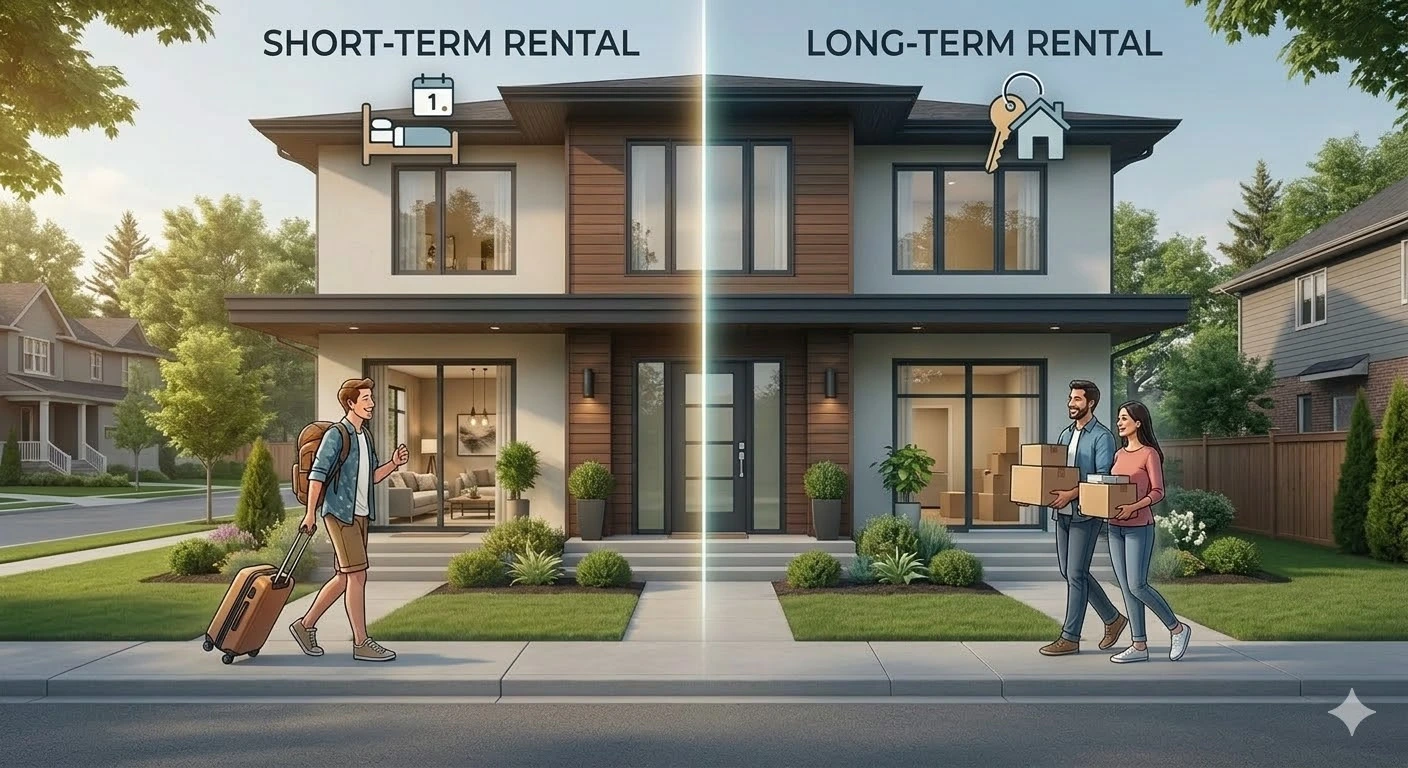
Just a few years ago, the allure of short-term rental properties, particularly through platforms like Airbnb, promised a straightforward path to passive income. The narrative was compelling: college students supplementing their income by renting out spare rooms, and a burgeoning post-pandemic travel boom from 2021 to 2022 that seemed to validate the strategy. Real estate investors, drawn by the seemingly effortless cash flow generated by these ventures, flocked to the market. Data from that period often showed short-term rentals outperforming their long-term counterparts in numerous U.S. locations, solidifying the perception of an easy investment.
However, the landscape has undergone a significant transformation by 2026. The initial boom has subsided, with many markets experiencing a deceleration in Airbnb occupancy and revenue growth. Simultaneously, regulatory frameworks have tightened considerably, fundamentally altering the nature of short-term rental ownership. What was once perceived as a passive income stream has evolved into a complex, active business. This shift has forced real estate investors to re-evaluate their strategies, as the once clear-cut choice between short-term and long-term rentals has become increasingly nuanced. Adding to this complexity is the emergence of mid-term rentals, a hybrid model that further complicates the decision-making process.
This article delves into the critical factors investors must now re-evaluate when choosing between short-term, long-term, and the increasingly popular mid-term rental strategies in 2026.
The Evolving Regulatory Environment: A Growing Hurdle
Historically, the short-term rental market benefited from a regulatory lag. New business models often outpace legislative action, and this was certainly true for short-term rentals. Most localities lacked specific ordinances, making market entry relatively frictionless. This lack of regulation contributed to the rapid growth and perceived ease of operation.
By 2026, this scenario is largely reversed. Many housing markets, particularly those heavily reliant on tourism, have implemented stringent short-term rental regulations. Cities such as New York City, Honolulu, Santa Monica, New Orleans, and San Francisco have enacted what are effectively "de-facto" bans, imposing rules so restrictive that they severely limit or eliminate the viability of short-term rentals. These regulations can encompass a wide array of requirements, including:
- Licensing and Permitting: Mandating specific licenses and permits to operate, often with associated fees and renewal processes.
- Zoning Restrictions: Limiting short-term rentals to specific zones or prohibiting them in residential areas altogether.
- Occupancy Limits: Setting strict caps on the number of guests allowed per property.
- Safety Standards: Requiring compliance with building codes, fire safety regulations, and habitability standards.
- Tax Obligations: Imposing specific lodging taxes, occupancy taxes, or additional fees.
- Guest Stay Limits: Capping the maximum number of days a property can be rented on a short-term basis per year.
- Neighbor Notification: Requiring hosts to notify adjacent property owners about their short-term rental operations.
The legal compliance burden for short-term rental investors in 2026 is substantial, demanding a thorough understanding of local ordinances and the capacity to adhere to them. Resources like Mashvisor’s portal, which offers a comprehensive overview of U.S.-wide short-term rental regulations, are becoming indispensable tools for investors.
However, the regulatory shifts are not confined to the short-term rental sector. The traditional long-term rental market is also experiencing evolving legal frameworks. While landlords have navigated location-specific rental laws in the U.S. since the early 20th century, including:
- Fair Housing Laws: Prohibiting discrimination based on protected characteristics.
- Landlord-Tenant Acts: Establishing rights and responsibilities for both parties.
- Eviction Procedures: Outlining legal processes for tenant removal.
- Lease Agreement Requirements: Specifying essential clauses for rental contracts.
New legislation in 2026 is increasingly tilting the balance in favor of tenants, often increasing operational costs and complexity for landlords. Notable examples include:
- California: Recent legislation has introduced stricter rent control measures, limitations on no-fault evictions, and enhanced tenant protections regarding habitability standards, potentially increasing repair costs and turnaround times between tenants.
- Washington: Similar to California, Washington has seen the implementation of tenant-friendly laws, including rent increase caps, "just cause" eviction requirements, and increased notice periods for lease terminations, all of which can impact landlord flexibility and income predictability.
The trend of states enacting tenant-centric legislation suggests that these changes, once proven successful in major markets, are likely to be adopted by other states. Consequently, real estate investors must conduct exhaustive legal due diligence for both short-term and long-term rental properties, understanding that the legal landscape is dynamic and requires continuous monitoring.
Escalating Costs Across the Board
The financial calculus of real estate investment has also shifted, with costs rising for virtually all rental strategies. The general increase in U.S. home prices, coupled with elevated property taxes, mortgage rates, and insurance premiums, has raised the baseline investment threshold.
For Short-Term Rental Properties:
The direct impact of regulatory changes translates into increased expenses. Annual fees for permits and registrations, substantial fines for non-compliance, and new or increased taxes are now commonplace. Furthermore, platforms like Airbnb introduced new platform fees in 2025, directly impacting host profitability.
Beyond regulatory costs, heightened market competition necessitates greater investment in property appeal. What was once considered a desirable amenity, such as a hot tub in a Gatlinburg, TN Airbnb, is now often a baseline expectation. Hosts must invest in superior amenities, professional staging, and enhanced guest services to stand out, adding significant cost to property upkeep and marketing. This competitive pressure means that owning a short-term rental in 2026 is demonstrably more expensive than it was just a few years prior.
For Long-Term Rental Properties:
New tenant-focused laws can also increase overhead for long-term rentals. Requirements for updated appliances, such as working stoves and refrigerators, are standard, and tenants are increasingly prioritizing energy efficiency. Investing in energy-efficient upgrades to rental properties, while beneficial in the long run, represents an upfront cost for landlords.
The combined effect of rising property values, interest rates, and operational expenses means that both start-up and ongoing costs for rental properties are significantly higher. Investors can no longer rely on general assumptions; precise cost estimates, alongside realistic income projections, are crucial for determining the true cash flow potential of any rental strategy.
The Criticality of Location and Market Dynamics
The choice of location remains a paramount factor, but its implications have evolved. Beyond the legal considerations, investors must now grapple with shifting travel trends, market saturation, and evolving demographic movements.
For traditional rentals, data indicates a significant migration trend towards the Sunbelt region, with the Southeast and Mountain West experiencing substantial population growth, a shift from the historical preference for larger urban centers. Understanding where people are moving is only part of the equation; the strategic positioning of an asset within these markets is equally critical.
Daryl Fairweather, Chief Economist for Redfin, offers valuable insights into these market dynamics. When asked about potential conversions from short-term to long-term rentals, Fairweather notes: "Conversions are most likely where short-term economics weaken or regulations tighten. This often happens in markets where short-term rental revenue is softening, but the underlying fundamentals for long-term rentals remain robust. Investors will look to stabilize income in areas where the demand for longer leases is consistent."
Conversely, certain markets may still favor short-term rentals. Fairweather elaborates: "Yes, some markets will still favor STRs. These are typically destinations with consistent, high tourism demand, such as major vacation spots or areas with significant event-driven travel. However, passive Airbnb investments in random towns are risky. Success in these STR-favored markets now heavily relies on professional management, dynamic pricing strategies, and a sustained influx of visitors. The era of simply listing a property and expecting consistent, high returns is largely over."
This underscores the necessity for investors to meticulously research and compare the suitability of specific locations for short-term versus long-term rentals, recognizing that market trends are fluid and require constant adaptation.
Understanding the Occupant: Shifting Perceptions
A key attraction for early adopters of short-term rentals was the perceived simplicity of dealing with temporary guests. The assumption was that transient occupants would present fewer issues than long-term tenants, avoiding common landlord headaches such as:
- Extended Vacancies: The time between long-term tenants.
- Tenant Turnover Costs: Expenses associated with finding and screening new long-term renters.
- Eviction Proceedings: The complex and often costly legal process of removing a tenant.
- Property Damage: Wear and tear that can accumulate over longer tenancies.
- Late Rent Payments: The financial strain of inconsistent income.
The image of the "ideal" short-term guest, however, has been challenged by a growing number of online "horror stories." These accounts detail instances of:
- Property Damage: Guests causing extensive damage beyond normal wear and tear.
- Unauthorized Parties: Events that violate house rules and can lead to neighbor complaints and property damage.
- Theft: Guests taking items from the property.
- Security Breaches: Unauthorized individuals gaining access.
- Neighbor Disputes: Conflicts arising from guest behavior.
Beyond guest conduct, the operational costs associated with hosting short-term guests are significant. High-speed internet, hotel-like amenities, and professional cleaning services are not optional extras but essential components of a competitive short-term rental offering.
In 2026, it is no longer accurate to assume one type of occupant is inherently superior to the other. Both short-term guests and long-term tenants present unique management challenges and associated costs. Investors must critically assess their capacity to manage these distinct operational demands, implement robust risk mitigation strategies, and develop effective protocols for addressing potential issues specific to each rental type.
The Effort Factor: Active Management is the New Norm
The initial perception of short-term rentals as a passive income stream has been debunked. Online forums and communities for Airbnb and short-term rental hosts are replete with discussions about the significant effort required to operate a hospitality business. For hosts who manage their properties directly, the investment is undeniably active.
Similarly, long-term rental landlordship, while often viewed differently, has always demanded significant effort, particularly during periods of tenant turnover, emergency maintenance, or eviction proceedings. The notion of truly passive landlordship is largely a myth.
Both short-term and long-term rental investments can be made more passive through the engagement of property managers. However, this comes at a cost. Property management fees for long-term rentals typically range from 8% to 12% of monthly rental income, whereas short-term rental management fees are considerably higher, often falling between 15% and 25%.
The reality in 2026 is that neither hosting nor traditional landlordship is a passive endeavor. Real estate investors must realistically evaluate their capacity for day-to-day operations and the time commitment involved. Alternatively, factoring in property management costs upfront during the investment analysis phase is essential for achieving a truly passive rental income stream.
The Rise of the Mid-Term Rental: A Lucrative Middle Ground
The investment decision is no longer confined to a binary choice between short-term and long-term rentals. The emergence and growing popularity of mid-term rentals, also known as monthly rentals, have introduced a compelling third option. These rentals typically span periods from one month to six months, and sometimes up to twelve months.
Mid-term rentals cater to a specific demographic, including traveling healthcare professionals, individuals on extended business assignments, digital nomads, and those in transitional housing situations. This niche tenant base often leads to success in particular types of locations:
- Areas with a strong healthcare presence: Proximity to hospitals and medical facilities.
- Cities with significant corporate relocation activity: Hubs for business travelers.
- Areas with a high concentration of universities: Catering to visiting scholars or faculty.
- Markets with a growing remote workforce population: Attracting digital nomads.
A significant advantage of mid-term rentals is their tendency to fall outside the scope of the stringent regulations that govern short-term rentals. While short-term rentals often command higher average daily rates (ADRs), mid-term rentals typically benefit from higher occupancy rates. This, combined with reduced turnover costs and cleaning fees compared to short-term rentals, can translate into higher overall profitability within the same market.
Compared to traditional long-term leases, mid-term rentals offer greater flexibility and are usually furnished. Consequently, tenants are often willing to pay a premium, with reports suggesting an additional $600 to $800 per month compared to a standard long-term lease. This attractive combination of consistent cash flow, reduced regulatory hurdles, and premium rental rates positions mid-term rentals as a highly viable strategy for investors seeking to optimize their returns.
Navigating the Decision: Short-Term vs. Mid-Term vs. Long-Term
Choosing the optimal rental strategy in 2026 requires a comprehensive assessment of location, risk tolerance, and financial objectives. While short-term rentals may offer higher per-night revenue in prime tourist destinations, their profitability is increasingly contingent on professional management, dynamic pricing, and robust demand. Passive investments in less popular areas carry significant risks.
Long-term rentals, while generally offering more stable and predictable monthly income, require a different approach to management and may yield lower returns per night. Mid-term rentals present a compelling hybrid, balancing the potential for higher income than long-term rentals with greater stability and lower operational complexity than short-term rentals.
Ultimately, the most profitable strategy will depend on a granular analysis of local market data. Investors must leverage reliable data sources, including Airbnb occupancy rates, long-term rent estimates, and historical performance trends, to accurately project income and expenses. Platforms like Mashvisor provide tools that can assist in this analysis, offering data-backed insights to help investors identify the strategy that is most likely to generate the highest cash flow and return on investment for a specific property.
Strategic Pivots: Convert or Sell?
For existing real estate investors, 2026 may necessitate a re-evaluation of current holdings. A once lucrative short-term rental property might now be operating in an oversaturated market with diminished profit margins, or prohibitive new regulations could render the business model unsustainable. In such scenarios, investors face a critical decision: convert the property to a long-term rental or sell it.
This decision hinges on a thorough examination of current real estate market trends and the investor’s financial position. Selling might be advantageous if market prices are favorable and capital could be deployed more effectively elsewhere. Conversely, holding the property while waiting for a better sale price might incur significant costs and lead to negative cash flow. The performance of long-term rentals in the same market is a crucial data point in this evaluation.
When considering whether to sell a vacation property instead of converting it, Fairweather advises: "An investor should consider selling when the property no longer justifies the complexity and risk of short-term rentals or when the capital could be better used elsewhere. This is particularly true if the property no longer provides strong returns, market prices are favorable for a sale, or regulations have made the short-term rental strategy unprofitable."
If conversion to a long-term rental makes financial sense, Fairweather offers strategic guidance: "If converting makes sense, focus on these four things. First, ensure the property meets long-term rental standards. Second, adjust pricing based on long-term market rates. Third, secure reliable tenants through thorough screening. Fourth, prepare for a more predictable, but potentially lower, income stream." In essence, treating the conversion as a strategic business decision that prioritizes predictability over potential short-term upside is key.
Conclusion
The real estate investment landscape for rental properties has undergone a profound transformation. The days of easy, passive income from short-term rentals are largely behind us. In 2026, success in any rental strategy requires diligent research, strategic planning, and a data-driven approach. Whether investors choose short-term, mid-term, or long-term rentals, a deep understanding of local regulations, market dynamics, operational costs, and tenant expectations is paramount. By leveraging robust data and analytical tools, investors can navigate this evolving market and identify the rental strategy that best aligns with their financial goals and risk tolerance, ensuring profitable and sustainable real estate investments.
Frequently Asked Questions
1. Can short-term rentals still be profitable in 2026?
Yes, short-term rentals can still be profitable in 2026, but profitability is highly dependent on location, the regulatory environment, occupancy rates, and operating costs. In tourism-driven markets with strong and consistent demand, Airbnb rentals may indeed generate higher income than traditional leases. However, investors must conduct thorough due diligence on local laws and competitive market conditions before committing capital.
2. What is the difference in profitability between short-term and long-term rentals?
Short-term rentals often generate higher revenue per night due to premium pricing for shorter stays. However, long-term rentals provide more stable, predictable monthly income and typically involve lower management costs and fewer vacancies. The most profitable strategy is context-dependent, influenced by local tourism demand, rental regulations, property prices, and expected occupancy rates.
3. How do short-term, mid-term, and long-term rentals differ?
Short-term rentals are typically rented for a few nights or weeks through platforms like Airbnb. Mid-term rentals are generally for periods of 1-6 months, catering to professionals and digital nomads. Long-term rentals are traditional leases lasting 6-12 months or more, offering stable income for landlords.
4. Is Airbnb a better investment than a long-term rental?
Airbnb can generate higher income in high-demand markets, particularly tourist destinations. However, it also requires more active management, higher operating costs, and strict adherence to local regulations. Long-term rentals generally offer more predictable cash flow and fewer day-to-day management responsibilities. The "better" investment depends on an investor’s risk appetite, management capacity, and market analysis.
5. How should investors choose between short-term and long-term rental strategies?
Investors should compare projected rental income, anticipated occupancy rates, operating costs, and local regulations before committing to a strategy. Analyzing historical rental data and current market trends is crucial for determining whether a property is likely to perform better as a short-term or long-term rental. Utilizing real estate investment tools that provide access to both short-term and long-term rental data can significantly aid this decision-making process.

