
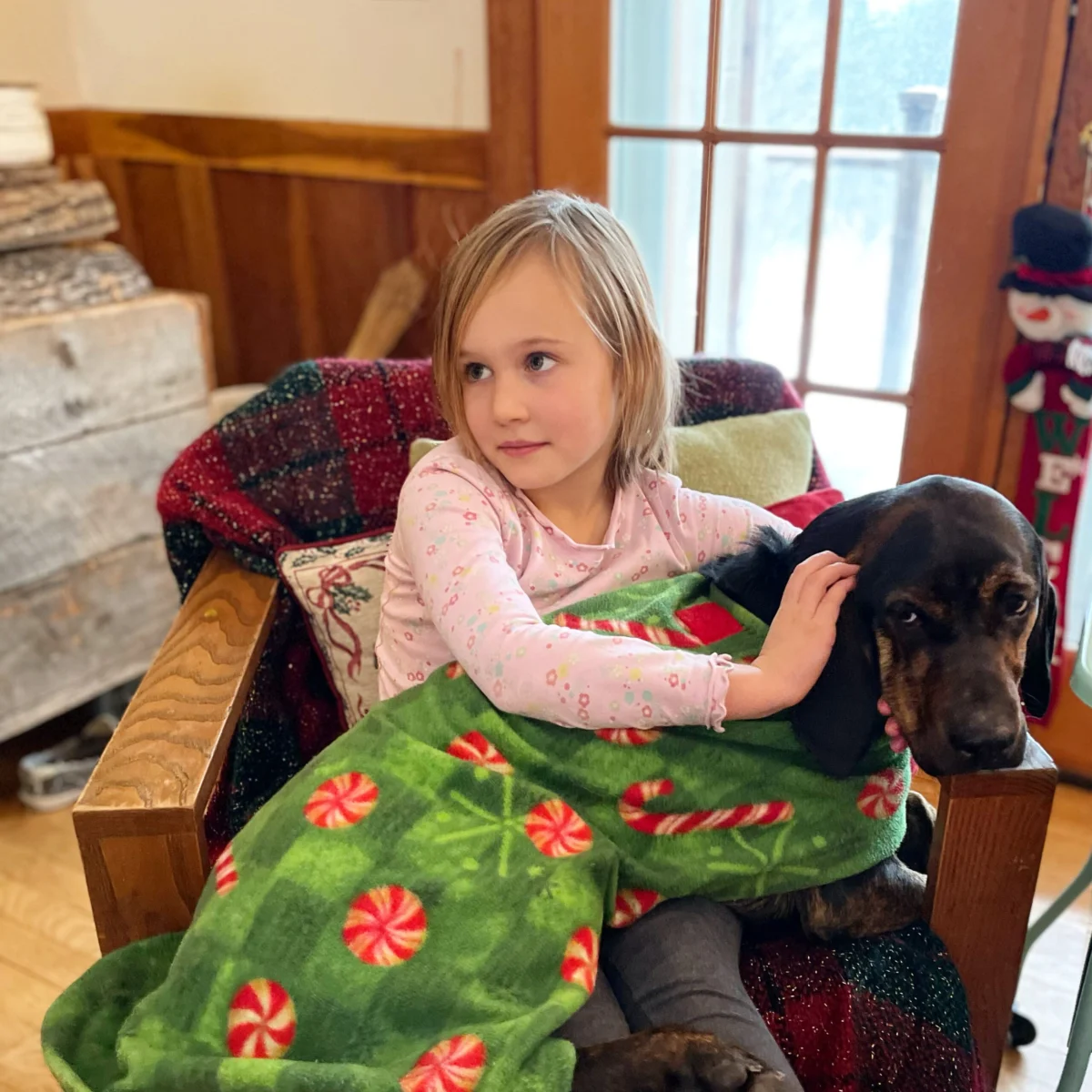
In late September 2022, a stray female hound, later identified as Genevieve or Gigi, was discovered emaciated and injured on a private property in rural Vermont, initiating a four-month efforts-intensive rescue operation that would eventually highlight the significant behavioral and financial challenges inherent in animal rehabilitation. The dog, found without identification tags or a microchip, was initially cared for by local residents before being adopted by a family on October 3, 2022. While the animal displayed a docile temperament in the presence of humans, it soon manifested a severe and intractable form of canine separation anxiety (CSA) that would ultimately necessitate a specialized rehoming strategy. This case serves as a comprehensive example of the complexities surrounding the adoption of "working breed" dogs into domestic environments and the substantial resource investment often required to address psychological trauma in rescued animals.
The Chronology of Adoption and Behavioral Manifestation
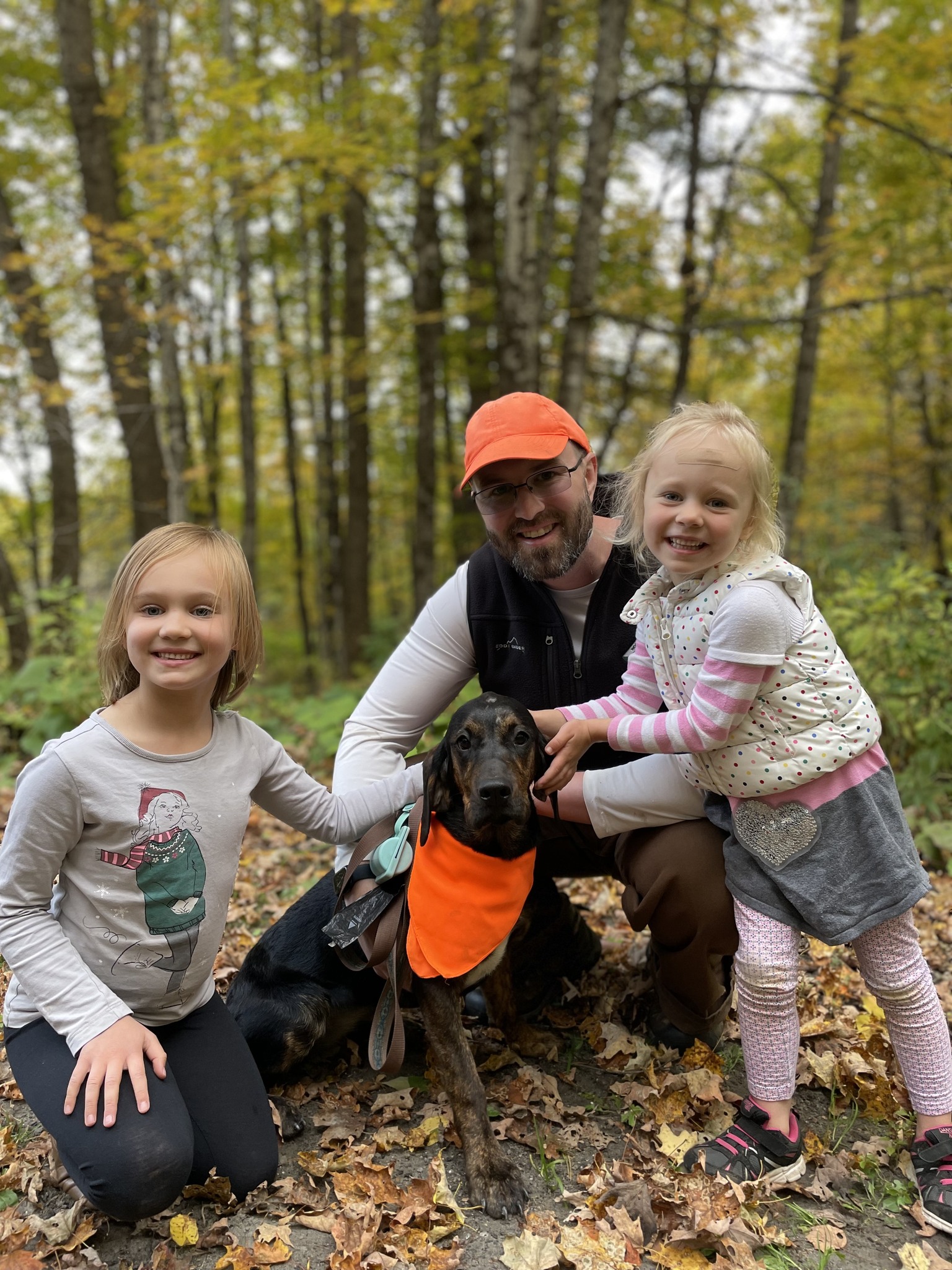
The timeline of Gigi’s domestic transition began with an emergency period of stabilization. Upon her discovery, the animal showed physical signs of neglect, including malnutrition and external abrasions. When local efforts to locate an owner through advertisements and veterinary scans proved unsuccessful, the dog was integrated into a household with two young children. Observers noted that the hound, hypothesized to be a former bear-hunting dog due to her breed characteristics and the regional culture of pack-based hunting, initially appeared to adapt well to the family’s active lifestyle, participating in hiking and showing a high degree of social compatibility with children.
However, a critical behavioral deficit emerged within the first week of ownership: an absolute inability to remain solitary. While the owners implemented standard crate training protocols—which the dog accepted while humans were present—any absence of human or canine companionship triggered immediate and severe panic attacks. According to detailed logs maintained by the family, these episodes occurred regardless of the duration of the absence, often manifesting within five minutes of the owners departing the premises.

Methodological Attempts at Behavioral Modification
To address the animal’s deteriorating psychological state, the owners initiated a multi-tiered intervention strategy encompassing behavioral, technological, and pharmacological approaches.
- Behavioral Training: The family engaged a professional canine trainer to implement a desensitization and counter-conditioning regimen. This process involved "graduated departures," where owners would leave the house for increments as small as 30 seconds to build the dog’s tolerance for solitude. Despite consistent application, the trainer reported that the dog reached a "plateau of panic," unable to remain calm for more than five minutes.
- Technological Monitoring and Intervention: High-definition cameras were installed to monitor the dog’s behavior in real-time. This evolved into the use of remote-operated treat dispensers, allowing the owners to reward calm behavior from a distance via a smartphone application. These measures provided data on the severity of the anxiety—which included pacing, vocalization, and involuntary elimination—but failed to alter the dog’s emotional response to isolation.
- Medical and Pharmacological Treatment: Following consultations with veterinary professionals, a series of escalating pharmacological interventions were attempted. The treatment plan progressed from mild anti-anxiety supplements to prescription sedatives and, eventually, tranquilizers. Veterinary reports indicated that the dog’s physiological arousal during separation was so intense that it effectively bypassed the chemical effects of the medications.
By early 2023, after four months of daily management, the family concluded that the domestic environment was incompatible with the dog’s specialized needs. The animal was surrendered to a foster-based rescue organization capable of providing a multi-dog environment.

A Financial Audit of Rescue Rehabilitation
The Gigi case provides a transparent look at the often-underestimated costs of adopting a rescue animal with specialized needs. While the initial acquisition cost was zero, the cumulative expenditure over 120 days totaled $2,373.25. This figure significantly exceeds the national average for annual dog maintenance, which the American Pet Products Association (APPA) estimates at approximately $1,400 for a healthy animal.
| Expenditure Category | Cost | Description of Services |
|---|---|---|
| Veterinary Services & Labs | $911.98 | Vaccinations, de-worming, microchipping, and multiple diagnostic visits. |
| Rescue & Rehoming Fees | $600.00 | Donation to cover spaying and administrative costs for the successor rescue. |
| Behavioral & Training | $150.00 | Professional consultations and training sessions. |
| Technology & Monitoring | $128.77 | Remote cameras and automated treat-dispensing hardware. |
| General Supplies & Gear | $514.50 | Food, bedding, cold-weather gear, and enrichment toys (Kongs). |
| Administrative & Misc. | $68.00 | Licensing and pharmaceutical co-pays. |
| Total Expenditure | $2,373.25 |
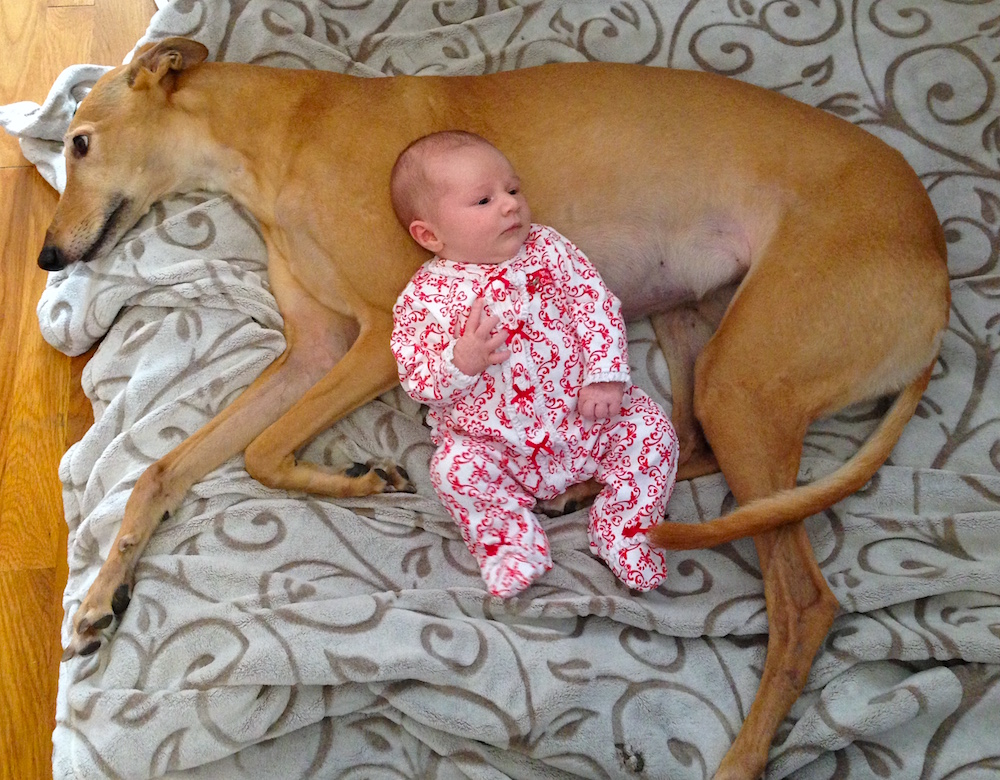
This data underscores a critical reality in animal welfare: the "free" rescue dog often requires a higher capital outlay than a dog from a controlled breeding environment, due to the unpredictability of the animal’s medical and psychological history. For the family involved, this represented a nearly 150% increase over the annual cost of their previous pet, a retired racing greyhound, highlighting how breed and history dictate financial commitment.
The Role of Breed History and "Pack Mentality"
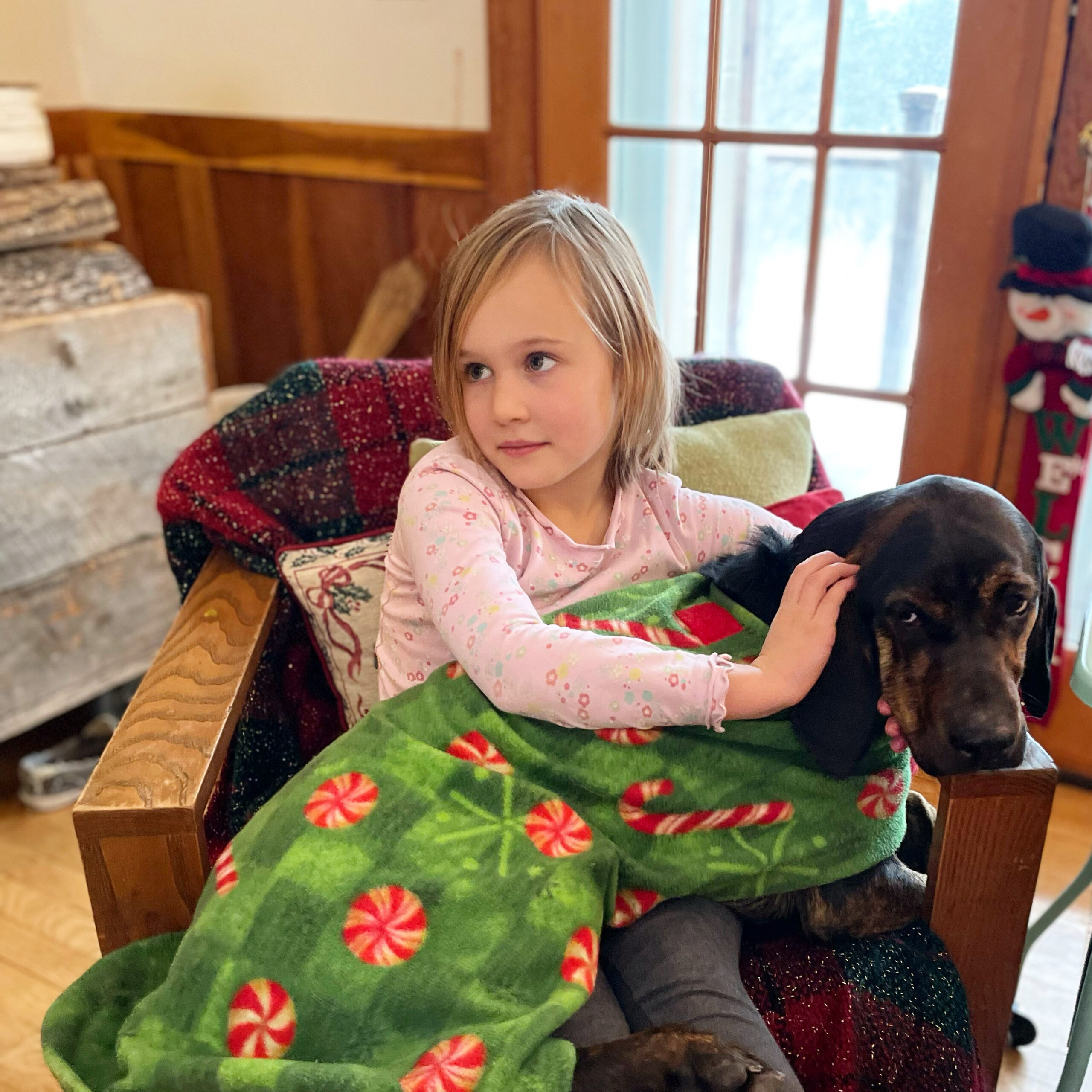
Analysis of the case by the successor rescue organization provided a vital post-script to the behavioral crisis. Experts noted that Gigi’s behavior was consistent with "pack-dependent" working hounds. In the context of bear hunting in the Northeast, hounds are frequently raised and kept in large groups, rarely experiencing total solitude. When these animals are moved into a "singleton" domestic setting, the absence of a pack is perceived as a survival threat, leading to the extreme separation anxiety observed.
The rescue organization confirmed that once Gigi was placed in a foster home with multiple other dogs, her anxiety symptoms vanished. She was able to remain calm in the absence of humans as long as other canines were present. This finding suggests that the family’s failure to rehabilitate the dog was not a result of poor training, but rather a fundamental mismatch between the animal’s biological drive for a pack and the structure of a modern, single-pet suburban household.
Broader Implications for Pet Ownership and Rehoming Ethics
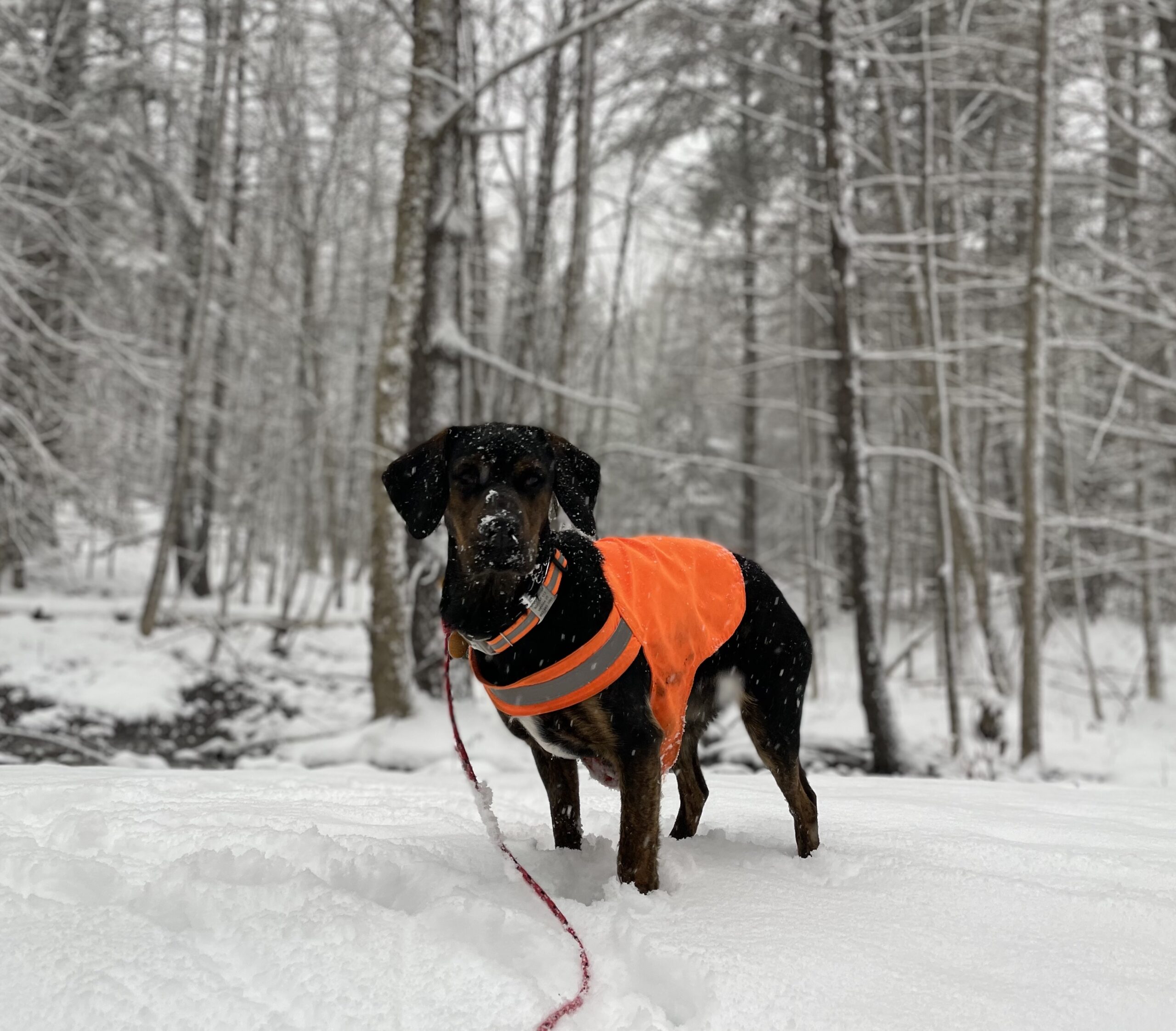
The decision to rehome an animal is often stigmatized in domestic circles, yet the Gigi case illustrates the ethical argument for "functional rehoming." By acknowledging that their lifestyle—which included school, church, and community events that required the house to be empty—was causing the animal physiological distress, the owners prioritized the dog’s welfare over their emotional attachment.
This situation reflects a broader trend in post-pandemic animal welfare. During the COVID-19 lockdowns, domestic pet ownership surged; however, as society returned to traditional work and school schedules, many owners discovered their pets had developed severe separation issues. The Gigi case is distinct in that the animal was a stray rather than a "pandemic puppy," but the resolution remains the same: successful pet ownership requires a synergy between the animal’s innate temperament and the owner’s logistical reality.
Environmental Stressors and Regional Context
The challenges of pet ownership in rural Vermont were further complicated in 2023 by extreme environmental factors. Shortly after the resolution of the Gigi case, the region was struck by catastrophic flooding. While the family in this case reported that their residence remained dry, the infrastructure damage was significant, including the destruction of a quarter-mile driveway. Such events highlight the "compounding costs" of rural living, where unexpected animal expenses can be followed by significant property maintenance costs due to climate volatility.
Conclusion
The story of Genevieve the hound is a cautionary but ultimately successful narrative of responsible animal stewardship. It highlights the necessity of financial liquidity when adopting rescues, the importance of understanding breed-specific psychological needs, and the validity of rehoming as a compassionate solution when a domestic mismatch occurs. Gigi has reportedly been successfully adopted into a "pack" environment, where she no longer suffers from the panic attacks that defined her brief tenure as a single pet. For the family involved, the experience serves as a reminder that despite significant emotional and financial investment, the most humane outcome for an animal sometimes involves relinquishing ownership to a more compatible environment.

