
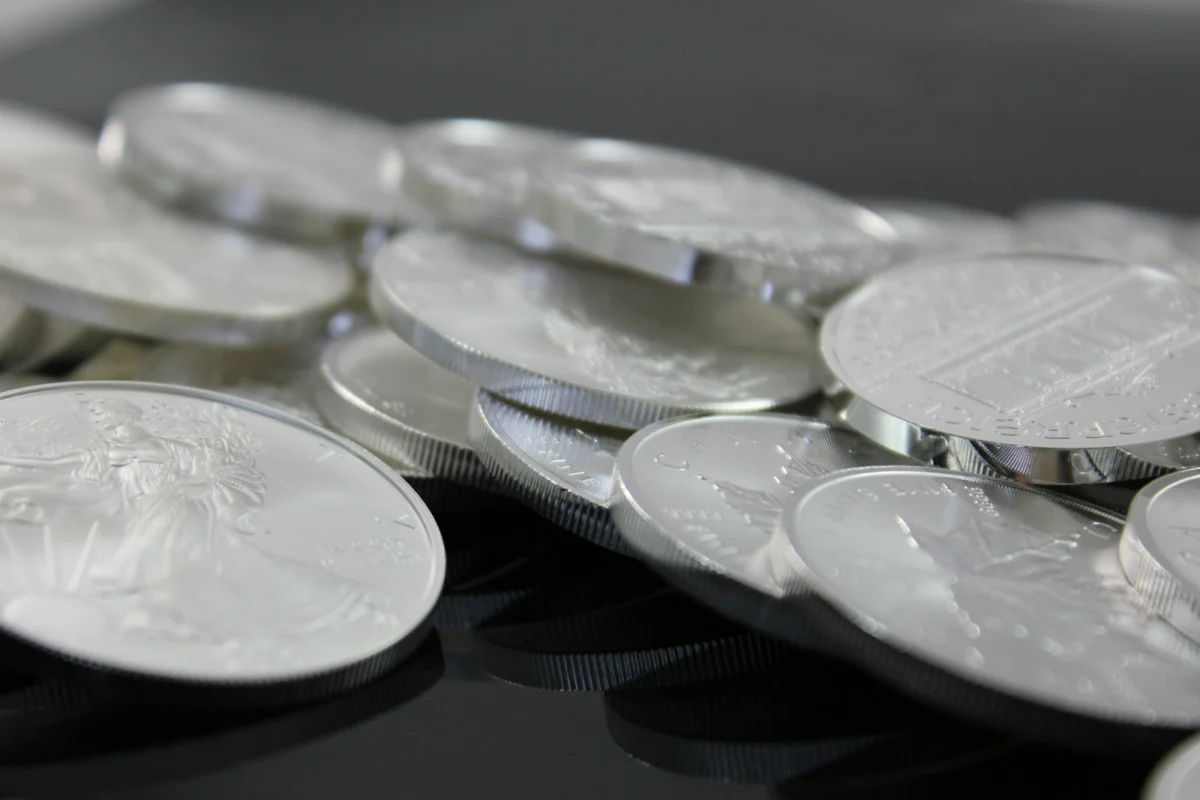
For a generation navigating unprecedented economic complexities, the traditional pathways of financial growth are increasingly being re-evaluated. Young adults in their 20s and 30s, who once primarily focused on stocks, retirement accounts, and digital assets, are now demonstrating a growing interest in tangible wealth, particularly physical silver. This shift represents a strategic diversification away from conventional financial instruments, driven by persistent inflationary pressures, escalating government debt, and a pervasive sense of economic uncertainty that continues to reshape global financial markets. Unlike purely digital or paper assets, physical silver embodies thousands of years of monetary history, offering a tangible store of value, while simultaneously playing a pivotal role in the accelerating technological advancements of modern industries.
The Shifting Investment Landscape for Younger Generations
The investment ethos of millennials and Gen Z has notably evolved. Following periods of rapid technological growth and the advent of cryptocurrencies, many young investors initially gravitated towards high-growth potential and digital innovation. However, the economic aftermath of the global pandemic, characterized by supply chain disruptions, unprecedented fiscal stimulus, and subsequent inflationary spikes, has spurred a re-evaluation of portfolio resilience. Where once the focus was solely on accumulation, there is now a pronounced emphasis on wealth preservation and diversification against systemic risks. This has led many to explore assets historically known for their stability during periods of economic turbulence, with silver emerging as a particularly accessible and versatile option.
Historically, precious metals like silver and gold have served as reliable stores of value, especially when confidence in fiat currencies wanes. This ancient role is finding new relevance among a demographic seeking protection from economic volatility. The current environment, marked by central banks grappling with inflation rates not seen in decades and governments accumulating significant debt, provides a compelling backdrop for this renewed interest. Analysts suggest that this demographic, with potentially several decades until retirement, possesses a longer investment horizon, allowing them to consider assets that may experience short-term fluctuations but offer long-term stability or growth potential.
Safeguarding Wealth: Silver’s Role Against Inflationary Erosion
One of the most compelling arguments for silver in a young adult’s portfolio is its potential to act as a hedge against inflation. Inflation, a persistent increase in the general price level of goods and services, systematically erodes the purchasing power of cash savings over time. For instance, even a moderate annual inflation rate of 3% can halve the real value of money over approximately 24 years. Over a 30- to 40-year investment horizon, this cumulative effect can significantly diminish the future value of wealth held predominantly in cash or low-yield savings accounts.
Physical silver, as a historical monetary asset, has often demonstrated a tendency to retain or even increase its value during periods of currency weakness or rising inflation expectations. While silver prices do not always move in direct lockstep with inflation, particularly over shorter timeframes, its long-term performance often reflects its intrinsic value and demand. This makes it an attractive tool for younger buyers looking to preserve the purchasing power of their capital over decades, rather than as a short-term speculative bet. Financial analysts often highlight that while traditional investments might suffer from inflationary pressures, tangible assets can provide a counterbalance, offering a degree of insulation from currency devaluation.
Industrial Demand: A Foundation for Long-Term Value
Beyond its monetary attributes, silver possesses unique industrial properties that underpin a substantial portion of its market demand. Unlike gold, which is primarily driven by jewelry, investment, and central bank reserves, silver’s exceptional electrical and thermal conductivity, reflectivity, and antibacterial properties make it indispensable across a wide array of modern technologies.
Its critical role in the burgeoning renewable energy sector is particularly noteworthy. Silver is a key component in photovoltaic cells, essential for the efficient conversion of sunlight into electricity in solar panels. As global initiatives push towards decarbonization and increased adoption of solar energy, demand for silver in this sector is projected to rise significantly. Similarly, the rapid expansion of electric vehicles (EVs) relies heavily on silver for various electrical connections, battery components, and advanced electronic systems. Every EV contains numerous silver contacts and components due to the metal’s superior conductivity and resistance to corrosion.
Furthermore, silver is integral to the broader electronics industry, found in everything from smartphones, computers, and tablets to medical devices and advanced electrical infrastructure. As global electrification continues and smart technologies become more pervasive, industrial consumption of silver is expected to provide a robust floor for its long-term market outlook. Industry reports often project steady growth in these sectors for the foreseeable future, creating a dual demand dynamic for silver: both as a precious metal investment and as a vital industrial commodity. For young investors, this dual appeal offers exposure to both the traditional safe-haven characteristics of precious metals and the growth potential of future-facing technological advancements.
Mitigating Systemic Risks: The Appeal of Tangible Assets
A significant advantage of owning physical silver is the reduction of counterparty risk. In the traditional financial system, most assets—such as bank deposits, stocks held in brokerage accounts, or digital currencies on exchanges—are essentially promises from a third party. A bank deposit is a promise from the bank to return your money; a stock certificate represents your ownership in a company, held by a broker. This introduces a layer of vulnerability: if the financial institution faces insolvency, cyberattacks, or systemic collapse, the investor’s assets could be jeopardized or become inaccessible.
Physical silver, held directly in one’s possession, bypasses this dependency. A silver coin or bar is not anyone else’s liability; it is a tangible asset owned outright. This independence resonates strongly with younger adults who have witnessed global financial crises, banking disruptions, and the increasing threat of cyber vulnerabilities. The concept of holding wealth outside the traditional financial system, free from the risks associated with institutional failures, government interventions, or digital breaches, offers a unique sense of security.
However, this independence comes with its own set of responsibilities. Physical ownership necessitates secure storage solutions, whether through home safes, specialized vaults, or insured depository services. It also requires careful consideration of insurance against theft or loss, and the ability to authenticate the purity and origin of the bullion. These practical considerations are crucial for anyone seeking the benefits of direct physical ownership.
Accessibility and Strategic Accumulation: Pathways for New Investors
One of silver’s most attractive features for young investors, particularly those managing student loans, housing costs, and initial career expenses, is its relative affordability. While a single ounce of gold can command prices in the thousands of dollars, making large initial investments prohibitive for many, silver offers a more accessible entry point. Popular products such as American Silver Eagle coins, Canadian Silver Maple Leafs, and one-ounce silver bars are available at significantly lower price points, allowing beginners to start with relatively modest purchases.
This affordability facilitates a strategic investment approach known as dollar-cost averaging. Rather than attempting to time the market with one large purchase, which carries the risk of buying at a market peak, investors can buy smaller quantities of silver regularly—for example, a few coins each month. This strategy allows investors to accumulate ounces across different market conditions, averaging out the purchase price over time. It mitigates the psychological pressure of predicting market movements and can reduce overall risk by smoothing out the impact of price volatility. This disciplined approach aligns well with the limited disposable income often characteristic of young adults, transforming what might seem like a daunting investment into a manageable, incremental wealth-building habit.
Portfolio Diversification: Integrating Silver into a Broader Strategy
A well-constructed investment portfolio typically emphasizes diversification across various asset classes to manage risk and enhance returns. Traditional portfolios often lean heavily on stocks for growth, bonds for stability and income, and cash for liquidity. Physical silver introduces exposure to an entirely different asset class—precious metals—which often exhibits a low correlation with traditional financial assets, especially during periods of market stress.
While some investors consider precious metals allocations of approximately 5% to 10% of their total portfolio, providing a hedge without overconcentration, others, with a higher risk tolerance or stronger conviction in precious metals, might consider larger positions. However, it is crucial to understand that allocating a significant portion, such as 20%, to physical silver represents a substantial concentration in a volatile, non-income-producing asset. Silver does not generate dividends or interest, and its price can experience sharp fluctuations.
Before committing to silver, younger investors must thoroughly evaluate their personal financial situation, including their risk tolerance, the adequacy of their emergency savings, and their long-term retirement goals. Silver, while offering diversification, does not consistently offset stock market losses and can experience significant price declines. A balanced approach ensures that silver complements, rather than dominates, a broader financial plan. Certified financial planners frequently advise against over-concentration in any single asset class, emphasizing the importance of a holistic strategy tailored to individual circumstances.
Liquidity and Long-Term Horizon: Navigating Silver Markets
Physical silver’s availability in standardized sizes—such as one-ounce coins, 10-ounce bars, and larger bullion products—offers significant flexibility when it comes time to sell. This allows owners to liquidate portions of their holdings as needed, without being forced to sell their entire investment. Widely recognized products from sovereign mints (like the U.S. Mint’s Silver Eagles or the Royal Canadian Mint’s Silver Maple Leafs) are particularly liquid and generally easier to authenticate and resell through established bullion dealers, providing a ready market for sellers.
However, anyone considering buying silver must understand the nuances of its transaction costs. The silver spot price, which is the current market price for an ounce of silver, differs from the retail premium (the price a dealer sells it to you for, which includes their markup) and the dealer buyback price (the price a dealer will pay to buy it back, which is typically below spot). These premiums and spreads can affect overall returns and should be factored into investment calculations.
For young investors, the greatest asset they possess is time. With several decades before retirement, they have a longer investment horizon, which provides greater flexibility to hold assets through periods of market volatility. Silver prices can experience dramatic rallies followed by substantial corrections, reflecting its dual nature as both a monetary asset and an industrial commodity. A longer investment horizon allows investors to potentially navigate these cycles, benefiting from long-term trends while weathering short-term downturns, provided they are not forced to sell during a dip. This long-term perspective can also foster disciplined saving, as selling physical bullion generally requires more conscious effort and decision-making than executing a trade in a brokerage account.
Expert Perspectives and Considerations
Financial advisors generally adopt a balanced perspective on silver for young investors. While acknowledging its benefits as a tangible asset, an inflation hedge, and a diversifier, they also highlight the associated risks. The volatility of precious metals markets, the lack of income generation, and the practicalities of secure storage and insurance are important considerations. "While a small allocation to precious metals can be a prudent diversification strategy, especially in uncertain economic times, it’s crucial for young investors to prioritize foundational elements like an emergency fund, debt reduction, and a diversified portfolio of growth assets before making significant investments in commodities," states one economic analyst.
Due diligence is paramount. Young investors should ensure they are purchasing from reputable dealers, understand the authenticity and purity of their bullion, and are aware of all associated costs, including premiums, shipping, storage, and potential capital gains taxes upon sale. Education about market dynamics, historical performance, and future demand drivers is essential for making informed decisions.
Conclusion: A Strategic Role in Future Wealth Building
For young adults in their 20s and 30s, physical silver presents a potentially affordable and strategic avenue to diversify assets, gain exposure to growing industrial demand, and hold wealth outside the traditional financial system. It offers a tangible counterpoint to increasingly digitized and volatile financial markets.
However, the key to successful integration of silver into a long-term financial plan lies in maintaining realistic expectations. Silver does not offer dividends or interest payments; its value is entirely dependent on market appreciation. Its price can fluctuate sharply, and ownership involves managing premiums, storage costs, and security considerations.
By starting small, consistently purchasing recognizable bullion products, and integrating silver responsibly within a broader, diversified financial plan, young investors can approach this asset class strategically. For a generation contemplating a future shaped by evolving economic paradigms, the question is not merely whether silver prices will rise tomorrow, but whether physical precious metals, with their millennia-long history and critical modern utility, have a useful and enduring place in their long-term wealth-building strategy. As economic landscapes continue to shift, the tangible security offered by silver may prove to be an increasingly valuable component of a resilient financial future.
Disclosure: This article is provided for educational purposes only and does not constitute financial or investment advice. Precious metals prices fluctuate, and past performance does not guarantee future results. Investors should consult with a qualified financial advisor before making any investment decisions.

