
The desire to step away from the relentless demands of professional life, to pause and reassess priorities, is a sentiment many individuals experience at various junctures. For Andy Zimney, a consultant specializing in organizational culture, this feeling coalesced into a critical decision following a significant personal event. In 2019, while on a work assignment in Alabama, Zimney was involved in a rear-end collision caused by a drunk driver. The incident, which necessitated an eight-hour stay in an emergency room, resulted in a suspected concussion, even in the absence of visible injuries.
A Collision and Its Lingering Aftermath
The immediate aftermath of the accident saw Zimney return home, spending the evening with his family before resuming his professional responsibilities. However, within a fortnight, the insidious symptoms of a concussion began to manifest. Zimney described experiencing profound difficulties with concentration, a marked depletion of energy, and an overwhelming sense of mental and physical exhaustion by the close of each workday, if not sooner. These debilitating symptoms persisted for three months, significantly impacting his ability to perform his duties effectively and impacting his overall quality of life.
The Strategic Decision for a Sabbatical
Recognizing the severity and persistence of his condition, Zimney formally requested a sabbatical from his partners. This request was driven by a clear imperative: to step back from his demanding professional life, critically re-evaluate his personal and professional trajectory, and redefine what success meant for his future. His primary motivation was to prioritize his health. Zimney articulated a keen awareness that delaying this crucial intervention could lead to a state of burnout, potentially preceding his planned retirement age.
A Month of Deliberate Unplugging
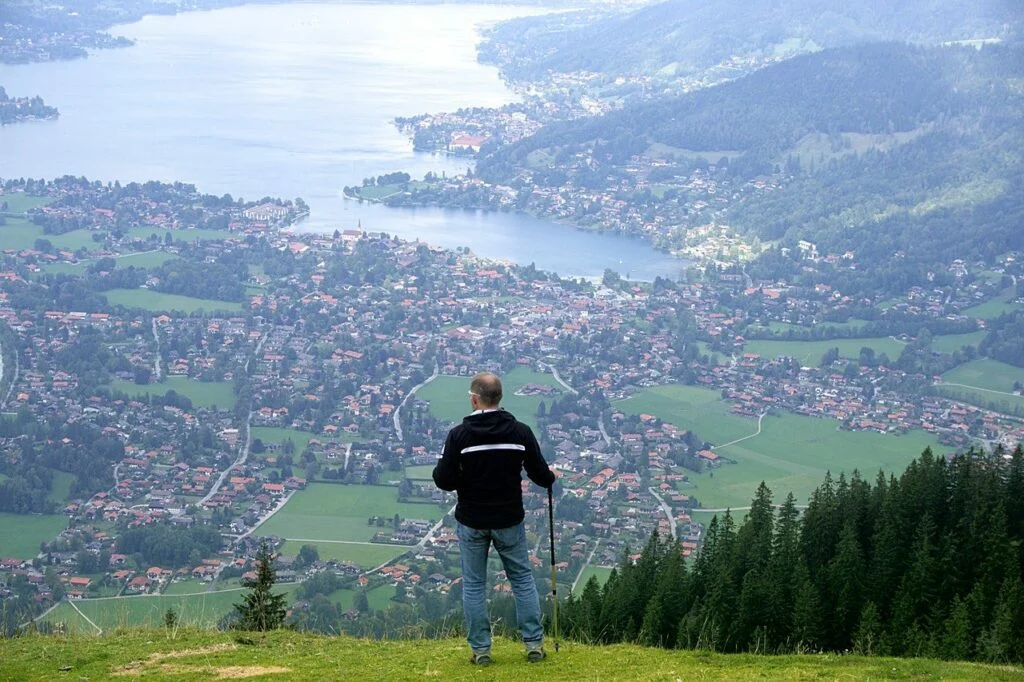
With the unwavering support of his business partners and his family, Zimney embarked on a month-long sabbatical. This period was intentionally structured to facilitate recovery and introspection. His activities during this time included prioritizing sleep, engaging in regular physical exercise, adopting a more nutritious diet, spending quality time in nature, and reconnecting with family and friends. This deliberate disengagement from his professional obligations was designed to foster physical and mental rejuvenation.
The Broader Context of Burnout and Well-being
Zimney’s experience resonates with a growing body of evidence highlighting the prevalence of workplace burnout. Studies consistently indicate that prolonged periods of high stress and demanding work environments can lead to significant physical and psychological health issues. For instance, a 2020 report by the World Health Organization (WHO) recognized burnout as an occupational phenomenon resulting from chronic workplace stress that has not been successfully managed. Symptoms often include feelings of energy depletion or exhaustion, increased mental distance from one’s job, or feelings of negativism or cynicism related to one’s job, and a reduced professional efficacy.
The WHO’s classification underscores that burnout is not a medical condition but rather a consequence of workplace factors. This context makes Zimney’s decision to take a sabbatical particularly insightful, as it represents a proactive measure to address these occupational stressors before they escalate into more severe health problems.
The Sabbatical as a Proactive Measure
Zimney’s proactive approach to his health challenges through a sabbatical offers valuable lessons. His decision was not merely a response to an immediate crisis but a strategic move to ensure long-term well-being and career sustainability. The concept of a sabbatical, historically associated with academic institutions for research and rejuvenation, is increasingly being adopted by professionals across various sectors as a means of preventing burnout and fostering personal and professional growth.
Lessons Learned from Zimney’s Sabbatical
While the original article alluded to "Lessons learned," a deeper exploration based on Zimney’s narrative and common sabbatical outcomes can be inferred:
- Prioritization of Health: The most immediate and impactful lesson for Zimney was the undeniable necessity of placing personal health above all else. His experience demonstrated that pushing through physical and mental fatigue, especially following a traumatic event, can have severe and lasting consequences. This aligns with general health recommendations that emphasize rest and recovery as critical components of overall well-being.
- Re-evaluation of Success Metrics: The sabbatical provided Zimney with the mental space to question his definition of professional success. The relentless pursuit of external validation or hierarchical advancement can often overshadow intrinsic satisfaction and personal fulfillment. His period of reflection likely allowed him to recalibrate his priorities, focusing on the qualitative aspects of his work and life.
- The Importance of Disconnection: In an era of constant connectivity, the ability to truly unplug is a valuable skill. Zimney’s deliberate disengagement from his work allowed his mind and body to recover. This highlights the detrimental effects of a "always-on" work culture and the restorative power of intentional downtime.
- The Value of Nature and Social Connection: Zimney’s inclusion of spending time outdoors and with loved ones in his sabbatical plan underscores the fundamental human need for connection with both the natural world and other people. Research consistently shows that exposure to nature can reduce stress, improve mood, and enhance cognitive function. Similarly, strong social support networks are vital for resilience and overall happiness.
- Preventative Care for Long-Term Sustainability: By taking a sabbatical, Zimney actively engaged in preventative care for his career and life. This approach contrasts with reactive measures taken only when burnout has already taken hold. Such proactive strategies are essential for maintaining a sustainable and fulfilling professional journey, particularly as individuals approach later career stages.
Testing the Waters of Retirement: A Sabbatical’s Dual Purpose
Beyond its immediate restorative benefits, Zimney’s sabbatical also served as an inadvertent "test drive" for retirement. For individuals contemplating their future, especially those nearing traditional retirement ages, a sabbatical can offer a low-risk opportunity to experience a life with significantly reduced professional demands. This allows for exploration of interests, hobbies, and lifestyle changes that might be incorporated into a post-career phase.
The concept of a "retirement test drive" is gaining traction as individuals seek to ensure their retirement years are both fulfilling and sustainable. A sabbatical provides a structured period to:
- Explore New Interests and Hobbies: A sabbatical allows individuals to dedicate time to activities they may have previously put off due to work commitments. This could include learning a new skill, pursuing a passion project, or engaging in volunteer work.
- Assess Lifestyle Preferences: Individuals can use this time to evaluate their preferred daily routines, living arrangements, and social activities without the pressure of a full-time job. This can reveal whether certain lifestyle adjustments are necessary or desirable for retirement.
- Gauge Financial Preparedness (Indirectly): While not a direct financial assessment, experiencing a period of reduced income or different spending patterns can offer indirect insights into financial planning for retirement.
- Understand Personal Well-being Needs: By stepping away from work, individuals can gain a clearer understanding of what truly contributes to their happiness and well-being, which is crucial for planning a fulfilling retirement.
Strategic Applications of Sabbaticals
The application of sabbaticals extends beyond personal crises or pre-retirement planning. Organizations are increasingly recognizing the strategic benefits of offering sabbaticals as part of their employee benefits packages. These benefits can include:
- Enhanced Employee Retention: Offering sabbaticals can be a powerful tool for retaining valuable employees by demonstrating a commitment to their well-being and professional development.
- Increased Creativity and Innovation: Employees returning from sabbaticals often report feeling refreshed, inspired, and more creative, bringing renewed energy and innovative ideas back to their roles.
- Reduced Healthcare Costs: By helping to prevent burnout and reduce stress-related illnesses, sabbaticals can potentially contribute to lower healthcare costs for both individuals and employers.
- Leadership Development: Sabbaticals can provide opportunities for employees to develop new skills, gain broader perspectives, and prepare for future leadership roles.
However, the implementation of effective sabbatical programs requires careful planning. This includes clearly defining eligibility criteria, duration, compensation policies, and the process for returning to work. Companies must also foster a culture that supports and encourages employees to take advantage of such opportunities without fear of professional repercussions.
Broader Societal Implications
The increasing discussion around sabbaticals and the proactive management of professional well-being signals a potential shift in societal attitudes towards work-life balance. As the understanding of mental health and the long-term consequences of chronic stress deepens, there is a growing recognition that sustained productivity is intrinsically linked to individual well-being. Zimney’s experience, while initiated by an unfortunate event, highlights a broader trend towards valuing personal health and deliberate pauses as essential components of a successful and sustainable life, both professionally and personally.
The conversation initiated by individuals like Andy Zimney contributes to a larger discourse on creating work environments that are not only productive but also conducive to the holistic health and longevity of their workforce. The question of "Time for a Sabbatical?" is no longer a fringe consideration but a pertinent inquiry for individuals and organizations navigating the complexities of modern professional life.
Bev Bachel, the author of this article, is a freelance writer based in the Twin Cities who advocates for taking annual month-long sabbaticals. She is also the author of "What Do You Really Want? How to Set a Goal and Go For It! A Guide for Teens." Readers interested in further exploration of retirement-related topics can access "The Retirement Wisdom Podcast."

