

The financial services landscape is currently undergoing a fundamental transformation as artificial intelligence transitions from a speculative technological frontier to an essential operational backbone. This evolution will be on full display at FinovateFall 2026, scheduled to take place from September 9 through 11 in New York City. As one of the premier showcases for financial technology, the event will feature 68 companies delivering live, seven-minute demonstrations of their latest innovations. Among these, a significant cohort of 14 firms has been identified as leaders in the practical application of AI, focusing on enhancing productivity, refining customer relationships, and automating complex internal workflows.

The shift toward "Practical AI" marks a departure from the experimental phase that characterized the industry between 2023 and 2025. Financial institutions are no longer merely exploring large language models (LLMs) for basic internal queries; they are now deploying sophisticated AI agents capable of executing multi-step processes, summarizing complex regulatory filings, and providing real-time behavioral interventions. The upcoming New York showcase serves as a critical barometer for how banks, credit unions, and fintechs will navigate a marketplace that increasingly demands both hyper-personalization and extreme operational efficiency.
The Evolution of the Finovate Stage and the 2026 Context
Finovate has long been regarded as the definitive platform for fintech debuts, dating back to its inception in 2007. The 2026 iteration reflects a global banking sector that has become more discerning regarding technology spend. Following several years of aggressive investment in digital transformation, the current emphasis is on Return on Investment (ROI) and the "human-in-the-loop" model, where AI augments rather than replaces the workforce.
The three-day event in New York is expected to draw thousands of attendees, including venture capitalists, bank executives, and regulatory experts. The 14 highlighted companies represent a cross-section of the industry, addressing pain points in wealth management, operational knowledge, credit union member services, and marketing automation.
Specialized AI Assistants for Wealth Management and Advisory
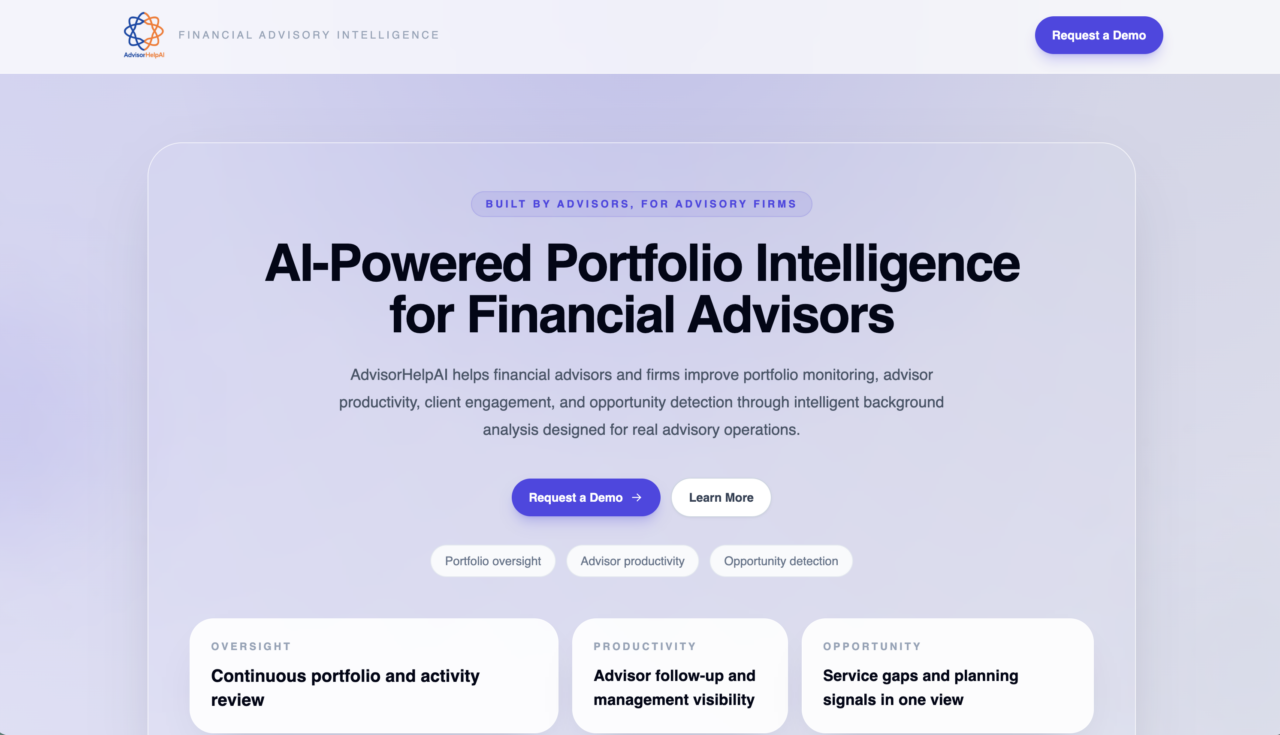
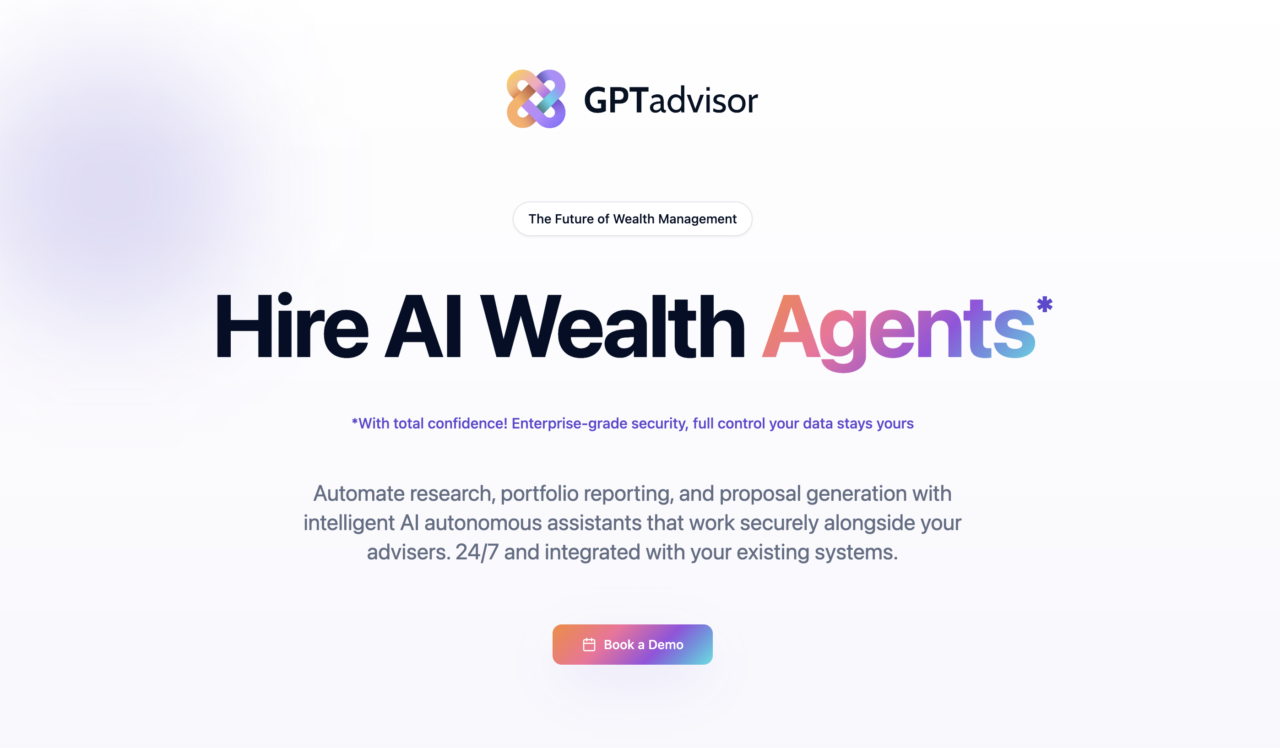
Wealth management is perhaps the sector most ripe for AI integration, as advisors struggle to balance high-touch client service with increasing administrative burdens. Two firms, AdvisorHelpAI and GPTAdvisor, are at the forefront of this movement.

AdvisorHelpAI provides a specialized assistant designed to navigate the intricate knowledge bases of wealth management firms. By summarizing lengthy client documents and preparing advisors for meetings with data-driven insights, the platform aims to reclaim hours of lost time. Similarly, GPTAdvisor utilizes generative AI to automate research and client communications, allowing advisors to focus on high-value strategic planning. Industry analysts suggest that by 2027, the use of such "advisor copilots" could increase the average client-to-advisor ratio by 25% without a decrease in service quality.
Enhancing Operational Efficiency and Knowledge Management
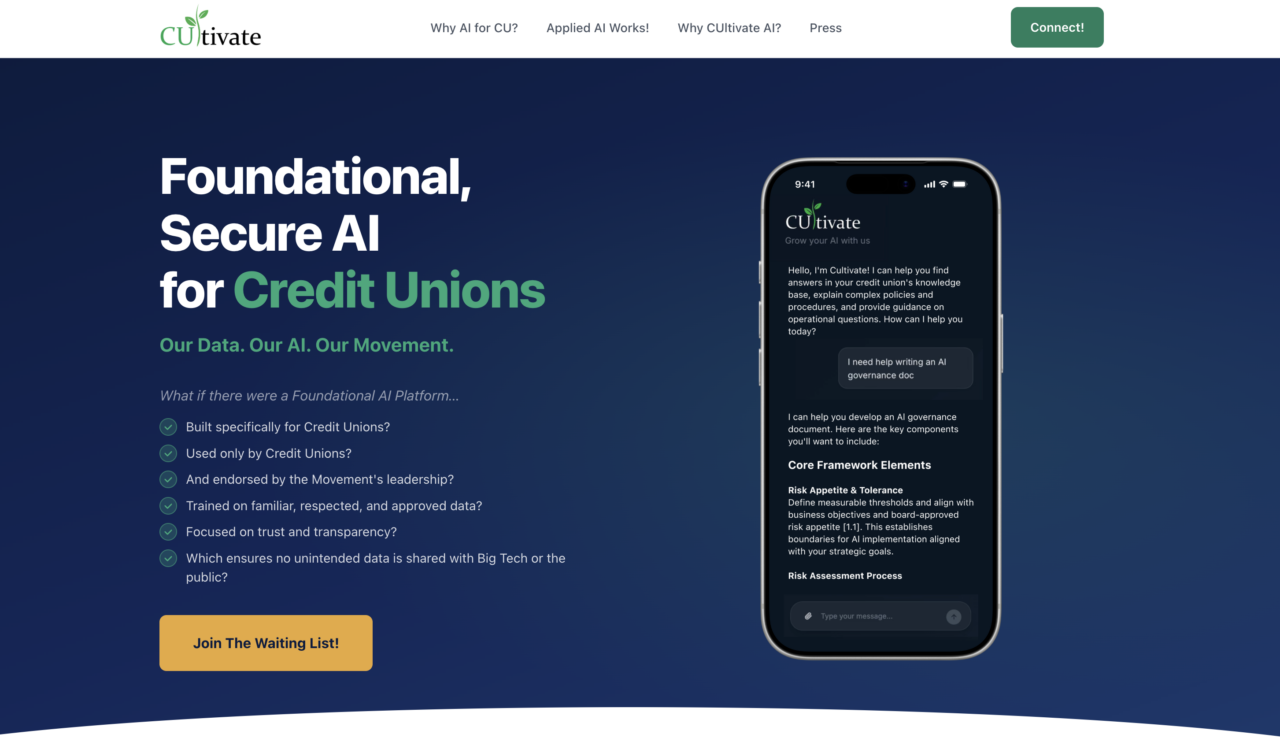
A recurring theme at FinovateFall 2026 is the challenge of institutional "brain drain" and the difficulty of accessing internal procedures. Covecta and CUltivate are tackling this by turning static documentation into conversational intelligence. Covecta’s platform organizes institutional knowledge, making it instantly searchable for employees, while CUltivate focuses specifically on the unique regulatory and operational needs of credit unions.
For frontline staff, the pressure to maintain compliance while delivering fast service is immense. ScreenSteps and Titan AI are addressing this through real-time guidance and task automation. ScreenSteps delivers step-by-step instructions within existing workflows, ensuring that complex banking processes are completed accurately. Titan AI complements this by automating routine operational tasks, reducing the manual effort required for day-to-day banking activities.
Redefining the Customer and Member Experience
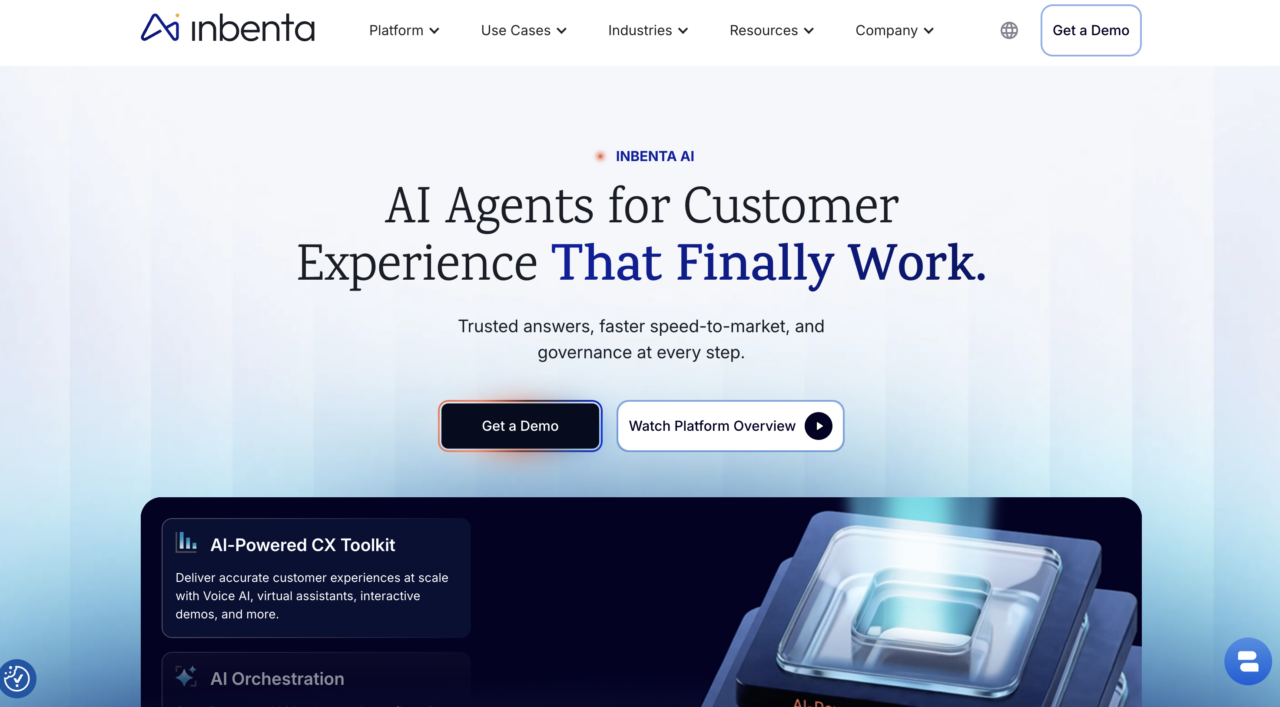
The application of AI in customer-facing roles has moved beyond the rudimentary chatbots of the past. Inbenta is showcasing a platform that combines conversational AI with intelligent search, allowing for seamless escalation from automated systems to human representatives. This hybrid approach ensures that customers receive immediate answers for simple queries while maintaining access to human empathy for complex issues.
Ventus AI and FinzeeAI represent more radical shifts in customer engagement. Ventus AI focuses on "semantic customer intelligence," transforming raw transaction data into dynamic personas. This allows banks to detect life events—such as a client preparing to buy a home or start a business—well before the customer explicitly informs the bank.
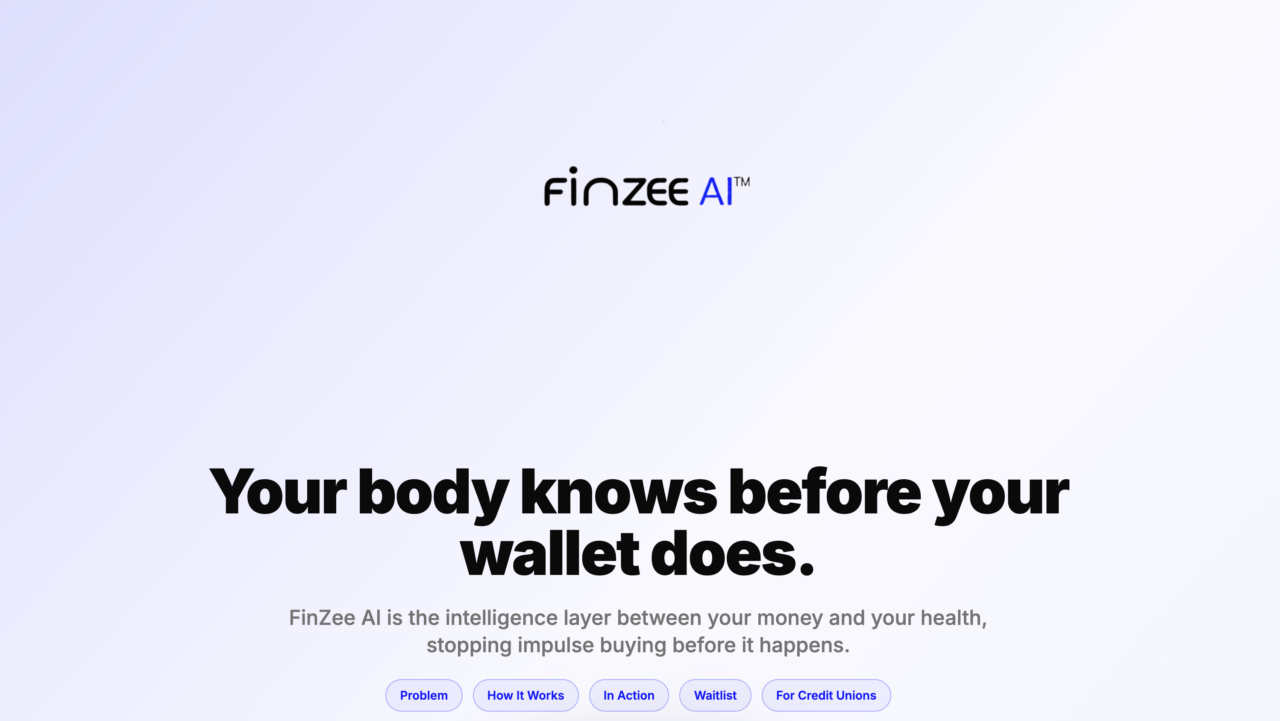
FinzeeAI introduces a health-wealth convergence model. By connecting biometric data from wearables to financial decision-making platforms, FinzeeAI can intervene in real-time when a user’s physiological stress signals indicate an impulse purchase. This level of intervention suggests a future where banks play a proactive role in the holistic well-being of their members.
Technical Infrastructure and Data Analytics
As AI becomes more prevalent, the infrastructure required to support it must become more robust. Palomonte Labs’ Cube2 is a notable entry in this category, making financial APIs "AI-readable." This allows developers to build AI agents that can safely execute financial integrations and automate business workflows.
On the analytics front, Pyramid Insights and Vertice Analytics AI are leveraging AI to derive meaning from massive datasets. Pyramid Insights helps institutions identify trends and performance metrics that might otherwise remain buried in operational silos. Vertice Analytics AI takes this a step further with its OPTIMIZE tool, which autonomously plans and executes multi-channel marketing campaigns. By providing AI-generated, compliant, and personalized marketing with one-click human approval, the platform represents a significant shift toward autonomous marketing departments.
Supporting the Workforce: Training and Employee Development
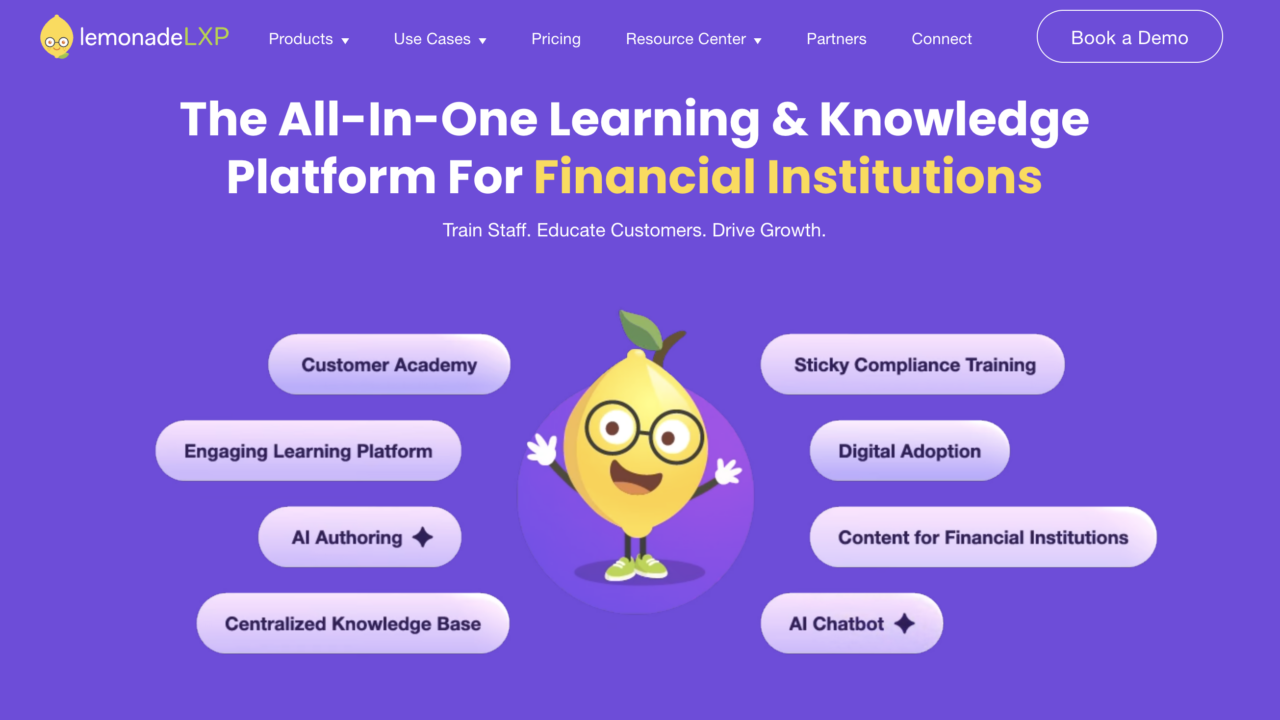
The human element remains central to the AI discussion. Lemonade LXP is demonstrating how AI can be used to train and support employees through personalized learning experiences. Rather than static manuals, employees are guided through dynamic scenarios that help them stay compliant and build confidence in their roles. This focus on "augmented intelligence" suggests that the most successful financial institutions will be those that use technology to elevate their staff’s capabilities.
Market Analysis and Supporting Data
The surge in AI applications showcased at FinovateFall 2026 is supported by broader industry trends. According to a 2025 report by McKinsey & Company, generative AI could add between $200 billion and $340 billion in value annually to the global banking sector through increased productivity. Furthermore, a survey conducted by Gartner indicates that 82% of banking executives believe that AI will be a "necessary" component of their technology stack by the end of 2026.
Despite this optimism, the path to implementation is not without hurdles. Data privacy, regulatory compliance (specifically the EU AI Act and emerging US frameworks), and the risk of "hallucinations" in LLMs remain top concerns. The companies presenting in New York are expected to address these challenges head-on, showcasing the security protocols and "human-in-the-loop" safeguards they have integrated into their platforms.
Official Responses and Industry Sentiment
While formal statements from all 68 demoing companies are reserved for the event itself, early sentiment from the fintech community is one of pragmatic optimism. "The era of AI experimentation is over," noted one industry veteran familiar with the Finovate lineup. "What we are seeing now is the industrialization of AI. Banks aren’t looking for magic; they’re looking for tools that make their loan officers faster and their compliance officers more accurate."

Credit union advocates have expressed particular interest in platforms like CUltivate and FinzeeAI. Small to mid-sized institutions often lack the R&D budgets of global giants, making the "plug-and-play" intelligence offered by these fintechs vital for remaining competitive against digital-native banks.
Broader Impact and Long-term Implications
The innovations presented at FinovateFall 2026 will likely set the tone for the 2027 fiscal year. As AI agents become more capable of navigating financial APIs and executing complex workflows, the definition of a "bank account" may shift from a passive repository of funds to an active, AI-managed financial concierge.

The long-term impact on the labor market remains a point of intense discussion. While the focus at Finovate is on productivity and augmentation, the automation of "knowledge work" will inevitably lead to a re-evaluation of roles within the financial sector. The rise of AI-assisted employee guidance tools suggests that the barrier to entry for complex banking roles may lower, while the demand for strategic oversight and emotional intelligence will increase.
In conclusion, FinovateFall 2026 represents a pivotal moment for the financial services industry. The 14 companies highlighted—ranging from AdvisorHelpAI to Vertice Analytics AI—are not just showcasing new features; they are defining the operational standards of the near future. For banks and credit unions, the event is a reminder that in an increasingly automated world, the ability to work "smarter" is no longer a luxury, but a requirement for survival in the digital age.

