
Cyberattacks on municipal water systems have surged across at least seven states this week, according to a critical joint public service announcement issued by the Federal Bureau of Investigation (FBI) and the Environmental Protection Agency (EPA). These coordinated intrusions, federal agencies confirmed, have in some instances progressed beyond mere reconnaissance, actively degrading water operations and forcing utilities to resort to manual controls. While the exact states affected were not immediately disclosed by federal authorities, the urgency of the warning underscores a rapidly escalating threat to America’s vital water infrastructure.
The Week’s Disturbing Developments: Minnesota at the Epicenter
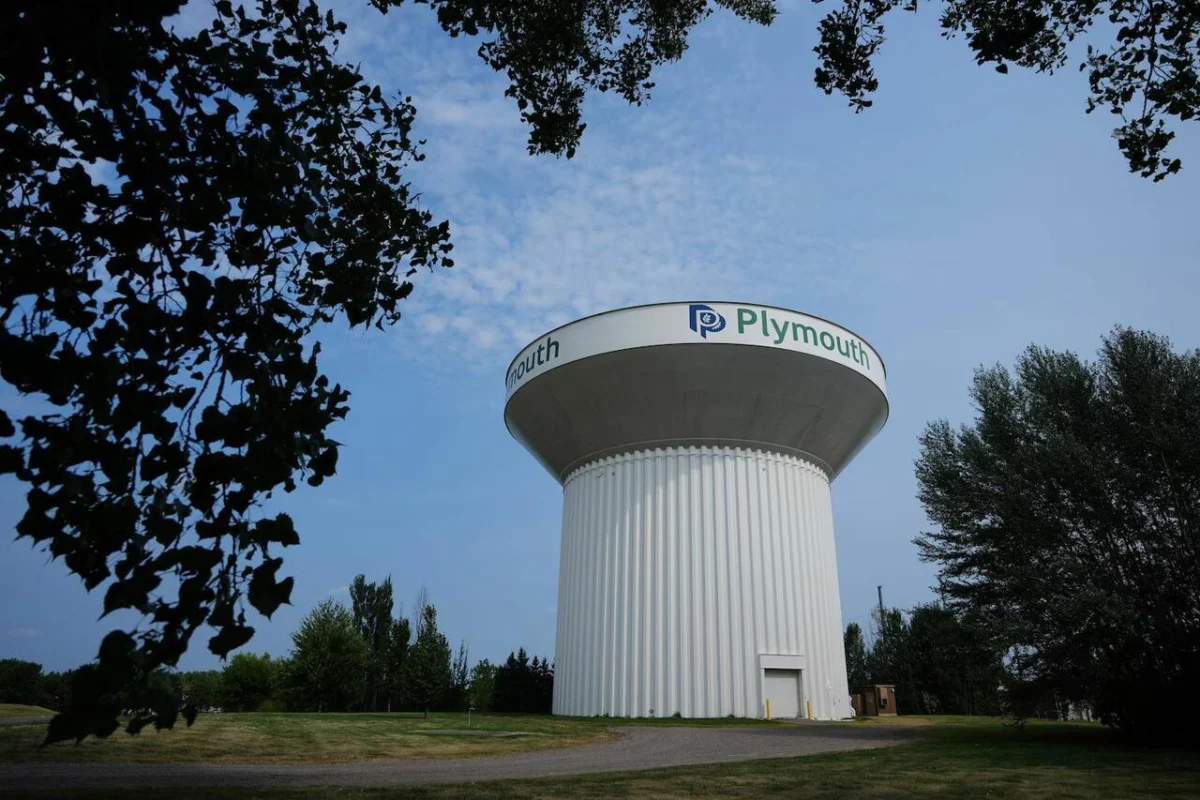
The federal alert comes just days after a "coordinated cyberattack" crippled more than 30 community water systems in Minnesota between July 26 and 27. This series of highly disruptive incidents provides a stark illustration of the vulnerabilities plaguing municipal utilities. The small town of Braham saw its water plant knocked entirely offline for an extended period, while larger communities like Plymouth and South St. Paul were forced to switch to manual operations, a labor-intensive and less efficient method of managing water distribution. The severity of the situation in Maple Plain even necessitated a local state of emergency declaration, highlighting the immediate and tangible impact on public services.
The operational playbook employed by the attackers was disturbingly simple yet highly effective. Federal officials described a pattern where malicious actors remotely accessed internet-facing operational technology (OT) — systems that control physical processes like pumps, valves, and chemical treatments. Once inside, they swiftly changed device IP addresses and passwords, effectively locking utility operators out of their own monitoring and control systems. This method, detailed in an NBC News report, exposed a fundamental weakness in many water utility cybersecurity postures: the direct exposure of critical operational technology to the public internet, often secured with rudimentary or default passwords.
Alarming Vulnerabilities: A Persistent Security Gap
The revelations from these attacks have brought into sharp focus the long-standing, critical cybersecurity deficiencies within the U.S. water sector. The FBI and EPA’s public service announcement, linked to an advisory from the Internet Crime Complaint Center (IC3), implored utilities to implement what many cybersecurity experts consider the absolute bare minimum of protection. This includes relocating Programmable Logic Controllers (PLCs) – the industrial computers that automate water treatment and distribution processes – off the open internet and placing them behind robust gateways and firewalls. Furthermore, the agencies stressed the non-negotiable need for strong, unique passwords and strict access controls to limit communication between devices.
The sobering reality, as underscored by the federal agencies, is that in the year 2026, a significant portion of the machines responsible for managing America’s drinking water remain directly accessible from the public internet, some protected by absurdly simple, easily guessed passwords. This antiquated approach to cybersecurity leaves critical infrastructure vulnerable to even unsophisticated attackers, posing an unacceptable risk to public health and safety. The convergence of information technology (IT) and operational technology (OT) environments, while offering efficiencies, has also expanded the attack surface, creating new challenges for under-resourced utilities.
Federal Agencies Sound the Alarm: Warnings and Recommendations
In response to the escalating threat, the Cybersecurity and Infrastructure Security Agency (CISA) followed with its own advisory on Thursday, AA26-097a. This advisory explicitly warned that "Iranian-affiliated actors" are actively targeting U.S. critical infrastructure, specifically including water and wastewater systems. This CISA update built upon guidance first issued in April, reiterating a persistent and evolving threat from state-sponsored entities. The agency noted that some of the more significant intrusions into the water sector have resulted in severe consequences, such as the issuance of boil-water notices and forcing treatment plants to operate in a precarious manual mode for extended periods. CISA’s overarching recommendation, a message it has consistently delivered for years, remains unequivocal: eliminate direct internet access to industrial control systems.
The federal government’s increasing focus on the water sector reflects a growing recognition of its strategic importance. The EPA, for instance, has been working to enhance resilience in the water and wastewater sectors, but progress has been slow, particularly among smaller, often rural, utilities that lack the financial resources and cybersecurity expertise of larger entities. These federal warnings serve as a stark reminder that while the attacks might appear localized, their implications are national, touching upon critical infrastructure security and the broader landscape of cyber warfare.
The Contentious Issue of Attribution: A Geopolitical Chess Match
The question of who is responsible for these attacks, particularly the widespread incidents in Minnesota, has quickly become a point of contention within Washington. Multiple U.S. officials have informed ABC News that preliminary investigations suggest a potential link to Iran for the Minnesota attacks. This assessment, while subject to change as forensic analysis continues, points towards the involvement of state-sponsored actors. Cybersecurity veteran Morgan Wright, founder of the National Center for Open and Unsolved Cases, echoed this sentiment in an interview with The Hill, citing the CISA advisory as a key indicator. Wright argued that while the U.S. maintains dominance in traditional domains like land and sea, cyberspace is an arena where adversaries like Iran can effectively "punch above their weight class," leveraging asymmetric capabilities to achieve strategic objectives.
However, the narrative is not monolithic. Former President Trump, speaking to reporters at Camp David, dismissed the Iran theory, stating, "Iran should be so lucky." He instead attributed the incidents to what he characterized as the "grossly incompetent and corrupt leadership" of Minnesota Governor Tim Walz, suggesting that Tehran has more pressing concerns than "the Gopher State’s pump stations." This divergence in attribution highlights the complexities inherent in cybersecurity investigations, where technical evidence must be carefully weighed against broader threat intelligence and geopolitical considerations. Federal officials caution against premature conclusions, emphasizing that accurate attribution requires meticulous technical analysis alongside comprehensive intelligence gathering to avoid what they describe as "nakedly transparent propaganda." The geopolitical stakes are high, and misattribution could have significant international repercussions.
A Troubling History: Precedent for Water Sector Intrusions
The recent wave of attacks is not an isolated phenomenon but rather the latest chapter in a troubling history of cyber intrusions targeting critical water infrastructure. This pattern underscores a systemic vulnerability and the persistent efforts of various malicious actors.
-
November 2023: Aliquippa, Pennsylvania. The IRGC-linked group CyberAv3ngers seized control of a device at the Municipal Water Authority of Aliquippa. This attack was highly publicized, with the attackers replacing the control system’s operational interface with a message bearing their logo and the slogan "EVERYTHING FOR ISRAEL." The target was an Israeli-made Unitronics Vision Series PLC, chosen partly for its symbolic value in the context of geopolitical tensions. This incident served as a stark reminder of how international conflicts can spill over into domestic critical infrastructure.
-
Early 2024: Muleshoe, Texas and Poland. The "Cyber Army of Russia Reborn" claimed responsibility for attacks on water facilities in both the U.S. and Poland. In Muleshoe, Texas, the breach reportedly led to the dumping of tens of thousands of gallons of water, demonstrating the potential for physical disruption and waste. These incidents highlighted the active involvement of Russian-affiliated groups in targeting Western critical infrastructure.
-
October 2024: American Water. American Water, the largest regulated water utility in the country, serving over 14 million people across 14 states and 18 military installations, was forced to shut down some of its computer systems following a cyberattack. While the full extent of the impact was not publicly detailed, the sheer scale of American Water’s operations meant that any disruption carried significant national security and public health implications.
-
Ongoing Threat: Beijing’s Volt Typhoon. CISA has repeatedly warned about the activities of Beijing-backed Volt Typhoon, a sophisticated threat actor that has spent years quietly pre-positioning inside U.S. critical-infrastructure networks. Their objective appears to be to establish persistent access that could be leveraged for disruptive attacks during a future crisis or conflict, underscoring a long-term strategic threat.
-
Weeks Ago: California Water Service. The Iranian Ministry of Intelligence and Security (MOIS)-linked "Handala" persona claimed to have compromised California Water Service, which serves approximately 2 million customers. This breach allegedly resulted in the leakage of 5 gigabytes of data. Following the attack, Handala publicly vowed via Tehran’s Press TV to continue targeting U.S. industrial control systems, signaling a clear intent to escalate cyber operations against critical infrastructure.
This chronology paints a grim picture of a sector under constant assault from a diverse array of threat actors, ranging from politically motivated hacktivists to sophisticated state-sponsored groups.
Broader Implications: National Security, Public Health, and Economic Impact
The sustained targeting of municipal water systems carries profound implications for national security, public health, and the economy. Safe and reliable drinking water and wastewater services are fundamental pillars of modern society. Any significant disruption can quickly lead to widespread public panic, health crises (such as outbreaks of waterborne diseases like cholera or typhoid if treatment processes are compromised), and severe economic damage from remediation efforts, business closures, and loss of public confidence.
From a national security perspective, these attacks represent a form of "grey zone" warfare, allowing adversaries to test vulnerabilities, project power, and sow discord without triggering a conventional military response. The ability to disrupt essential services can be a powerful leverage point in geopolitical conflicts. The economic costs extend beyond immediate recovery efforts, encompassing long-term investments in upgraded infrastructure, cybersecurity personnel, and potential legal liabilities. The psychological impact on communities, particularly those forced onto boil-water advisories or without access to potable water, can be substantial, eroding trust in government and public utilities.
The Imperative for Resilience: Securing America’s Water Future
The recurring nature and increasing sophistication of these cyberattacks demand an urgent and comprehensive response. Securing America’s water infrastructure requires a multi-faceted approach that goes beyond the "bare minimum" and embraces a proactive, resilient strategy.
Firstly, there is an imperative for significant federal and state investment to modernize the cybersecurity posture of water utilities, particularly smaller, rural systems that often lack the resources to implement robust defenses. This includes funding for threat detection tools, incident response planning, employee training, and the adoption of secure network architectures that isolate OT from public-facing networks.
Secondly, mandatory cybersecurity standards, potentially enforced by federal agencies like the EPA and CISA, are becoming increasingly necessary. While voluntary guidelines exist, the current threat landscape suggests that stronger regulatory frameworks may be required to ensure universal adoption of best practices. These standards should cover everything from supply chain security for industrial control systems to regular vulnerability assessments and penetration testing.
Thirdly, enhanced collaboration between federal agencies, state and local governments, and private sector partners is crucial. Information sharing about threats, vulnerabilities, and effective countermeasures must be seamless and rapid. Public-private partnerships can leverage private sector expertise to bolster public sector defenses.
Finally, a cultural shift within utilities themselves is needed, prioritizing cybersecurity as a core operational function, not merely an IT afterthought. This includes regular training for all personnel, from operators to administrators, to recognize and respond to cyber threats. The path forward is long and challenging, but the uninterrupted provision of clean, safe water is a non-negotiable aspect of national security and public well-being, demanding immediate and sustained attention.

