
The Financial Independence, Retire Early (FIRE) movement, a philosophy advocating for aggressive saving and investment to achieve early retirement, is facing renewed scrutiny regarding its contemporary applicability. A recent critical comment from a reader, highlighting concerns that traditional FIRE advice may no longer be relevant for individuals not working in high-paying tech sectors or those who did not purchase homes before the significant market shifts of 2019, has prompted a deeper examination of the movement’s enduring principles. This critique posits that the prevailing narratives from early FIRE proponents, often characterized by high six-figure salaries and pre-2019 affordable housing acquisitions, fail to resonate with the economic realities of a post-pandemic world marked by soaring housing costs, elevated interest rates, and complex urban planning regulations.
Background and the Rise of FIRE
The FIRE movement gained significant traction in the early 21st century, particularly through online communities and blogs. Its core tenets revolve around maximizing savings rates, minimizing expenses, and investing wisely to build a portfolio large enough to cover living expenses indefinitely, typically using the "4% rule" as a withdrawal guideline. Early adherents often shared stories of rapid wealth accumulation, facilitated by high incomes, frugal lifestyles, and opportune investments in real estate or the stock market. Many early success stories indeed emerged from sectors like technology, where high salaries provided a substantial base for aggressive savings. The period leading up to 2019 was generally characterized by relatively stable housing markets in many regions and a prolonged bull run in equities, creating an environment conducive to the rapid accumulation of wealth for those who followed FIRE principles.

The Contemporary Challenge: Income and Housing Affordability
The reader’s commentary specifically targets two primary factors: the perceived necessity of a six-figure tech salary and the dramatic escalation of housing prices coupled with restrictive housing policies. The argument suggests that without these advantages, common FIRE strategies like "house hacking" (buying a multi-unit property and living in one unit while renting out others) or purchasing "fixer-uppers" are either financially out of reach or legally impractical due to stringent local zoning laws preventing the conversion of single-family homes into accessory dwelling units (ADUs) or multiple rental units. This reflects a broader societal anxiety about declining affordability and increasing barriers to entry for homeownership.
Expert Rebuttal: Distinguishing Principles from Circumstances
Proponents of the FIRE movement, however, argue that these criticisms often confuse fundamental principles with transient economic conditions or individual circumstances. According to prominent FIRE advocate MrMoneyMustache (MMM), while external factors like high salaries and favorable market conditions can accelerate the journey to financial independence, they are not prerequisites for its achievement. Instead, the focus remains on controlling spending and optimizing resource allocation.
"The existence of software engineers and doctors and other high earners who are my age and still feeling financial stress is proof of this: it’s mathematically impossible to earn so much for almost 30 years and not have an absolute shit-ton saved, unless you are also spending an absolute shit-ton of money the whole time," MMM states, underscoring the universal importance of expenditure management over income maximization. This perspective suggests that waste reduction and purposeful spending are critical skills, particularly for those on lower or average incomes, and remain central to the Mustachian philosophy.
Analyzing Housing Market Dynamics: Data-Driven Insights
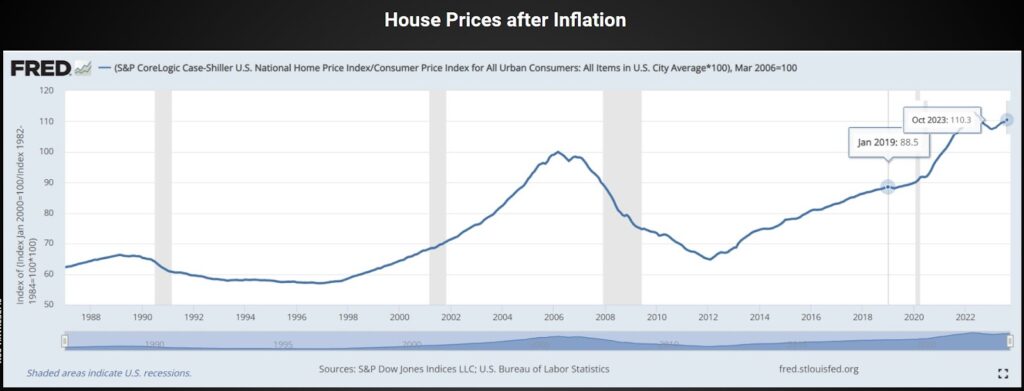
The housing market, identified as a significant barrier by critics, warrants a closer look. Data from the St. Louis Federal Reserve (FRED) provides crucial insights into real (inflation-adjusted) house price changes. According to FRED data, U.S. house prices have increased approximately 25% since the beginning of 2019, relative to average salaries and the overall cost of goods and services. This substantial surge, occurring over a relatively short period, indeed presents a significant challenge for prospective homeowners. However, when viewed over a longer historical span, the increase is less dramatic; inflation-adjusted house prices are only about 10% higher than their last peak in early 2006, nearly two decades ago.
This national aggregate, however, masks considerable regional disparities. In highly desirable areas, such as Longmont, Colorado, the median home price has reportedly tripled since 2011, now standing at approximately $540,000. This translates to an average of $450 per interior square foot, making homeownership considerably less accessible for the average earner in such locales. This phenomenon is not unique to Colorado but is mirrored in many metropolitan areas experiencing rapid population growth and limited housing supply, exacerbating the feeling of being "priced out."
The Strategic Imperative of Geographical Arbitrage
In response to these localized housing crises, FIRE proponents advocate for a strategy known as "geographical arbitrage." This involves consciously choosing to live in an area where the cost of living, particularly housing, aligns better with one’s financial goals and income. The premise is that housing, like any other commodity, is subject to supply and demand, and prices vary widely. The decision to reside in a specific location, even one where an individual was born and raised, is framed as a choice rather than an unalterable destiny.
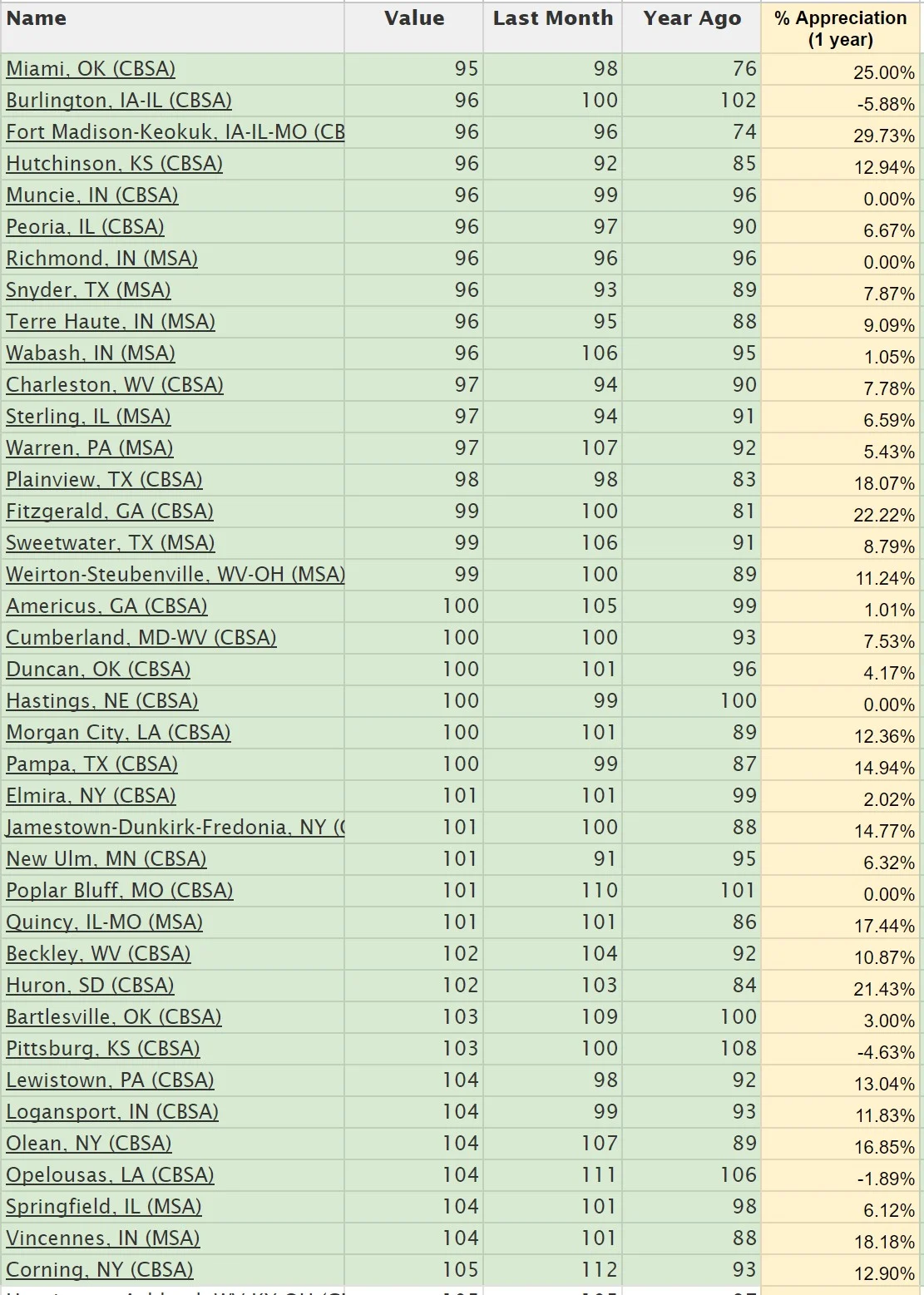
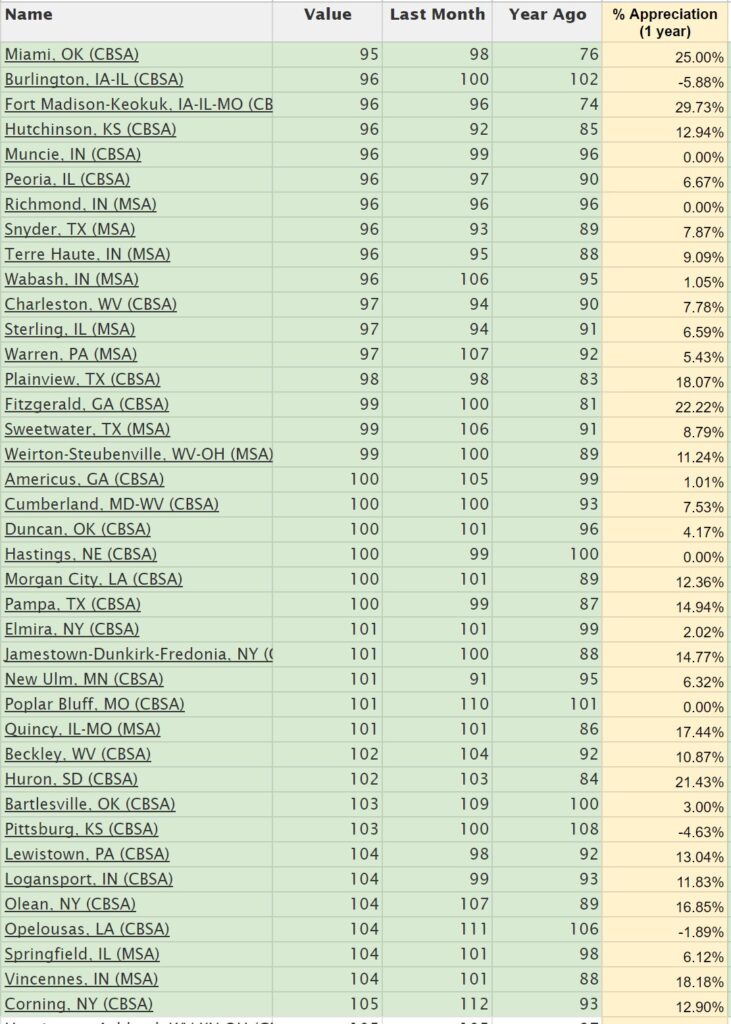
This strategy necessitates a critical evaluation of one’s ties to a particular location, distinguishing between genuine, positive bonds and mere inertia or fear of change. The irrational patterns of house prices across different regions – exorbitant in some, remarkably affordable in others – create opportunities for those willing to relocate. For instance, while Longmont, Colorado, currently commands $450 per square foot, other cities might offer comparable or even superior amenities at a fraction of the cost. The St. Louis Fed’s extensive database of over 1,000 metro areas, detailing price per square foot, becomes an invaluable tool for identifying these discrepancies. By analyzing such data, individuals can identify cities where a 2,000-square-foot house might cost around $200,000 ($100 per square foot), thereby making homeownership a tangible goal even without a six-figure salary.
Expanding Horizons: International Relocation and Global Opportunities
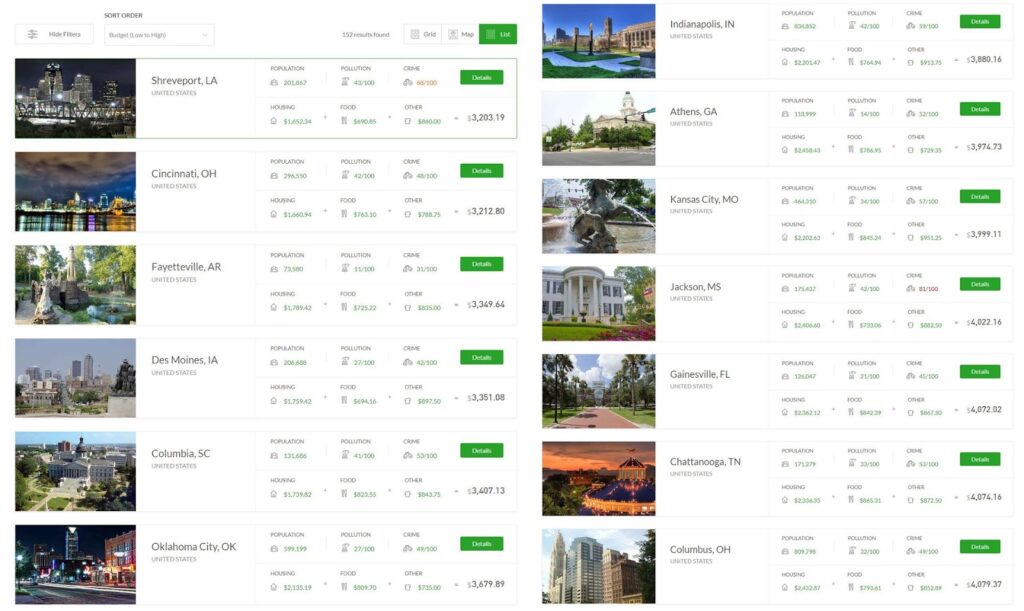
The concept of geographical arbitrage extends beyond national borders. International relocation presents an even wider array of cost-effective living options. Platforms like "The Earth Awaits," a FIRE blogger-created resource, allow users to filter cities worldwide based on budget, family size, apartment type, and climate preferences. A hypothetical search for a two-person household with a monthly budget up to $6,000, seeking a two-bedroom apartment outside a city center in North America with January lows not colder than 10°F, might yield results such as Fayetteville, Arkansas; Columbia, Missouri; or Athens, Georgia. These cities often boast populations in the 50,000-200,000 range, offering a balance of amenities and a more manageable cost of living compared to major urban centers.
For the more adventurous, similar searches in regions like South America reveal even lower living expenses. While moving to a new country introduces complexities related to citizenship, visas, laws, and cultural adjustments, FIRE advocates frame these as "Adulting Puzzles"—manageable administrative tasks that are ultimately far less burdensome than decades of extended work due to an unaffordable cost of living. The underlying message is that adaptability and a willingness to embrace new experiences are potent tools in the pursuit of financial independence.
Implications for Financial Planning and Lifestyle Choices
The ongoing debate surrounding FIRE’s relevance highlights several critical implications for modern financial planning:
- Prioritizing Spending Efficiency: The emphasis on streamlining spending and reducing waste, regardless of income level, remains a cornerstone. This principle suggests that financial freedom is more about the gap between income and expenses than the absolute level of income.
- Challenging Location Bias: The significant disparity in housing costs underscores the need for individuals to critically assess their geographical preferences. A rigid attachment to a high-cost area can severely impede financial progress, while flexibility can unlock significant savings and accelerate the path to independence.
- Data-Driven Decision Making: Relying on objective data from sources like the Federal Reserve and specialized cost-of-living tools empowers individuals to make informed choices about where to live, rent, or buy. This moves financial planning from anecdotal evidence to empirical analysis.
- Promoting Mobility and Adaptability: The economic landscape is dynamic. The ability to adapt, including considering relocation, is becoming an increasingly valuable asset in personal finance. This extends beyond housing to career choices and investment strategies.
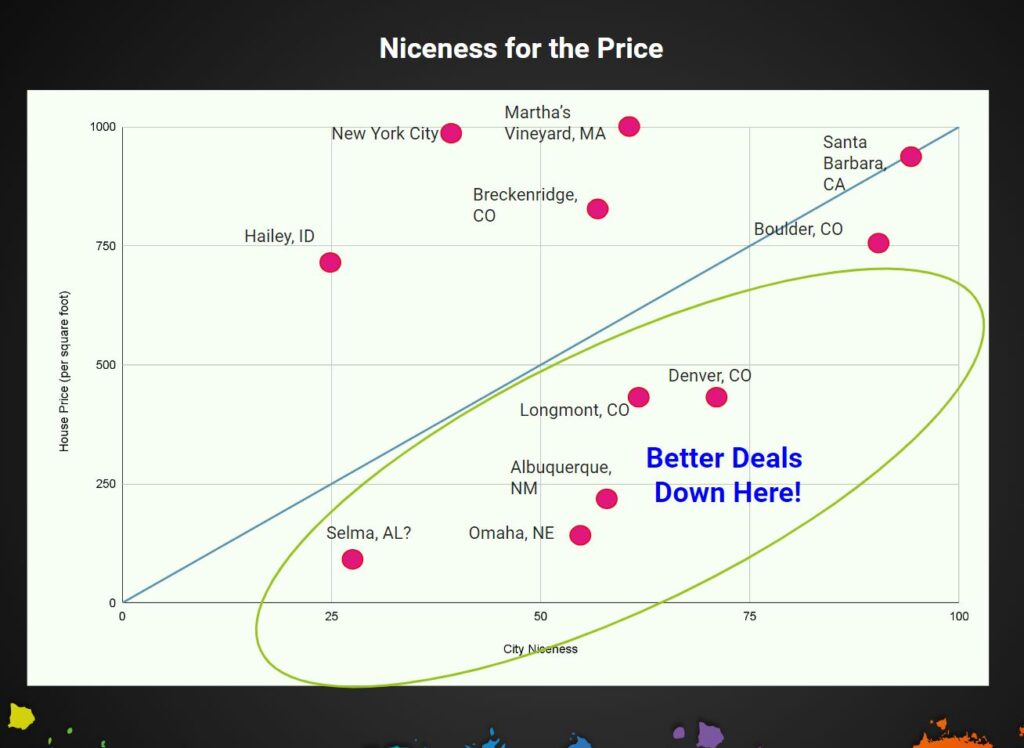
- Rethinking "Nice for the Price": The concept of balancing quality of life with cost is crucial. A lower-cost area might offer a higher quality of life, depending on individual priorities (e.g., access to nature, community feel, climate), challenging the assumption that higher cost always equates to higher desirability.
Conclusion: The Enduring Principles of Mustachianism
In conclusion, while the economic environment has undeniably shifted since the early days of the FIRE movement, the fundamental principles championed by its proponents remain robust. The core message is not that financial independence is easy or universally achievable without effort, but that it is a strategic choice demanding thoughtful consideration and often, a willingness to challenge conventional societal norms. High incomes and pre-2019 housing markets may have provided a tailwind for some, but the enduring power of FIRE lies in its emphasis on conscious spending, efficient living, and the strategic deployment of personal agency, particularly regarding housing decisions and geographical flexibility. The debate serves as a crucial reminder that financial freedom is less about external circumstances and more about internal choices and the proactive pursuit of opportunities, wherever they may lie.

