
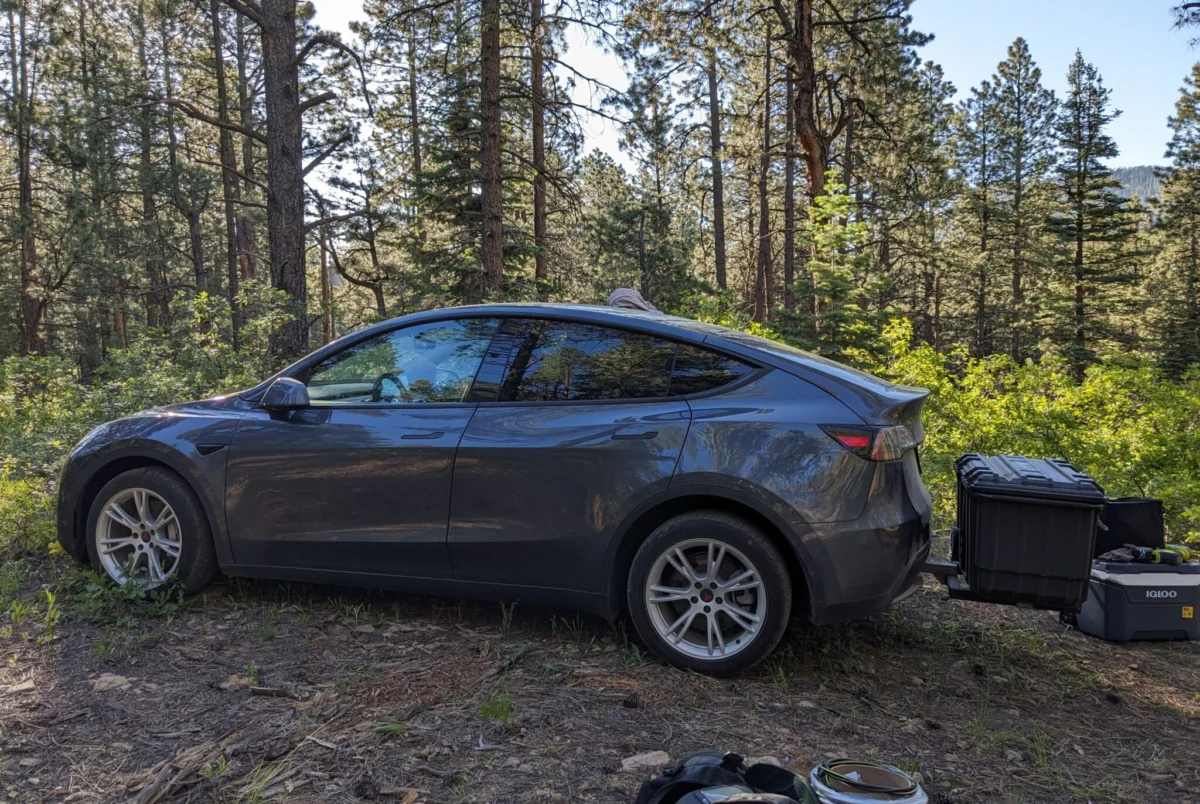
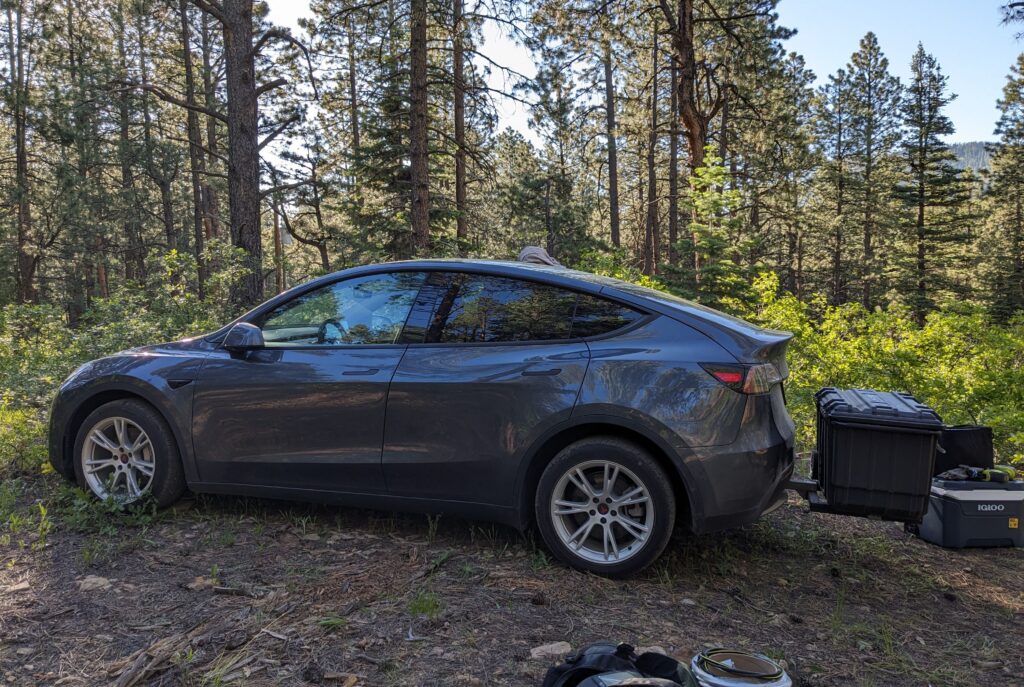
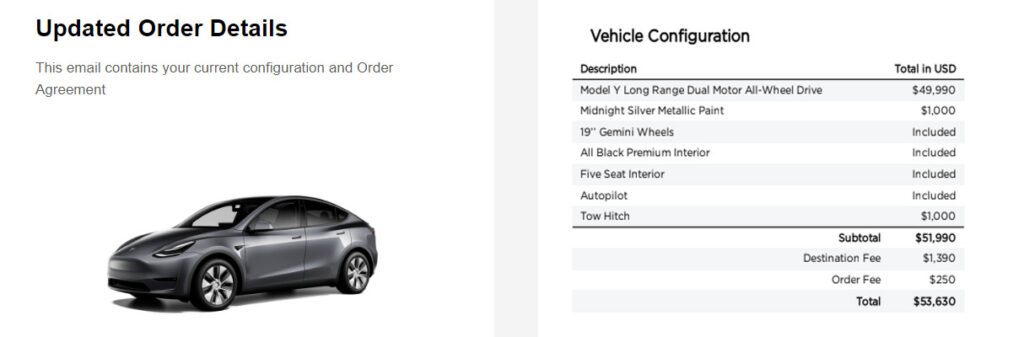
Mr. Money Mustache (MMM), the influential voice behind the Financial Independence, Retire Early (FIRE) movement, has made headlines with the acquisition of a 2023 Tesla Model Y. This purchase, valued at approximately $52,000 after tax credits, marks a notable departure from his long-standing advocacy for extreme frugality and aversion to consumerist car culture, replacing a 23-year-old Honda van he bought for $4,500 over a decade ago. The move is not merely a personal upgrade but a public declaration of an evolving financial philosophy, prompting reflection on the psychological complexities of wealth accumulation and judicious spending in retirement.
The Paradigm Shift: From Austerity to Intentional Spending
The decision to purchase a Tesla Model Y, described by MMM as a "rather expensive, luxury ‘crossover’ absolutely loaded to the gills with excess," represents a significant philosophical shift for a blogger whose brand is synonymous with extreme saving and minimalist living. The vehicle boasts all-wheel drive, acceleration comparable to high-performance sports cars, seating for seven, and advanced computational capabilities, starkly contrasting with the utilitarian ethos often promoted within the FIRE community. The net cost of $52,000, even after factoring in various federal and state tax credits designed to incentivize electric vehicle adoption, stands as a substantial investment, particularly when compared to the $4,500 acquisition price of the Honda van it replaces. That venerable Honda served MMM diligently for twelve years, traversing mountains and deserts and even assisting in local community rebuilding efforts, embodying the principle of maximizing utility from minimal investment.
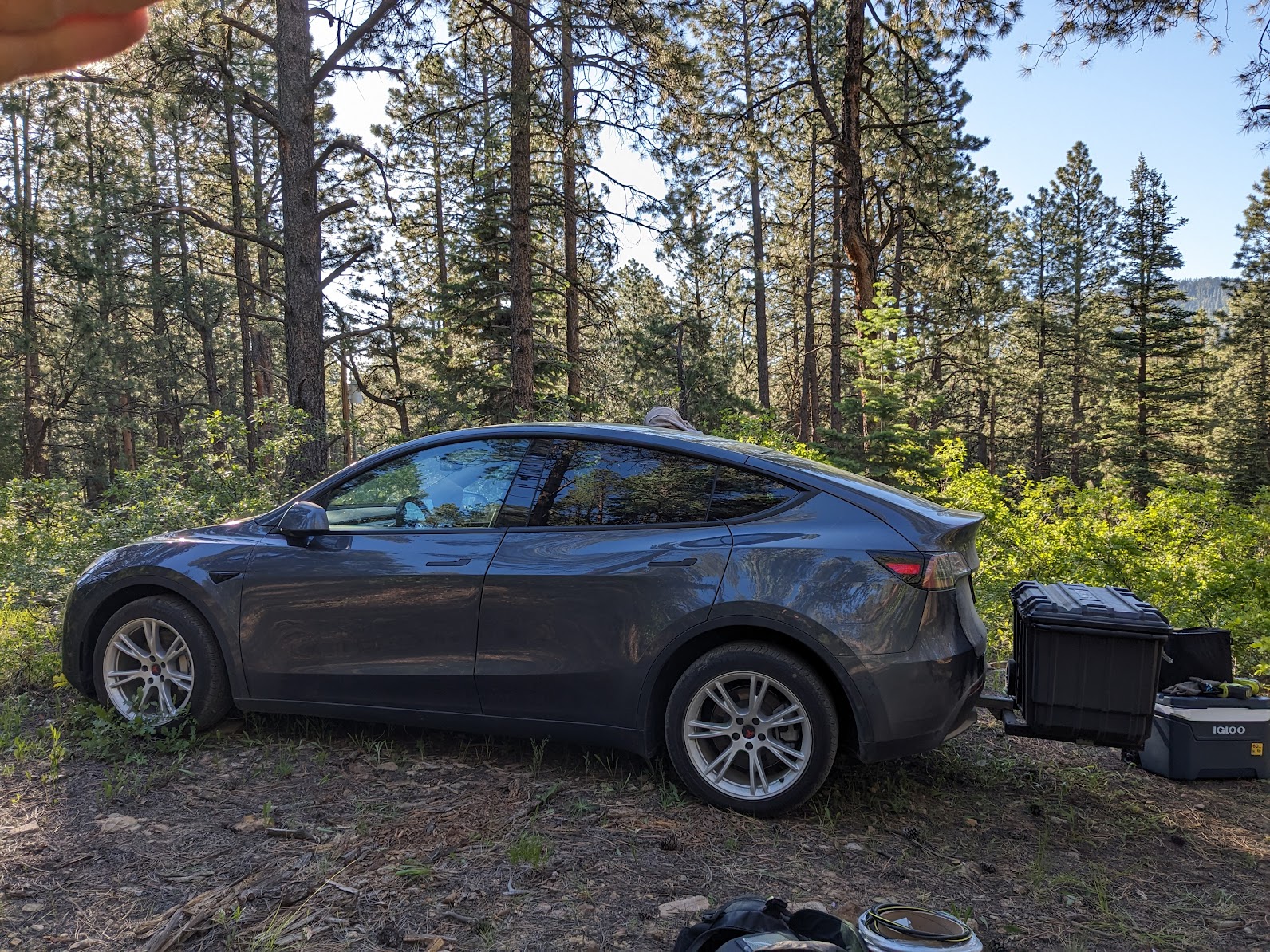
MMM candidly expresses his internal conflict regarding the purchase, acknowledging the self-mockery inherent in a frugality-oriented financial blogger investing in a new luxury vehicle. His past criticisms of car culture, particularly the tendency for individuals to over-rely on and overspend on vehicles, underscore the perceived contradiction. However, this acquisition is presented not as a betrayal of his principles but as an evolution, guided by the adage: "What got you here, won’t get you where you’re going." This piece of wisdom suggests that the strategies effective for wealth accumulation may not be suitable for optimizing well-being and enjoyment during a long, financially independent retirement.
A Deeper Dive into the Frugal Mindset: The "Too Cheap with Ourselves" Conundrum
The psychological barriers to spending, even for those who have achieved substantial financial independence, are a central theme of MMM’s discourse. He illustrates this with a seemingly trivial anecdote from a grocery store run. Faced with a loaf of "Dave’s Killer Bread" priced at an "eye-watering $6.99" – significantly higher than the $4.50 he typically pays at a bulk store – MMM recounts an internal battle. His initial reaction was one of indignation and a desire to "boycott this bullshit," engaging in what he terms "Grocery Shopping With Your Middle Finger." This mental wrestling match, common among the intensely frugal, involved contemplating alternatives and substitutes before ultimately conceding to the purchase. His realization: "Because you are never going to wake up in the future and look at your bank account and think, shit, if only I had an extra $2.49 in there I would be a happier person."
This anecdote highlights a pervasive challenge among those who have successfully navigated the path to financial independence through stringent frugality: the ingrained habit of optimizing every expenditure, even when the financial impact is negligible relative to their overall wealth. MMM shares that a friend, who also achieved early retirement through disciplined frugality and possesses a net worth several times his own, experiences identical mental battles over seemingly minor splurges, such as opting for a bus ride to the airport over a more convenient, albeit pricier, Uber. Despite this friend’s generous philanthropic endeavors and willingness to support others financially, the personal act of self-indulgence remains a psychological hurdle. This shared experience underscores a broader phenomenon within the FIRE community: the difficulty of transitioning from a scarcity mindset, essential for accumulation, to an abundance mindset, necessary for enjoying one’s hard-earned freedom.
Principles for Post-FI Financial Engagement
Recognizing this common challenge, MMM and his friend developed three guiding principles designed to help financially independent individuals transition from relentless saving to more enjoyable and intentional spending:
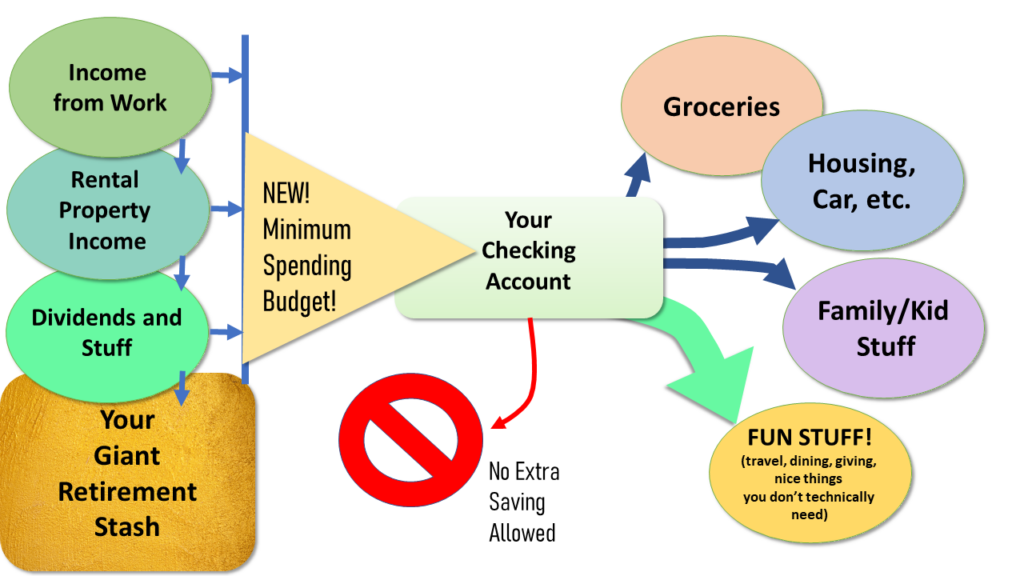
Principle 1: Establishing a Minimum Spending Budget
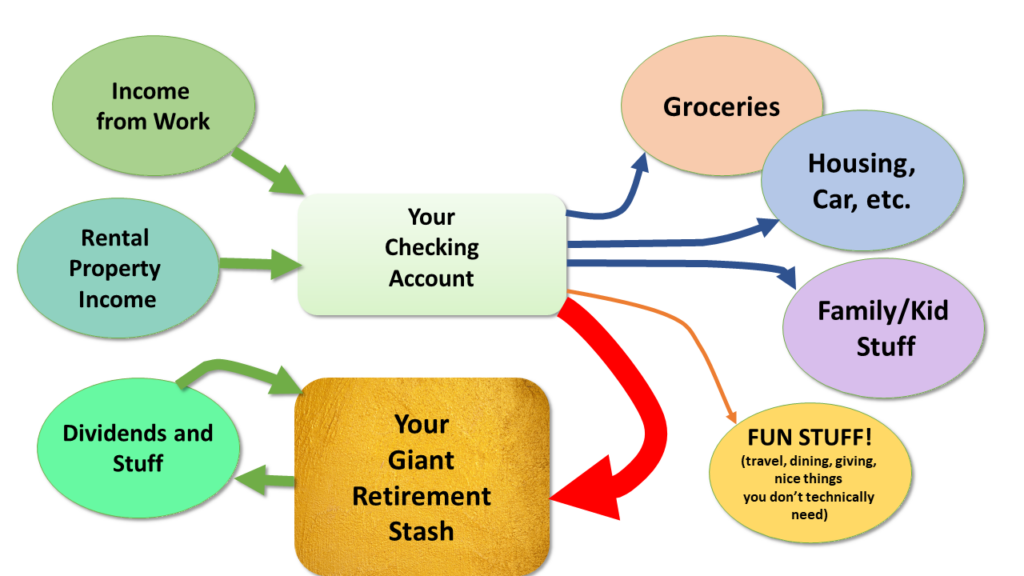
The first principle addresses the often-observed phenomenon where financially independent individuals, despite possessing substantial wealth, continue to live far below their means. For instance, an individual with a $2 million investment portfolio, guided by the widely accepted "4% rule" (which suggests a safe annual withdrawal rate of 4% of the portfolio), could comfortably spend up to $80,000 per year without depleting their principal. Even adopting a more conservative 3% withdrawal rate would allow for $60,000 in annual spending. Yet, many "Mustachians" with this level of wealth often maintain annual expenditures under $40,000, frequently residing in mortgage-free homes and supplementing their income with side ventures. Their primary instinct, even when accumulating surplus funds, remains to reinvest rather than spend. This perpetual "saving more" mentality, depicted in MMM’s original article through a diagram showing a robust "money back into the stash" arrow and a "flaccid and withered" "fun stuff" arrow, can lead to a missed opportunity for enhanced life experiences while still alive and able to enjoy them. The concept encourages setting a realistic minimum spending level to ensure a certain baseline of enjoyment and utility from accumulated wealth.
Principle 2: The Dedicated "Money Wasting" Account
Lifelong habits of frugality are notoriously difficult to break. The act of "wasting" hard-earned money on what might seem frivolous can evoke guilt, even when intellectual understanding confirms the financial capacity. MMM suggests a psychological hack: making one’s own money "feel like somebody else’s." He draws a parallel to business trips where expenses are covered, and individuals tend to spend more freely without the mental burden of price scrutiny. To replicate this feeling, he advocates for a "Dedicated Money Wasting Account." By segregating a portion of one’s wealth specifically for non-essential, enjoyment-driven expenditures, the psychological barrier is lowered. This designated fund mentally separates "frivolous" spending from the core investment portfolio, making it feel less like a personal sacrifice and more like an allocated budget for pleasure. This strategy aims to trick the brain into a more relaxed spending posture, allowing for experiences and purchases that enhance quality of life without triggering ingrained frugality reflexes.
Principle 3: The Splurge Accountability Buddy
The FIRE community, often comprising individuals with similar disciplined financial habits, can also serve as a support network for intentional spending. MMM proposes the "Splurge Accountability Buddy" concept, where friends who share the challenge of over-frugality can mutually encourage and validate judicious splurges. By openly discussing spending decisions, challenging excessive cheapness, and celebrating purchases that genuinely enhance well-being, individuals can collectively navigate the transition. MMM cites examples: his wealthy friend has improved in treating himself and his family to quality goods and experiences, and Carl (Mr. 1500 Days), a fellow FIRE advocate, replaced his old minivan with a new Chevrolet Bolt electric car. For MMM himself, this principle, coupled with practical necessity, facilitated the long-contemplated Tesla purchase, finally replacing his aging Honda van after years of discussion and procrastination.
The Catalyst for Change: Practicality Meets Lifestyle Evolution
The decision to finally acquire the Tesla Model Y was not purely philosophical but also driven by recent lifestyle changes and practical exigencies. A significant catalyst was MMM’s recent co-ownership of a fixer-upper vacation rental compound in Salida, Colorado. This "Friends Mountain Resort" project rekindled his passion for travel, outdoor activities like mountain biking, and communal gatherings. Such endeavors necessitate reliable transportation capable of traversing long distances and varied terrains.
The Honda van, affectionately named "Vanna," while a symbol of enduring frugality, was increasingly failing to meet these evolving needs. At 23 years old, its reliability was waning, causing anxiety and limiting potential travel experiences. The final "nudge" came in the form of a transmission failure on a mountain pass while returning from the Salida project, a definitive sign that Vanna’s operational days were numbered. This mechanical failure transformed the "lack of a reliable long-range car" from a minor inconvenience into a "small but consistent source of negative stress," making the investment in a new, dependable vehicle a practical necessity rather than a mere luxury. The Tesla Model Y, with its long range, all-wheel drive capabilities, and advanced driver-assistance systems, directly addresses these stressors, promising excitement and reliability for future road trips and adventures.
Financial Implications and Justification of the Tesla Purchase
MMM provides a transparent breakdown of the financial implications of his Tesla Model Y purchase, framing it as an "experiment in spending more." He estimates that the $52,000 vehicle will cost approximately $10,000 more per year than his old van, considering factors such as depreciation, insurance, registration, maintenance, and electricity/Supercharging costs. This figure is significant, but MMM justifies it by pointing to his substantial "spending deficit" in previous years, implying that his financial capacity far exceeded his actual expenditures. The $10,000 annual increase is presented as a "solid first step" toward bridging this deficit and intentionally increasing his quality of life.
Furthermore, the Tesla is viewed as an enabler of other experiences that align with his evolving lifestyle. Its suitability for "epic camping trips, dream dates, and long adventures around the country" is expected to naturally lead to increased spending on related activities such as hotels, dining out, and other experiential luxuries. This holistic view of spending considers the car not in isolation but as an investment that facilitates a broader increase in lifestyle enjoyment, thereby contributing to the "fun stuff" allocation. The acquisition also leverages government incentives, with the 2023 Model Y qualifying for federal EV tax credits, reducing the effective purchase price. MMM also mentions the revival of Tesla’s referral program, which offers buyers a discount and rewards the referrer, demonstrating a savvy approach to minimizing the overall cost even on a high-value purchase.
Addressing Philanthropy and Scarcity Mentality
Anticipating criticism regarding the perceived indulgence of a luxury car purchase, particularly from those who advocate for charitable giving, MMM directly addresses the "privileged rich folk talk" argument. He asserts the importance of philanthropy, acknowledging that "the world has problems and the richer you are, the more you should consider giving generously." However, he also critiques unproductive negativity and shaming, emphasizing that positive examples are more effective than judgmental criticism.
MMM reveals his own significant history of charitable giving, having donated over $500,000 to various causes during his blogging career. He uses this as context to explain how an extreme focus on frugality and giving can, paradoxically, foster a "scarcity mentality" even in individuals of considerable wealth. He recounts an internal monologue where comparing a $100 dinner date to thousands of dollars in annual donations led to an illogical fear of overspending, triggering an urge to "cut back and optimize and conserve." This illustrates the deep-seated psychological conditioning that can occur after years of disciplined saving, making it difficult to differentiate between genuine financial risk and minor discretionary spending. He advocates for a "happy medium" that balances responsible stewardship of savings, generous charitable giving, and a healthy allowance for "frivolous spending" on oneself and loved ones, asserting that "You’re not a bad person for having a few nice things."
The New Frontier: Embracing Intentional "Frivolous" Spending
MMM concludes his argument by providing practical examples of what he now deems acceptable "splurges" that enhance quality of life without compromising financial security. These include paying extra for a better seat on an airplane to avoid the stress of disembarking, or purchasing frozen berries from Whole Foods at a higher price to save time and effort compared to a trip to Costco. These seemingly small decisions, when viewed through the lens of reducing "regular angst and stress," contribute significantly to overall happiness and well-being in retirement.

For MMM, the Tesla Model Y embodies this new philosophy. It is not just a car but a symbol of leaving behind the "desperately underpowered wheezing and gear shifting and noise of the gasoline era." The ability to engage Autopilot and glide "gracefully through even the highest mountain passes" represents a tangible improvement in comfort, convenience, and peace of mind, directly addressing the negative stressors associated with his previous vehicle. This new purchase is more than just transportation; it is an investment in future experiences and a commitment to enjoying the fruits of his financial independence.
To further document this journey, MMM has launched "The Model Y Experiment," a dedicated tracker page for ongoing findings, Q&A, and insights into the ownership experience. This initiative reflects his journalistic approach to personal finance, offering transparency and data-driven analysis to his audience, who can follow along as he verifies the vehicle’s reliability, customer service, and any modifications or upgrades.
Disposing of the Old: A Practical Guide
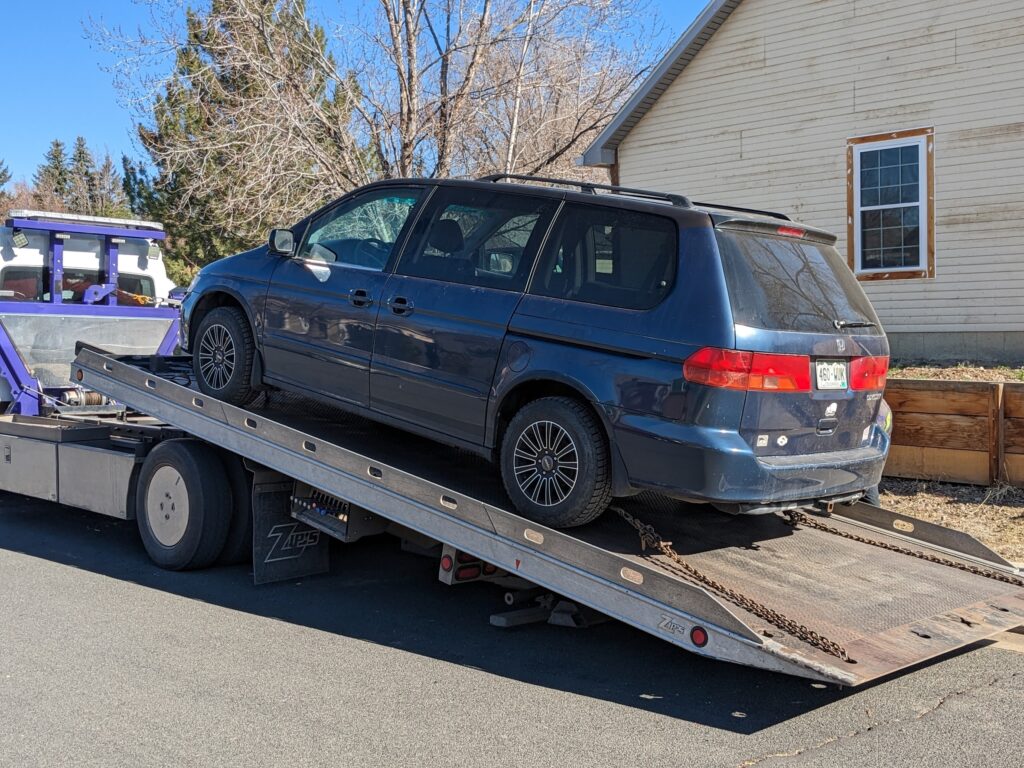
The departure of the beloved Honda van, "Vanna," marked an end to an era. MMM detailed the practical process of disposing of the 1999 vehicle. He utilized an online car salvage service called Peddle, which offered $715 after a brief online submission of details. A tow truck subsequently collected the vehicle, delivering payment in cash. In a nod to his evolving philosophy, MMM deliberately allocated this $715 for "splurges like dinners out," reinforcing the article’s theme of intentional spending for enjoyment. This practical tip for vehicle disposal also provides valuable information for his audience, who may face similar situations with aging assets.
In essence, Mr. Money Mustache’s Tesla Model Y acquisition is more than a simple car purchase; it is a public articulation of an evolving financial philosophy. It encourages the financially independent to critically assess their spending habits, move beyond ingrained frugality when appropriate, and intentionally allocate resources towards experiences and conveniences that genuinely enhance their quality of life. The message is clear: responsible saving and generous giving are paramount, but so too is the judicious enjoyment of one’s wealth, particularly after achieving the freedom of early retirement.

