
The modern kitchen has transcended its traditional role as a mere culinary space, evolving into the undeniable heart of the contemporary home. It is where families gather, entertain guests, and conduct daily life, making its functionality and aesthetic paramount to overall household satisfaction and property value. This elevated status, coupled with a dynamic housing market and a persistent shortage of skilled tradespeople, has fueled a significant trend: the empowered homeowner taking charge of their kitchen renovations. This shift is driven by a potent combination of financial prudence, a desire for personalized spaces, and the inherent satisfaction of mastering complex DIY projects.
The Enduring Allure of the Kitchen as a Home’s Nucleus
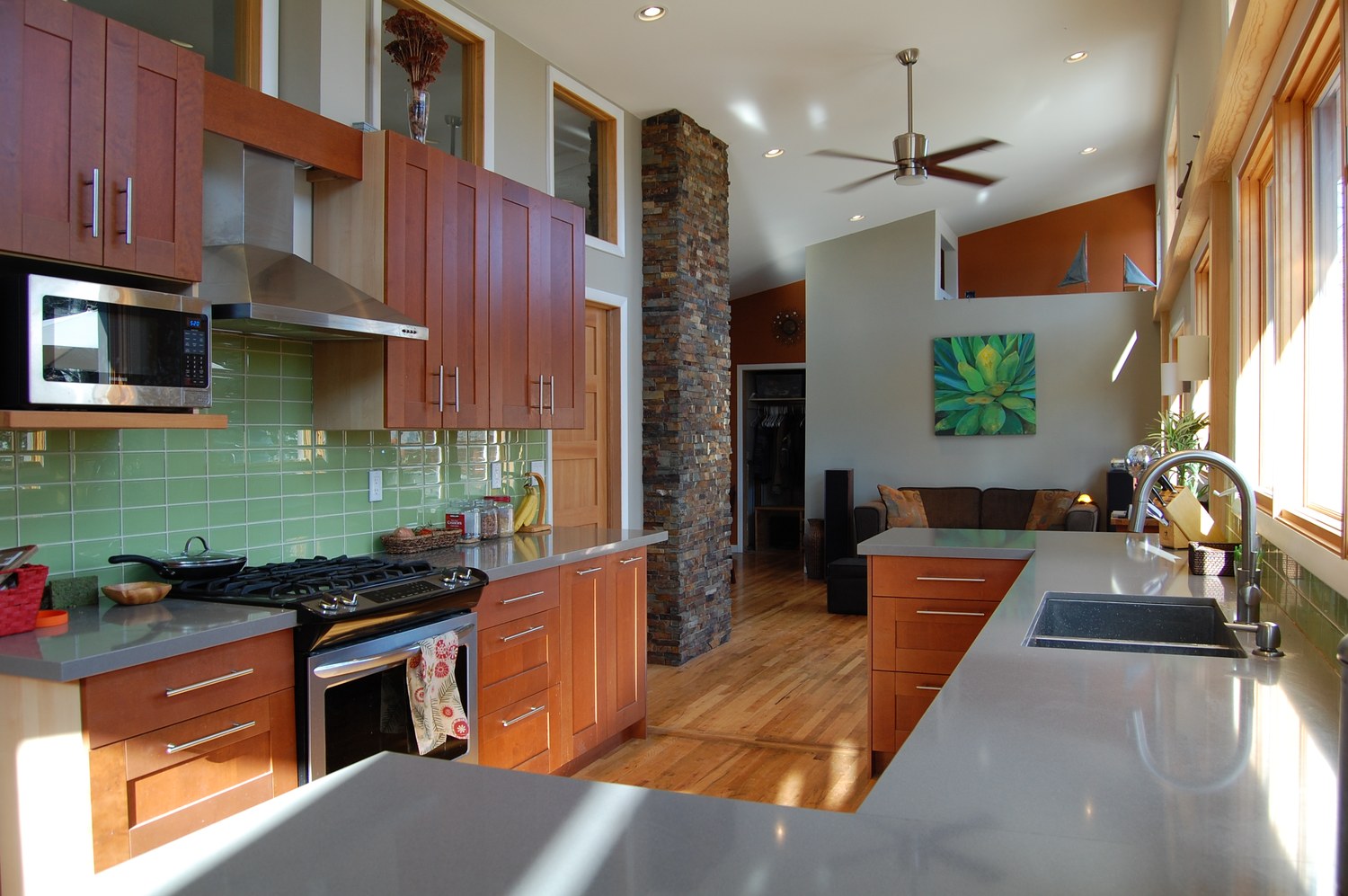
For many, the concept of "home" revolves around comfort, security, and connection. The kitchen encapsulates these ideals, serving as a central hub for nourishment, conversation, and community. From meal preparation to homework sessions and social gatherings, its versatility is unmatched. This inherent importance means that an outdated or inefficient kitchen can significantly detract from a home’s overall appeal and livability, while a thoughtfully designed and executed renovation can profoundly enhance it. This sentiment is widely shared, with real estate experts consistently citing kitchen remodels as one of the most impactful home improvements for both personal enjoyment and marketability.
Economic Drivers Fueling the Renovation Boom
The current economic landscape plays a crucial role in the surge of DIY kitchen projects. Housing costs have experienced substantial increases in recent years across many global markets, driven by a stark imbalance between supply and demand. Prospective homebuyers are often willing to pay a premium for properties featuring modern, highly functional amenities, particularly updated kitchens and bathrooms. This competitive environment leaves many purchasers with two primary options: either enter bidding wars for move-in-ready homes or acquire "fixer-uppers" with the intention of transforming them.
Data from sources like the Joint Center for Housing Studies of Harvard University indicates consistent growth in home improvement spending, with kitchens frequently topping the list of renovation priorities. The National Association of Home Builders (NAHB) further underscores this, reporting that homeowners are increasingly investing in renovations that improve energy efficiency, expand living space, and modernize key areas like the kitchen.
Compounding the high cost of acquiring upgraded properties is a pervasive shortage of skilled tradespeople. Professions such as plumbers, electricians, and carpenters have seen declining enrollments in vocational training programs for decades, leading to a significant gap in the workforce. This scarcity translates directly into inflated labor costs for professional renovations. Quotes for a comprehensive kitchen remodel can range anywhere from $25,000 to well over $75,000, depending on the scope, materials, and regional labor rates. When broken down, this often represents an hourly labor rate for homeowners equivalent to $100 to $300 or more if they undertake the work themselves. This substantial financial incentive is a powerful motivator for homeowners to learn new skills and embrace the DIY ethos.
Moreover, a well-executed kitchen renovation typically offers a strong return on investment (ROI). According to Remodeling Magazine‘s annual Cost vs. Value Report, mid-range major kitchen remodels can recoup a significant portion of their cost at resale, often upwards of 60-70%. In expensive housing markets, this value creation can be even higher, directly translating into increased equity or enhanced rental income for investment properties. This financial benefit solidifies the argument for investing time and effort into a kitchen overhaul.
Empowering the Homeowner: A Phased Approach to Renovation
For the aspiring DIYer, the prospect of tackling a kitchen renovation can seem daunting. However, breaking the project down into manageable stages, armed with proper knowledge and resources, makes it achievable. The journey from conception to a fully functional, beautiful kitchen involves several critical steps, each requiring careful planning and execution.
Phase 1: Comprehensive Planning and Regulatory Compliance

-
Permitting and Code Adherence: The initial and often overlooked step is determining local permitting requirements. Generally, any work involving significant alterations to plumbing, electrical systems, or structural elements within walls necessitates a permit. Local building codes are designed to ensure safety and structural integrity. While regulations vary by jurisdiction—some municipalities are highly vigilant, others less so—the paramount principle is to perform work that meets or exceeds code standards, regardless of inspection. This ensures long-term safety, avoids future complications during resale, and provides peace of mind.
-
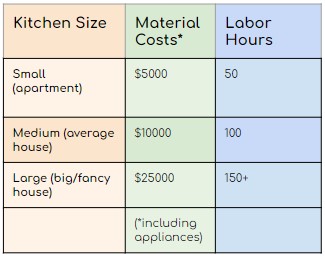
Budgeting and Strategic Sourcing: A detailed budget is the blueprint for financial success. Costs fluctuate wildly based on material choices and project scale. A basic renovation might involve $5,000-$10,000 in materials, while a high-end custom kitchen could easily exceed $30,000 for materials alone. Smart shopping is key to cost efficiency.
- Comparison Shopping: Always compare prices from multiple vendors (e.g., big box stores like Home Depot/Lowe’s, online retailers like Amazon, local specialized suppliers). Prices for identical items can vary significantly.
- Bulk Discounts: For larger projects, inquire about contractor pricing or bulk discounts from suppliers.
- Salvage and Reclaimed Materials: Consider architectural salvage yards or online marketplaces for unique, often high-quality items like sinks, lighting fixtures, or even cabinetry, offering significant savings and a unique aesthetic.
- Seasonal Sales: Plan purchases around major holiday sales or end-of-season clearances.
Phase 2: Layout, Demolition, and Structural Foundations
-
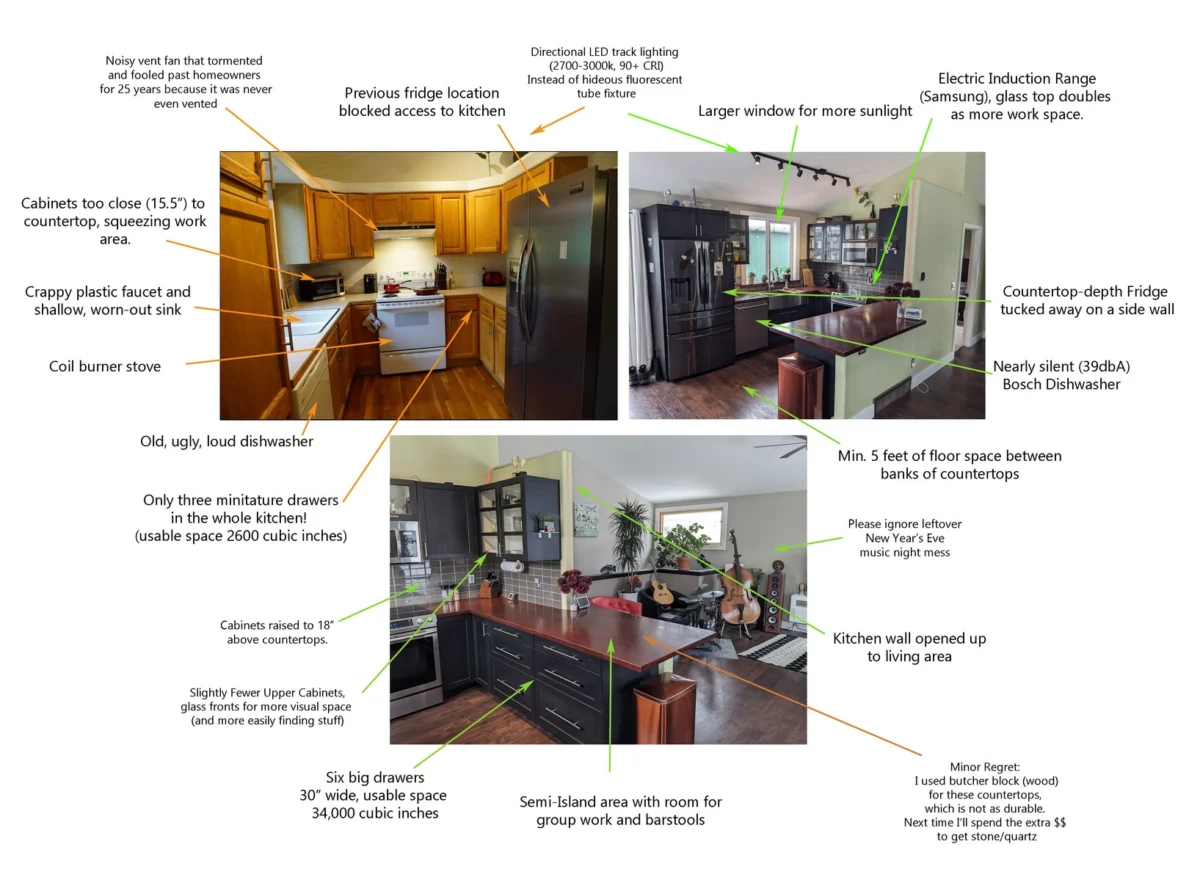
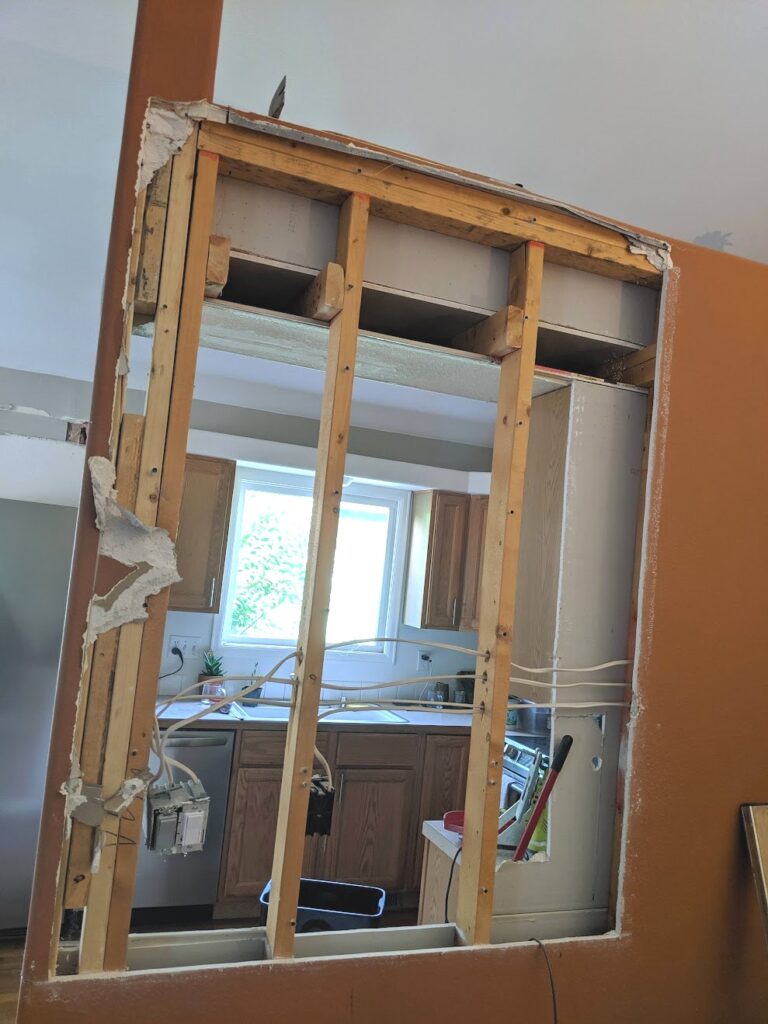
Layout Design and Wall Modification: Modern kitchen design heavily favors open-concept living. Many older homes feature compartmentalized kitchens, often walled off from living areas. Removing non-load-bearing walls can dramatically transform a cramped space into an expansive, airy environment, often replacing a wall with a functional island.
- Load-Bearing Assessment: Identifying load-bearing walls is crucial for safety. Indicators often include walls running perpendicular to floor joists, walls on the main floor directly supporting walls above, or walls with substantial headers above openings. When in doubt, consulting a structural engineer or experienced builder is imperative.
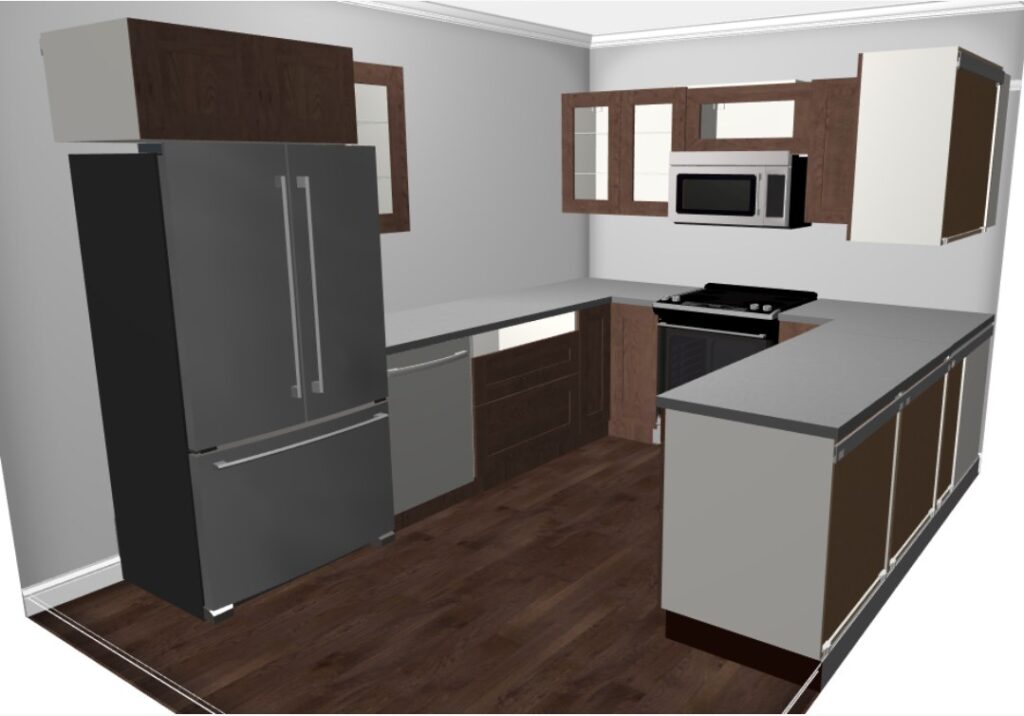
- Basic Layout Principles: Effective kitchen design adheres to principles like the "work triangle" (stove, sink, refrigerator), ensuring efficient flow. Adequate counter space, sufficient clearance for appliances and foot traffic, and thoughtful placement of storage are vital. Design tools, from simple graph paper to sophisticated 3D modeling software like SketchUp or even the free IKEA Kitchen Planner, can help visualize the space and ensure optimal functionality.
-
Framing New Walls (if necessary): While demolition is common, some layouts require new walls for appliances, pantries, or to redefine spaces. New walls must be plumb, level, and securely fastened to existing structures, providing a solid foundation for cabinetry and finishes. Ensure accurate measurements for appliance clearances and future fixture placement.
Phase 3: Utility Rough-Ins
-
Plumbing and Venting: While maintaining existing plumbing locations can simplify a remodel, relocating sinks, dishwashers, and refrigeration water lines is often feasible with careful planning.
- Modern Materials: PEX tubing has revolutionized DIY plumbing, offering flexibility, ease of installation, and cost-effectiveness compared to traditional copper or PVC.
- Venting: Proper drainage requires adequate venting to prevent siphoning and ensure smooth water flow. Understanding the basics of drain-waste-vent (DWV) systems is critical.
- Shut-off Valves: Always locate and test the main water shut-off before beginning any plumbing work. Install individual shut-off valves for each fixture for future maintenance ease.
-
Electrical Wiring: Electrical work requires meticulous attention to safety and code. If uncomfortable, hiring a licensed electrician for complex tasks, especially panel work, is advisable. However, understanding basic principles can save significant costs.
- National Electric Code (NEC): Familiarity with the current NEC (e.g., 2020 NEC in the U.S.) is essential. Codes specify wire gauges, circuit requirements, and outlet placement.
- Kitchen-Specific Requirements: Kitchens typically require a minimum of two 20-amp, GFCI-protected circuits for countertop outlets, spaced every four feet. Major appliances (refrigerator, dishwasher, disposal, microwave, oven/range) ideally require dedicated circuits.
- Lighting and Switches: Plan for layered lighting – ambient (overhead), task (under-cabinet), and accent lighting. Ensure convenient switch placement.
- New Circuits: Adding new circuits involves running wire from the circuit panel. This can be the most challenging part, especially in homes without unfinished basements or crawl spaces. A hybrid approach, where homeowners route the wire and an electrician handles the final panel hookup, can be cost-effective.
Phase 4: Enclosure and Surface Preparation

- Drywall and Details: Once utilities are roughed in and inspected (if required), walls are enclosed with drywall.
- Installation Tips: Accurate measurements, clean cuts, and proper fastener spacing are crucial. Skimping on fasteners or taping can lead to visible imperfections.
- Taping and Finishing: Achieving smooth, seamless drywall joints requires patience and practice. Multiple coats of joint compound, sanding, and a good primer are essential for a professional finish.
- Flooring: After drywall and priming, flooring is typically installed. Engineered wood and Luxury Vinyl Plank (LVP) are popular for their durability, ease of installation, and aesthetic variety. For maximum resilience in high-traffic, spill-prone environments, ceramic or porcelain floor tiles remain the gold standard.
Phase 5: Fixture and Appliance Installation
-
Cabinetry Installation: This exciting phase brings the kitchen to life. Whether using conventional cabinets or an IKEA system, precision is key.
- Conventional Cabinets: Require careful leveling, shimming, and securing to wall studs to ensure a straight and stable installation.
- IKEA System: Features a metal rail system that simplifies installation. Once the rails are level and secure, cabinets hang easily and can be adjusted horizontally before final locking. This system is particularly forgiving for DIYers.
-
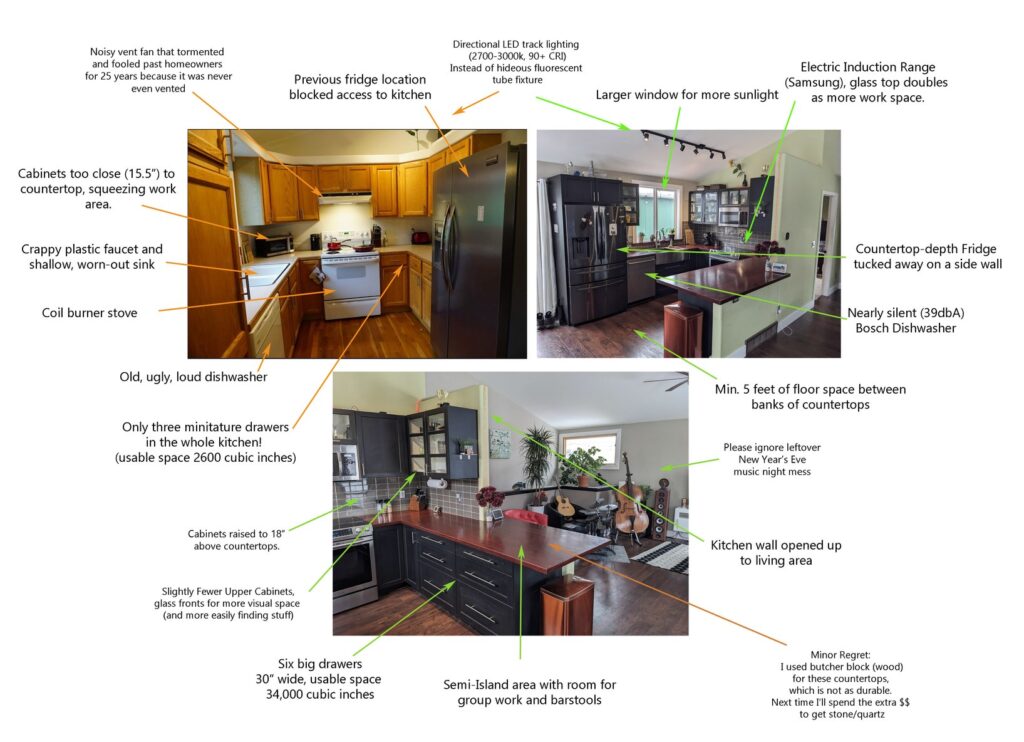
Countertops: A significant investment, stone countertops (quartz, granite, marble) offer unparalleled durability, aesthetic appeal, and ease of cleaning. While the cost ($60-$120+ per square foot) can be substantial, their longevity and impact on resale value often justify the expense. Alternative materials like solid wood or various tiles are more budget-friendly but may require more maintenance or be less durable over time, potentially leading to long-term regret.
-
Sink and Faucet: Modern sinks and faucets offer a vast array of styles and functionalities at surprisingly accessible price points, especially through online retailers.
- Installation: Focus on secure mounting, proper sealing, and meticulous drain assembly. The P-trap and vent connections are critical for odor control and efficient drainage. Ensure a tidy, accessible under-sink area for future maintenance.
-
Appliances: The appliance market has seen a trend of "deflation," with features and quality improving while prices remain competitive.
- Purchasing Strategy: While new appliances offer warranties and the latest features, the used market can yield significant savings. However, caution is advised: thoroughly inspect and test used appliances, especially dishwashers and washing machines, for hidden damage (e.g., from freezing pipes). Refrigerators and ovens/ranges tend to be more robust for used purchases.
- Energy Efficiency: Prioritize Energy Star-rated appliances to reduce long-term operating costs.
Phase 6: The Finishing Touches

- Finish Work: The final details elevate a functional kitchen to a showpiece.
- Backsplash: Tiling a backsplash adds aesthetic appeal and protects walls. Full-height backsplashes are a popular, high-impact design choice.
- Paint: A fresh coat of durable, washable paint completes the walls.
- Lighting: Beyond basic fixtures, consider dimmers, under-cabinet lighting, and decorative pendants to enhance ambiance and functionality.
- Hardware: Cabinet pulls, knobs, and other hardware are the "jewelry" of the kitchen, allowing for personalized style.
The Broader Impact and Future Outlook
The comprehensive journey of renovating a kitchen, while demanding, offers immense rewards. Beyond the tangible financial benefits of increased property value and reduced labor costs, homeowners gain invaluable skills, a deeper understanding of their living spaces, and profound personal satisfaction. This hands-on approach fosters self-reliance and resilience, proving that significant home improvements are within reach for those willing to learn and apply themselves.
The rise of online tutorials, accessible tools, and a thriving community of DIY enthusiasts further supports this trend, democratizing skills once confined to professional trades. As housing market pressures persist and the demand for personalized, high-quality living spaces continues to grow, the empowered homeowner, capable of transforming their kitchen from concept to reality, will remain a pivotal force in the evolving landscape of residential real estate and home improvement. The kitchen, indeed, continues its renaissance as a testament to both practicality and personal passion.

