
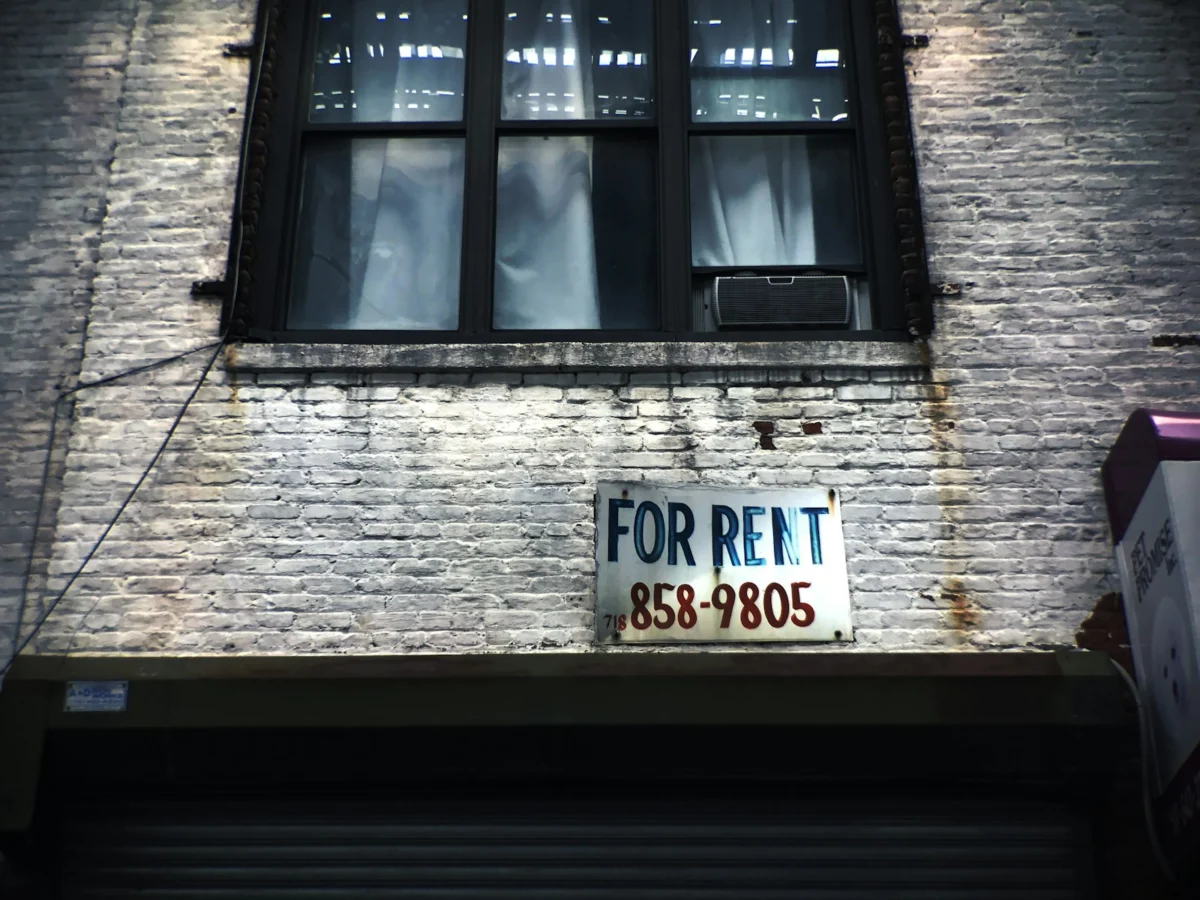
After an unprecedented period of sustained declines, the median asking rent in the United States registered a marginal increase of 0.1 percent in October compared to the previous year, marking the first year-over-year rise in three years. This subtle but significant shift, confirmed by Apartment List’s latest national rent report, concludes the longest documented streak of falling rents. While this might appear to signal an end to the renter’s market that has characterized the post-pandemic housing landscape, a deeper analysis reveals that conditions still largely favor tenants, with high vacancy rates and widespread landlord concessions continuing across much of the nation.
A Turning Point or a Statistical Blip? Unpacking the October Data
The October 2026 data, which places the national median rent at $1,384 per month, represents a mere $1 increase from the previous year. This minimal uptick is a far cry from the dramatic fluctuations observed during the pandemic-era housing boom and subsequent correction. It also leaves median rents approximately 4 percent below their peak levels recorded in mid-2022. This microscopic rise underscores that while the downward trend has officially halted, the market is not experiencing a sudden resurgence in rental costs. Rather, it suggests a stabilization phase, albeit one influenced by a complex interplay of supply, demand, and broader economic factors.
The three-year period preceding this increase saw rents fall consistently, a direct consequence of an aggressive construction boom that followed the rapid price escalations of 2020-2022. Builders, responding to soaring demand and high rental yields, added millions of new apartment units to the market between 2021 and 2024. This unprecedented wave of multifamily development, particularly concentrated in Sun Belt cities, dramatically increased supply, outstripping demand in many areas and driving down rental prices nationwide. This period of correction was a necessary rebalancing after what many economists described as an unsustainable surge, providing much-needed relief to renters who had faced intense competition and escalating costs.
The Enduring Renter’s Advantage: High Vacancies and Concessions Persist
Despite the slight year-over-year increment, the fundamental dynamics of the rental market have not flipped in favor of landlords. The national vacancy rate, a critical indicator of market power, remains elevated at 7.0 percent. While this is a slight dip from its 7.3 percent peak observed in February of the current year, it still signifies a robust supply of available units. Historically, a vacancy rate around 5-6 percent is considered a balanced market. The current rate above 7 percent indicates that landlords continue to face considerable competition to fill their properties.
This competitive environment is further evidenced by the widespread prevalence of concessions. Nearly one-third of rental properties—32 percent—are currently offering incentives such as a free month of rent, reduced security deposits, or waiving amenity fees. This figure marks an increase from 28 percent just a year ago, illustrating landlords’ ongoing efforts to attract and retain tenants in a market where supply often outpaces immediate demand. These concessions are a tangible benefit for renters, effectively lowering the overall cost of a lease even if the stated base rent remains stable or sees a minor increase. Moreover, properties are taking an average of 36 days to rent, providing prospective tenants with more time to evaluate options and negotiate terms, further solidifying the renter’s advantageous position.
Renting Versus Owning: The Continuing Economic Case for Leaseholds
The marginal rise in rental prices does little to alter the compelling economic argument for renting over homeownership in the current climate. Mortgage rates continue to hover well above 7 percent across most of the country, making home purchases prohibitively expensive for many prospective buyers. The financial barriers to entry for homeownership extend beyond high interest rates to include substantial down payments, often tens of thousands of dollars; significant closing costs that can amount to thousands more; and the ongoing, often unpredictable, burden of maintenance, repairs, and property taxes that renters never incur.
Economists and financial advisors frequently highlight that "renting is not wasted money," especially when the alternative involves taking on a high-interest mortgage in a costly market. The principle of investing the difference between a lower rent payment and a higher potential mortgage payment remains a powerful wealth-building strategy. By avoiding the illiquidity and high transaction costs associated with buying and selling real estate, renters can maintain greater financial flexibility and potentially achieve superior returns through diversified investments. While a slight increase in rent may be an annoyance, it rarely outweighs the cumulative costs and financial commitments of purchasing a home at today’s elevated rates and prices. This perspective is particularly pertinent in an environment where inflation, while moderating, still pressures household budgets.
Regional Divergence: A Tale of Two Rental Markets
The national average, while informative, often masks significant local variations. The October data revealed a complex mosaic of market conditions across major metropolitan areas. In fact, rents continued to fall month-over-month in 45 out of the 55 largest metro areas tracked by Apartment List, underscoring that the national year-over-year increase was largely influenced by a few high-growth markets.
The Sun Belt, a region that experienced an unprecedented surge in new construction and population growth during the pandemic, continues to grapple with an oversupply of housing in many areas. San Antonio, for instance, posted the sharpest year-over-year drop among major metros, with rents declining by approximately 3.8 percent. Other cities in Texas, Florida, and the Carolinas have also seen rents fall as the sheer volume of new apartments saturates the market, giving renters ample choice and negotiating power. These markets exemplify the impact of supply-side dynamics, where robust construction pipelines have successfully cooled price growth.
In stark contrast, tech hubs on the West Coast, particularly San Francisco and San Jose, are experiencing a resurgence in rental prices. San Francisco metro rents soared by 13 percent year-over-year, while San Jose saw a robust 9 percent increase. These markets are characterized by tighter housing supply, exacerbated by geographical constraints and stringent zoning regulations that limit new construction. The return of tech workers to physical offices, coupled with sustained demand in high-paying industries, has fueled a renewed competition for limited housing stock, driving prices upward. This illustrates how localized economic conditions, job market strength, and regulatory environments can significantly override national trends.
For renters in cities experiencing rapid rent increases, simply moving to a cheaper metro is not always the most financially prudent option. A comprehensive cost-of-living analysis, factoring in state and local taxes, commuting expenses, and potential changes in income, is essential. Sometimes, staying put and leveraging negotiation tactics in the current market can prove more advantageous than relocating to a city that may have its own emerging affordability challenges.
Empowering Renters: Strategies for Lease Renewals and Negotiations
Given the prevailing market conditions—high vacancy rates, widespread concessions, and slower leasing times—renters are in a strong position to negotiate favorable terms on their leases, particularly at renewal. The national vacancy rate above 7 percent signifies that landlords need tenants more than any single tenant needs a specific unit.
A strategic approach to negotiation involves prioritizing concessions over a permanent reduction in base rent. Offering a free month of rent, for example, costs a landlord less in the long run than a perpetual decrease in the monthly rental income. This makes concessions a more palatable and therefore "easier ask." Other potential concessions include reduced security deposits, waiving pet fees, or including utility costs.
Crucially, renters must be well-informed about their legal rights before entering any negotiation. Rental laws vary significantly by state and even by city, dictating requirements for notice periods before rent increases or lease terminations. Understanding these regulations—such as the minimum notice a landlord must give before raising rent, or the circumstances under which a lease can be terminated—empowers tenants and shapes the entire negotiation process. Knowledge of local renters’ rights guides can provide invaluable leverage and ensure fair treatment.
For renters considering lease length, the decision depends heavily on local market dynamics. In areas where rents are trending upward, securing a longer lease (e.g., 18-24 months) might lock in a favorable rate before further increases. Conversely, in markets where concessions are prevalent and prices continue to slip month-over-month, a shorter lease (e.g., 6-12 months) offers greater flexibility, allowing tenants to capitalize on potential future price drops or improved concession offers.
Outlook: Continued Moderation and Strategic Renter Engagement
Market analysts largely anticipate a period of continued moderation rather than a rapid acceleration of rent increases. While the national decline has ended, the factors that underpinned the renter’s market—namely, elevated housing supply and still-high interest rates impacting homeownership demand—are expected to persist for the foreseeable future. New construction, while potentially slowing from its peak, will continue to add inventory, particularly in previously booming Sun Belt markets.
The Federal Reserve’s stance on interest rates will also play a crucial role. Any significant reduction in mortgage rates could shift some demand from the rental market to the homeownership market, potentially easing rental pressures. However, economists generally do not foresee drastic rate cuts in the immediate future, suggesting that the affordability challenges in homeownership will continue to drive demand for rentals.
For renters, the takeaway is clear: vigilance and proactive engagement are key. The market is nuanced, and opportunities for negotiation and securing favorable terms still abound. Rather than assuming the worst based on a single, albeit symbolically important, data point, renters are encouraged to research local market conditions, understand their rights, and confidently engage with landlords. This mixed market rewards those who are informed, strategic, and willing to ask questions, ensuring that they navigate their housing decisions with the greatest possible advantage.
The slight upward tick in national median rents marks a statistical turning point, bringing an end to a three-year streak of declines. However, the practical implications for the majority of renters suggest that the landscape largely remains in their favor. High vacancies, pervasive concessions, and lingering affordability challenges in the homeownership market ensure that for the foreseeable future, renters will continue to possess significant leverage in shaping their housing outcomes. The era of rapid rent increases may be behind us, but the robust renter’s market persists, rewarding those who are prepared to engage strategically.

