
The ubiquitous bullet journal, often lauded for its creative potential, holds a particularly potent secret for enhanced productivity: the humble to-do list. Far from being a mere collection of tasks, a well-crafted bullet journal to-do list can transform into a dynamic system for prioritization, time management, and goal achievement. This article delves into the versatile applications of bullet journal to-do lists, exploring various layouts and strategies designed to boost organization and productivity, drawing on principles of task management and personal effectiveness.
The Foundation of Effective Task Management: The Bullet Journal To-Do List
At its core, the bullet journal methodology, developed by Ryder Carroll, emphasizes mindfulness and intentionality. While the system encompasses various components like rapid logging, future logs, and monthly logs, the to-do list remains a cornerstone for daily and weekly planning. Its inherent flexibility allows individuals to adapt it to their unique needs, whether they prefer a highly structured approach or a more fluid, intuitive method. The ability to categorize, prioritize, and visually track progress makes the bullet journal to-do list an indispensable tool for anyone seeking to manage their workload more effectively.
Diverse Strategies for To-Do List Bullet Journaling
The true power of the bullet journal lies in its adaptability. Users can tailor their to-do lists to suit their specific planning styles and the nature of their tasks. Here are several creative and effective ways to incorporate to-do lists into your bullet journal, each offering a distinct advantage for enhanced productivity.

1. The Simplicity of the Basic To-Do Planner Page
Often, the most effective solutions are the simplest. A straightforward to-do list within a bullet journal provides a clear and concise way to outline daily tasks. This minimalist approach is ideal for individuals who appreciate clarity and directness in their planning. Whether presented as a simple list of bullet points or enhanced with a clean, structured layout, this format ensures that tasks are visible and accounted for, fostering a sense of accomplishment as items are marked off. The psychological benefit of visually completing tasks can significantly boost motivation and productivity.
2. Harnessing Visual Cues: The Color-Coded To-Do List Bujo Page
Color coding transforms a standard to-do list into a visually intuitive productivity tool. By assigning specific colors to different task categories, individuals can instantly gauge the urgency, type, or importance of their responsibilities. For instance, red might signify urgent deadlines, yellow for essential but less time-sensitive tasks, and blue for optional activities or personal enrichment goals. This visual hierarchy aids in rapid prioritization, allowing users to focus their energy where it’s most needed. Studies in cognitive psychology suggest that color can enhance memory recall and improve attention, making color-coded lists more effective for busy minds.

The author suggests a practical application: "I like to use pink for urgent tasks, yellow for essential items, and blue for things I want to do if I have time." This personal touch illustrates how color can be intuitively mapped to a personal prioritization system, making it easier to navigate a busy day.
3. Strategic Prioritization: The "Must Do – Should Do – If I Have Time" Format
When faced with a long list of responsibilities, prioritizing can become a significant challenge. The "Must Do – Should Do – If I Have Time" format directly addresses this by creating distinct tiers of task importance. This method ensures that critical tasks are identified and tackled first, preventing them from being overshadowed by less pressing items. By segmenting tasks into these categories, individuals can maintain focus on high-impact activities while still acknowledging other important, but not immediately critical, responsibilities. This structured approach helps manage overwhelm and promotes a sense of control over one’s schedule.

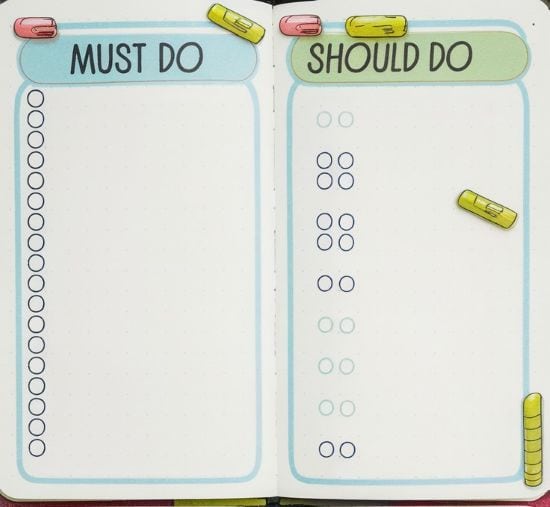
4. Streamlined Prioritization: The "Must Do – Should Do" Approach
For those who prefer an even more focused prioritization system, the "Must Do – Should Do" format offers a streamlined alternative. By eliminating the "If I Have Time" category, this layout emphasizes a commitment to completing essential tasks. This approach is particularly beneficial for individuals who tend to overcommit or struggle with procrastination on critical duties. It fosters a sense of accountability by clearly defining what absolutely needs to be accomplished each day or week.
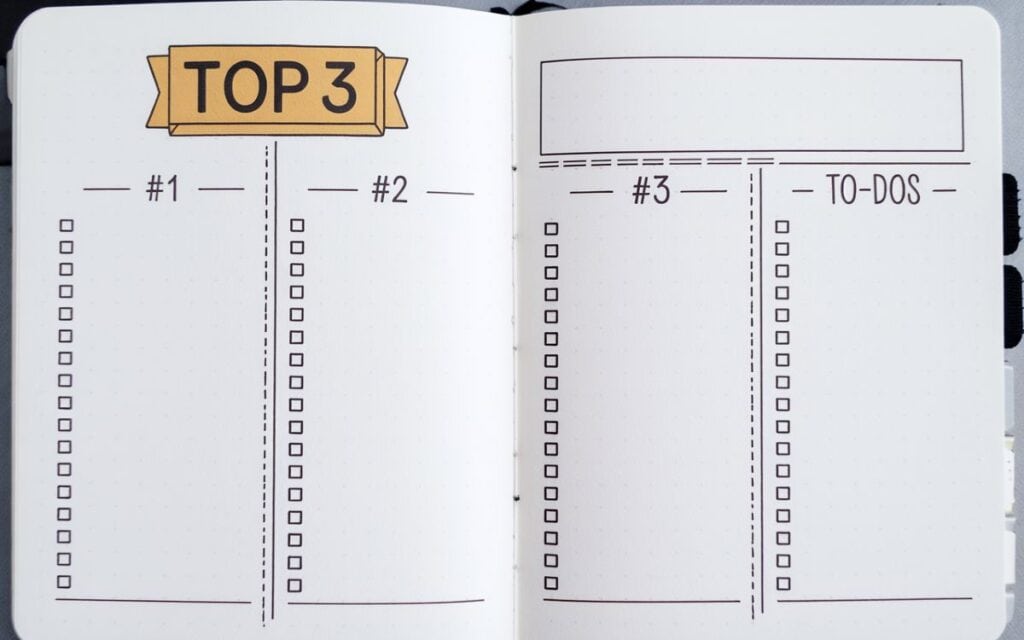
5. Focused Action: The Daily Top 3 Bullet Journal To-Do List Layout
The "Daily Top 3" method is a powerful technique for combating overwhelm by narrowing the focus to the three most crucial tasks of the day. This strategy encourages strategic thinking about what truly matters and promotes consistent progress on high-priority items. By limiting the number of daily objectives, individuals can dedicate more focused energy to each task, leading to higher quality work and a greater sense of accomplishment. Integrating this into a daily planner or as a standalone spread ensures that key priorities remain at the forefront of planning. This approach aligns with the principles of productivity gurus who advocate for identifying and completing "Most Important Tasks" (MITs) daily.
Adapting To-Do Lists to Different Planning Horizons
The effectiveness of a to-do list often depends on its alignment with the user’s planning horizon – whether they are planning for the day, the week, or the month. The bullet journal offers a flexible framework to accommodate these different needs.
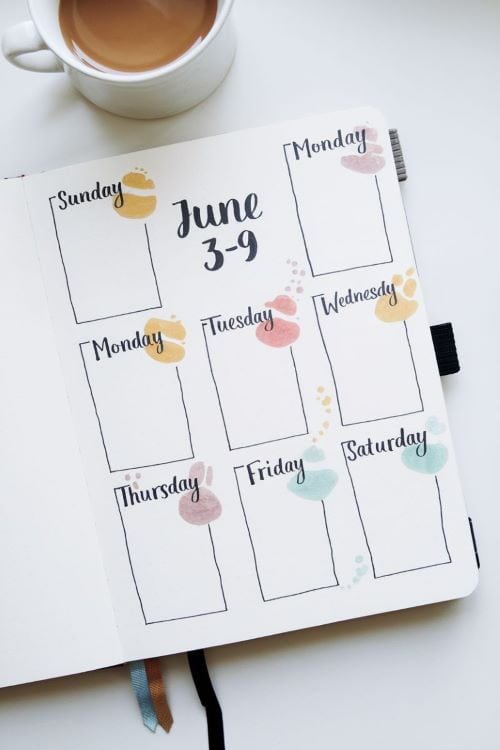
6. Comprehensive Planning: Bujo To-Do List Layout for a Weekly Spread
A weekly to-do list spread within a bullet journal provides a broader perspective on tasks and commitments. This layout allows for the allocation of specific tasks to particular days, facilitating better time management and preventing last-minute rushes. It enables users to visualize their week ahead, identify potential scheduling conflicts, and ensure a balanced distribution of work and personal activities. This type of spread is invaluable for individuals who need to manage multiple ongoing projects or balance a demanding work and personal life.
7. Big Picture Overview: Bujo To-Do List Layout for a Monthly Spread
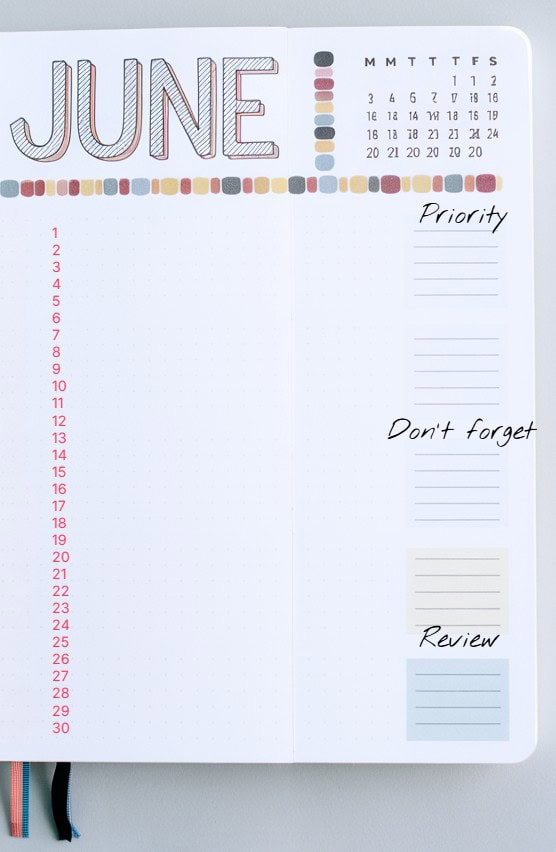
Monthly to-do list spreads offer a high-level view of upcoming tasks and objectives. These spreads are ideal for tracking larger projects, setting monthly goals, and noting important recurring events or deadlines. By mapping out tasks over a longer period, individuals can anticipate busy weeks, plan for upcoming challenges, and ensure that long-term goals remain on track. This proactive approach to planning can prevent tasks from falling through the cracks and contribute to a more organized and less stressful month.
8. Daily Actionable Steps: Bujo To-Do List Layout Daily Spread Example
The daily to-do list spread is the workhorse of bullet journal productivity. It allows for the detailed breakdown of tasks for a specific day, ensuring that immediate responsibilities are clearly defined. This format is crucial for maintaining momentum and tracking daily progress. By listing tasks as they arise or are planned, users can actively manage their day, marking off completed items and gaining a tangible sense of accomplishment. The flexibility of daily spreads allows for adjustments as priorities shift or unexpected tasks emerge.
Tracking Routine and Recurring Tasks
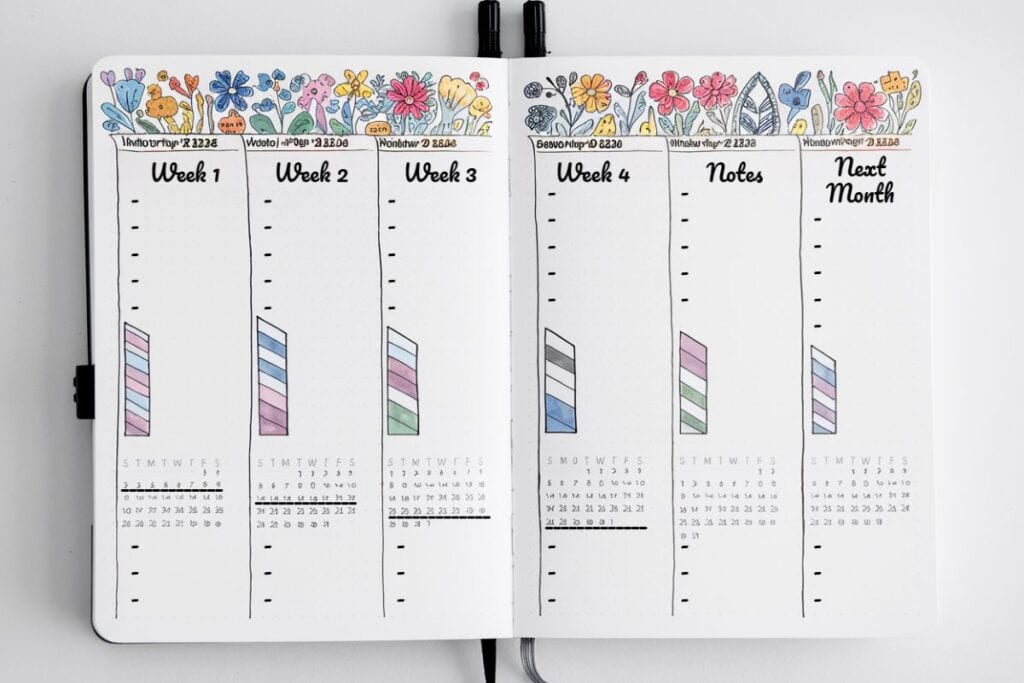
Routine tasks, whether household chores, self-care practices, or regular work-related duties, are essential for maintaining order and well-being. However, they can easily be overlooked amidst more pressing demands. Dedicated bullet journal spreads can ensure these recurring tasks are consistently addressed.
9. Efficient Scheduling: Time-Based Tasks in a Bullet Journal
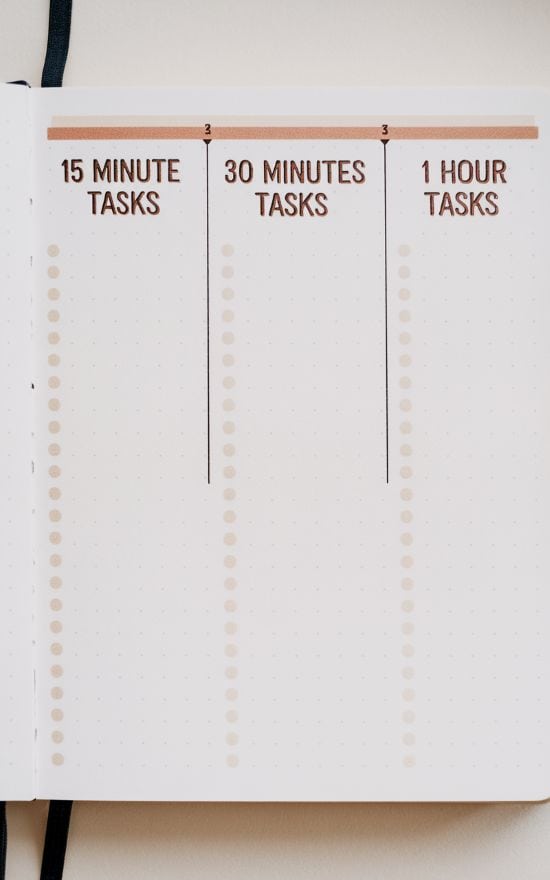
For individuals who manage their time in discrete blocks, a time-based task list is highly effective. This layout allows users to assign specific tasks to particular time slots, creating a structured schedule for the day. This method is particularly useful for those who work in environments with fixed schedules or who benefit from a minute-by-minute breakdown of their day. It helps in estimating the time required for each task and ensures that all activities are accounted for.
10. Consistent Habits: Weekly Recurring Tasks Spread
A dedicated spread for weekly recurring tasks is an excellent tool for habit formation and maintenance. By listing tasks that need to be completed each week, individuals can create a checklist to ensure consistency. This is invaluable for household chores, personal care routines, or regular project upkeep. The act of checking off completed tasks reinforces positive habits and provides a visual record of diligence.
11. Flexible Execution: Weekly Rotating Tasks
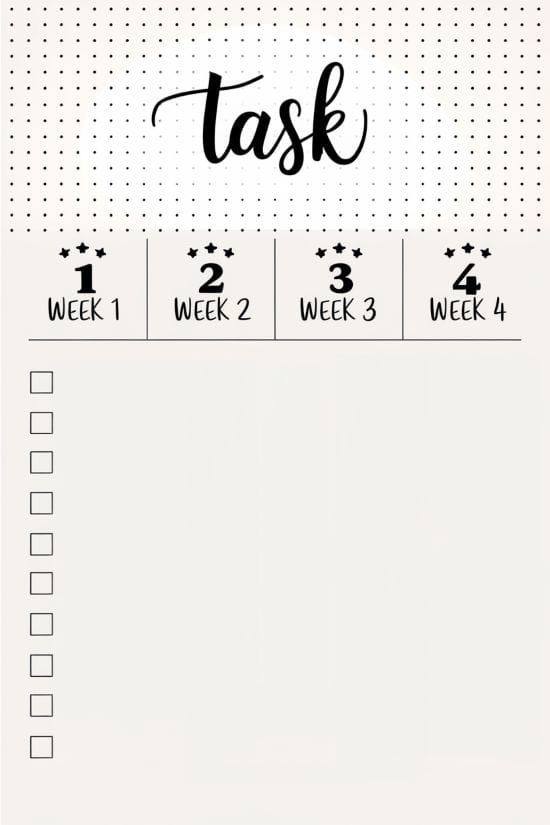
When weekly responsibilities vary, a "Weekly Rotating Tasks" spread offers the necessary flexibility. This layout allows users to jot down the specific tasks for each week, adapting to changing demands. It is particularly useful for project-based work or roles where responsibilities fluctuate. This adaptable approach ensures that no task is missed, regardless of its recurrence.
12. Project Management: Bullet Journal Project Planner To-Do List
Large projects can be daunting, but breaking them down into manageable steps using a project planner to-do list within a bullet journal is highly effective. This involves identifying key milestones, outlining sub-tasks, and assigning deadlines. By visualizing the project’s progression through distinct stages, individuals can maintain focus, track progress, and celebrate achievements along the way. This method is crucial for ensuring the successful completion of complex endeavors, whether professional or personal.
The Enduring Value of To-Do Lists in Bullet Journaling
In conclusion, the bullet journal to-do list is far more than a simple checklist. It serves as a powerful organizational tool, a catalyst for productivity, and a reflection of an individual’s approach to time management and goal achievement. The inherent flexibility of the bullet journal system allows for endless customization, enabling users to find layouts and strategies that best suit their personal planning styles and needs. Whether opting for minimalist lists, vibrant color-coding, or intricate project planning, the ultimate goal is to create a system that promotes clarity, reduces overwhelm, and drives consistent progress toward desired outcomes. By embracing the iterative nature of bullet journaling and experimenting with different approaches, individuals can unlock their full potential and effectively "get things done."

