
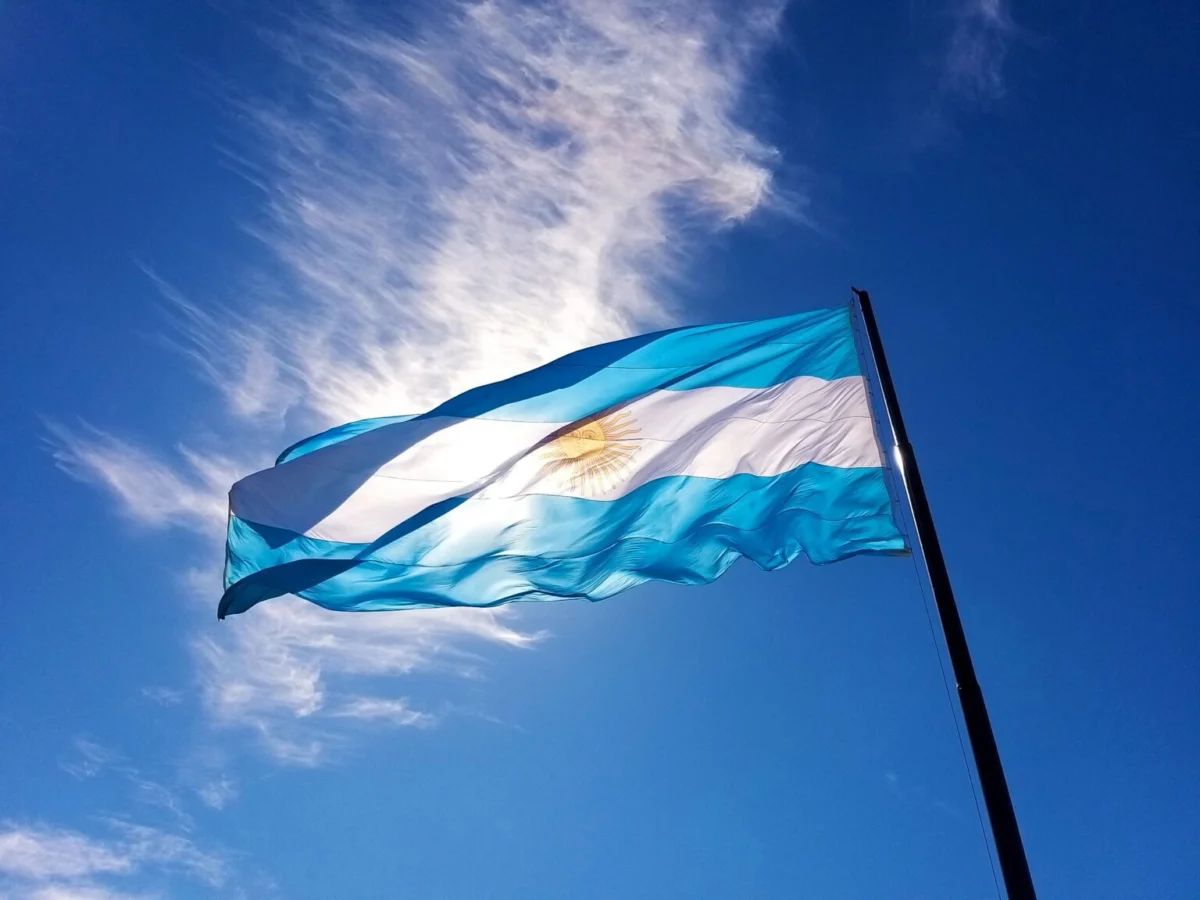
eToro, the prominent social trading and investment platform, has officially announced its acquisition of LB Finanzas, a leading Argentine fintech company, marking a significant milestone in the firm’s strategy to establish a localized operational hub within Latin America. This acquisition, the fourth for eToro in the 2026 calendar year, signals a decisive shift toward deep regional localization as the London-based brokerage seeks to capture a larger share of the burgeoning digital wealth management market in the Southern Cone. While the financial terms of the deal have not been publicly disclosed, the integration of LB Finanzas is expected to provide eToro with an immediate, robust infrastructure in one of the world’s most active regions for retail investing and cryptocurrency adoption.
A Strategic Pivot to the Southern Cone
The acquisition of LB Finanzas is not merely an expansion of eToro’s user base but a strategic move to leverage local expertise in a complex regulatory and economic environment. Founded in Rosario, Argentina, LB Finanzas has carved out a niche by offering a comprehensive suite of financial services tailored to the specific needs of the Argentine market. The platform provides retail customers with access to a diverse array of assets, including domestic and international stocks, Exchange-Traded Funds (ETFs), cryptocurrencies, and money market funds.
Central to LB Finanzas’ appeal is its ability to bridge the gap between traditional banking and modern digital investment. The company provides users with dual-currency accounts denominated in both Argentine pesos (ARS) and United States dollars (USD), alongside integrated payment capabilities. This "all-in-one" functionality is particularly relevant in the Argentine context, where persistent inflation and currency volatility have driven a massive surge in demand for dollar-denominated assets and stable investment vehicles.
By acquiring an established player like LB Finanzas, eToro avoids the protracted process of building a regional operation from the ground up. Instead, it gains an immediate foothold with an existing license framework, a seasoned local team, and a brand that has already earned the trust of Argentine retail investors.
Analyzing eToro’s 2026 Acquisition Strategy
The move to acquire LB Finanzas follows a period of intense M&A activity for eToro, which has been aggressively consolidating its position across various sectors of the fintech industry throughout 2026. The acquisition of the Argentine firm is the latest in a series of strategic purchases designed to enhance eToro’s technological stack and geographic reach.
The chronology of eToro’s 2026 expansion includes:
- April 2026: eToro acquired Zengo, a secure crypto wallet provider known for its multi-party computation (MPC) technology, aimed at enhancing the security of eToro’s self-custody offerings.
- May 2026: The company purchased Bit2C, a long-standing cryptocurrency exchange based in Israel, to solidify its dominance in its home market and integrate advanced trading features.
- August 2026: eToro finalized the acquisition of TradeZero, a brokerage platform specializing in active trading and short-selling tools, aimed at attracting more sophisticated retail traders in the North American market.
- November 2026: The acquisition of LB Finanzas serves as the capstone for the year, providing the necessary infrastructure to scale operations across Latin America.
This sequence of acquisitions demonstrates a clear pattern: eToro is no longer content with being a singular global platform. Instead, it is evolving into a conglomerate of localized financial hubs that can cater to specific regional regulations, currency requirements, and investor behaviors.
Economic Drivers in the Argentine Market
To understand the significance of this acquisition, one must look at the unique economic landscape of Argentina. The country has consistently ranked among the highest in the world for cryptocurrency adoption, largely as a hedge against the devaluation of the peso. According to various industry reports, Argentina frequently appears in the top 20 of the Global Crypto Adoption Index, with a high percentage of the population utilizing stablecoins to preserve their purchasing power.
Furthermore, the Argentine fintech sector has shown remarkable resilience. Despite macroeconomic headwinds, the "Rosario-to-Global" pipeline has produced several successful tech ventures. LB Finanzas, under the leadership of Co-Founder and CEO Camilo Cristia, identified early on that Argentine investors required the same level of sophistication and toolsets available to international investors, but with the ease of local currency on-ramps and off-ramps.
By integrating LB Finanzas, eToro is positioning itself to be the primary gateway for Argentines looking to diversify their portfolios internationally while maintaining the convenience of a local financial interface. The ability to offer money market funds and USD-denominated accounts alongside eToro’s signature "CopyTrader" technology creates a powerful value proposition for a population seeking financial stability.
Leadership Perspectives and Integration Roadmap
The leadership of both organizations has emphasized a shared vision of democratizing finance. Yoni Assia, Co-Founder and CEO of eToro, highlighted the importance of localized knowledge in his official statement, noting that the combination of LB Finanzas’ regional expertise and eToro’s global scale will accelerate the company’s mission across one of the world’s most dynamic regions.
“LB Finanzas has built a comprehensive, all-in-one investment platform, and joining forces with them will allow us to move faster and go further across the region,” Assia stated. This sentiment was echoed by Camilo Cristia, who reassured existing LB Finanzas clients that the transition would be seamless.
“For our clients, nothing changes today,” Cristia remarked. “What comes next is more products and more scale with the same team they already know.”
The integration roadmap is expected to involve the rebranding of LB Finanzas’ services under the eToro umbrella over the coming months, though the Rosario office will remain a central hub for Latin American operations. This hub will likely manage customer support, compliance, and product localization for other Spanish-speaking markets in the region, such as Chile, Colombia, and Peru, where eToro already has a growing user base.
Competitive Landscape and Regional Fintech Growth
The Latin American fintech market is currently a theater of intense competition. Major players such as Nubank (Brazil), Mercado Pago (the financial arm of Mercado Libre), and Ualá (Argentina) have already established massive user bases. However, eToro’s entry via the acquisition of LB Finanzas introduces a different competitive angle. While many regional fintechs focus on basic banking services and credit, eToro’s strength lies in multi-asset social investing and global market access.
The acquisition allows eToro to compete directly with local brokerages while offering a superior technological platform that includes:
- Social Investing: Allowing users to follow and copy the trades of successful investors globally.
- Fractional Shares: Providing access to expensive U.S. stocks and ETFs that might otherwise be out of reach for the average retail investor in Latin America.
- Crypto-Fiat Integration: Seamlessly moving between the Argentine peso and a wide variety of digital assets.
As the regulatory environment in Latin America becomes more defined—with countries like Brazil and Argentina moving toward clearer frameworks for digital assets—eToro’s proactive acquisition strategy places it ahead of the curve compared to other international brokerages that may still be operating on a cross-border basis without local entities.
Broader Implications for the Global Fintech Sector
The acquisition of LB Finanzas by eToro is indicative of a broader trend in the global fintech industry: the move from "globalization" to "glocalization." In the previous decade, fintech firms sought to offer a uniform product to the entire world. Today, the most successful firms are those that can navigate the nuances of local tax laws, payment rails, and cultural investment preferences.
For eToro, Argentina serves as a high-stakes testing ground. If the company can successfully integrate LB Finanzas and dominate the Argentine market despite its economic complexities, the model will likely be replicated in other emerging markets. The use of a "regional hub" strategy allows for centralized management while maintaining the agility of a local startup.
Furthermore, the focus on multi-asset platforms—combining stocks, crypto, and traditional banking—is becoming the industry standard. Consumers no longer want to manage five different apps for their financial lives; they want a single interface that handles their daily spending, their long-term savings, and their speculative investments. The acquisition of LB Finanzas, with its existing dual-currency and money market capabilities, fits perfectly into this "super-app" trajectory.
Conclusion and Future Outlook
As eToro prepares to close out 2026, the acquisition of LB Finanzas stands as a clear statement of intent. The company is doubling down on its international footprint, focusing on regions where the demand for sophisticated financial tools is highest. For the Argentine market, the arrival of eToro’s full suite of products represents a significant upgrade in the available infrastructure for retail wealth management.
In the long term, the success of this acquisition will be measured by eToro’s ability to convert LB Finanzas’ local success into a springboard for the rest of Latin America. With a localized hub now established in Rosario, the path is clear for eToro to challenge incumbents and redefine the investment landscape for millions of people across the continent. The fintech industry will be watching closely to see how eToro navigates the integration process and whether this regional hub model becomes the blueprint for future international expansions.

