
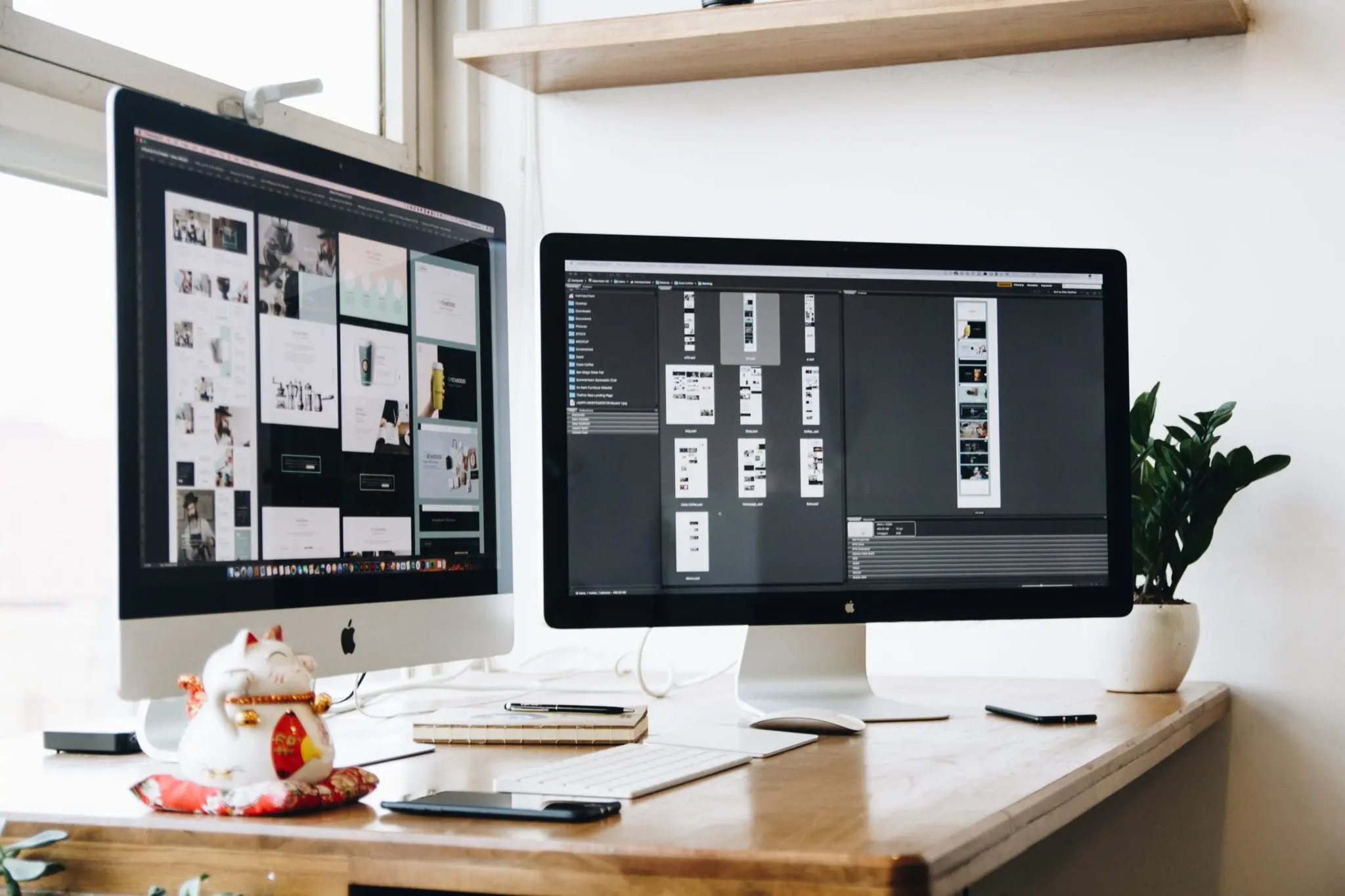
The digital age, amplified by recent global shifts, has irrevocably altered how individuals of all ages engage with their work, social lives, and leisure activities. For adults aged 50 and above, this heightened reliance on screens presents a unique set of challenges and opportunities. With social distancing measures and the increasing prevalence of remote work and virtual connections, screen time has transitioned from a casual pastime to a primary mode of interaction with the world. This article delves into the critical need for mindful screen usage among older adults, examining the potential health implications and offering expert-backed strategies to cultivate a healthier and more productive relationship with technology.
The Escalating Screen Time Phenomenon and Its Impact
Prior to the COVID-19 pandemic, average daily screen time for adults had already reached an estimated 11 hours. This figure has undoubtedly surged as individuals navigate remote work, virtual education, online social interactions, and digital entertainment. For the demographic aged 50 and beyond, this increased screen exposure can exacerbate pre-existing physical vulnerabilities, particularly concerning vision, posture, and spinal health. The sustained periods spent looking at digital displays, often in less-than-ideal ergonomic setups, can lead to eye strain, headaches, neck and shoulder pain, and long-term issues with the spine.
Vivienne Fleischer, President and Co-founder of Performance Based Ergonomics, a firm specializing in workplace safety and productivity, underscores the urgency of addressing these concerns. "As our lives become increasingly digitized, particularly for those in their 50s, 60s, and 70s, it’s crucial to proactively manage our screen time to prevent negative health consequences," Fleischer stated in a recent interview. "The goal isn’t to eliminate screen use, which is often impossible and counterproductive in today’s world, but to optimize our interactions with technology for both our well-being and our productivity."
Fleischer’s expertise highlights a growing awareness within ergonomic and health sectors about the specific needs of older adults. As individuals age, they may experience natural changes in vision, flexibility, and recovery from physical stress, making them potentially more susceptible to the adverse effects of prolonged screen use. Understanding these nuances is key to developing effective strategies.
Expert Guidance for Optimal Screen Engagement
To navigate this evolving digital landscape safely and productively, Fleischer offers a comprehensive set of actionable recommendations tailored for individuals aged 50 and above. These strategies focus on optimizing physical setup, safeguarding eye health, maintaining proper posture, and incorporating regular movement breaks.
1. Fortifying Your Digital Workspace: The Ergonomic Foundation
The temptation to use laptops, tablets, or smartphones on laps, couches, or beds is pervasive, often driven by convenience. However, Fleischer strongly advises against this practice, advocating instead for a "tech trio" approach. This involves utilizing a primary screen (such as a desktop monitor or a laptop placed on a riser) in conjunction with an external keyboard and mouse.
"This setup is fundamental," Fleischer explains. "It allows the screen to be positioned at an optimal eye level, ensuring the body remains upright and balanced. When the screen is at the correct height, your arms naturally fall close to your sides, promoting a relaxed and neutral posture, and your eyes are directed straight ahead, minimizing strain."
The importance of a stable, flat surface cannot be overstated. Fleischer recommends desks, kitchen counters, or even a sturdy ironing board as viable alternatives to the less stable surfaces of soft furniture. This ensures that the equipment is positioned securely and at a height conducive to proper posture. The investment in an external keyboard and mouse can significantly improve typing comfort and reduce wrist strain, further contributing to an ergonomic setup.
2. Elevating Your Visual Experience: The External Monitor Advantage
The inherent design of laptop screens presents a significant ergonomic challenge. Their integrated nature necessitates looking downward, which can lead to eye fatigue, headaches, and strain on the neck and upper back. Fleischer’s recommendation to use an external monitor or a laptop riser directly addresses this issue.
"An external monitor is a game-changer for anyone spending substantial time on a laptop," Fleischer emphasizes. "Alternatively, if a riser is used, the goal is to bring the laptop screen up to a height that aligns with your natural line of sight."
The ideal placement for any screen, whether it’s an external monitor or a laptop on a riser, is within an arm’s length of the body and centered. For most users, this means the top of the screen should be at or slightly below eye level. However, Fleischer notes a critical caveat for individuals who wear progressive lenses. "Those using progressive lenses will typically need to position their screen several inches lower than standard recommendations," she advises. "This prevents them from having to tilt their head upwards to see the screen clearly through the lower portion of their lenses, which can also cause neck strain." This nuanced advice reflects a deeper understanding of how visual aids interact with ergonomic principles.
3. Nurturing Your Vision: Proactive Eye Care Strategies
The constant bombardment of light from digital screens can lead to significant eye fatigue. Fleischer champions the "20-20-20 rule" as a simple yet highly effective method to combat this. "Every 20 minutes, take a break to look at something at least 20 feet away for a minimum of 20 seconds," she instructs. This simple practice allows the eye muscles to relax and recalibrate, reducing the cumulative strain of focusing on a fixed, close-up object.
Beyond the 20-20-20 rule, environmental factors play a crucial role. Ensuring adequate ambient lighting in the workspace is paramount. Overly dim or excessively bright lighting can both contribute to eye strain. Natural light, when available and positioned to avoid glare, is often the most beneficial.
Furthermore, Fleischer suggests considering technological aids like blue-light-filtering glasses or screen filters. "Blue light emitted from screens has been linked to disrupted sleep patterns and eye discomfort," she notes. "These accessories can help mitigate some of those effects, providing an additional layer of protection for your eyes." Research from institutions like the American Academy of Ophthalmology has explored the effects of blue light, with some studies suggesting potential impacts on circadian rhythms and retinal health, although more extensive long-term research is ongoing.
4. Cultivating Correct Posture: The Pillar of Spinal Health
Maintaining good posture is not merely about aesthetics; it is fundamentally linked to spinal health and overall comfort, especially for older adults. Fleischer’s advice focuses on creating a supportive seated environment.
"Sit back fully in your chair, ensuring it provides adequate lumbar support," she advises. "The chair’s design should complement the natural curve of your spine. Consciously pull your shoulders back and allow them to relax into a neutral position – avoid lifting them towards your ears or hunching them forward."
The position of the feet is also critical. Fleischer emphasizes keeping them flat on the floor. "If your feet don’t comfortably reach the floor, don’t force it," she states. "Use a footrest or even a stack of books or reams of paper to create a stable platform that supports your feet at a comfortable angle." This simple adjustment can alleviate pressure on the lower back and improve overall body alignment.
5. Integrating Movement: The Antidote to Sedentary Habits
The sedentary nature of prolonged screen time is a significant health concern. Fleischer advocates for breaking up extended periods of sitting with regular movement. "At the top of every hour, even if you don’t have a sit-stand desk, make a conscious effort to change your position," she recommends. "Alternate between sitting at your desk and standing at a counter or a higher surface for at least 10 minutes."
These hourly breaks are not the only essential component. Fleischer stresses the importance of more frequent, shorter breaks throughout the day. "Whether you’re participating in virtual meetings, catching up with friends on FaceTime, or researching retirement destinations, allocate at least 10 minutes every hour to stand, stretch, rest your eyes, and rehydrate," she says. This consistent incorporation of movement helps to counteract the negative effects of prolonged immobility, improve circulation, and reduce muscular stiffness.
Broader Implications and Future Outlook
The strategies outlined by Fleischer are more than just personal comfort tips; they represent a crucial aspect of preventative healthcare in an increasingly digital world. The implications of widespread poor ergonomic practices and excessive screen time among older adults could lead to a significant increase in musculoskeletal disorders, chronic pain conditions, and a diminished quality of life.
The proactive adoption of these principles can have far-reaching benefits, including increased productivity, enhanced focus, reduced healthcare costs associated with preventable ailments, and a greater sense of well-being. As technology continues to evolve, so too must our approach to integrating it into our lives. The insights from experts like Vivienne Fleischer provide a roadmap for navigating this digital frontier with health and efficacy at the forefront.
The trend towards remote work, telehealth services, and online social engagement is likely to persist, making these ergonomic considerations not just relevant for the current moment but essential for the long-term health and independence of older adults. As digital literacy continues to grow across all age groups, ensuring that this engagement is healthy and sustainable will be a key challenge for individuals, employers, and healthcare providers alike.
For those seeking further guidance and practical tips on optimizing their screen time, Vivienne Fleischer’s blog at Performance Based Ergonomics offers a valuable resource, providing ongoing insights and helpful hacks for a healthier digital life. The commitment to mastering one’s screen time is an investment in personal health, productivity, and overall enjoyment of life in the 21st century.
Bev Bachel, a freelance writer based in the Twin Cities, has over three decades of experience in working from home. A dedicated goal-setter, she is also the author of "What Do You Really Want? How to Set a Goal and Go for It: A Guide for Teens."

