

Starting a new bullet journal is an exciting endeavor, often accompanied by the subtle pressure of creating the perfect introductory page. This initial spread, commonly known as the cover page or introductory spread, serves as more than just a decorative element; it’s a foundational statement that sets the tone and intention for the entire journal. In an era where digital organization is prevalent, the resurgence of bullet journaling highlights a growing desire for tangible, personalized systems for productivity, creativity, and self-reflection. This article explores various strategies and ideas for crafting inspiring first pages in a bullet journal, emphasizing their role in fostering motivation and personal expression.
The psychology behind the cover page is significant. It’s the first visual and tactile interaction a user has with their new journal. A well-designed cover page can instill a sense of purpose and excitement, making the user more likely to engage with the journal consistently. Conversely, an uninspired or intimidating blank page can lead to procrastination. Experts in behavioral psychology suggest that the initial setup of any organizational system significantly impacts its long-term adherence. By investing time and thought into the first page, individuals create a personal anchor that reinforces their commitment to using the journal effectively.

Naming Your Bullet Journal: Establishing Identity
One of the most effective ways to personalize a bullet journal and imbue it with meaning is to give it a name. This simple act transforms the journal from a generic notebook into a personal companion or a dedicated space for specific intentions. The act of naming can be seen as an early form of commitment, akin to naming a pet or a significant project. This practice has historical precedents in personal diaries and logbooks, where individuals often inscribed their names or thematic titles on the front page.
A named journal can become a focal point for its intended purpose. Whether it’s "My Year of Growth," "The Creativity Codex," or simply "My Daily Log," the title serves as a constant reminder of the journal’s role. This can be presented in various styles: bold, artistic lettering; a minimalist, elegant script; or a playful font adorned with doodles and stickers. The visual appeal of the title page can significantly influence the user’s perception of the journal, making it more inviting and less of a chore.

1. Crafting a Catchy Tagline
Beyond a simple name, a tagline can encapsulate the essence of the journal’s purpose. For instance, a journal focused on personal development might feature the tagline, "Ink Your Intentions, Manifest Your Dreams." This adds a layer of depth and aspiration to the introductory page, acting as a guiding principle for the content within. The effectiveness of taglines in branding and marketing is well-documented; they distill complex ideas into memorable phrases. Applying this to personal journaling can create a powerful, concise statement of intent.
2. The Power of a Motivational Statement
A strong motivational statement or quote can serve as an immediate source of inspiration. This could be a personal mantra, a quote from an admired figure, or a phrase that resonates with the user’s current life goals. For example, "Make it Happen" or "Embrace the Journey" can set an empowering tone. Research in positive psychology consistently shows that affirmations and positive self-talk can influence mindset and behavior. Placing such a statement at the forefront of a journal reinforces these positive messages daily.

The Welcome Page: Setting the Stage
A dedicated welcome page acts as a gentle invitation into the world of the bullet journal. It’s the first step into a personalized organizational system, designed to make the user feel comfortable and motivated. This page can be as simple or elaborate as desired, but its primary function is to establish a welcoming atmosphere.
3. Encouraging Your Thoughts: A Warm Greeting
A "Welcome Back" or "Hello, [Your Name]" message can create a personal connection. This friendly greeting acknowledges the journal as a personal space. Adding a brief note about the journal’s purpose, such as "This journal is a space for reflection, growth, and organization," can provide immediate context. This mirrors the introductory sections found in many well-designed planners, which often include a welcome message and instructions for use.

The Foundation: Marking Time and Purpose
Establishing a clear temporal and thematic framework is crucial for any journal. This typically involves dedicating space for the current year, the user’s "word of the year," or a significant motivational quote that will guide their entries.
4. Dedicating the Current Year: A Temporal Anchor
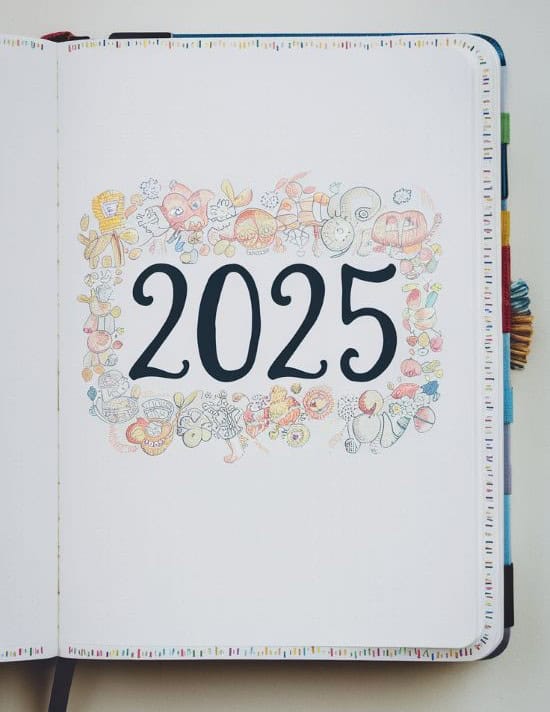
Clearly marking the current year on the first page serves as a vital temporal anchor. This simple act grounds the journal within a specific timeframe, facilitating organization and retrospective analysis. Whether presented with bold calligraphy, minimalist typography, or embellished with decorative elements like stickers or drawings, the year designation is a fundamental component. This practice is consistent with how calendars and diaries have historically been structured, providing a clear reference point for entries.

5. The Significance of a Word of the Year
Choosing a "word of the year" has become a popular practice in personal development and journaling communities. This single word acts as a guiding principle, embodying the user’s primary focus, aspiration, or mindset for the upcoming year. Words like "Growth," "Balance," "Courage," or "Clarity" can serve as powerful thematic anchors. Writing this word prominently on the cover page, perhaps accompanied by a brief explanation of its personal meaning, transforms the journal into a focused tool for intentional living. This concept aligns with goal-setting theories, where a clear, overarching objective can drive behavior and decision-making.
6. Achieving Greatness Through Focused Intent
The concept of a "word of the year" can be further elaborated into a more comprehensive statement of intent. This could involve a phrase that encapsulates the user’s aspirations for achievement, such as "This year, I will cultivate resilience and achieve my ambitious goals." Such a statement acts as a powerful affirmation, reinforcing the user’s commitment to personal growth and accomplishment. The psychological impact of articulating goals is well-documented; it increases the likelihood of achieving them.
Inspirational Content: Fueling the Journey
Beyond structural elements, the cover page can be a canvas for inspiration, featuring quotes, affirmations, or artistic expressions that resonate deeply with the user.
7. Focused and Proactive: A Call to Action
A powerful quote that encourages action and focus can be highly motivational. Phrases like "I will get focused and take action now" serve as a direct prompt for proactive engagement. This type of statement draws on principles of self-efficacy and behavioral activation, encouraging the user to move from planning to doing. The visual presentation, whether through bold lettering or accompanying graphics, can amplify its impact.

8. Organized and Productive: Setting the Standard
For many, the primary purpose of a bullet journal is organization and productivity. A cover page that reflects these goals, such as "Get Organized and Be Productive," sets a clear expectation for the journal’s contents. This can be enhanced with simple iconography or a clean, structured design that visually represents order and efficiency. Such statements align with productivity methodologies that emphasize clear goal setting and task management.
9. The Power of Positive Affirmations: Cultivating Gratitude
A dedicated space for positive affirmations can be a cornerstone of a motivational cover page. Statements like "I am grateful for this moment" or "I am capable of achieving anything I set my mind to" can foster a positive mindset. Research has shown that regular practice of gratitude and positive affirmations can lead to increased well-being, reduced stress, and enhanced resilience. Presenting these affirmations prominently on the first page ensures they are seen regularly, reinforcing their benefits.

10. My Bujo – My Year: A Personal Declaration
Combining the concepts of naming the journal and dedicating it to the current year, a phrase like "My Bujo – My Year" or "My Journal – My Journey" offers a personal declaration of ownership and intention. This blend of personalization and temporal focus can create a strong emotional connection to the journal, encouraging consistent use. The visual design can incorporate elements that reflect the user’s personality, further enhancing its appeal.
Functional Elements as Cover Art
For those who prioritize functionality, even the essential organizational elements of bullet journaling can be creatively presented as cover pages.

11. The Index: A Roadmap to Your Thoughts
The index is a fundamental component of the bullet journal system, serving as a table of contents that allows users to quickly locate specific entries. Presenting the index as the first page, perhaps with a stylized title like "My Journal’s Navigation" or "Index of Insights," can elevate its importance. The visual design can incorporate decorative borders or minimalist icons to make it more engaging than a purely functional list. The effectiveness of an index in organizing information is a principle applied across various fields, from library science to digital databases.
12. The Key: Decoding Your Symbols
Similarly, the key, which defines the symbols used for tasks, events, and notes, is crucial for an efficient bullet journal. Designing the key page as an artistic spread, with carefully drawn symbols and clear definitions, can transform a practical necessity into an attractive feature. This approach acknowledges the structured nature of the bullet journal system while still allowing for creative expression. The clarity provided by a well-defined key is essential for the system’s success, ensuring that entries are easily deciphered and tracked.

The Broader Impact of Intentional Journaling
The practice of crafting an intentional bullet journal cover page extends beyond mere aesthetics. It taps into fundamental principles of self-organization, motivation, and personal development.
Background Context: The bullet journal method, developed by Ryder Carroll, gained significant traction in the mid-2010s as an analog system designed for mindfulness and productivity. Its adaptability allows users to create personalized layouts for tracking tasks, events, habits, and reflections. The emphasis on a minimalist approach, combined with the potential for creative customization, has made it a popular alternative to digital planning tools.

Supporting Data: Studies on journaling consistently highlight its benefits. Research published in the Journal of Consulting and Clinical Psychology has shown that expressive writing can lead to improved mood and reduced stress. Furthermore, goal-setting research, such as that explored by Edwin Locke, emphasizes the importance of clear, specific, and achievable goals, which a well-designed bullet journal can help to define and track. The "word of the year" trend aligns with this, providing a singular focus for personal growth.
Analysis of Implications: The act of designing a bullet journal cover page is a deliberate act of intention-setting. By investing time and creativity into this initial step, individuals are signaling their commitment to engaging with their journal. This engagement can lead to enhanced self-awareness, improved organization, and a greater sense of control over one’s life. In a world often characterized by constant digital distractions, the tangible nature of a bullet journal, combined with personalized design, offers a unique pathway to mindfulness and intentional living. The variety of approaches, from minimalist functional pages to elaborate artistic spreads, underscores the system’s flexibility and its ability to cater to diverse user needs and preferences.

In conclusion, the bullet journal cover page is a critical element that bridges the gap between a blank notebook and a personalized tool for growth. By thoughtfully considering its design and content, individuals can create an inspiring and motivating introduction to their journaling journey, setting the stage for a more organized, productive, and fulfilling experience.

