
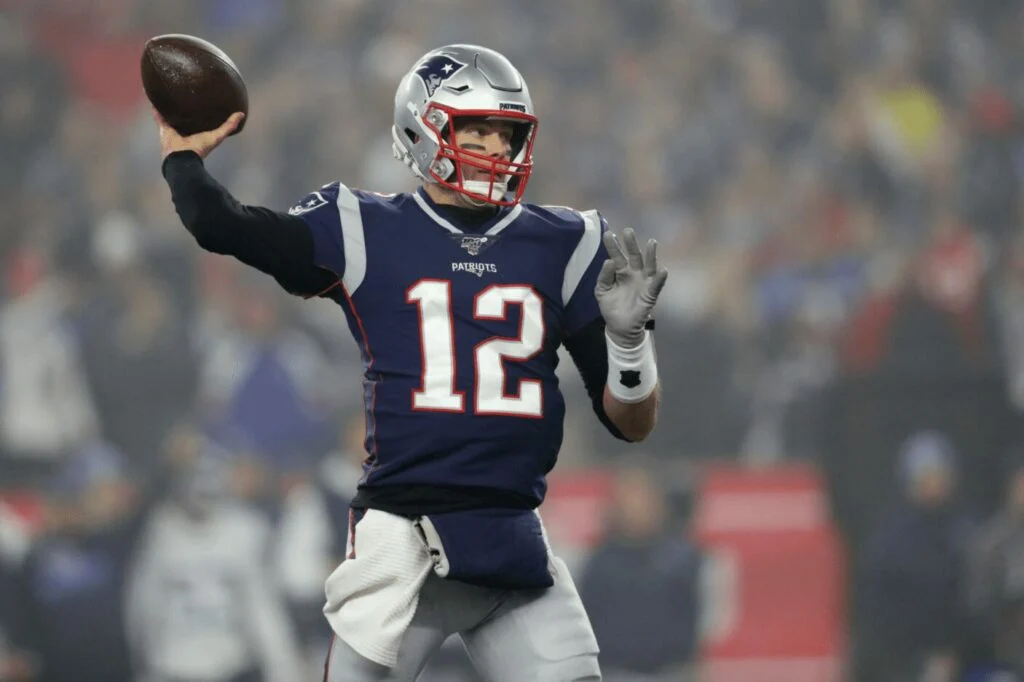
The decision by Tom Brady, arguably the most decorated quarterback in NFL history, to retire from professional football has ignited widespread discussion, extending far beyond the realm of sports. While his unparalleled success, immense wealth, and celebrity status might seem distant from the everyday experiences of most individuals, a closer examination of his retirement announcement and the circumstances surrounding it reveals several universally applicable principles. These lessons, when dissected and contextualized, offer valuable insights for anyone contemplating their own career transitions and future life stages, regardless of their profession or financial standing. This analysis delves into the multifaceted aspects of Brady’s retirement, extracting actionable wisdom for planning one’s own post-career journey.
The Art of Knowing When to Exit: Timing and Self-Awareness
One of the most prominent takeaways from Tom Brady’s retirement is the crucial importance of recognizing when it is the right time to step away from a demanding career. Brady, who had previously expressed a desire to play until the age of 45, ultimately announced his retirement in February 2022, just shy of his 45th birthday and following a season where he led the league in passing yards. This decision, though perhaps slightly ahead of his stated personal benchmark, underscores a profound level of self-awareness and an understanding of his own physical and mental capacity.
This principle resonates deeply with individuals in all professions. While many may set a target retirement age, it is equally vital to regularly assess one’s satisfaction, energy levels, and overall well-being in relation to their work. The NFL is an exceptionally grueling profession, demanding peak physical and mental performance year after year. Brady’s ability to step away while still performing at an elite level, rather than continuing until his performance inevitably declined, offers a powerful model for a graceful exit.
It is important to acknowledge the stark reality that not all retirements are voluntary. Data from organizations like the U.S. Social Security Administration consistently show that a significant percentage of individuals are compelled to retire earlier than planned due to unforeseen health issues, economic downturns, or job displacement. The U.S. Bureau of Labor Statistics, for instance, has reported that around 57% of men and 57% of women aged 65 and older were retired in 2021. For many, the decision is not entirely their own. Therefore, Brady’s proactive and self-directed retirement serves as an aspirational example, highlighting the benefits of being attuned to personal readiness and the opportune moments for transition, even if those moments fall short of an initially envisioned timeline. The ability to choose one’s departure, on one’s own terms, is a privilege that requires foresight and continuous self-evaluation.
The Strategic Advantage of "Going Out on Top"
Tom Brady’s final season with the Tampa Bay Buccaneers was, by many metrics, exceptional. He led the league in passing yards with 5,316, threw 43 touchdowns, and was a strong contender for the NFL MVP award. This performance directly aligns with his long-held philosophy of wanting to play "until he isn’t good anymore." His decision to retire following such a statistically dominant year allowed him to leave the game at the pinnacle of his profession, a rare feat in any competitive field.
This concept of "going out on top" is not exclusive to professional athletes. In the business world, leaders who manage to step down at the peak of their company’s success or during a period of strong personal performance often leave a more positive and lasting legacy. It contrasts sharply with the unfortunate reality of many individuals who "hang on" too long, their contributions diminishing, their roles becoming less impactful, and their reputations potentially suffering.
The implications of this approach are multifaceted. For the individual, it preserves the positive memories and achievements of their career, avoiding the potential for a drawn-out decline that could tarnish their legacy. For their organization or sport, it allows for a smoother transition of leadership and a clearer path forward without the disruption of a protracted farewell tour or a struggling veteran. Brady’s ability to maintain such a high level of play into his mid-40s, a testament to his rigorous training, diet, and dedication, is a remarkable achievement in itself, but his decision to retire while still performing at that level solidifies his status as a player who controlled his exit.
Building the "Next Act" During the Current Performance
Perhaps one of the most profound and transferable lessons from Tom Brady’s retirement is his proactive approach to building his "next act" long before his final whistle blew. During his illustrious NFL career, Brady strategically diversified his interests and investments, laying the groundwork for his post-football life. He co-founded TB12, a health and wellness brand focused on nutrition, fitness, and recovery, which became a significant enterprise. He also ventured into apparel with the Brady Brand and established 199 Productions, a company involved in content creation and media.
This foresight is a critical component of successful career transitions. The idea of waiting until retirement to ponder what comes next is often too late. Individuals who begin exploring their post-career aspirations while still gainfully employed have a distinct advantage. This can involve anything from pursuing further education, developing new skills, exploring volunteer opportunities, starting a side business, or dedicating time to personal passions like writing or travel.
The benefit of this early planning is twofold. Firstly, it allows for thorough research and exploration of various options. Understanding the realities of a chosen path – whether it’s consulting, non-profit work, or a creative endeavor – requires time and investigation. Secondly, it provides a buffer against the potential financial and psychological shocks of sudden unemployment or a complete cessation of structured activity.
A practical strategy for those still in the workforce is to engage in informational interviews with individuals who have successfully transitioned into their desired post-career roles. Scheduling regular (e.g., monthly) lunches or coffees with retired professionals who are pursuing similar activities can provide invaluable firsthand insights, practical advice, and a realistic perspective on what it truly takes to make a new venture succeed. Brady’s multi-faceted business empire demonstrates a commitment to building a sustainable and fulfilling life beyond the gridiron, a model that can be adapted by anyone seeking a meaningful transition.
The Indispensable Role of Family in Life Decisions
Tom Brady’s retirement announcement, though a public event, was undoubtedly influenced by deeply personal considerations, with family playing a significant role. While the specifics remain private, it is widely speculated that his desire to spend more time with his wife, Gisele Bündchen, and their children was a pivotal factor in his decision. This aspect of his retirement underscores a universal truth: major life decisions, especially those involving career changes, are rarely made in a vacuum.
For many individuals, particularly those who are married or in serious relationships, retirement planning is inherently a joint endeavor. Yet, surveys consistently reveal a significant disconnect in how couples perceive their retirement timelines and expectations. A 2022 Fidelity Investments survey, for instance, found that 57% of couples underestimated when their partner planned to retire. This discrepancy highlights a critical need for open, honest, and ongoing communication about retirement goals, financial expectations, and lifestyle aspirations.
Failing to have these conversations can lead to misunderstandings, unmet expectations, and potential marital strain. The process of planning for retirement should involve a series of in-depth discussions, where each partner feels heard and understood. It’s not simply about agreeing on a date, but about envisioning a shared future, understanding individual desires, and collaboratively building a plan that supports both partners’ well-being and happiness. Brady’s decision, viewed through this lens, serves as a reminder that prioritizing family and shared life goals is a fundamental aspect of a well-rounded and fulfilling retirement.
Navigating the Exit with Grace and Professionalism
The manner in which Tom Brady concluded his NFL career, particularly his initial retirement announcement, drew some criticism for its perceived oversight in not immediately and prominently acknowledging the New England Patriots, the franchise for which he played for two decades and achieved unprecedented success. While he later issued a more comprehensive statement addressing all his affiliations, the initial omission sparked debate about professional etiquette and gratitude.
This situation offers a valuable lesson in the importance of "being the bigger person on the way out" of any professional role. Regardless of the circumstances of departure, maintaining a level of grace and professionalism is paramount. Burning bridges, engaging in public recriminations, or succumbing to petty grievances can have long-lasting negative repercussions.
The temptation to express frustration, disappointment, or even anger upon leaving a job or organization can be strong, especially if the departure was not entirely amicable. However, the long-term consequences of such actions often outweigh any perceived short-term satisfaction. A "scorched earth" approach to exiting a role, as exemplified by the hypothetical resignation letter described in the original article, rarely serves the individual well. Such behavior can damage professional networks, limit future opportunities, and create a lasting negative reputation. In contrast, leaving with integrity, expressing gratitude for opportunities, and maintaining respectful relationships, even with those with whom there may have been disagreements, fosters goodwill and preserves professional capital. Brady’s eventual more comprehensive acknowledgement of his past affiliations reflects an understanding of this principle, emphasizing the wisdom of prioritizing dignity and positive relationships during transitions.
The Open Door: Embracing the Possibility of Return
A crucial aspect of modern retirement planning, and one that Tom Brady’s career trajectory exemplifies, is the concept of "not locking the door." The traditional notion of retirement as a definitive, one-way street is increasingly being challenged by evolving societal trends and individual desires. Studies have shown a growing phenomenon of retirees "unretiring," returning to the workforce for reasons that extend far beyond financial necessity.
Research, including data from organizations tracking retirement trends, indicates that a significant percentage of individuals who retire do so within a few years. For instance, pre-pandemic studies in the U.S. and UK suggested that over 20% of retirees returned to work within five years. While financial motivations are sometimes a factor, a more common driver is the desire to regain a sense of purpose, combat feelings of isolation, and maintain cognitive engagement. The camaraderie and social interaction derived from a workplace can be deeply missed, and the structure and challenge of work can provide a vital sense of identity and contribution.
Brady’s own situation is a prime example of this fluidity. His initial retirement was relatively short-lived, as he announced his return to the NFL for the 2022 season just weeks after his first announcement, this time with the Tampa Bay Buccaneers. This dramatic reversal fueled speculation about future moves, including a potential return to his hometown team, the San Francisco 49ers, a scenario reminiscent of Brett Favre’s own recurring retirements and returns. This ability to unretire, or at least to remain open to new opportunities, suggests that retirement should not be viewed as an absolute endpoint, but rather as a transition that can be revisited or redefined. For individuals planning their futures, maintaining flexibility and keeping options open, whether for part-time work, consulting, or entirely new ventures, can lead to a more dynamic and fulfilling later stage of life. The key is to maintain skills, networks, and a willingness to adapt, ensuring that the "door" to future engagement remains ajar.
Joe Casey, an executive coach and author, emphasizes these principles in his work, helping individuals navigate career transitions and design fulfilling post-career lives. His podcast, "The Retirement Wisdom Podcast," consistently ranks among the most popular globally, and his upcoming book, "Win the Retirement Game: Outsmart the 9 Forces Trying to Steal Your Joy," further explores strategies for a successful and joyful retirement. His insights, grounded in extensive experience and observation, reinforce the notion that while Tom Brady’s circumstances are unique, the underlying lessons of timing, strategic planning, family consideration, professional conduct, and adaptability are universally valuable for anyone contemplating the arc of their working life and beyond.

