
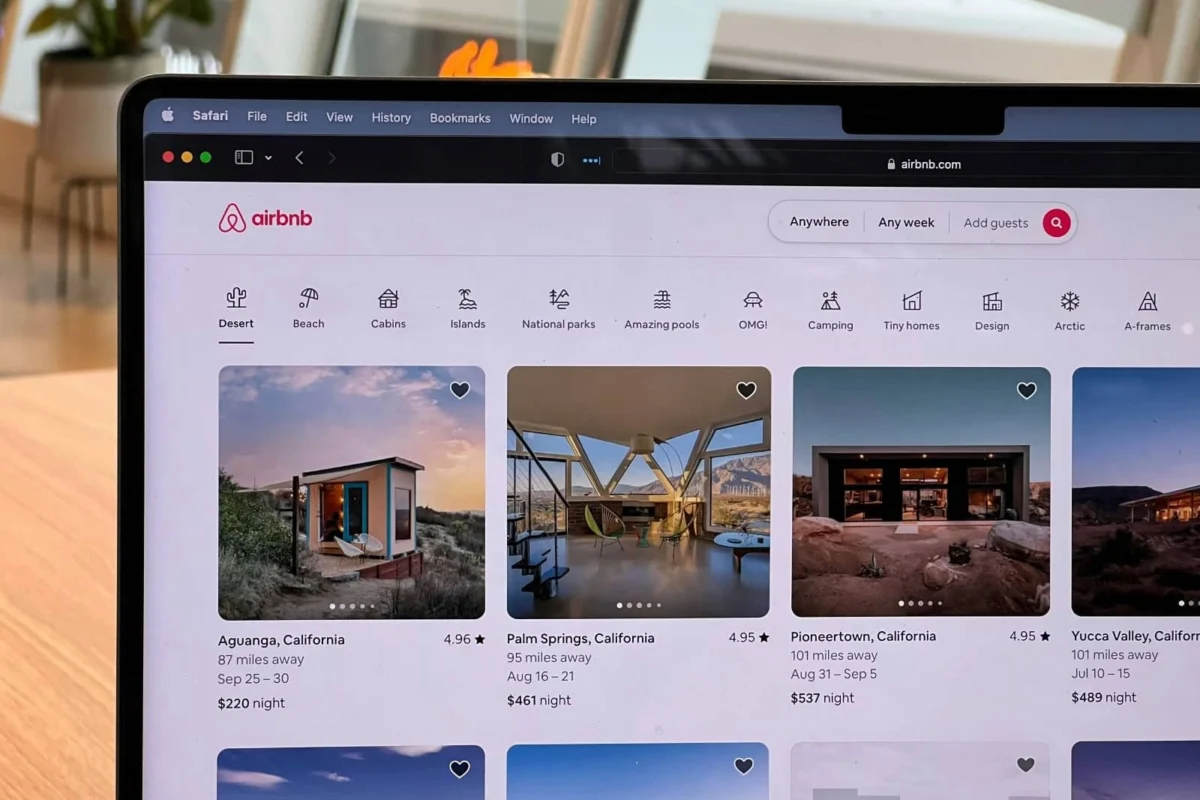
When Brian Chesky, CEO of Airbnb, took the stage for the company’s highly anticipated Summer 2026 release event, the initial buzz focused on the platform’s expansion into adjacent travel services like car rentals, curated boutique hotel partnerships, and even grocery delivery. These guest-facing announcements, while significant, served as a bright, attention-grabbing facade for a more profound, and largely under-discussed, transformation occurring within the core booking engine. The true seismic shift, poised to fundamentally alter how properties secure bookings and redefine the competitive landscape for hosts and property managers, lies in four integrated Artificial Intelligence (AI) features that have, until now, remained in the background.
The event, held on a recent Tuesday, saw Chesky unveil a suite of new offerings designed to broaden Airbnb’s appeal beyond traditional vacation rentals. However, the immediate media coverage and industry analysis concentrated on these visible expansions. What was overlooked by many was the quiet yet powerful implementation of AI aimed at hyper-personalizing the guest experience at the individual listing level. This isn’t a platform-wide optimization; it’s a granular adjustment where the content, imagery, and social proof a potential guest encounters on a property page can now dynamically change based on Airbnb’s AI-driven understanding of that specific traveler’s intent, preferences, and past behavior. The same property, powered by the same underlying data, will present a distinct profile to each unique visitor. This represents a fundamental reimagining of what it means to "optimize a listing" in the modern travel market.
The implications of this AI-driven personalization are far-reaching. For hosts and property managers who have historically focused on static listing descriptions and general appeal, this development necessitates a strategic re-evaluation of their content and presentation. The previous emphasis on broad appeal and a singular, optimized listing is now superseded by the need to provide a rich, multi-dimensional data set that Airbnb’s AI can leverage to tailor the experience for each potential guest.
Understanding the Four Pillars of Airbnb’s AI-Driven Personalization
At the heart of this transformation are four key AI features that Airbnb is now deploying, each designed to create a more relevant and compelling booking journey for travelers:
Feature 01: Personalized Listing Highlights
Airbnb’s AI is now dynamically surfacing different aspects of a property listing based on a guest’s inferred trip purpose and known preferences. For instance, a family planning a vacation with children might be shown highlights emphasizing the property’s extra bedrooms, child-friendly amenities, and outdoor play spaces. Conversely, a remote worker seeking a temporary office might see prominent details about high-speed Wi-Fi, dedicated workspaces, and quiet environments. This personalization occurs without the host needing to create multiple distinct listings. Instead, Airbnb’s algorithm intelligently selects and emphasizes existing content from a single listing to resonate with the individual guest.
The consequence of this feature is a heightened importance for comprehensive and detailed listing content. Incomplete amenity lists, vague descriptions, or a lack of specific detail can now create significant "blind spots" for potential guests, making it harder for the AI to identify and highlight relevant features. Hosts are encouraged to ensure every attribute of their property is thoroughly described and showcased, as any missing information could be a missed opportunity for personalized appeal.
Feature 02: AI-Curated Review Highlights
With over a billion reviews accumulated on the platform, Airbnb is leveraging AI to intelligently extract and present specific reviews, and even key phrases within those reviews, that directly address a guest’s anticipated concerns or desires. This is a departure from generic review summaries. Instead, it offers targeted social proof, curated to align with the property’s strongest attributes and personalized for each visitor.
This feature elevates the importance of review quality and depth. Properties with limited or superficial reviews, particularly on key attributes, will be at a disadvantage. Not only might they receive lower overall ratings, but they could also become "invisible" on dimensions that are critical to specific guest segments if those aspects aren’t adequately addressed in guest feedback. Hosts are thus incentivized to cultivate detailed and attribute-specific reviews that can be effectively leveraged by the AI.
Feature 03: "Ask About the Home" – AI-Powered Content Retrieval
A significant enhancement for guest inquiries, the "Ask About the Home" feature allows users to pose natural-language questions about a property. Airbnb’s AI then scours the listing’s reviews, photos, and map data to provide an answer. Questions such as "Is there a hiking trail nearby?" or "Does the backyard have shade?" or "Is the kitchen large enough for a group?" can now be answered directly within the platform.
Previously, unanswered questions or those requiring external research could lead to lost bookings. Now, if the relevant information exists within the listing’s content—be it a specific photo, a detailed review, or descriptive text—the AI can surface it. The absence of such content means the question may go unanswered, potentially leading the guest to seek alternatives. This underscores the need for rich, visually and textually informative content that anticipates common guest queries.
Feature 04: AI-Generated Listing Comparisons
When a guest saves multiple properties to a wishlist, Airbnb now provides an AI-generated comparison. This is not a simple table of amenities but a tailored "case" for each property, highlighting its unique advantages based on relevant themes, review insights, and key differentiators identified by the AI for that specific traveler.
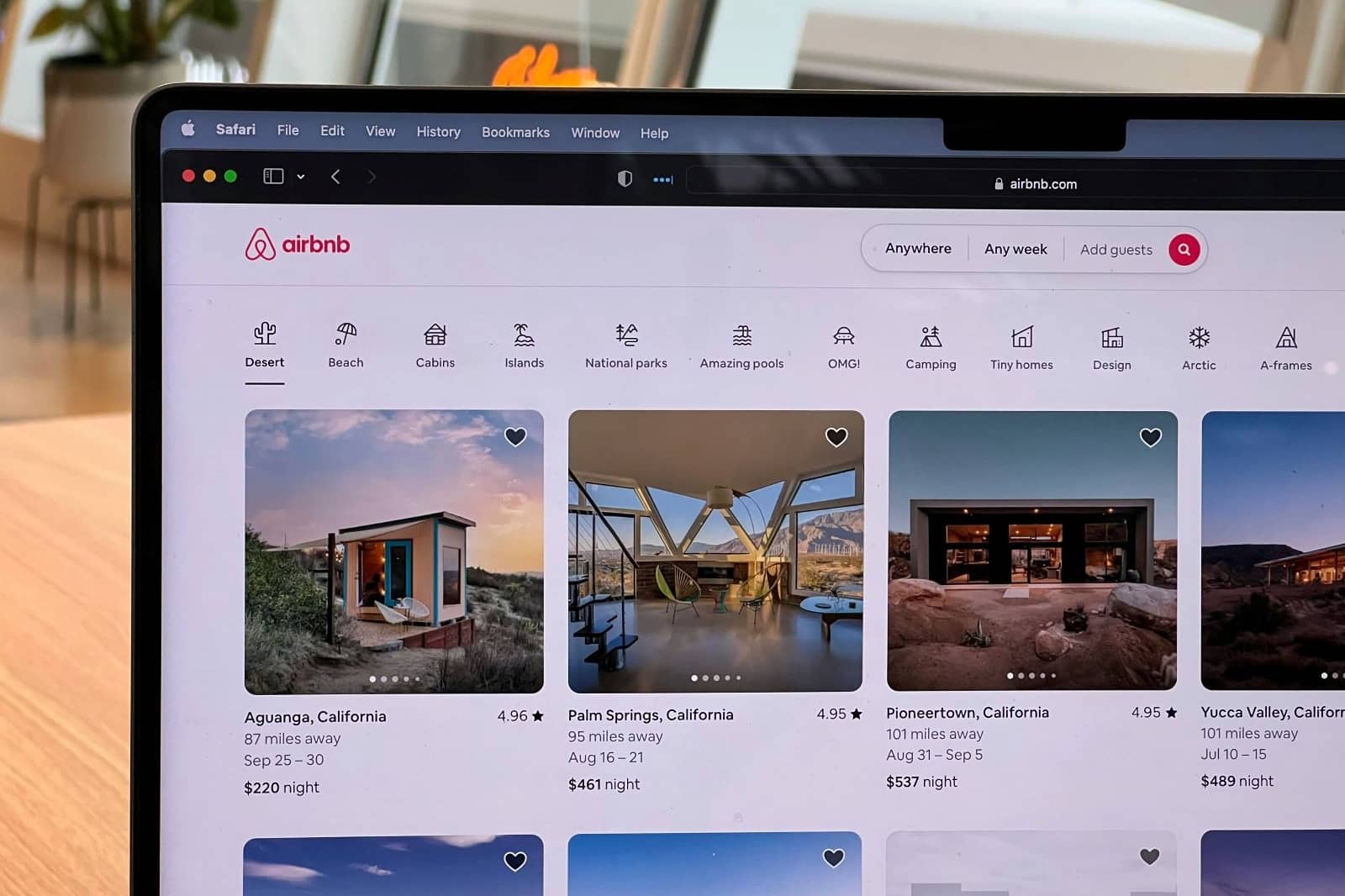
This shifts the competitive dynamic beyond mere price or star ratings. Hosts are now competing on how effectively Airbnb’s AI can articulate the value proposition of their listing to a particular guest. Properties that offer richer, more comprehensive data within their listings are better equipped to "win" these AI-generated comparisons, demonstrating a stronger fit for the guest’s needs.
Strategic Implications for Hosts and Property Managers
The overarching message from Airbnb’s latest advancements is clear: passive or minimally maintained listings are becoming increasingly disadvantaged. Properties that actively provide the AI with a wealth of detailed and accurate information are poised to gain a significant competitive edge.
For individual hosts, this means that listing descriptions, photo captions, amenity lists, and even house manuals are no longer just static guest information documents. They are now critical components of the AI’s training data, influencing how the property is presented to potential bookers. Vague or generic content will likely yield equally vague or uninspired search results. Conversely, specific, rich, and multi-dimensional content provides the AI with the necessary material to effectively match the property with the right guests at the opportune moment.
Property managers, in particular, must recalibrate their review strategies. The focus should expand beyond achieving high star ratings to actively encouraging detailed, attribute-specific feedback from guests. Reviews that mention specific positive aspects, such as "fast Wi-Fi," "a remarkably quiet street," or "exceptional proximity to the beach," are now valuable, indexable content that the AI can leverage. Post-checkout communication should be designed to elicit these granular details, turning guest feedback into a powerful marketing asset.
Furthermore, the strategy for property photography is undergoing a significant evolution. Beyond aesthetics, photos must now be functionally informative. This means including images that visually answer common guest questions, such as detailed shots of workspace setups, clear views of backyard amenities, or visual representations of parking availability. Airbnb’s AI can now reference these images in real-time to address guest inquiries, making visual content a crucial part of the AI’s decision-making process.
The Broader Context: A Data-Driven Evolution
The developments unveiled at Airbnb’s Summer 2026 release are not merely incremental product updates; they represent the logical culmination of a long-term strategy championed by CEO Brian Chesky. This strategy has focused on building the most comprehensive profile data on both guests and hosts within the travel industry and then activating that data for enhanced personalization. The platform has now reached a critical mass of data density—encompassing guest preferences, property characteristics, and booking patterns—to enable personalization at a scale that no individual host or property manager could manually replicate.
The good news for proactive hosts is that the data advantage Airbnb is cultivating is derived from their own contributions: their reviews, their photos, and their listing details. Those who have invested in creating rich, detailed, and honest listings over time have inadvertently built a significant competitive asset. Conversely, hosts who treated their listings as a mere compliance exercise may find themselves at a disadvantage.
This juncture necessitates a thorough audit of existing listings, not solely for visual appeal but for depth and comprehensiveness. Hosts should critically assess which property attributes have not been adequately described, which common guest questions their current photos fail to answer, and which crucial review themes are underservovided. As the booking algorithm becomes increasingly sophisticated, the content within each listing must evolve to match its advanced capabilities.
Conclusion: The Algorithm as the New Salesperson
Airbnb has effectively transitioned the booking process into a fully personalized experience. The platform now utilizes a property’s reviews, photos, and detailed listing data to construct a dynamic, real-time case for—or against—its selection by every potential guest.
Hosts and property managers who strategically leverage their listing content as a valuable asset will undoubtedly secure more bookings. Those who fail to adapt will find their properties becoming increasingly invisible, not due to inherent inferiority, but due to a lack of rich, exploitable data. The AI is now performing a significant portion of the sales function, and it is imperative for hosts to ensure they have provided it with sufficient, high-quality information to effectively champion their offerings. The future of Airbnb bookings is intrinsically linked to the depth and quality of listing data, transforming a static description into a dynamic, AI-powered sales pitch.

