
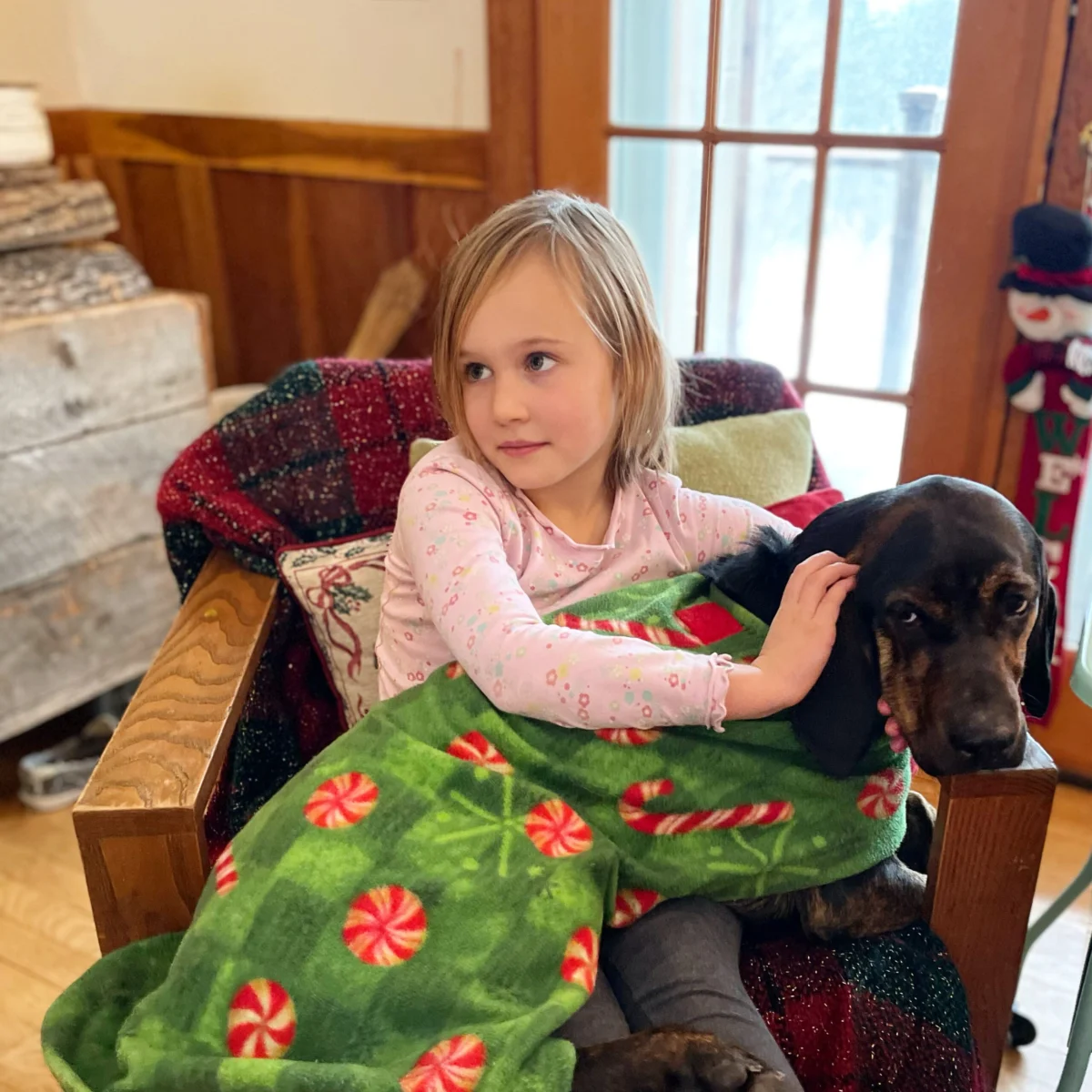
The case of a Vermont family’s struggle to integrate a rescued hound into their household has highlighted the significant financial and emotional complexities of canine separation anxiety, a condition that affects approximately 14 to 17 percent of the domestic dog population. In late 2022, the family, known for their focus on financial independence and rural living, encountered an emaciated hound that would eventually test the limits of behavioral intervention, veterinary medicine, and household resources. The subsequent four-month effort to stabilize the animal, named Genevieve (Gigi), resulted in a total expenditure of $2,373.25—nearly triple the average annual cost of a healthy pet—before the family ultimately determined that rehoming was the only viable solution for the animal’s welfare and the family’s stability.
Chronology of the Rescue and Behavioral Decline
The timeline began in late September 2022, when a female hound appeared in a rural Vermont yard. The animal was found in a state of physical distress, showing signs of malnutrition and numerous superficial injuries. Initial attempts to locate an owner through local advertisements and microchip scanning were unsuccessful. Observers theorized that the dog was a displaced member of a bear-hunting pack, a common occurrence in the region’s mountainous terrain where hunting dogs occasionally lose contact with their handlers.

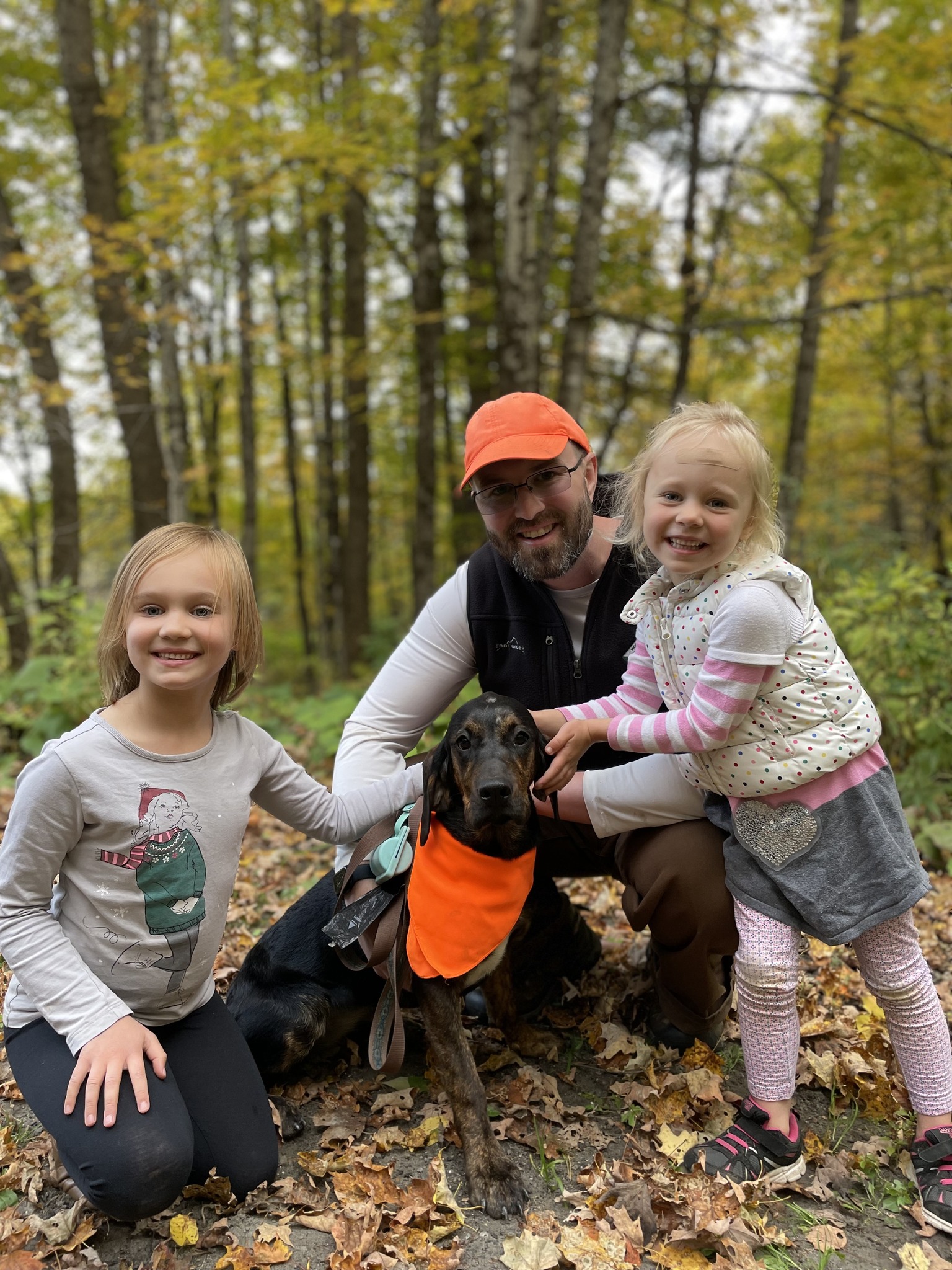
On October 3, 2022, the family formally adopted the dog. While the animal exhibited exemplary behavior in the presence of humans—demonstrating proficiency in hiking and social interactions with children—a severe behavioral pathology emerged whenever she was left alone. The dog suffered from acute separation-related behavior (SRB), a clinical condition characterized by panic attacks, vocalization, and destructive tendencies. In Gigi’s case, the anxiety manifested in physiological distress, including immediate elimination (urination and defecation) and obsessive pacing within five minutes of human departure.
Multimodal Intervention Strategies
Over the following four months, the owners implemented a rigorous, multimodal treatment plan involving behavioral modification, technological monitoring, and pharmacological support. This structured approach is often recommended by the American Veterinary Society of Animal Behavior (AVSAB), yet in this instance, the severity of the animal’s condition proved resistant to standard protocols.
1. Behavioral Modification and Training
The family engaged a professional canine trainer to implement desensitization and counter-conditioning. The protocol involved "short-duration departures," where owners leave the home for increments as brief as thirty seconds, gradually increasing the time as the dog remains calm. Despite consistent application, the dog remained unable to surpass a five-minute threshold without entering a state of clinical panic.
2. Technological and Environmental Monitoring
To better understand the triggers and progression of the anxiety, the owners installed a surveillance system to monitor the dog’s behavior in her crate. When visual monitoring failed to provide a breakthrough, they upgraded to a remote-controlled treat-dispensing camera. This technology allows owners to reinforce calm behavior from a distance. However, the dog’s level of arousal during departures was so high that she became non-responsive to food rewards, a common indicator that an animal has surpassed its "threshold" of manageable stress.
3. Pharmacological Intervention
Veterinary consultations led to a series of escalating medical trials. The dog was initially prescribed mild anti-anxiety medications. When these proved ineffective, the treatment plan moved toward mild sedatives and, eventually, tranquilizers. According to the owners’ records, none of these pharmaceutical interventions succeeded in suppressed the panic response or preventing the physiological symptoms of her distress.
Analysis of Financial Impact and Pet Ownership Economics
The financial burden of the four-month period provides a stark contrast to the standard economic expectations of pet ownership. Data from the ASPCA suggests that the average annual cost of owning a medium-to-large dog typically ranges between $1,000 and $1,500, with the first year being the most expensive due to initial medical fees.

The family’s detailed ledger reveals a total spend of $2,373.25 between October 2022 and early 2023. This averages to approximately $593 per month, significantly exceeding the $77 monthly average the family reported for their previous pet, a retired racing greyhound.
Expense Breakdown for the Four-Month Period:
- Medical and Veterinary Services: $1,553.00 (Including spaying, vaccinations, multiple diagnostic visits, and various behavioral medications).
- Training and Behavioral Tech: $278.77 (Including professional sessions and surveillance hardware).
- General Maintenance and Supplies: $541.48 (Including high-quality food, orthopedic bedding, toys, and specialized outdoor gear like snow booties and high-visibility vests).
This financial data underscores the "hidden" costs of rescue animals, particularly those with trauma or breed-specific needs. The hound’s likely background as a pack animal meant her psychological well-being was inextricably linked to the presence of other canines, a factor the owners could not provide as a single-pet household.

Official Responses and Rehoming Outcomes
By early 2023, the owners concluded that the situation was unsustainable. The daily requirement of bathing a panicked animal and the inability of the family to leave their home together had created a restrictive environment that impacted the quality of life for both the humans and the dog.
The family contacted a foster-based rescue organization specializing in difficult-to-place animals. Upon intake, the rescue organization conducted their own behavioral assessment. Their findings confirmed the owners’ suspicions: Gigi did not suffer from generalized anxiety, but specifically from a lack of "pack security." The rescue reported that when the dog was placed in an environment with other canines, her separation anxiety vanished. She was able to remain calm in a house as long as other dogs were present, confirming that her behavioral issues were a byproduct of her specific social requirements as a hound.
Gigi was subsequently adopted by a family with multiple dogs. The rescue organization noted that such "successful failures"—where a dog is a poor fit for one home but thrives in another—are a critical component of modern animal welfare. The original family contributed $600 to the rescue to cover the costs of the transition, ensuring the dog’s long-term care was financially secured.
Broader Implications for Prospective Pet Owners
The case serves as a cautionary analysis for prospective pet owners, particularly those looking to rescue stray or working-breed animals. Behavioral experts suggest that the "honeymoon period" for a new dog can often mask deep-seated psychological issues that only emerge once the animal feels secure in its environment.
Furthermore, the experience highlights the importance of "lifestyle matching." For an active family with young children, a dog requiring 24-hour human or canine companionship represents a significant logistical hurdle. The owners noted that during Gigi’s tenure, they were unable to attend church, school events, or family excursions together, illustrating how pet behavioral health is a factor in broader family dynamics.
Regional Context: The Vermont Environmental Factor
The story of the family’s domestic challenges occurred against a backdrop of broader regional instability. In July 2023, Vermont experienced catastrophic flooding following torrential rains that decimated infrastructure across the state. While the family reported that their residence remained dry, their quarter-mile driveway was severely damaged, presenting another unforeseen "rural expense."

The intersection of these events—the high cost of a rescue animal and the high cost of maintaining rural property during climate-related disasters—emphasizes the necessity of robust emergency funds for those living outside urban centers. The family’s ability to absorb the $2,300 pet expense and the subsequent driveway repairs without entering debt is a testament to the financial "buffer" they have advocated for in their professional work.
Conclusion
The departure of Gigi from the household represents a complex intersection of animal welfare science, personal ethics, and financial pragmatism. While the family expressed a sense of failure regarding their inability to "fix" the dog’s anxiety, the data suggests that the rehoming was a medically and behaviorally sound decision. By placing the dog in a multi-dog "pack" environment, the root cause of her distress was addressed in a way that training and medication could not achieve in a single-pet home.
For the broader community, the case illuminates the reality that pet ownership is not merely a commitment of the heart, but a significant financial and lifestyle risk. As pet abandonment rates fluctuate nationally, the transparency regarding the costs and emotional toll of rehoming provides a realistic look at the responsibilities inherent in modern animal guardianship. The family has indicated they will not seek another pet in the immediate future, choosing instead to focus on local community recovery following the Vermont floods and providing "part-time" care by dog-sitting for neighbors—a solution that fulfills the family’s affinity for animals without the permanent logistical and financial constraints revealed during the Gigi experience.

