
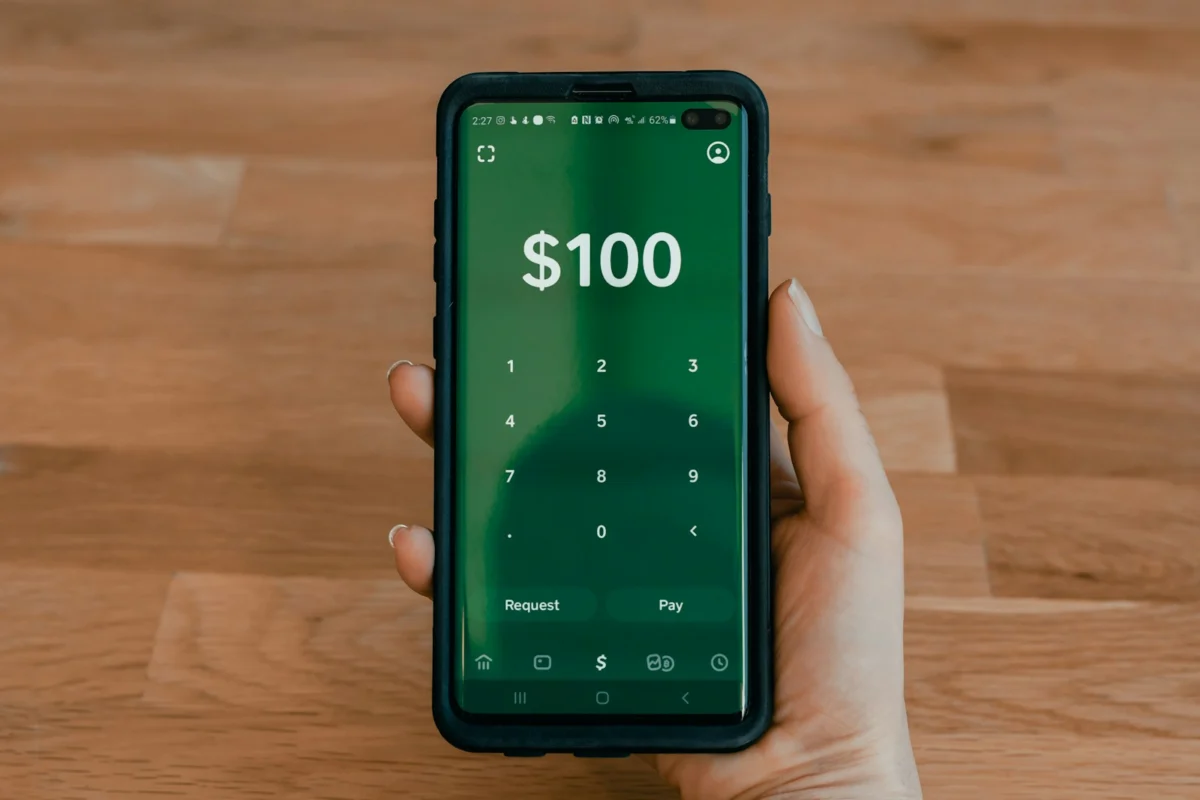
A significant demographic shift is underway as young adults, particularly those under 30, increasingly turn to supplemental income streams to navigate challenging economic landscapes. With the global gig economy valued at an estimated $556.7 billion in 2024 and projected to triple by 2032, side hustles are no longer merely a trend but a fundamental aspect of financial resilience for a growing segment of the population. Data from Whop (2024) indicates that nearly half of Generation Z (48%) engaged in a side hustle in 2024, closely followed by Millennials at 44%. This widespread adoption underscores a compelling economic imperative, further highlighted by a SurveyMonkey report revealing that 44% of Americans state a side hustle is essential for meeting their basic financial needs.
The Evolving Economic Landscape and Generational Imperative
The contemporary economic environment presents unique challenges for young adults. Many are grappling with the lingering effects of student loan debt, which, despite recent policy shifts, remains a substantial burden. Concurrently, persistent inflation has eroded purchasing power, and stagnant real wages have made it increasingly difficult for entry-level positions or even early-career roles to cover the rising costs of living, including rent, groceries, and transportation. This confluence of factors creates an environment where a single primary income often falls short of providing financial stability or the ability to save for future goals. For Gen Z and younger Millennials, who entered the workforce during periods of economic uncertainty, the concept of a "job for life" has largely been replaced by a dynamic, multi-faceted approach to earning. This generational outlook prioritizes flexibility, autonomy, and the ability to adapt to changing economic conditions, qualities intrinsically linked to the side hustle model.
The Gig Economy’s Ascent: A Chronological View
The gig economy, characterized by short-term contracts or freelance work rather than permanent jobs, has undergone a rapid evolution, primarily driven by technological advancements and shifting labor market dynamics. While informal "gigs" have always existed, the modern gig economy began to truly take shape in the late 2000s and early 2010s with the proliferation of smartphones and robust internet infrastructure. Platforms like Uber and Airbnb pioneered the model of connecting service providers with consumers through digital applications, demonstrating the scalability and efficiency of this approach.
In the subsequent decade, the concept expanded dramatically beyond transportation and accommodation. The development of sophisticated algorithms, secure payment gateways, and user-friendly interfaces enabled a vast array of micro-tasks and services to be digitized and monetized. By the mid-2010s, platforms facilitating everything from freelance writing and graphic design to dog walking and grocery delivery had become commonplace. This rapid expansion transformed the perception of supplemental income, making it accessible to individuals without specialized skills or significant upfront investment, aligning perfectly with the needs of young adults seeking flexible earning opportunities amidst economic pressures. The projected tripling of the gig economy’s value by 2032 signifies not just continued growth but its entrenchment as a foundational pillar of the global workforce.
Methodology for Identifying Accessible Earning Platforms
In response to the growing demand for flexible income solutions, a rigorous methodology was applied to evaluate and select a curated list of applications. The objective was to identify legitimate, free-to-start platforms that cater specifically to the needs of young adults under 30, often balancing primary employment, academic commitments, or significant student debt. The evaluation prioritized five key criteria:
- Accessibility and Barrier to Entry: Apps were selected based on their requirement for minimal prior experience or specialized skills. The focus was on platforms where new users could begin earning without extensive training or a professional portfolio.
- Zero Upfront Cost: A critical factor was the absence of any mandatory initial investment, subscription fees, or significant hardware/software purchases. This ensures that the apps are genuinely "free-to-start" and accessible to individuals with limited discretionary funds.
- Flexibility and Time Commitment: Given that many users are juggling multiple responsibilities, apps offering high flexibility in terms of work hours and commitment levels were preferred. This includes platforms allowing users to engage for short bursts of time at their convenience.
- Verifiable Payouts and Payment Options: Emphasis was placed on applications with a clear track record of reliable payouts. Platforms offering real cash (via PayPal, Venmo, direct deposit) or widely accepted gift cards were favored over those paying in proprietary, less liquid virtual currencies. Transparent minimum cashout thresholds were also a key consideration.
- User Experience and Reputation: The user interface, ease of navigation, and overall user reviews played a significant role. Apps with a positive reputation for customer support, clear guidelines, and minimal reported issues were prioritized.
This comprehensive approach ensured that the selected platforms genuinely offer practical and sustainable avenues for supplemental income, aligning with the core requirements of young adults seeking low-commitment, high-flexibility earning opportunities.
Detailed Analysis of Top Micro-Earning Applications
A range of digital platforms has emerged to facilitate these micro-gigs, each offering distinct avenues for earning. The following applications have been editorially ranked based on the aforementioned methodology, prioritizing their suitability for beginners under 30.
1. KashKick: Direct Cash for Engagement
KashKick operates as a get-paid-to (GPT) platform, distinguishing itself by offering payouts in real dollars rather than a points system, providing users with immediate clarity on their earnings. The platform has demonstrated significant growth, reporting over 3.5 million users and distributing $12 million in 2025 alone. Its parent company, Besitos Corporation, was recognized on the 2025 Inc. 5000 list as the 22nd fastest-growing private company in the U.S., with an impressive 8,151% revenue growth over the preceding three years, according to Eneba Hub. This institutional backing provides a strong indicator of its legitimacy and stability. KashKick appeals to beginners due to its low $10 minimum cashout threshold, facilitated conveniently via PayPal or Venmo without additional fees. Ideal for those seeking tangible cash rewards from activities like playing games, completing surveys, and engaging with offers, particularly if a low payout threshold is a priority. However, individuals preferring to avoid ID verification or those residing outside the U.S. may find it less suitable.
2. Swagbucks: The Diverse Rewards Ecosystem
As one of the internet’s most established rewards sites, Swagbucks has built a reputation for longevity and reliability. It compensates users in "SB points" for a wide array of activities, including participating in surveys, watching videos, playing casual games, and engaging in online shopping. Its cross-platform availability (web, Android, iOS) ensures accessibility from virtually any location. Swagbucks is best suited for individuals who appreciate a varied approach to earning, combining elements of market research, retail cashback, and entertainment within a single, points-based system. Conversely, those prioritizing the highest possible hourly wage or a direct cash payout system over points may find alternative platforms more appealing.
3. Mistplay: Monetizing Mobile Gaming
Mistplay innovatively transforms time spent on mobile gaming into tangible rewards. Operating as a loyalty program, the platform has disbursed over $150 million in gift cards to more than 10 million users since its inception in 2016, as reported by Visu.Network. The application is entirely free, requires no in-app purchases, and does not involve any form of wagering, allowing users to simply play and earn. This platform is particularly well-suited for Android users who regularly engage in mobile gaming and wish to accrue gift card perks for their existing leisure activities. iOS users, or those requiring direct cash payouts, might find Mistplay’s offerings less aligned with their preferences.
4. Rakuten: Seamless Cashback Integration
Rakuten offers a passive cashback solution, integrating into users’ existing online shopping habits. Partnering with over 3,500 retailers, the platform claims to have facilitated over $3.5 billion in savings for shoppers. The process is straightforward: users activate a browser extension or the mobile app before making online purchases, and cashback automatically accumulates. This system is ideal for frequent online shoppers seeking an effortless method to earn passive cashback on everyday expenditures. Individuals who rarely make online purchases will find their earning potential proportionally limited, making it less efficient for them.
5. Survey Junkie: Streamlined Opinion Monetization
Survey Junkie focuses exclusively on paid surveys, providing a direct conduit for users to share their opinions with brands and market researchers in exchange for compensation. Serving millions of members in the U.S., its appeal lies in its simplicity and singular focus. The platform’s low $5 minimum payout threshold makes it an accessible entry point for individuals exploring side hustles without significant commitment. It is best suited for beginners who prefer a straightforward survey tool and a rapid cashout process. Those seeking earning diversity beyond surveys or preferring game-based rewards may wish to explore other options.
6. InboxDollars: Cash Rewards for Varied Activities
InboxDollars distinguishes itself by paying users in actual cash, thereby eliminating the need for mental conversion from a points system. The platform offers a range of activities, including reading emails, watching videos, playing games, and completing surveys, with real dollar amounts accruing in the user’s account. New members are incentivized with a $5 sign-up bonus. This platform is advantageous for users who prefer direct cash remuneration over points systems and appreciate an initial bonus. However, its $30 PayPal cashout threshold might be perceived as high by users who prefer to access their earnings more frequently.
7. Ibotta: Targeted Grocery Savings
Ibotta transforms routine grocery shopping into an opportunity for earning cashback. Users browse available rebates within the app, purchase qualifying products at participating stores, and then scan product barcodes and their receipt. Cashback is typically credited within 24-72 hours of scanning. This app is highly beneficial for regular grocery shoppers who purchase branded items and are comfortable with a quick barcode and receipt scanning process. Individuals who predominantly buy generic brands or find receipt scanning cumbersome may find other cashback methods more convenient.
8. Fetch Rewards: Universal Receipt Scanning for Points
Fetch Rewards offers a remarkably low-effort method for earning rewards by simply snapping photos of any grocery, gas, or retail receipt. Unlike Ibotta, it does not require users to pre-select offers, providing a base amount of points for any receipt scan. Linking purchases of specific brands further boosts earning potential. Users commonly accumulate enough points for a $5 gift card within approximately two weeks. This platform is ideal for individuals seeking low-effort rewards for receipts they already possess. Those who prioritize direct cash over gift cards or are aiming for a higher per-receipt earning potential might consider alternative platforms.
Navigating the Realities of Supplemental Income: Key Considerations
While the allure of readily accessible supplemental income is strong, it is crucial for individuals to approach app-based earning with realistic expectations. Data from SurveyMonkey highlights a significant income gap within the side hustle economy: while the average side hustle generates $885 per month, the median income stands at a more modest $200. This disparity indicates that a few high earners can significantly skew the average, and app-based earnings typically reside at the lower end of this spectrum. Consequently, these platforms should be viewed as tools for supplementing income rather than replacing a full-time salary.
Furthermore, achieving profitability and establishing a consistent earning rhythm often requires a time investment, typically ranging from three to six months. During this period, users learn to identify high-value opportunities, optimize their time, and navigate platform-specific nuances. The availability of lucrative offers can fluctuate based on geographic location, demographic profiles, and prevailing market demands. Users should also anticipate experiencing "survey screen-outs," where they are deemed ineligible for a survey after answering initial demographic questions, resulting in no compensation for their time.
Practical considerations also include platform requirements such as ID verification, location access permissions, or a verified email address, often mandated before cashouts can be processed. Users should assess their comfort level with sharing such personal data. Moreover, it is important to briefly acknowledge potential tax implications, as earnings from side hustles, even small amounts, may be subject to income tax and should be factored into financial planning.
Broader Economic and Societal Implications
The widespread adoption of side hustles among young adults carries significant broader economic and societal implications. This trend reflects a fundamental shift in the nature of work, moving away from traditional, long-term employment models towards more fluid, project-based engagements. It underscores the increasing individualization of financial responsibility, where the onus is on individuals to patch together income streams rather than relying solely on a single employer for comprehensive financial security.
Economists and labor market analysts observe that this reliance on supplemental income highlights structural pressures within the economy, including wage stagnation relative to inflation and the increasing cost of education and housing. While side hustles offer flexibility and an immediate solution to financial shortfalls, they also raise questions about long-term career development, access to traditional employment benefits (like health insurance and retirement plans), and the psychological toll of constant financial precarity. The rise of the micro-gig economy, facilitated by these apps, may be reshaping definitions of work-life balance and influencing future policy discussions around social safety nets and labor protections.
Conclusion: Strategic Integration for Financial Resilience
In an era defined by economic volatility and rising living costs, app-based side hustles offer low-risk, zero-upfront-cost entry points into the supplemental income world. With 72% of Americans either currently engaged in or considering a side gig, and Gen Z leading with 34% participation, these platforms are becoming integral tools for financial resilience.
The key to successful engagement lies in strategic selection and realistic goal-setting. Individuals are encouraged to choose one or two applications that seamlessly integrate with their existing daily routines and preferences—whether that involves casual gaming, scanning receipts, or providing opinions through surveys. Setting modest weekly earning targets and avoiding the temptation to overcommit across too many platforms can prevent burnout and ensure a sustainable approach to supplementing income. By thoughtfully leveraging these digital tools, young adults can effectively bolster their financial standing, providing an essential buffer against economic pressures and fostering greater financial autonomy in a rapidly evolving economic landscape.

