
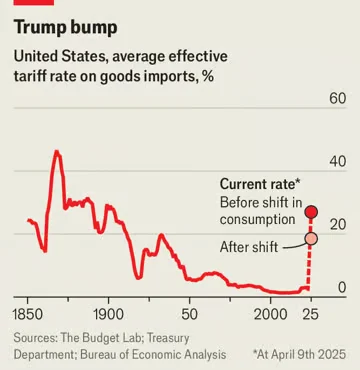
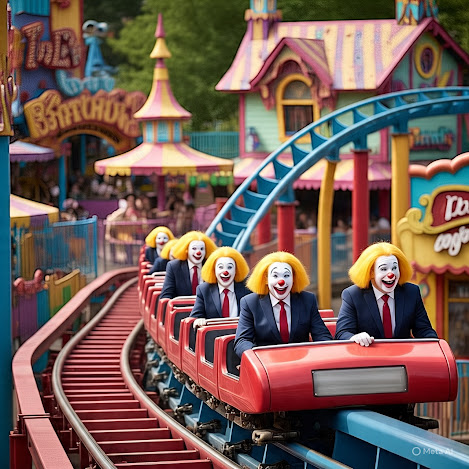
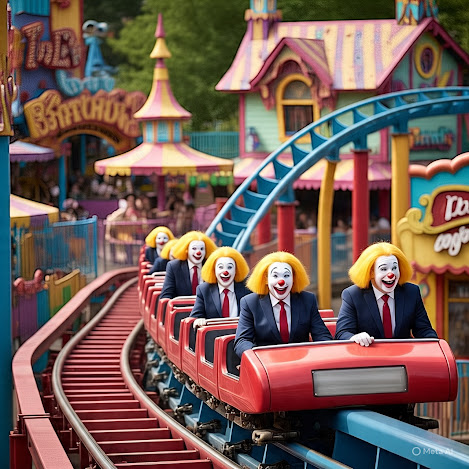
The global financial landscape has been characterized by profound volatility in recent months, with stock markets experiencing a roller coaster of sharp declines and equally rapid recoveries. This turbulence, particularly evident since early 2025, appears to be primarily driven by the escalating worldwide trade disputes and the imposition of tariffs. This article delves into the mechanisms of tariffs, their economic implications, and the broader context of their use in international trade, aiming to provide a comprehensive and objective analysis of the current economic environment.
Recent Market Dynamics and Tariff Catalysis
Following a multi-year bull run that culminated in February 2025, global equity markets entered a period of unprecedented instability. Major indices witnessed significant corrections, with some experiencing declines of up to 20% from their peaks at their lowest points. Remarkably, these markets subsequently rebounded with comparable swiftness, often returning close to their previous highs within a compressed timeframe. This rapid oscillation has left investors and businesses grappling with profound uncertainty, largely attributed to the evolving tariff policies initiated by the United States government. The abrupt shift in market sentiment, occurring immediately after a period of robust growth and seemingly stable economic indicators, underscores the acute sensitivity of interconnected global economies to trade disruptions and policy unpredictability.
Understanding Tariffs: A Fundamental Overview
At its core, a tariff is a tax levied by a government on goods imported into a country. These duties are typically paid by the entity responsible for bringing goods across the border – whether an individual consumer ordering a product directly from an overseas supplier, or large multinational corporations like Amazon, Walmart, or Apple importing vast quantities of merchandise. However, economic analysis consistently demonstrates that the ultimate financial burden of these taxes invariably falls upon the end consumer. As import costs rise for retailers, manufacturers, and distributors, these increased expenses are systematically passed on through higher retail prices, thereby diminishing consumer purchasing power.
Beyond consumer goods, tariffs impact various foundational sectors of the economy. Construction projects, for instance, face elevated costs due to duties on imported raw materials such as steel, copper, and lumber. This ripple effect extends directly to housing prices, where a significant portion of building materials originates from international suppliers. Economically, tariffs function similarly to a broad-based sales tax; their pervasive application tends to slow down overall economic activity and reduce discretionary spending. While tariffs do generate revenue for the government, potentially aiding national budgets or reducing deficits, this benefit is often offset by broader economic inefficiencies and increased costs throughout the supply chain.
Economic Rationale and Consequences
Governments employ various tax mechanisms—including sales, income, and corporate taxes—to fund public services and maintain fiscal solvency. The effectiveness of these systems hinges on maintaining tax levels that are as low, fair, and predictable as possible. This predictability is crucial for incentivizing economic activity, fostering business investment, and enabling long-term financial planning. The current tariff regime, characterized by frequent, high-profile, and often unpredictable adjustments to rates and targeted goods, deviates sharply from these established principles, introducing significant uncertainty into domestic and international business operations and investment decisions.
The primary stated justification for tariffs often revolves around protecting domestic industries. By imposing a tax on imported goods, domestic alternatives are theoretically granted a competitive advantage. For example, a substantial tariff on imported automobiles could boost sales for domestic manufacturers, potentially leading to increased profits and job creation within that specific sector. However, this domestic benefit often comes at the expense of higher prices and reduced consumer choice, as the protected domestic products may not be as competitive in quality, innovation, or variety as their imported counterparts.
Historically, tariffs have been used strategically for national defense, ensuring the viability of critical domestic industries necessary for security. Conversely, they can also be influenced by political lobbying, where specific industries or interest groups push for protectionist measures to secure their market position. Recent administrations, both Republican and Democratic, have utilized tariffs as a tool. The Trump administration famously employed tariffs as a central pillar of its trade policy, particularly targeting China. The Biden administration, while pursuing different overall trade priorities, also implemented tariffs, such as those on imported solar panel components. These particular tariffs have drawn criticism from economists for potentially hindering the rapid adoption of cheaper renewable energy technologies and ultimately increasing costs for both consumers and businesses engaged in green energy initiatives. This bipartisan use underscores the complex political economy of trade protectionism.
Tariffs and Employment: A Complex Equation
The argument that tariffs directly create jobs is frequently advanced by proponents of protectionist policies. When domestic industries benefit from reduced foreign competition, they may indeed expand operations, hire more workers, and invest in new manufacturing facilities. This localized boost in employment, however, is rarely achieved without broader economic repercussions. The increased cost of goods for consumers and businesses throughout the economy can stifle growth in other sectors. For instance, higher vehicle prices resulting from tariffs on imported cars translate to increased operational costs for logistics companies and ride-sharing services, potentially leading to higher delivery charges for consumers or reduced profitability for transportation businesses.

Furthermore, insulating domestic industries from robust international competition can diminish their incentive to innovate, streamline operations, and improve efficiency. While profits might increase in the short term for protected companies, the long-term trajectory of such industries can be slower and less dynamic compared to those operating in a highly competitive global market. This overarching effect explains why most economists advocate for tariffs to be used very sparingly, recognizing their potential for unintended negative consequences, overall employment reduction across the economy, and general economic slowdowns. Exceptions are typically limited to critical areas like food security or national defense, where the non-economic costs of dependence are deemed to outweigh the economic inefficiencies.
The Volatility Enigma: Presidential Discretion and Market Reaction
The unpredictable nature of tariff announcements has been a significant source of market volatility in recent times. Statements from political leaders suggesting the unilateral use of tariffs as a leverage tool often trigger immediate and pronounced market reactions. When tariffs are announced or increased, share prices typically decline as companies anticipate reduced profitability due to higher input costs or decreased sales volumes. Conversely, pauses or reductions in tariff threats often lead to market rallies, reflecting investor optimism about a potential return to more predictable trade conditions and reduced economic friction.
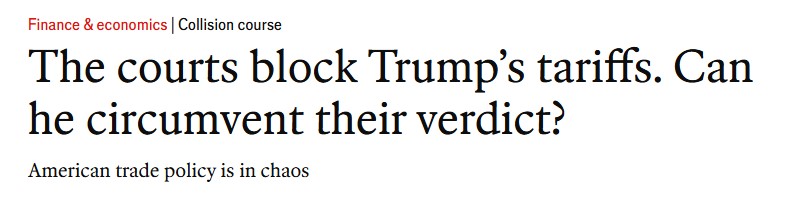
This dynamic highlights a critical vulnerability within the economic system: its susceptibility to the pronouncements and unilateral actions of a single individual or a small executive branch. Such executive overreach in trade policy challenges the traditional checks and balances enshrined in democratic governance, where economic policy is typically subject to extensive legislative debate, Congressional approval, and judicial review. Legal challenges against these discretionary tariff powers, as reported by various economic publications and legal analyses, indicate a growing push within the legal and business communities to restore constitutional balance and predictability to trade policy.
Historical Context and Current Scope
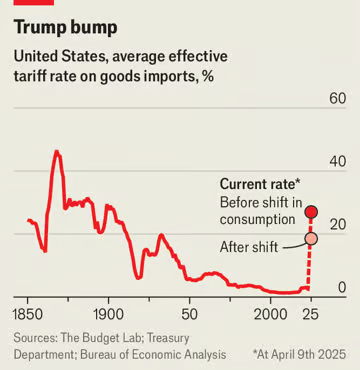
Current tariff levels, even after some adjustments and retractions, remain significantly higher than they have been for the majority of the post-World War II era—a period spanning over 75 years. The global economic order that emerged after World War II was largely built on principles of reduced trade barriers, free trade agreements, and international cooperation, fostering unprecedented global economic integration and growth. The dramatic shift to higher tariffs in recent years represents a notable departure from this long-standing and broadly successful policy framework.
While precise, real-time tariff figures are inherently fluid due to ongoing negotiations and policy changes, the fundamental point remains: the modern U.S. economy, with its highly complex global supply chains and deep reliance on international trade for both inputs and markets, is fundamentally designed for a low-tariff environment. Any substantial increase introduces significant friction, inefficiency, and uncertainty into this finely tuned system. Historical data, such as that compiled by The Economist illustrating 175 years of tariff history, consistently demonstrates the cyclical nature of protectionist policies and their often-detrimental long-term effects on national and global prosperity.
Lag Effects and Supply Chain Disruptions
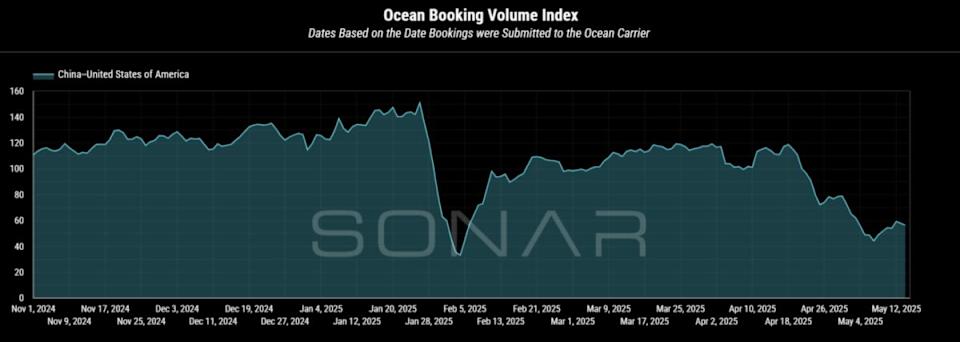
Despite the implementation of significant tariffs, consumers may not immediately notice widespread price increases across all goods. This lag is primarily due to the substantial inventory levels maintained within the U.S. economy. Like a massive cargo ship, the national economy takes time to change course. Prior to the full implementation of tariffs, many importers strategically increased orders to stockpile goods, creating a temporary buffer of cheaper products. This proactive inventory management has momentarily shielded consumers from the immediate impact of higher import costs.
However, this inventory is finite. Reduced imports, as indicated by various economic metrics such as the Freightwaves Ocean Shipping Index (OSI), suggest that these stockpiles are being depleted. If imports remain significantly suppressed over an extended period, shortages and price increases are anticipated to become more apparent, likely manifesting throughout the latter half of the current year. While the absence of certain non-essential imported items might be negligible, a sustained disruption in the supply of critical tools, machinery, and industrial components could have severe economic consequences, impacting manufacturing productivity, industrial output, and the cost of essential goods.
Potential Scenarios: Navigating the Future of Trade
The future trajectory of current tariff policies remains uncertain, with several potential outcomes that carry distinct implications for the global economy.
Scenario 1: Persistent High Tariffs
This scenario, while considered less likely by many economists, would entail a sustained period of elevated trade barriers. The consequences could include a widespread inflationary environment as imported goods become consistently more expensive, leading to reduced consumer spending and slower overall economic growth. Businesses would be forced to undertake costly and complex re-evaluations of global supply chains, potentially leading to reshoring efforts or diversification away from heavily tariffed regions. This could result in a more fragmented global economy, characterized by reduced international cooperation, decreased efficiency, and potentially lower overall global prosperity. Innovation might also suffer as companies divert resources towards adapting to new trade rules rather than investing in research and development for new products or efficiencies.
Scenario 2: De-escalation and Return to Lower Tariffs
This scenario posits that the tariffs are primarily a negotiating tactic designed to extract concessions from trading partners, or that their economic costs will ultimately prove unsustainable. If successful in achieving stated political aims, or if the domestic economic burden becomes too high, a de-escalation could see a gradual reduction in tariffs. This outcome would likely restore investor confidence, stabilize supply chains, and foster a return to more predictable international trade relations. Economic growth would likely accelerate as businesses regain clarity and consumers benefit from lower prices and greater choice. This approach aligns with the widely accepted economic principle that mutual prosperity is best achieved through collaborative, rules-based trade rather than protectionist competition.
The current market rebound, despite persistently elevated tariffs, suggests that investors are largely betting on the second scenario – an eventual truce and a resumption of more open international trade. This optimism reflects a belief in the resilience of democratic institutions and the long-term economic benefits of open markets.
Investor Sentiment and Market Resilience
The stock market’s remarkable journey from significant dips to near all-time highs within a span of just a few months, despite persistently high tariff levels, is a testament to investor belief in an eventual resolution to the current trade disputes. Each indication of a potential reduction or pause in tariff threats has historically corresponded with an upward movement in stock prices, signaling renewed confidence in a brighter economic future. This phenomenon underscores the critical importance of stability and predictability for market health and long-term investment. While the ride may continue to be bumpy as trade policies evolve, the underlying assumption among many investors is that the economic system will eventually self-correct, returning to a more balanced and democratic approach to economic policy. This sentiment is reflected in continued investment, with many financial experts advising against panic selling during periods of volatility.

The Imperative of Informed Analysis in a Disinformation Age
The recent economic volatility also serves as a stark reminder of the challenges in navigating information within the modern media landscape. Contemporary news cycles are often driven by attention-grabbing headlines, prioritizing sensationalism and rapid dissemination over nuanced factual reporting. This dynamic can inadvertently lead to a distorted perception of economic realities, fueling either irrational fear or undue optimism among the public.
To counter this, individuals must cultivate a critical and analytical approach to media consumption. Relying on original sources, seeking diverse and reputable perspectives, and developing a foundational understanding of key economic subjects are crucial. As expertise in a particular field grows, the inaccuracies and biases prevalent in much of commercial media become more apparent, highlighting the importance of independent analysis over headline-driven narratives. Ultimately, informed decision-making, whether in personal financial planning or broader civic engagement, requires a steadfast commitment to genuine understanding rather than passive absorption of readily available information. The ability to discern fact from sensationalism is paramount in an era where information overload can easily lead to misinformed conclusions.

