
A recent journey by a prominent advocate for financial independence into the heart of San Francisco has cast a stark light on the pervasive "personal finance bubble" that shapes individual perceptions of normalcy, revealing a chasm between frugal living and prevailing high-consumption lifestyles. The experience served as a powerful reminder that what one considers standard practice can be vastly different from the broader economic reality, offering profound insights into human behavior and the pursuit of financial well-being.
The observations, chronicled by the influential financial blogger known as Mr. Money Mustache (MMM), highlight a growing disconnect. For years, MMM has cultivated a community around the Financial Independence, Retire Early (FIRE) movement, advocating for aggressive saving, mindful spending, and a minimalist approach to consumption. Within his immediate circle, these principles have become so ingrained that substantial savings and a stress-free relationship with money are the norm. Friends openly share tips on home renovations, exchange budget-friendly finds, and even celebrate personal finance milestones like features on national business news outlets – achievements often mentioned only in passing, overshadowed by everyday acts of communal support. This self-reinforcing environment led MMM to a mistaken assumption: that the principles of "Mustachian" living had permeated American society, rendering his advocacy less critical.

A Glimpse Beyond the Bubble: San Francisco’s Paradox
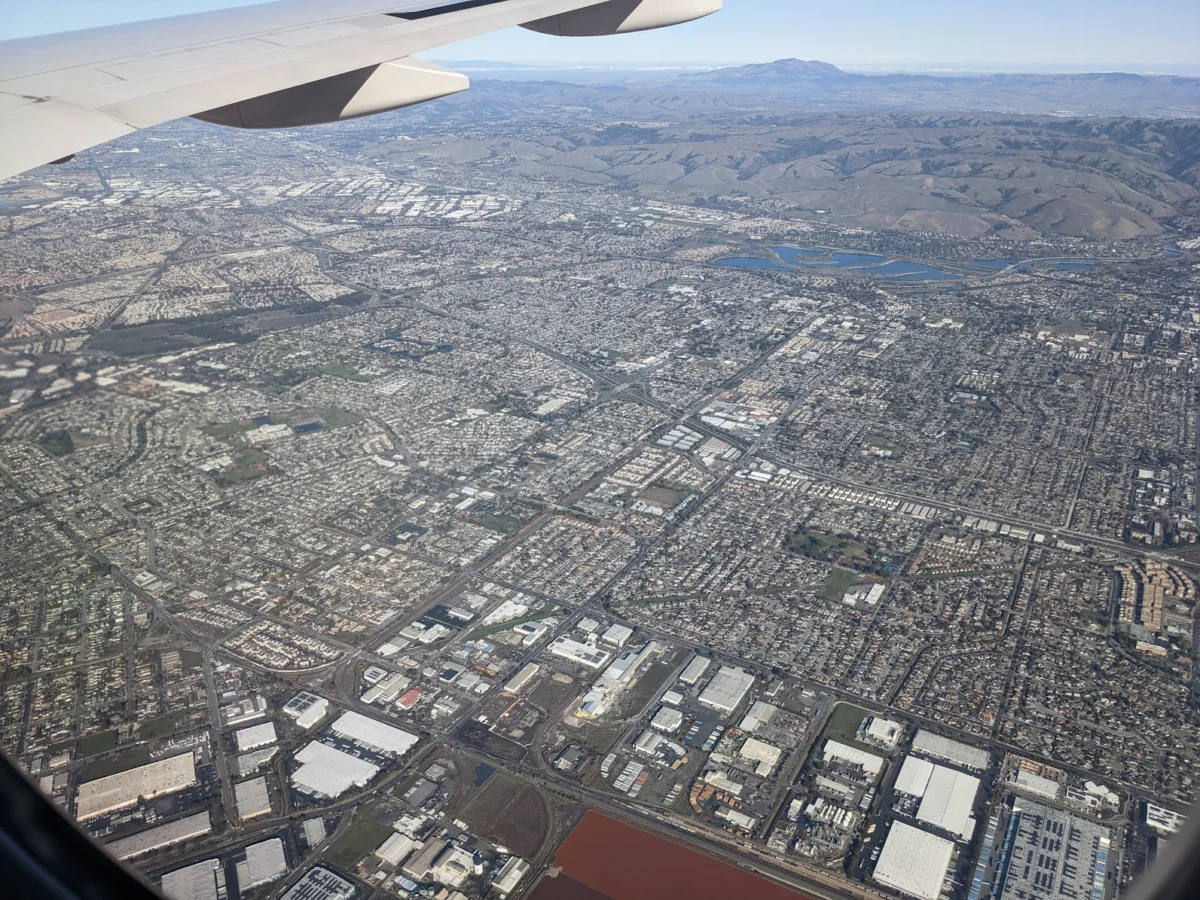
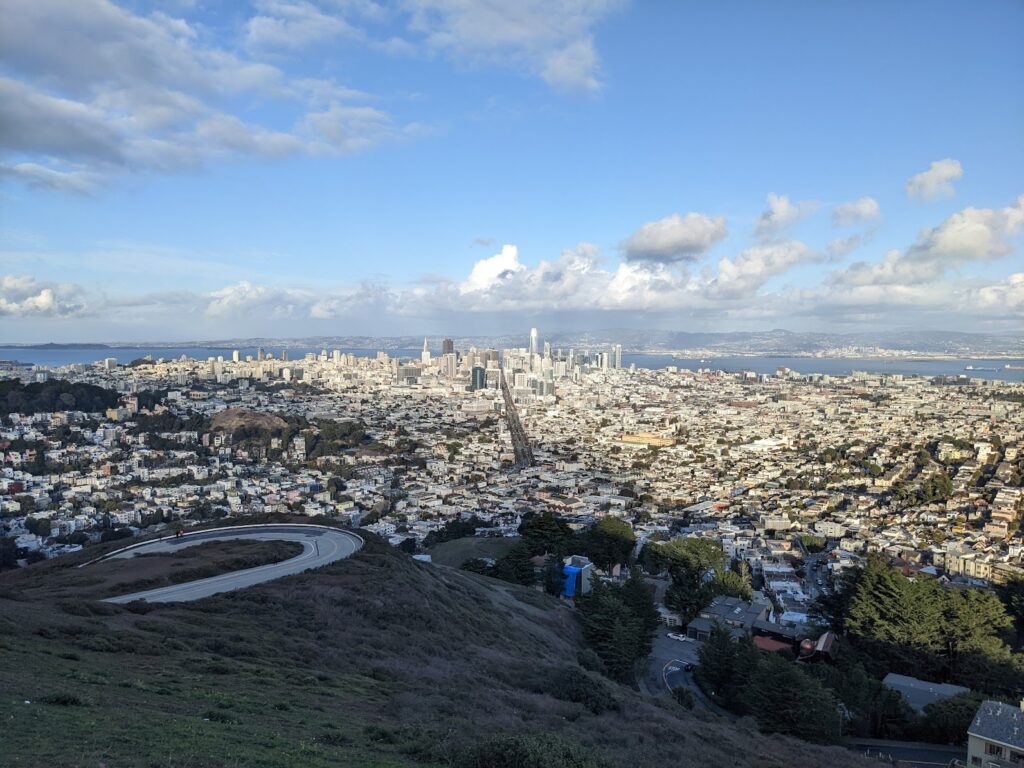
The illusion of universal financial prudence shattered during a short trip to San Francisco, a city locals often refer to simply as "The City" or as part of "The Bay Area" megalopolis. This region, a sprawling urban tapestry covering thousands of square miles and home to eight million people, represents a unique societal laboratory where immense wealth coexists with astronomical living costs and entrenched consumer habits. The median house price hovers around $1.5 million, a figure that obscures an even wider spectrum, from "affordable" neighborhoods at $750,000 (often requiring long commutes and vigilance against urban blight) to upscale areas where homes command $3 million or more.
The financial blogger’s anecdotal evidence paints a vivid picture of the Bay Area’s economic landscape. Gasoline prices frequently exceeded $6.00 per gallon, a slice of pizza could cost $7.00 even at modest establishments, and a casual brunch for three totaled $148 including tip. A homeowner expressed dismay over a $90-per-hour housekeeping service, while a young finance professional pondered downsizing from two luxury SUVs to one, seeking to eliminate a $1,200 monthly car payment and free up a $200 parking space. These figures, while shocking to outsiders, are often normalized by residents, leading to a common lament: "This is just a high cost of living area so it’s impossible to get ahead."

Deconstructing the "High Cost of Living" Narrative
MMM’s outsider perspective, however, revealed significant "holes" in this conventional narrative. While many services and housing costs are undeniably elevated, fundamental necessities like groceries showed only a marginal price increase compared to more affordable regions of the country. A quick check of Costco prices confirmed that staple food items were merely a few percentage points higher than in the American Midwest, where the blogger resides. This observation suggests that a significant portion of the Bay Area’s high cost of living is driven not by essential goods, but by discretionary spending and lifestyle choices.
Further scrutiny highlighted the region’s inherent advantages often overlooked by its inhabitants. Northern California boasts a remarkably mild climate, allowing for year-round outdoor activities and significantly reducing heating and air conditioning costs for homes. The abundance of natural beauty—from ocean shores to forest trails—provides countless opportunities for free, health-promoting recreation. The blogger and his friends spent days exploring these landscapes on foot, generating "endless happy memories" and physical fitness at no financial cost. This contrasted sharply with locals who complained about the difficulty of finding time to exercise or the impracticality of walking or biking due to perceived steep hills or minor weather inconveniences.
The "California Effect" and Entrenched Habits
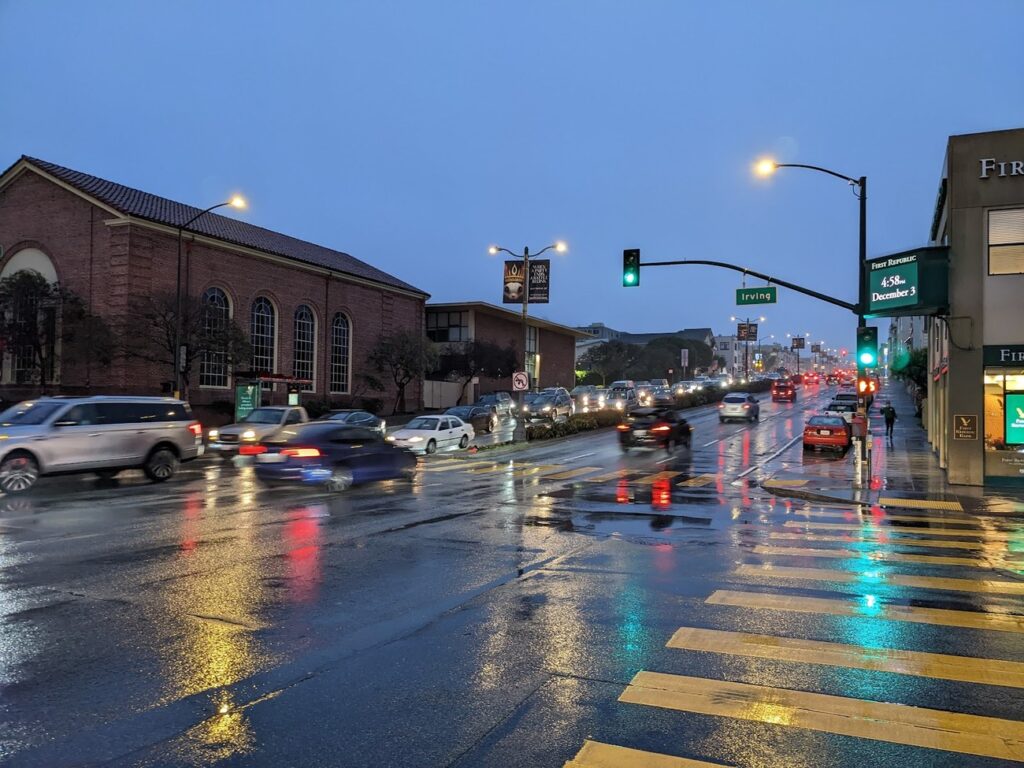
The core of MMM’s analysis centers on what he terms the "California Effect," which he posits is a magnified version of the "Everywhere Effect." This phenomenon describes how individuals, regardless of their environment, tend to adopt and normalize the prevailing habits and infrastructure around them, often without critically evaluating more efficient or beneficial alternatives. In California, this manifests in a widespread reliance on automobiles, despite heavy traffic, high fuel costs, and the availability of alternative transportation options in a climate conducive to cycling and walking.
The article critiques this car-centric culture, describing the extensive network of roads and parking lots as "titanic roads and cathedral-like networks of overlapping arched bridges and ocean-sized parking lots," built to "subsidize and disguise the preposterous use of the massive, stupid, personal racing lounges that people call ‘cars’." This infrastructure, while facilitating movement, simultaneously degrades the environment, contributes to thousands of traffic fatalities annually, and necessitates a vast public safety apparatus of police, ambulances, and fire trucks. Moreover, the sedentary lifestyle associated with extensive driving contributes to widespread health issues like heart disease and diabetes, placing further strain on healthcare systems. Despite nation-leading salaries, the continuous expenditure on cars, fuel, and related infrastructure means the average person in the Bay Area is often no further ahead financially than their counterparts in less affluent regions.
The Psychology of Normalization: A Universal Human Trait
The "California Effect" is presented not as a unique flaw of one state, but as a vivid illustration of a universal human psychological trait: the rapid adaptation and normalization of one’s environment. The blogger cites diverse examples to underscore this point:
- Financial Bubbles: Millionaire early retirees living frugally perceive their lifestyle as normal, just as 25-year-old tech workers with $200,000 starting salaries and credit card debt consider their high-consumption patterns normal.
- Extreme Environments: Researcher Lex Fridman’s interviews with Ukrainians in war zones, who, despite frequent bombings and loss, generally reported feeling safe because "even war is normal" to them.
- Behavioral Extremes: From TV addicts consuming five hours of screen time daily to ultra-endurance athletes running multiple marathons, alcoholics, video gamers, and Olympic gymnasts—all demonstrate the brain’s capacity to normalize highly specific and often extreme stimuli.
This profound adaptability, while a survival mechanism, can also trap individuals in cycles of behavior that are detrimental to their finances, health, and overall well-being. When a human brain experiences a stimulus repeatedly, it quickly rewires and adapts, leading to the internal declaration: "This is normal."

Breaking the Cycle: Redefining Your "Normal"
The ultimate lesson from these observations is an empowering one: "no, your current life is not normal." It is "super weird and super specific," and crucially, it can be entirely reshaped. The human capacity for adaptation means that by intentionally introducing "right things" into one’s life—such as health, fitness, sensible spending, continuous learning, robust social connections, and community service—these too will quickly become the new normal.
This principle forms the bedrock not just of financial independence but of a holistic, fulfilling life. It encourages individuals to critically examine their own "bubble," identify areas where "ridiculousness masquerades as normalcy," and consciously shed unnecessary downsides while extracting the best aspects of their environment. By understanding the "California Effect" in their own lives, people can proactively create an entirely new, more beneficial "bubble of normal."
Implications for Policy and Personal Choice
The implications of this "normalization effect" extend beyond individual finance, touching upon urban planning, public health, and environmental sustainability. For urban planners, understanding how infrastructure shapes behavior is crucial. Investing in robust public transportation, walkable communities, and cycling networks can shift norms away from car dependency, leading to healthier populations, reduced pollution, and more equitable access to resources. From a public health perspective, promoting active lifestyles and challenging the normalization of sedentary habits could have profound positive impacts on chronic disease rates.
For individuals, the message is one of agency. It’s an invitation to engage in a personal audit: to list all aspects of life that are expensive, detrimental to health, or both. Then, to envision a successful, self-actualized individual who thrives without these things, and to question how they achieve it. This introspective exercise can be the first step in dismantling deeply ingrained, yet ultimately unhelpful, behaviors and constructing a life aligned with one’s true values and long-term goals.

Conclusion: The Path to Conscious Living
The journey of Mr. Money Mustache from his "Mustachian" bubble to the consumerist landscape of San Francisco underscores a universal truth: human perception of normalcy is highly malleable. The Bay Area, with its unique blend of innovation, wealth, and exorbitant costs, serves as a powerful case study for the dangers of unchecked consumerism and the ease with which individuals can become accustomed to financially burdensome and unhealthy lifestyles.
However, this adaptability also represents "the biggest life opportunity in human history." By consciously recognizing that one’s current reality is not an immutable standard, individuals gain the power to reshape their lives. The core assignment is to cultivate an awareness of one’s own "bubble" and actively work to populate it with choices that foster health, financial security, and genuine contentment. This mindset, rooted in intentionality rather than passive acceptance, is the fundamental engine driving not only financial independence but also the cultivation of the best possible life.

