
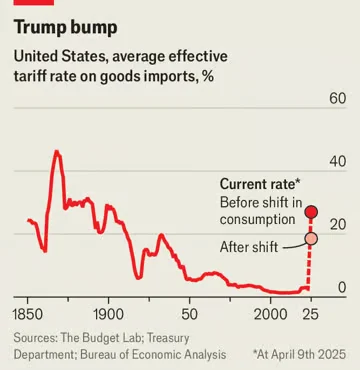
The global financial landscape has been gripped by an extraordinary period of volatility since early 2025, with equity markets experiencing a rollercoaster ride characterized by some of the steepest drops and most rapid recoveries in recent memory. This turbulence, which saw the market shed a full 20% of its value before remarkably rebounding to near its peak by mid-year, is largely attributed to the escalating and unpredictable imposition of tariffs by the United States government. This article delves into the mechanisms of tariffs, their broad economic implications, the current geopolitical context, and potential future scenarios.
Understanding Tariffs: A Fundamental Economic Mechanism
At its core, a tariff is a tax levied by a government on goods imported into the country. These duties are typically paid by the importer—whether an individual purchasing an item directly from an overseas supplier or a large corporation like Amazon, Walmart, or Apple bringing in container ships full of products. However, the economic burden of tariffs ultimately falls on the domestic consumer. Importers, facing increased costs, invariably pass these expenses on through higher retail prices to maintain profit margins. This fundamental principle means that tariffs act as a national sales tax, impacting the cost of virtually all goods that rely on imported components or finished products.
Beyond consumer goods, tariffs also directly inflate costs for domestic industries. Construction projects, for instance, from building new Home Depot stores to developing Chevron oil rigs, face higher expenses due to tariffs on imported steel, copper, lumber, and countless other materials. The housing sector is similarly affected, as a significant portion of building materials originates from diverse international sources. On average, the widespread application of tariffs translates to higher prices across the economy, mirroring the effects of any broad-based sales tax. While the revenue generated flows into government coffers, potentially aiding the national budget and reducing deficits, the overall economic impact is typically a slowdown in growth and a reduction in consumer purchasing power.
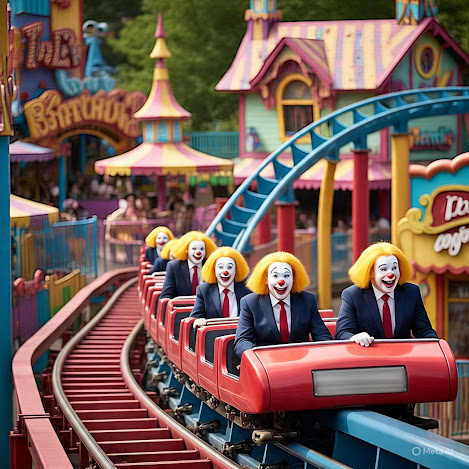
Economic theory generally posits that taxes should be as low, fair, and predictable as possible to incentivize hard work and facilitate long-term planning for individuals and businesses. The current tariff regime, characterized by frequent, high-stakes announcements and sudden reversals by the Trump administration, stands in stark contrast to these principles. The unpredictable nature of these trade policies has introduced a significant layer of uncertainty, making strategic planning for businesses exceptionally challenging.
The Dual Nature of Tariffs: Protectionism vs. Economic Efficiency
While the immediate economic effects of tariffs often appear detrimental, proponents argue for their strategic utility. One primary use is to protect domestic industries from foreign competition. By taxing imported goods, such as automobiles, a government can give domestic manufacturers like General Motors a competitive advantage, potentially leading to increased sales, job creation, and investment in local factories and research. This can be viewed as a strategic measure, for example, to safeguard critical industries like aerospace and defense (e.g., ensuring Boeing and Lockheed Martin remain viable for national security).
However, this protection comes at a cost. Consumers face higher prices and reduced choice, while the protected domestic industry, insulated from robust international competition, may have less incentive to innovate and streamline operations. The broader economy suffers from decreased efficiency, as resources are diverted to less competitive sectors. Most economists generally agree that tariffs should be used sparingly due to these potential "unintended consequences," which often include decreased overall employment and a slower economy. Exceptions are sometimes made for critical areas like food security or national defense, where the costs are deemed acceptable.
A notable recent example illustrating the complexities of tariff policy is the tax on imported solar panel components. Initially imposed during the Biden administration and subsequently increased by the current administration, these tariffs aimed to bolster domestic solar manufacturing. Yet, critics argue that such duties impede access to cheap, clean energy, which could otherwise lower living costs and boost various industries. This bipartisan embrace of tariffs, even on components that promise long-term economic and environmental benefits, underscores the political motivations often intertwined with trade policy.
The Catalyst: A Policy Shift Driven by Unpredictability
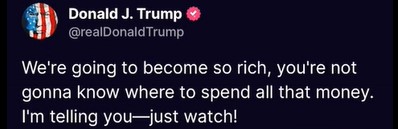
The current surge in tariff applications traces back to the Trump administration’s "America First" economic agenda, which champions protectionism over free trade. The President has publicly asserted that tariffs will somehow enrich the nation, focusing primarily on the first-order effect of increased domestic production and job creation, while seemingly downplaying or ignoring the broader economic inefficiencies and cost burdens. This perspective, often described by critics as a "Bizarro Opposite Universe" view of economics, has led to a highly unconventional approach to trade policy.
Market reactions have consistently contradicted the administration’s claims. When tariffs are announced or increased, share prices typically decline, reflecting investor and corporate apprehension about reduced profitability and economic slowdown. Conversely, when tariffs are paused or reduced, stock markets tend to rally, signaling a collective belief in the benefits of freer trade. This dynamic highlights the deep disconnect between the administration’s stated economic rationale and the observable responses of financial markets and business leaders.
The underlying theories behind the administration’s aggressive tariff strategy range from genuine belief in protectionism to using tariffs as a coercive bargaining chip. One prevalent theory suggests that tariffs are a negotiating tactic designed to force trading partners to agree to more favorable trade terms. By inflicting economic pain, the administration aims to extract concessions, ultimately envisioning a return to a "better" free trade environment on its own terms. This approach, however, has drawn criticism for its inherent risks, potentially destabilizing global trade relations and inviting retaliatory measures.
Market Tremors: A Chronology of Reaction
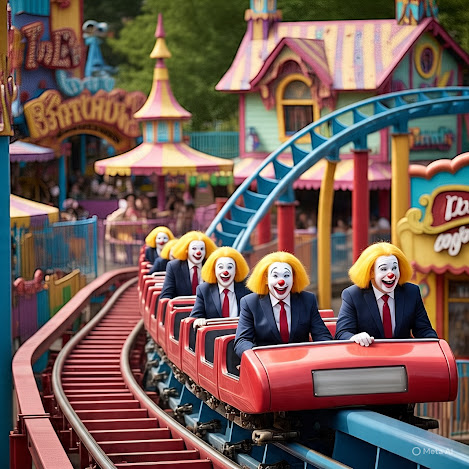
The stock market’s journey since February 2025 provides a stark illustration of the impact of these trade policies. Following a multi-year climb that culminated in a market peak around February, the first significant tariff announcements triggered a notable downturn. The market’s steepest single-day drop since 1932 occurred on April 2nd, coinciding with what the administration termed "Liberation Day," a day marked by fresh rounds of aggressive tariff proposals. This event caused widespread panic among some investors, leading to substantial losses for those who, against long-standing financial advice, chose to sell during the downturn.
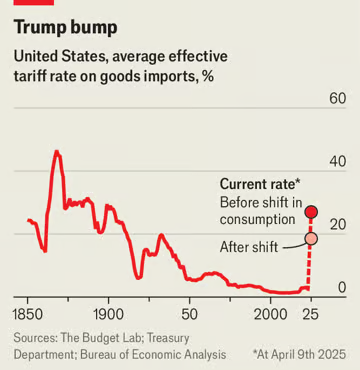
Over the subsequent two months, the market exhibited a remarkable resilience, bouncing back significantly. This recovery was often directly correlated with pauses or reductions in proposed tariffs, demonstrating investors’ eagerness for a return to more stable trade conditions. By mid-June, the US stock market had almost entirely recovered, nearing its all-time high. This recovery, despite tariffs remaining significantly higher than pre-2025 levels—estimated at about seven times their previous average—suggests a collective investor belief that the current trade disputes are a temporary phenomenon that will eventually resolve into a more conventional, free-ish international trade environment.
Economic Ripple Effects: Beyond Stock Prices
The impacts of tariffs extend far beyond the immediate fluctuations of stock indices. The US economy, built over decades on principles of low tariffs and relatively free trade, functions like a massive cargo ship, slow to change direction but eventually susceptible to significant shifts. In the initial phase of tariff implementation, the immediate effects on consumer prices have been somewhat buffered. This is largely due to the existence of substantial stockpiles of imported goods. Before the tariffs fully took effect, importers strategically increased orders to build up inventory, creating a temporary cushion.
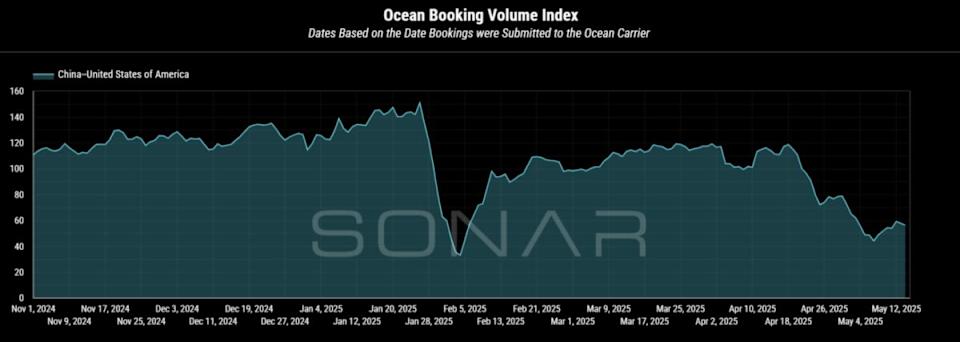
However, as these stockpiles are depleted, and with current import volumes significantly reduced, the economy faces the prospect of shortages and more noticeable price increases. Analysts predict that if current tariff levels persist, consumers could begin to experience higher prices and potentially limited availability of various goods throughout the summer and fall of 2025. While the disappearance of "plastic party trinkets" might be a minor inconvenience, restricted access to essential tools, machinery, and critical components could have more severe economic consequences, impacting productivity and innovation.
The long-term implications include potential shifts in global supply chains. Companies may seek to diversify their manufacturing bases away from heavily tariffed countries, leading to investments in new factories in unaffected nations or a "reshoring" of production to the US. While this could create some domestic jobs, it also entails significant costs, potential inefficiencies, and a protracted period of adjustment.
Global Repercussions and International Response
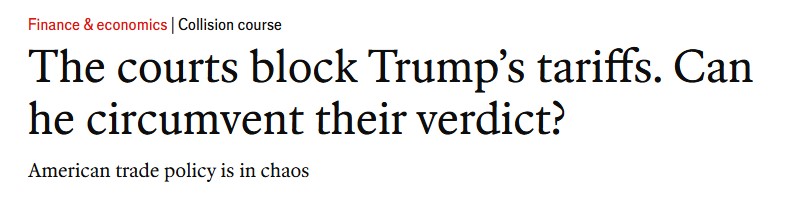
The US tariff actions have not occurred in a vacuum. Major trading partners, including China and the European Union, have often responded with retaliatory tariffs, escalating the disputes into broader trade wars. These retaliatory measures further complicate global supply chains, reduce export opportunities for US businesses, and collectively slow global economic growth. International organizations like the World Trade Organization (WTO) have expressed deep concerns, warning against the fragmentation of the global trading system and the potential for long-term economic damage. The ongoing legal challenges to the administration’s tariff authority, as highlighted by publications like The Economist, underscore the domestic and international pushback against unilateral trade actions.
Looking Ahead: Scenarios for Resolution
The future trajectory of the current tariff regime presents several distinct possibilities, each with unique implications for the economy and financial markets:
-
Sustained High Tariffs: This scenario, though considered less likely by many economists and investors, posits that the current high tariff levels could persist.
- Economic Contraction: The US economy would likely experience a prolonged period of slower growth, potentially entering a recession, as higher costs dampen consumer spending and business investment.
- Inflationary Pressures: Consumer prices would continue to rise across a wide range of goods, eroding purchasing power and potentially leading to wage-price spirals.
- Supply Chain Overhaul: Businesses would be forced to undertake a costly and time-consuming restructuring of their supply chains, leading to higher production costs and potentially less efficient processes.
- Reduced Innovation: Protectionism, while shielding some domestic industries, could also stifle competition and reduce the incentive for innovation and efficiency improvements.
- Global Fragmentation: International trade relations would remain strained, potentially leading to a more fragmented global economy and reduced geopolitical cooperation.
-
Tariffs as a Negotiating Tactic Leading to De-escalation: This is the scenario currently favored by market sentiment, where tariffs are ultimately scaled back following trade negotiations.
- Market Rebound and Stability: A resolution would likely trigger a strong market rally, as uncertainty recedes and businesses anticipate a return to more predictable trade conditions.
- Economic Recovery: The removal or significant reduction of tariffs would alleviate inflationary pressures, boost consumer confidence, and encourage business investment, leading to a revitalization of economic growth.
- Restoration of Supply Chains: Existing global supply chains, largely optimized for free trade, would be able to resume normal operations, benefiting from efficiency and cost-effectiveness.
- Renewed International Cooperation: A de-escalation of trade tensions could foster improved diplomatic relations and a strengthening of the global trading system.
The core principle underpinning the "best way to win the tariff game is not to play it" argument is that global prosperity is maximized through the free exchange of goods, services, and ideas. Just as the vast US internal market thrives on unrestricted trade among its 50 states, a collaborative and respectful approach to international trade fosters mutual enrichment and global economic growth.
Navigating Uncertainty: Lessons for Investors and Consumers
The events of 2025 serve as a potent reminder of several enduring lessons for financial planning and economic understanding. For investors, the volatility underscores the importance of a long-term perspective and avoiding panic-selling during market downturns. As demonstrated by the rapid rebound, locking in losses during periods of fear can be detrimental to long-term wealth accumulation. The adage "this too shall pass" holds particular relevance in times of political and economic upheaval. Maintaining a diversified portfolio and adhering to a consistent investment strategy, rather than reacting impulsively to daily news cycles, remains paramount.
Beyond personal finance, this period also highlights the critical need for an informed citizenry. Decades ago, journalism often prioritized informing the public, with sensationalism playing a secondary role. Today, the landscape of commercial media is heavily influenced by the pursuit of attention, where accuracy can sometimes be secondary to generating outrage and fear, as these emotions tend to drive engagement and revenue. This bias, whether political or simply towards sensationalism, means that headlines often distort the true complexity of economic events.
To navigate this information environment, individuals must cultivate critical thinking skills. One approach is to disengage from constant media consumption and focus on one’s immediate life and responsibilities. Alternatively, for subjects of genuine interest, becoming a "subject matter expert" by consulting original sources and diverse perspectives can provide a more accurate understanding. As many experts observe, the deeper one’s understanding of a topic, the more apparent the inaccuracies and oversimplifications in mainstream media narratives become.
In conclusion, while the US economy and stock market have weathered a significant storm driven by an unconventional approach to trade policy in early 2025, the underlying belief among investors remains that stability and a return to more open trade policies will ultimately prevail. The resilience shown by the market, despite ongoing high tariffs, reflects this long-term optimism. As long as the nation eventually transitions away from "emergency" tariff dictatorship and reaffirms its commitment to democratic processes and predictable governance, the long-term economic outlook remains fundamentally robust. The ultimate lesson remains: informed perspective and steadfast patience are crucial in an ever-evolving global economy.

