
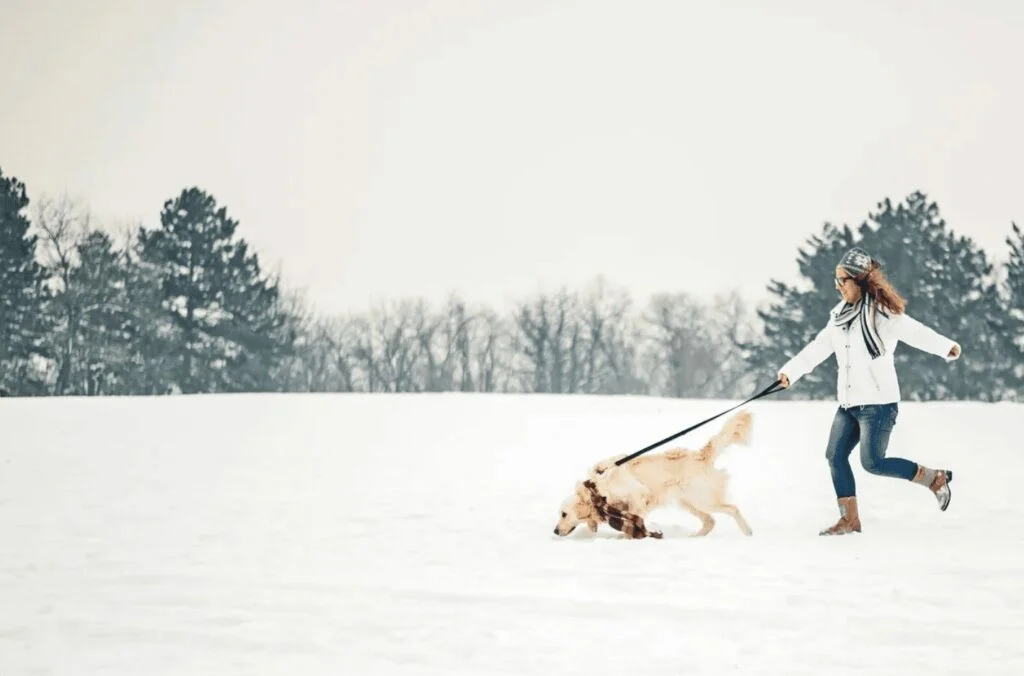
The transformative power of nature, even during the harsh Minnesota winters, is increasingly recognized for its profound impact on physical, mental, and emotional well-being. As individuals transition into retirement, seeking avenues to enhance their quality of life, embracing the outdoors emerges as a potent, accessible, and surprisingly rewarding strategy. This article delves into the science-backed benefits of outdoor engagement, explores the innovative approaches of retirees who maintain their connection with nature in urban settings, and provides practical advice for maximizing the advantages of outdoor experiences, regardless of the season.
The Unseen Benefits of Nature Exposure
The documented advantages of spending time in natural environments are extensive and scientifically validated. According to Chris Heeter, founder of The Wild Institute, a non-profit dedicated to fostering a deeper connection with the natural world, the benefits extend to increased happiness, reduced anxiety, and enhanced feelings of calm. Heeter, who has dedicated over three decades to leading wilderness expeditions – from summer canoe trips to winter journeys with sled dogs – observes a consistent correlation between time spent outdoors and improved mental fortitude. Beyond emotional regulation, research indicates that nature exposure can lead to tangible physiological improvements. Studies have shown a decrease in blood pressure, a greater capacity for concentration, and a significant reduction in stress hormones like cortisol. Furthermore, the restorative effects of nature can combat feelings of loneliness and irritability, while even bolstering short-term memory recall. These benefits are particularly pertinent for individuals navigating the significant life transition of retirement, a period often accompanied by shifts in routine, social connections, and overall purpose.
Redefining "Wild" in Retirement: An Urban Perspective
The conventional image of a retiree seeking solace in nature often conjures visions of tranquil rural retreats. However, the experiences of Tami Spry and Barry Scanlan, residents of the bustling Twin Cities metropolitan area, challenge this notion, demonstrating that a profound connection with the wild can be cultivated even amidst urban landscapes. Having previously resided on ten acres bordering the Rum River, where they meticulously managed their property, built outdoor amenities, and maintained extensive trails, Spry and Scanlan made a deliberate choice to relocate to the heart of the city. This move, motivated by a desire to avoid social isolation in retirement, has not diminished their engagement with nature. Instead, it has prompted them to redefine their relationship with the natural world, viewing it as an integral part of their well-being, akin to a family member.
"It’s our therapy," Scanlan states, emphasizing the essential role nature plays in their lives. "We need it, and we enjoy it!" This sentiment is echoed by Spry, who adds, "Even living in the city, we still consider our land and the land around us a member of our family, and we get outside as often as we can." Their urban existence has not precluded them from observing wildlife; they regularly spot coyotes, otters, ducks, swans, juncos, robins, and woodpeckers in their neighborhood. Their commitment to fostering local biodiversity is evident in their proactive efforts to plant trees, install birdhouses, and cultivate a butterfly-friendly garden, thereby enhancing the natural habitat within their urban environment.
Spry, currently authoring a book on her personal connection with nature, advocates for a flexible and inclusive definition of the natural world. "Having a relationship with nature involves letting go of your expectations of what ‘nature’ is and instead developing your own relationship with it," she advises. "The tree in your backyard is as grand and life-giving as a tree in the Boundary Waters or Muir Woods, but much more accessible." This perspective underscores the idea that profound natural experiences are not solely confined to remote wilderness areas but can be found in the immediate surroundings, requiring only a shift in perception and engagement.
Embracing the Outdoors Through Minnesota’s Winters
The allure of outdoor activities often intensifies during warmer months. However, for residents of states like Minnesota, renowned for its prolonged and severe winters, adapting to outdoor engagement during colder periods is crucial for reaping nature’s continuous benefits. Chris Heeter, Tami Spry, and Barry Scanlan, all seasoned Minnesotans, offer practical and insightful strategies for maximizing outdoor time, even when temperatures plummet.
Tip No. 1: Prioritize Appropriate Winter Attire
The cornerstone of comfortable and safe winter outdoor activity lies in effective layering and specialized gear. Heeter stresses the importance of warm, waterproof mittens that allow for finger dexterity, and insulated boots with ample toe room, especially when wearing multiple pairs of wool socks. A layered clothing system, incorporating moisture-wicking base layers, insulating mid-layers, and a windproof and waterproof outer shell, is essential for maintaining body temperature and comfort. To streamline the process of venturing outdoors, Heeter suggests consolidating all winter gear in a single, easily accessible location, such as a large basket or hamper, minimizing the barrier to entry for spontaneous outdoor excursions.
Tip No. 2: Reframe Comfort and Embrace the Cold
The initial shock of cold air can be bracing, but Heeter points out that discomfort is often temporary and can be mitigated by active engagement. "The cold can sometimes take your breath away," she notes. "But take a few deep breaths, drop your shoulders, relax your muscles and get moving, and you’ll be surprised at how quickly you warm up." This principle aligns with physiological responses to exercise, where increased blood flow and metabolic activity generate body heat. By focusing on movement and conscious relaxation techniques, individuals can adapt to colder temperatures and prolong their outdoor stays.
Tip No. 3: Discover Local Natural Havens
The perception that immersive nature experiences necessitate arduous travel to remote wilderness areas is a misconception. Heeter champions the utilization of local resources, emphasizing that accessible parks and natural spaces offer abundant opportunities for wildlife observation and appreciation. "Instead, she suggests you drive (or better yet, walk!) to the nearest park where you’ll find plenty of birds, rabbits, deer and other animals to get excited about," she explains. Spry and Scanlan exemplify this approach, incorporating walks through their city neighborhood, which leads them past local gardens and to the Mississippi River, a natural corridor teeming with life, just a few blocks from their home. This "micro-adventure" philosophy democratizes nature access, making it a regular and manageable part of daily life.
Tip No. 4: Cultivate Sensory Awareness and Observation
In an era dominated by digital distractions, Heeter advocates for a conscious effort to disconnect from electronic devices and tune into the immediate natural environment. "Resist the temptation to listen to music or podcasts while walking," she advises. "Instead, tune in to nature. ‘When we turn our ears and eyes to the natural world, we see so much more,’ says Heeter. ‘And we begin to feel as if we belong.’" This heightened sensory awareness fosters a deeper connection and appreciation for the subtle nuances of the natural world. Scanlan’s practice of journaling his outdoor observations – documenting wildlife sightings, snowfall patterns, and the first signs of spring – serves as a testament to this principle, transforming passive observation into an active and reflective engagement. This practice not only enhances his personal enjoyment but also contributes to a personal record of seasonal changes and ecological interactions.
Tip No. 5: Embrace Playfulness and Shared Experiences
Reclaiming a sense of childlike wonder and playfulness is a powerful component of outdoor enjoyment, particularly during winter. Heeter encourages activities such as venturing off-trail, building snow structures, or engaging in friendly snowball fights. These activities foster physical engagement, creativity, and social connection. Spry and Scanlan exemplify this through their backyard fire pit gatherings, which transform their outdoor space into a hub for social interaction and shared enjoyment of the natural elements. This emphasis on play extends to Heeter’s online presence, where she publishes monthly poems designed to inspire others to connect with nature, reinforcing the idea that nature engagement can be both deeply personal and communally shared. Her recent poem, "A Winter Walk," serves as a poignant example of how art can bridge the gap between observation and emotional resonance with the natural world.
The implications of these findings extend beyond individual well-being. As urban planning increasingly incorporates green spaces and promotes biophilic design principles – the integration of natural elements into built environments – the accessibility and perceived value of nature within cities are likely to grow. Furthermore, understanding how to foster outdoor engagement across all seasons is crucial for developing resilient communities that can withstand the psychological and physiological challenges posed by climate change and increasingly urbanized lifestyles. The insights offered by experts like Chris Heeter and the lived experiences of individuals like Tami Spry and Barry Scanlan provide a compelling roadmap for cultivating a healthier, happier, and more connected existence, grounded in the enduring power of the natural world.
Bev Bachel, a freelance writer based in the Twin Cities, contributes regularly to publications focused on lifestyle and well-being, with a particular interest in the intersection of human health and the natural environment. Her work consistently highlights practical approaches to integrating nature into daily life, even in challenging climates.

