
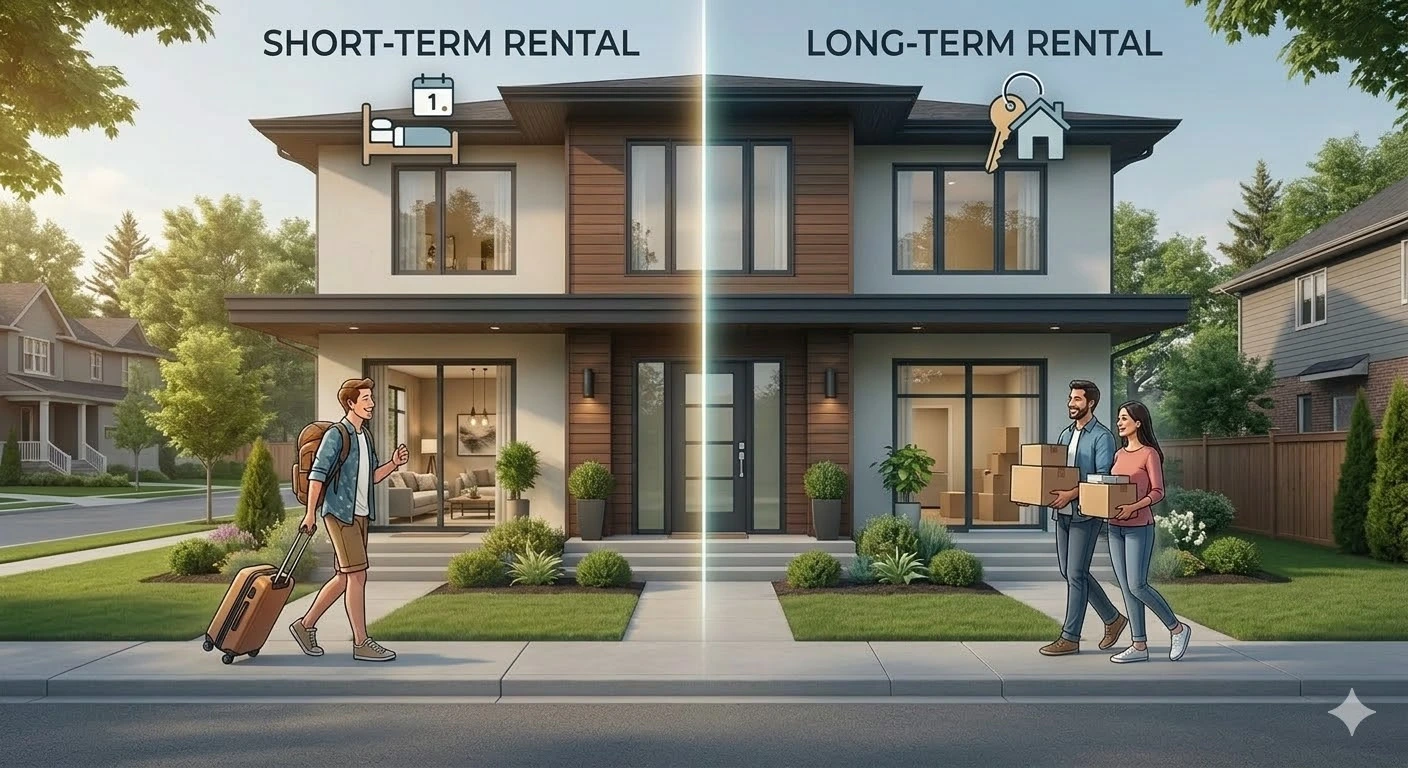
Just a few years ago, the allure of short-term rental properties, particularly through platforms like Airbnb, promised a straightforward path to passive income. The narrative was compelling: college students renting out spare rooms and seasoned investors alike could seemingly inject a consistent cash-flow asset into their portfolios with relative ease. This perception was significantly amplified during the post-pandemic travel boom of 2021-2022, a period where data consistently indicated that short-term rentals often outperformed their long-term counterparts in numerous U.S. markets. However, as of 2026, the market dynamics have undergone a substantial transformation, demanding a more nuanced and strategic approach from real estate investors. The era of easy, passive income from short-term rentals has largely receded, replaced by the understanding that operating such a property is, in fact, a business requiring active management. This evolution, coupled with increasing regulatory hurdles and a burgeoning alternative in mid-term rentals, necessitates a thorough re-evaluation of investment strategies.
The Evolving Regulatory Environment: A Complex Web for Investors
One of the most significant shifts impacting real estate investment strategies is the dramatic evolution of regulations surrounding rental properties. Historically, the short-term rental market benefited from a relative lack of oversight. As new business models emerge, it often takes time for legislative bodies to catch up, and the short-term rental sector initially capitalized on this lag. However, the burgeoning popularity and impact on local housing markets have prompted widespread regulatory responses.
By 2026, most housing markets, particularly those with a strong tourism component, have implemented stringent short-term rental regulations. Cities like New York City, Honolulu, Santa Monica, New Orleans, and San Francisco have, in effect, established "de-facto" bans through regulations so restrictive that they make operating short-term rentals nearly impossible. These regulations often encompass a wide array of requirements, including:
- Licensing and Permitting: Mandating specific licenses and permits, often with annual renewal fees, to operate a short-term rental.
- Zoning Restrictions: Limiting where short-term rentals can be established, often excluding residential zones or requiring special use permits.
- Occupancy Limits: Setting strict limits on the number of guests allowed per property.
- Taxes: Imposing additional occupancy or tourism taxes specifically on short-term stays.
- Safety Standards: Requiring adherence to specific fire safety, building codes, and accessibility standards.
- Data Reporting: Mandating that hosts share booking and guest data with local authorities.
These evolving legal frameworks mean that any real estate investor considering a vacation rental property in 2026 must meticulously assess their capacity to achieve and maintain legal compliance. The cost and complexity of navigating these regulations can significantly erode potential profits. According to data from Mashvisor, a real estate analytics platform, a growing number of markets are seeing increased scrutiny and enforcement of these regulations, pushing some investors to reconsider their short-term rental ventures.
Simultaneously, the landscape for traditional, long-term rentals is also experiencing regulatory shifts. While landlords have long been subject to location-specific laws dating back to the early 20th century, 2026 has seen the emergence of new legislation increasingly favoring tenants and adding to landlord responsibilities and costs. Examples include:
- California: Legislation has introduced stricter rent control measures and "just cause" eviction requirements, making it more challenging for landlords to remove non-paying or problematic tenants. Additionally, laws mandating specific habitability standards, such as ensuring functional appliances and energy efficiency, are increasing operational costs.
- Washington: Similar to California, Washington has seen increased tenant protections, including limitations on rent increases and expanded rights for tenants facing eviction. New requirements for landlord disclosure of certain property conditions are also becoming more prevalent.
The trend of new tenant-friendly legislation in major states like California and Washington suggests a potential ripple effect, with other states likely to adopt similar measures as they observe their success. This underscores the critical need for real estate investors to conduct comprehensive due diligence on the legal framework governing both short-term and long-term rentals in their chosen markets.
The Escalating Costs of Rental Property Investment
Beyond the legal complexities, the financial calculus of rental property investment has also become more demanding. While short-term rentals have historically been the more expensive proposition compared to long-term rentals, the cost differential has widened due to a confluence of factors affecting both strategies.
For Short-Term Rental Properties:
The direct impact of regulatory changes is a primary cost driver. Annual permit fees, potential fines for non-compliance, and the imposition of new taxes directly increase overhead. Furthermore, in 2025, Airbnb introduced new platform fees, adding another layer to the host’s expense. Beyond these mandated costs, the market itself has become more competitive. What was once considered a basic offering is now insufficient. For instance, in popular tourist destinations like Gatlinburg, Tennessee, a hot tub has become a near-mandatory amenity for Airbnb listings, representing an upfront investment to remain competitive. The need for enhanced guest experiences, including high-speed internet, premium amenities, and professional cleaning services after each turnover, contributes to a significantly higher operational cost structure. Consequently, owning and operating a vacation rental property in 2026 is considerably more expensive than it was just a few years prior.
For Long-Term Rental Properties:
While perhaps not as dramatically impacted as short-term rentals, long-term landlords are also facing increased costs. New tenant protection laws often necessitate upgrades to rental units, such as ensuring the presence and functionality of essential appliances like stoves and refrigerators. Moreover, tenants are increasingly prioritizing energy efficiency, compelling landlords to invest in more sustainable and cost-effective solutions for heating, cooling, and lighting to attract and retain renters, thereby increasing upfront and ongoing expenses.
The cumulative effect of these rising start-up and operational costs means that a "general idea" of expenses is no longer sufficient for investors. Accurate, detailed cost estimates, alongside robust income projections, are essential for determining the true cash-flow potential of any rental strategy before committing capital.
Strategic Location Selection in a Dynamic Market
The choice of location remains a cornerstone of successful real estate investment, but the criteria for evaluation have become more dynamic. Beyond the legal considerations already discussed, investors must now account for shifting travel trends and market saturation.
Short-Term Rental Locations:
While popular tourist destinations continue to attract visitors, the ease of entry into the short-term rental market has led to significant oversaturation in many prime areas. This saturation often results in reduced occupancy rates and downward pressure on nightly rates, diminishing the profitability of previously lucrative markets. Investors must now conduct deep dives into local tourism data, event calendars, and competitor analyses to identify pockets of consistent demand that are not yet oversupplied.
Long-Term Rental Locations:
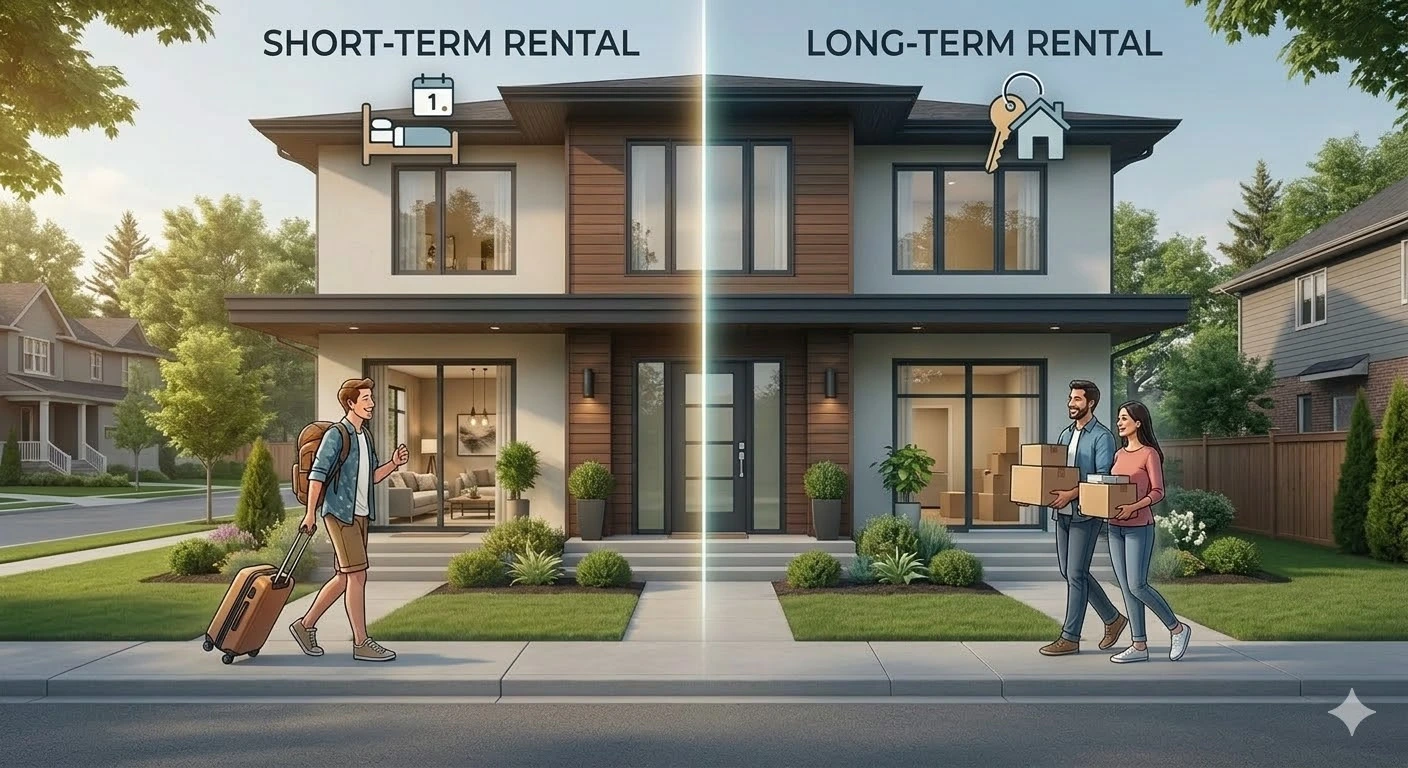
For traditional rentals, migration patterns are significantly influencing demand. Data from sources like Redfin indicates a continued influx of people to the Southeast and Mountain West regions, often referred to as the Sunbelt, a trend that has been building over the past decade and has surpassed the popularity of larger, traditional urban centers. Understanding where populations are growing is crucial, but so is the strategic positioning of the rental asset within those growing markets.
Daryl Fairweather, Chief Economist for Redfin, offers insights into this complex interplay: "Conversions from short-term to long-term rentals are most likely where short-term economics weaken or regulations tighten," she explains. "This typically happens in markets where short-term rental revenue is softening, but the underlying fundamentals for long-term rentals remain strong. Conversely, short-term rentals might still outperform in 2026 in markets with professional management, dynamic pricing strategies, and consistent demand. Passive Airbnb investments in less established or random towns are becoming increasingly risky." Fairweather emphasizes that success in the short-term rental market now hinges on sophisticated management and market understanding, moving away from the "set it and forget it" mentality.
The Occupant Factor: From Ideal Guest to Complex Reality
The perceived simplicity of dealing with temporary guests in short-term rentals was a significant draw for many investors. The assumption was that short-term occupants would present fewer issues than long-term tenants, avoiding common landlord headaches such as:
- Extended Vacancies: The constant turnover of short-term guests meant less risk of prolonged periods without income.
- Property Damage: The belief that short-term guests would be more respectful of the property.
- Tenant Screening: The lack of extensive background checks and credit evaluations associated with traditional leases.
- Evictions: The avoidance of the often lengthy and legally complex eviction process.
However, the proliferation of "Airbnb horror stories" shared online has painted a different picture. Accounts of property damage, unauthorized parties, and disruptive behavior have become increasingly common, highlighting that short-term guests can indeed pose significant challenges. The costs associated with accommodating these guests—including premium internet, hotel-like amenities, and frequent professional cleaning—further add to the operational burden.
In 2026, neither occupant type presents a universally "better" scenario. Both short-term guests and long-term tenants require distinct management approaches, risk mitigation strategies, and cost considerations. Investors must now critically assess their capacity to handle the unique challenges and associated expenses of each, rather than relying on outdated assumptions.
The Effort Equation: From Passive Dream to Active Reality
The notion that short-term rentals offer truly passive income has been largely dispelled. Online forums and host communities are replete with discussions highlighting the substantial effort required to manage a hospitality business. Beyond simply listing a property, hosts are responsible for guest communication, coordinating check-ins and check-outs, managing cleaning and maintenance, and often dealing with last-minute issues. This reality transforms short-term rentals into active investments.
Similarly, long-term rentals, while often perceived as more passive, also demand significant effort at various stages. Landlords must contend with tenant screening, lease enforcement, rent collection, property maintenance, and the occasional necessity of evictions or managing tenant turnover.
The only true path to passivity in either model involves hiring a property manager. However, this comes at a cost. Property management fees for long-term rentals typically range from 8% to 12% of monthly rental income, whereas for short-term rentals, these fees are considerably higher, often falling between 15% and 25% due to the increased complexity and frequency of services required. Real estate investors must therefore re-evaluate their tolerance for day-to-day operational involvement and time commitment. Alternatively, factoring in the cost of professional management from the outset is crucial for achieving a truly passive rental income stream.
The Rise of the Mid-Term Rental: A Compelling Alternative
The evolving landscape has paved the way for a third, increasingly popular rental strategy: the mid-term rental. Also known as monthly rentals, these properties bridge the gap between short-term and long-term leases, typically ranging from one to six months, and sometimes extending up to a year. Mid-term rentals cater to a specific demographic, including traveling nurses and other healthcare professionals, individuals on extended business assignments or holidays, digital nomads, and those in the process of relocating.
The appeal of mid-term rentals lies in their ability to circumvent many of the regulatory complexities that plague short-term rentals. They often operate under less stringent local ordinances, providing a more predictable operational environment. While short-term rentals may boast higher Average Daily Rates (ADRs), mid-term rentals often achieve higher occupancy rates, compensating for the lower nightly income. When factoring in reduced turnover costs and cleaning fees compared to short-term stays, mid-term rentals can yield higher overall profits within the same market.
Furthermore, mid-term rentals offer a blend of flexibility and furnished accommodations that tenants are willing to pay a premium for. Compared to traditional long-term leases, tenants in mid-term rentals often pay between $600 to $800 more per month for the temporary lease, reflecting the convenience and furnished nature of the accommodation. This attractive combination of steady income, lower management intensity than short-term rentals, and higher earning potential than long-term rentals makes mid-term rentals a compelling option for investors seeking a balanced approach. Their success is often concentrated in specific locations, such as cities with robust healthcare industries, university towns, and areas experiencing significant corporate relocation or temporary workforce demand.
Strategic Decisions: Convert, Sell, or Hold?
For investors currently operating in the short-term rental market, the shifting dynamics may necessitate a strategic re-evaluation of their existing portfolios. A once-profitable short-term rental might now be facing shrinking profit margins due to market saturation or new regulatory burdens that make continued operation untenable. In such scenarios, investors face a critical decision: convert the property to a long-term rental, or sell it entirely.
This decision is not straightforward and requires a thorough analysis of current real estate market trends and the investor’s financial situation. Selling might seem like a direct solution, but investors must consider if they are leaving potential profits on the table by exiting too early. Conversely, holding onto a property that is no longer profitable can lead to negative cash flow and mounting costs. A critical component of this decision is understanding how long-term rentals are performing in the same market.
Daryl Fairweather of Redfin advises on this critical juncture: "An investor should consider selling when the property no longer justifies the complexity and risk of short-term rentals or when the capital could be better used elsewhere," she states. "This typically means selling if the property no longer provides strong returns, if current market prices are favorable for a profitable sale, or if evolving regulations make the short-term rental strategy unprofitable." She further notes that the decision to sell versus convert hinges on the investor’s risk tolerance, capital availability, and the potential for reinvestment.
If market conditions and investor goals align for a conversion to a long-term rental, Fairweather offers guidance: "If converting makes sense, focus on these four things: a realistic assessment of market demand for long-term rentals, understanding the regulatory environment for long-term leases, pricing the property competitively, and preparing the unit to meet tenant expectations for long-term living." She concludes, "Long-term rentals offer predictability over upside. Treat the conversion as a strategic business decision." This perspective highlights that a transition to long-term rentals should be approached with meticulous planning, emphasizing stability and consistent income over the potential for higher, but more volatile, short-term gains.
Conclusion: Data-Driven Decisions in a Complex Market
The real estate investment landscape in 2026 is a testament to continuous evolution. While the promise of passive income from short-term rentals has largely been replaced by the reality of active business management, opportunities for profitable rental ventures persist. The key to navigating this complex market lies in informed decision-making, underpinned by reliable data.
Whether an investor leans towards short-term, long-term, or the emerging mid-term rental strategy, a thorough understanding of local market dynamics, regulatory frameworks, cost structures, and occupant behavior is paramount. Utilizing real estate investment tools that provide accurate data on Airbnb occupancy rates, long-term rent estimates, and historical performance trends is no longer a luxury but a necessity. Platforms like Mashvisor aim to equip investors with these essential insights, enabling them to identify the most profitable strategies for any given listing and make strategic investment choices that align with their financial goals and risk tolerance. As the market continues to shift, adaptability and a commitment to data-driven analysis will be the hallmarks of successful real estate investors in 2026 and beyond.

