
The journey began last winter when a satisfied customer, a prominent advocate for financial independence, posted a five-star review for a heated vest purchased on Amazon. This seemingly innocuous act, intended to share a positive experience with a product designed to combat winter chill, unexpectedly opened the door to Amazon Vine, an exclusive program for top reviewers. This individual, already familiar with "Vine Voices" – reviewers who receive free products in exchange for honest feedback – accepted the invitation, viewing it as a harmless opportunity to acquire desired items without cost. What unfolded over the subsequent nine months, however, transformed into an insightful, albeit challenging, experiment in consumer psychology and the subtle power of digital incentives, ultimately highlighting profound lessons about frugality, time management, and the hidden costs of "free" goods.
Amazon Vine, launched in 2007, is a program designed by Amazon to provide customers with unbiased and helpful reviews for new and pre-release products. Manufacturers and publishers supply Amazon with their products, which Amazon then distributes to selected Vine Voices. These reviewers are chosen based on the perceived helpfulness and trustworthiness of their previous reviews. The core premise is straightforward: participants order items for free, with the agreement to review at least 80% of what they receive. For many, the prospect of acquiring diverse products, from household essentials to specialized equipment, without direct monetary outlay, presents an appealing proposition.

Initially, the experience for the financial independence advocate seemed genuinely beneficial. Significant savings, estimated at several thousand dollars, were realized on tools and materials directly applicable to a construction business and the development of a coworking space. This aligned with the initial motivation to acquire items that would have been purchased anyway, thereby leveraging the program to enhance financial prudence. Furthermore, a secondary motivation for participating was to conduct a real-world experiment, providing material for a blog post exploring the program’s dynamics. These positive outcomes underscored the potential utility of Vine when approached with clear objectives.
However, the experience soon revealed a more complex reality, illustrating how powerfully a combination of small nudges and incentives could override established frugality instincts and divert time towards activities that were not optimally productive. The participant’s journey through Vine became a compelling case study in behavioral economics, inadvertently demonstrating how modern digital platforms often tap into fundamental human psychological vulnerabilities.
Behavioral Economics in Action: The "Scarcity Brain" and Online Casino Effect

The phenomenon observed by the participant closely mirrors principles outlined in works like Michael Easter’s "Scarcity Brain," which explores how modern gambling platforms, marketing strategies, and social media algorithms exploit two inherent weaknesses in human evolutionary programming: the tendency to overestimate small chances and the susceptibility to unpredictable rewards. Amazon Vine, in its design, incorporates several elements that trigger these very mechanisms, creating an experience akin to an online casino or a perpetually refreshing social media feed.
Key properties of the Vine program that contribute to this effect include:
- Variable Rewards: The inventory of available items on the Vine website constantly changes. Some days offer little of value, presenting endless pages of trivial or impractical items. Other times, genuinely desirable products appear, such as high-quality light fixtures, specialized tools, plumbing components, electric vehicle chargers, or even clothing. This unpredictable availability keeps participants engaged, fostering a continuous "checking" behavior.
- Perceived Scarcity: Desirable items often appear briefly and are quickly claimed by other reviewers. This creates a sense of urgency and scarcity, compelling participants to act quickly to secure an item before it disappears. This fear of missing out (FOMO) is a potent psychological driver.
- Ease of Access and Instant Gratification: The simple act of clicking "order" provides an immediate sense of accomplishment and the anticipation of a new acquisition, reinforcing the behavior.
- Tiered System and Progression: The program features a tiered system (e.g., Vine Silver to Vine Gold, which requires reviewing a certain number of items within a timeframe), providing an incentive for continuous engagement and creating a sense of achievement and status for reaching higher levels, even if the practical benefits are minimal.
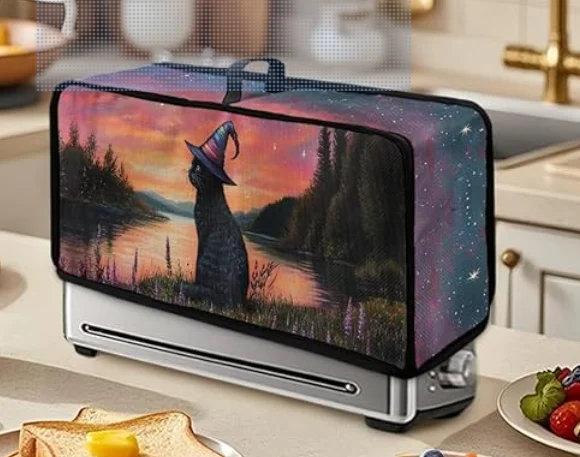
The daily ritual of logging into the exclusive "reviewers only" Vine website became a testament to these principles. Despite often encountering a dearth of worthwhile products – for instance, searching for "porcelain plates" might yield only pink plastic party plates, or a "toaster" search might return a novelty toaster cover – the occasional appearance of a truly useful item, like contractor-grade extension cords, artificial plants for a coworking space, or unique apparel, was enough to sustain engagement. This intermittent reinforcement ensured that the participant continued to check the platform daily, even without a specific need, driven by the unpredictable prospect of a valuable "score." The program’s design, therefore, effectively hijacked the participant’s innate frugality, transforming it into a drive for acquisition, regardless of genuine necessity.

The Unforeseen Costs: Time, Waste, and Ethical Dilemmas
Beyond the psychological manipulation, participation in the Vine program brought several tangible downsides. The act of reviewing, while seemingly minor, accumulated into a significant time commitment. Products needed to be unpacked, often assembled, photographed, and then thoroughly reviewed. This process, undertaken with "assembly-line speed" to batch-write reviews weekly, consumed time that the participant preferred to allocate to other pursuits.
Furthermore, the influx of products, particularly those of questionable utility, generated considerable waste. The manufacturing and packaging of these items directly contradicted the participant’s core values of environmental stewardship and conscious consumption. The paradox was stark: a financial independence advocate, committed to reducing waste and living frugally, was inadvertently contributing to increased consumption and landfill burden.

During the peak of this "consumerism bender," the signs of over-acquisition were evident. Packages arrived almost daily, leading to an overflowing recycling bin. The participant’s family members began to notice and comment on frivolous purchases, leading to discreet efforts to conceal incoming boxes, a clear indication of a disconnect between actions and personal values.
The experience also highlighted the often-unacknowledged "labor" involved in these programs. Reviewers, despite receiving free products, are essentially providing a service to Amazon and its sellers. The program’s interface, described as "reviewer-unfriendly," with poor search functionality and an inability to filter or sort results, underscored this dynamic. This design choice, forcing reviewers to sift through vast quantities of items, suggested a deliberate disregard for the reviewers’ time, positioning them as low-wage workers rather than privileged VIPs. The bureaucratic, AI-based review evaluation system, which would flag factual reviews without explanation, further contributed to the sense of being an expendable cog in a larger machine, requiring tedious, arbitrary edits to satisfy an opaque algorithm.
Taxation and True Value: The Financial Nuances of "Free"

A critical, often overlooked, aspect of the Amazon Vine program is its tax implications. Products received through Vine are not truly "free" in a financial sense. Amazon tracks the retail value of all items sent to Vine Voices and, for participants exceeding certain thresholds, issues a 1099 form for the retail value of goods received at the end of the year. This means the "free" items are considered taxable income.
For the participant, the total estimated value of goods received in 2025 amounted to approximately $7,000. At a marginal tax rate of around 25%, this initially implied a potential tax liability of up to $1,750. While a significant portion (approximately 75%) of these items were genuinely used for commercial purposes (construction supplies, HQ renovations) and could be offset as business expenses, a segment of roughly $1,000 worth of "pure nonsense" remained, incurring a tax bill of $250.
However, subsequent advice from informed readers highlighted a crucial nuance in tax regulations. In many cases, the estimated value of reviewed products can be marked down by a significant percentage (e.g., 80%) before declaring it as income, due to the diminished resale value once a product has been opened and reviewed. This adjustment significantly reduces the actual tax liability, transforming the initial $250 estimate to a more manageable $50 in this specific instance. This detail underscores the complex financial considerations that participants in such programs must navigate, moving beyond the superficial appeal of "free."

Reclaiming Autonomy: Breaking the Cycle
The realization of these hidden costs – in time, environmental impact, and tax burden – coupled with the unsettling feeling of being manipulated, eventually prompted a shift towards a "recovery stage." The participant recognized that the habit had become a form of procrastination, an easy distraction from more meaningful, albeit challenging, activities. The inherent flaws of the Vine program, such as the endless scrolling through undesirable items and the frustrating review system, also contributed to this disengagement.
Drawing on principles of habit formation, the participant employed a "Keystone Habit" trick, remapping the browser bookmark for the Vine page to a "Badassity Tracker" – a personal chart of daily habits focused on physical activity, productive work, and creative endeavors. This strategic redirection of a habitual action effectively bypassed the temptation to engage with Vine, replacing it with activities aligned with personal well-being and productivity. The experience served as a powerful reminder that true joy and fulfillment stem from intentional actions, such as physical workouts, progress on personal projects, and using technology as a creative tool, rather than an entertainment or consumption device.

This personal journey, while specific to one individual, resonates with broader societal challenges. It mirrors the "One More Year Syndrome" observed in many individuals who continue to work beyond financial necessity, driven by ingrained habits, the pursuit of perceived status, or a reluctance to embrace a new, less structured reality. The Vine experiment underscored the importance of continuous self-reflection and questioning one’s own assumptions and patterns of behavior.
Broader Implications and Expert Perspectives
The Amazon Vine program, and the participant’s experience within it, offers a microcosm of larger trends in the digital economy. It highlights how platforms leverage data, behavioral psychology, and gamification to encourage engagement and consumption. This model is not unique to Amazon; similar dynamics are at play across social media, online gaming, and other digital services designed to capture and monetize attention.

The implications extend beyond individual financial choices to broader societal concerns:
- Consumerism and Waste: The ease of acquiring "free" items, even those unneeded, contributes to a culture of disposability and increased environmental footprint through manufacturing, shipping, and eventual disposal.
- Review Integrity: While Vine aims for unbiased reviews, the incentive of free products inherently creates a potential conflict of interest, raising questions about the authenticity and impartiality of such reviews.
- The "Gig Economy" of Attention: Programs like Vine can be seen as a form of "micro-labor," where users contribute value (reviews, engagement) in exchange for non-monetary or indirectly monetary compensation, often without the protections or recognition afforded to traditional employees.
- Digital Addiction and Well-being: The "online casino effect" observed within Vine is a pervasive characteristic of many digital platforms, raising concerns about their impact on mental well-being, time management, and the ability to focus on long-term goals.
The participant’s candid sharing of this experience, potentially violating the program’s terms and conditions against discussing internal operations, underscores a commitment to transparency and a desire to extract public lessons from personal challenges. The core message remains universal: in an increasingly digitized and incentive-driven world, individuals must cultivate a heightened awareness of the forces shaping their decisions. By fostering self-reflection, seeking feedback from trusted sources, and consciously redirecting habits, individuals can navigate these complex landscapes more effectively, aligning their actions with their true values and long-term well-being. This journey, from innocent review to profound introspection, serves as a compelling reminder that even minor course corrections in daily habits can lead to significantly different and more fulfilling life trajectories.

