
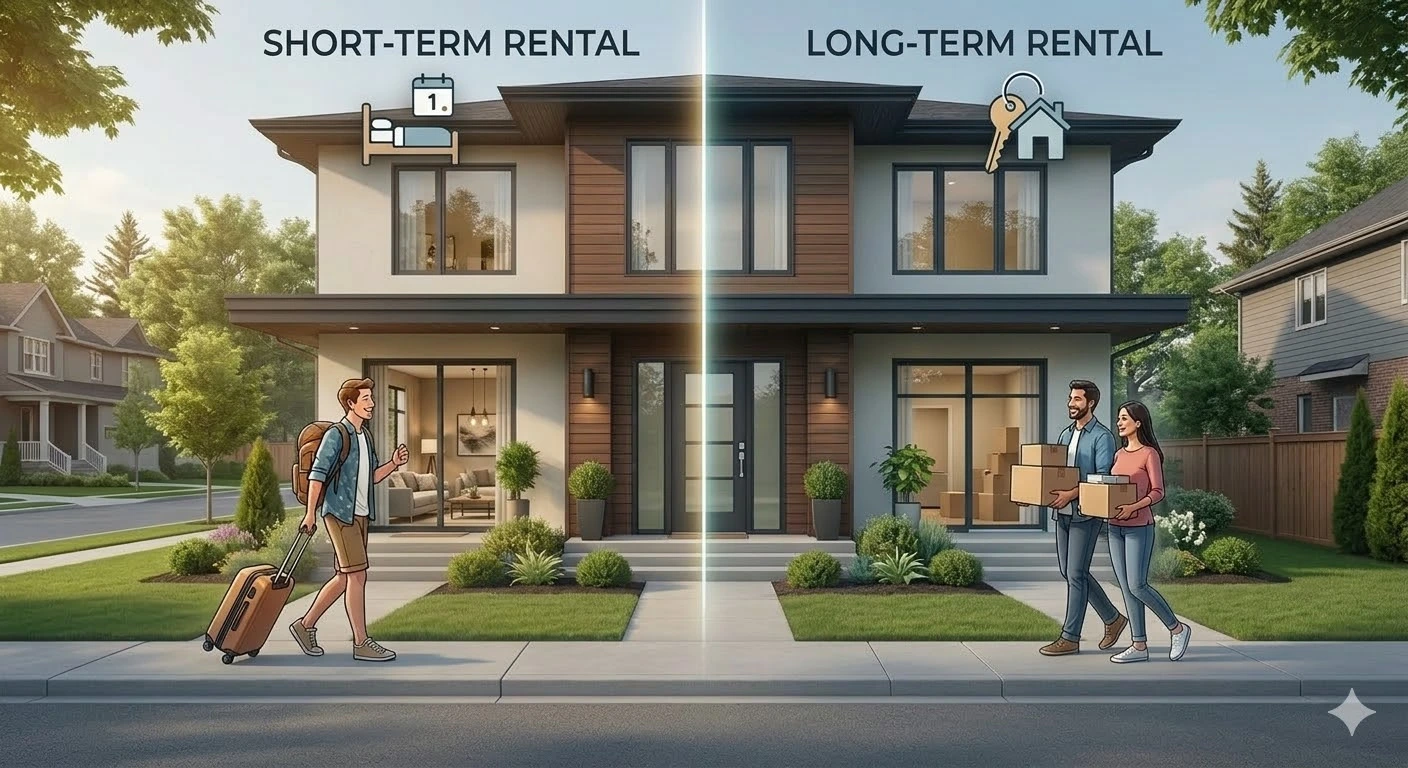
Just a few years ago, the allure of short-term rental properties, particularly through platforms like Airbnb, promised a straightforward path to passive income. For many, it appeared as simple as renting out a spare bedroom or a vacation home to capitalize on a booming travel market. This perception was significantly amplified during the post-pandemic travel surge of 2021-2022, a period where data often indicated that short-term rentals outperformed their long-term counterparts in many U.S. markets. Investors, drawn by the prospect of consistent cash flow, flocked to this sector, believing that property acquisition in virtually any location, coupled with an Airbnb listing, was a guaranteed path to portfolio growth.
However, the landscape for real estate investors has undergone a significant transformation by 2026. The golden era of easy, passive income from short-term rentals has given way to a more complex operational reality. Across numerous markets, a noticeable slowdown in Airbnb occupancy and revenue growth has coincided with a sharp increase in regulatory scrutiny. What was once perceived as a hands-off investment has evolved into a full-fledged business, demanding active management and strategic planning.
This shift has presented a dilemma for investors. While the short-term rental market is becoming more challenging, the traditional long-term rental sector is not without its own set of difficulties. Compounding this complexity, a third viable option has emerged: the mid-term rental. Consequently, the clear-cut winner for rental strategy is no longer evident, compelling real estate investors to meticulously re-evaluate their options and carefully weigh the nuances of each approach. This analysis delves into the critical factors investors must now consider when choosing between short-term, long-term, and mid-term rental strategies in the current market.
The Shifting Regulatory Terrain: From Permissive to Prescriptive
A key catalyst for the evolution of the rental market has been the proliferation of regulations. Historically, the short-term rental market benefited from a lag in legislative action, allowing for relatively easy market entry. However, as the popularity of platforms like Airbnb surged, so did concerns regarding housing affordability, neighborhood character, and tax revenue. This led to a wave of legislative responses.
By 2026, most housing markets, particularly those popular with tourists, have implemented stringent regulations for short-term rentals. Cities such as New York City, Honolulu, Santa Monica, New Orleans, and San Francisco have effectively enacted "de-facto" bans, where the laws are so restrictive that operating a short-term rental is practically impossible. These regulations often encompass a wide array of requirements, including:
- Licensing and Permits: Obtaining special permits and licenses, often with annual renewal fees.
- Occupancy Limits: Restrictions on the number of guests allowed per property.
- Zoning Restrictions: Designating specific areas where short-term rentals are prohibited or limited.
- Taxes: The implementation of hotel taxes or occupancy taxes specifically for short-term rentals.
- Safety Standards: Mandating specific safety features, such as smoke detectors, carbon monoxide detectors, and fire extinguishers.
- Minimum Stay Requirements: Some jurisdictions have introduced minimum stay durations to discourage transient rentals.
For investors considering a vacation rental property, navigating this complex legal framework is paramount. The capacity to remain legally compliant, understand local ordinances, and adapt to evolving regulations is no longer optional but a fundamental requirement. Resources like Mashvisor’s portal, which tracks U.S.-wide short-term rental regulations, have become indispensable tools for due diligence.
The regulatory environment for traditional, long-term rentals is also undergoing changes, albeit with a different focus. While landlords have historically been subject to location-specific laws dating back to the early 20th century, including:
- Fair Housing Laws: Prohibiting discrimination based on race, religion, gender, and other protected characteristics.
- Landlord-Tenant Acts: Governing lease agreements, eviction procedures, and tenant rights.
- Building Codes: Ensuring properties meet safety and habitability standards.
In 2026, a new wave of legislation is emerging, increasingly favoring tenants and introducing additional costs and complexities for landlords. For instance, in California, new laws have introduced:
- Rent Control Measures: Limiting the ability to raise rents significantly year-over-year.
- Just Cause Eviction Protections: Requiring landlords to have a legally recognized reason to evict a tenant.
- Increased Notice Periods: Lengthening the required notice for rent increases or lease terminations.
Similarly, Washington State has seen legislative changes that may include:
- Restrictions on Late Fees: Capping the amount landlords can charge for late rent payments.
- Enhanced Tenant Protections: Strengthening tenant rights in eviction proceedings.
The trend of tenant-friendly legislation, once prominent in a few major states, is gaining momentum, with other states often following suit once successful models are established. Therefore, a comprehensive understanding of the legal landscape, regardless of the chosen rental strategy, is crucial for real estate investors.
Escalating Costs: A New Financial Reality for All Rental Types
The financial calculus of real estate investment has been significantly impacted by rising costs across the board. While short-term rentals have historically been more expensive to operate than long-term rentals, this cost differential has widened, and the absolute costs for both strategies have increased substantially by 2026.
For Short-Term Rental Properties:
The escalating costs are a direct consequence of several factors:
- Regulatory Compliance: Annual fees for permits, registration, and potential fines for non-compliance add a significant financial burden.
- Platform Fees: Airbnb introduced new platform fees in 2025, increasing the operational costs for hosts.
- Increased Competition: The market is no longer simply about offering a place to stay. To attract guests in an oversaturated market, hosts often need to invest in amenities that were once considered luxuries. For example, a hot tub has become a baseline expectation for many Airbnb listings in popular tourist destinations like Gatlinburg, Tennessee, representing a substantial capital investment.
- Higher Operating Expenses: Property taxes, mortgage rates, and insurance premiums have all risen. The specialized insurance required for short-term rentals can be particularly costly.
The cumulative effect is that owning and operating a vacation rental property in 2026 is considerably more expensive than it was just a few years prior.
For Long-Term Rental Properties:
While not facing the same level of direct regulatory fees as short-term rentals, long-term landlords are also experiencing increased overhead:
- Mandated Upgrades: New tenant-friendly laws often require landlords to ensure properties meet higher standards, such as providing working stoves and refrigerators, which can necessitate costly upgrades.
- Energy Efficiency: Tenants are increasingly eco-conscious and demand energy-efficient homes. Investing in upgrades like better insulation, energy-efficient appliances, and smart thermostats, while beneficial in the long run, represents an upfront cost.
- General Inflation: The broader inflationary pressures impacting the economy have also driven up the costs of maintenance, repairs, and property management services.
For both strategies, start-up and ongoing costs are no longer what they used to be. Real estate investors must move beyond general assumptions and obtain detailed, reliable cost estimates alongside income projections to accurately assess potential cash flow before committing to an investment.
Location, Location, Location: The Evolving Dynamics of Market Choice
The importance of location in real estate investment remains paramount, but the factors influencing optimal location choice have become more dynamic. Beyond the legal considerations, real estate investors must re-evaluate market suitability based on shifting demographic trends and travel patterns.
Travel trends are notoriously fickle, and the issue of market oversaturation adds another layer of complexity to short-term rental viability. For traditional rentals, recent demographic shifts indicate a strong migration towards the Southeast and Mountain West regions of the U.S., often referred to as the Sunbelt, a stark contrast to the historical preference for larger, established cities. Understanding where people are moving is only part of the equation; positioning an asset effectively within those markets is the true challenge.
Daryl Fairweather, Chief Economist for Redfin, offers crucial insights into these evolving market dynamics. When asked about potential conversions from short-term to long-term rentals, Fairweather noted: "Conversions are most likely where short-term economics weaken or regulations tighten. This typically occurs in markets where short-term rental revenue is declining, perhaps due to increased competition or fewer tourists, but the underlying demand for long-term housing remains strong. Essentially, these are markets where the ‘upside’ of short-term rentals diminishes, making the stability of long-term rentals more appealing."
Regarding markets where short-term rentals might still outperform long-term rentals in 2026, Fairweather emphasized: "Yes, some markets will still favor STRs. These are often highly desirable tourist destinations with consistent demand, even with increased competition. However, success in these markets is increasingly dependent on professional management, dynamic pricing strategies to capture peak demand, and a sustained influx of visitors. Passive Airbnb investments in less popular or ‘random’ towns are now significantly riskier."
This perspective underscores the need for investors to conduct granular market analysis, identifying locations that retain strong demand for short-term stays while also assessing the underlying fundamentals for long-term rentals. The decision-making process must account for localized trends, not just broad national patterns.
The Occupant Profile: Shifting Perceptions of Tenant Risk
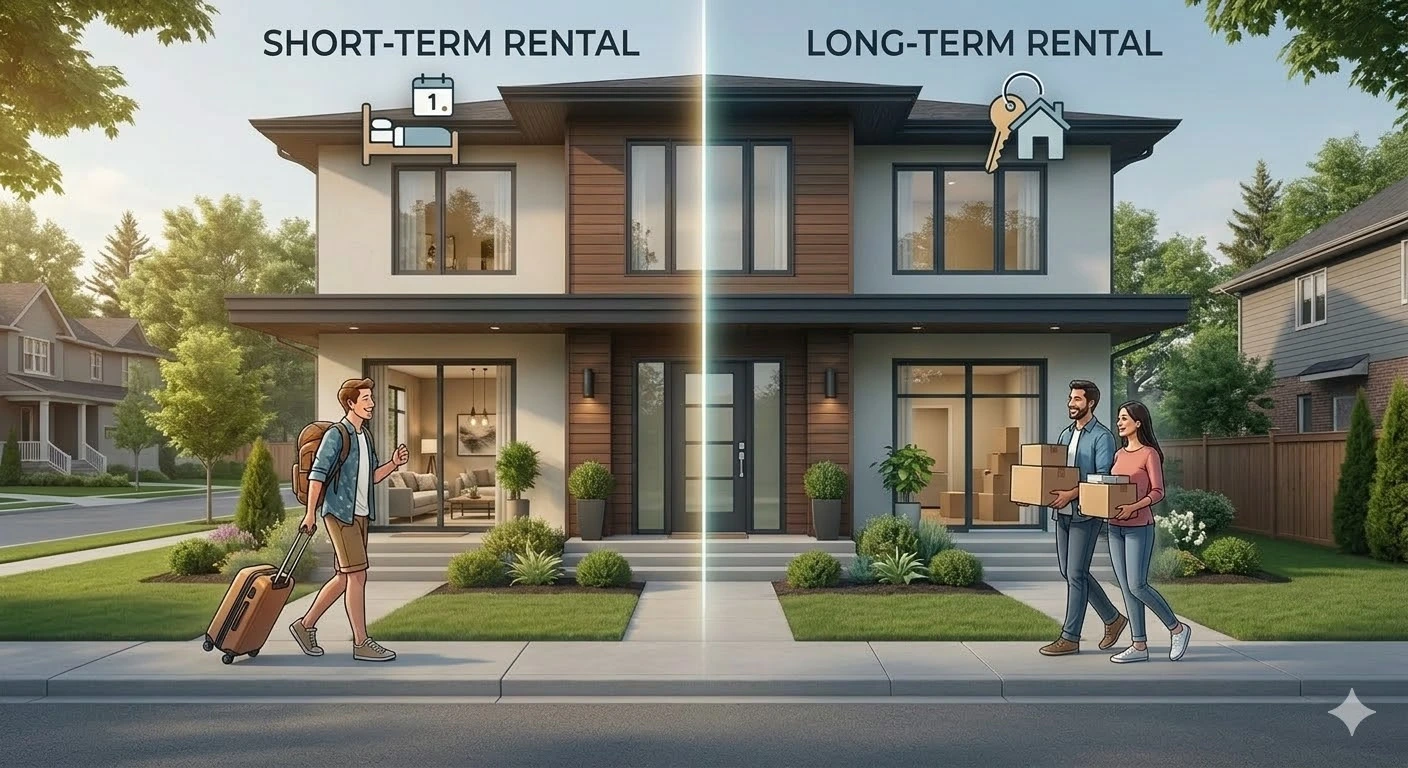
A significant attraction for investors venturing into short-term rentals was the perceived lower risk associated with temporary guests. The assumption was that short-term renters would pose fewer long-term tenant issues, such as:
- Property Damage: Less likelihood of extensive wear and tear compared to long-term occupants.
- Non-Payment of Rent: Guests pay upfront, eliminating the risk of rent arrears.
- Tenant Disputes: Fewer ongoing neighborly conflicts or lease violations.
The idea of the transient Airbnb guest seemed to embody an ideal occupant. However, the reality has proven more complex. The proliferation of "Airbnb horror stories" shared online has brought to light incidents of:
- Property Damage and Vandalism: Guests causing significant damage beyond normal wear and tear.
- Illegal Activities: Parties, drug use, and other illicit behaviors occurring on the property.
- Neighbor Complaints: Disruptive behavior impacting the local community.
- Difficulties with Eviction: While not a traditional eviction process, removing problematic guests can still be challenging and time-consuming.
Furthermore, the operational costs associated with accommodating short-term guests are substantial. High-speed internet, hotel-like amenities (toiletries, linens, fully stocked kitchens), and professional cleaning services after each stay contribute to higher operating expenses.
In 2026, it’s no longer a clear-cut case of one occupant type being inherently "better" than the other. Both short-term guests and long-term tenants present unique management challenges and associated costs. Investors must critically assess their capacity to handle the specific demands of each, implement robust risk mitigation strategies, and develop effective protocols for addressing potential issues.
The Effort Equation: From Passive Dream to Active Reality
The notion that short-term rentals offer truly passive income has been largely debunked by 2026. Online communities and forums dedicated to Airbnb and short-term rental hosts are rife with discussions about the significant effort required to manage a hospitality business effectively. For hosts who choose to manage their properties directly rather than outsourcing to a property management company, the investment becomes decidedly active.
Being a landlord for a long-term rental has always been recognized as an active endeavor, particularly during periods of tenant turnover, eviction proceedings, or emergency maintenance. However, the perception of short-term rentals as a passive income stream was a significant draw for many early adopters.
Both short-term and long-term rental investments can be transformed into passive income streams through the engagement of professional property managers. However, this comes at a cost. Property management fees for long-term rentals typically range from 8% to 12% of the monthly rental income, whereas for short-term rentals, these fees are considerably higher, often falling between 15% and 25% of gross revenue.
The critical takeaway is that neither hosting short-term rentals nor being a landlord for long-term properties is inherently passive. Investors must realistically assess their tolerance for day-to-day operations and the time commitment involved. Alternatively, factoring in the full cost of property management from the outset is essential for any investor seeking a truly passive rental income strategy. This requires careful budgeting and a clear understanding of how management fees will impact overall cash flow.
The Rise of the Third Option: Mid-Term Rentals
The decision-making process for rental strategies is no longer confined to a binary choice between short-term and long-term rentals. The emergence and growing popularity of mid-term rentals have introduced a compelling third option for real estate investors.
A mid-term rental, also often referred to as a monthly rental, is typically occupied for periods ranging from one month to six months, and sometimes even up to a year. This segment occupies a middle ground between the fleeting nature of short-term stays and the commitment of long-term leases. The primary demographic for mid-term rentals includes traveling healthcare professionals (nurses, doctors), individuals on extended business assignments, digital nomads, and those in the process of relocating.
The success of mid-term rentals is often tied to specific market characteristics:
- Proximity to Hospitals and Medical Centers: A consistent demand from traveling medical staff.
- University Towns: Catering to visiting faculty, researchers, or students on short-term programs.
- Areas with a Strong Corporate Presence: Accommodating employees on temporary work assignments.
- Cities with a High Volume of Relocations: Serving individuals transitioning between jobs or housing.
A significant advantage of mid-term rentals is that they generally operate outside the complex regulatory frameworks that govern short-term rentals. While short-term rentals often boast higher average daily rates (ADRs), mid-term rentals typically achieve higher occupancy rates. This, combined with lower turnover costs and reduced cleaning fees compared to short-term rentals, can translate into more consistent and potentially higher overall profits within the same real estate market.
When compared to traditional long-term rentals, mid-term rentals offer greater flexibility for tenants, and the properties are usually furnished. This premium is reflected in rental rates, with tenants often willing to pay an additional $600 to $800 per month above market rates for a furnished, temporary lease compared to a standard long-term lease. This premium pricing, coupled with the stability of longer-than-short-term stays, makes mid-term rentals an attractive proposition for investors seeking a balanced approach to rental income.
Strategic Re-evaluation: Convert or Sell Your Rental Property?
For existing short-term rental property owners, the evolving market conditions may necessitate a strategic re-evaluation of their current assets. A property that was once a profitable short-term rental might now be facing shrinking profit margins due to market oversaturation or prohibitive new regulations, making continued operation untenable. In such scenarios, investors face a critical decision: convert the property to a long-term rental or sell it altogether.
This decision hinges on a thorough examination of current real estate market trends and the investor’s financial situation. Key questions include: Is it the optimal time to sell, or could holding onto the property for a future sale yield greater returns? Can the property be held without incurring significant negative cash flow while awaiting a buyer? How are long-term rentals performing in the same market?
Fairweather of Redfin offers guidance on when selling might be a more prudent option than conversion: "An investor should consider selling when the property no longer justifies the complexity and risk of short-term rentals or when the capital could be better used elsewhere. This includes situations where the property’s returns are no longer robust, market prices are favorable for a profitable sale, or new regulations have rendered the short-term rental strategy unfeasible or unprofitable."
If the market analysis indicates that converting to a long-term rental is a viable strategy, Fairweather suggests focusing on several key areas:
- Market Demand: Ensure there is consistent demand for long-term rentals in the area.
- Property Condition: Update the property to meet the expectations of long-term tenants, focusing on durability and functionality.
- Pricing Strategy: Research comparable long-term rental rates to set a competitive yet profitable price.
- Tenant Screening: Implement a rigorous tenant screening process to secure reliable occupants.
Fairweather concludes, "Long-term rentals offer predictability over upside. Treat the conversion as a strategic business decision, prioritizing stability and consistent cash flow."
Conclusion: Data-Driven Decisions in a Dynamic Market
The real estate investment landscape in 2026 is characterized by significant shifts in both the short-term and long-term rental markets. The era of easy passive income from short-term rentals has largely concluded, replaced by a more demanding operational reality. However, opportunities for profitable real estate investment persist. The key to success now lies in increased selectivity and a reliance on robust data to guide decision-making.
Investors who remain committed to a specific strategy, whether short-term, long-term, or mid-term, must diligently identify the right real estate markets and properties that align with their chosen approach. Tools like Mashvisor, which provide access to comprehensive short-term and long-term rental data, can offer immediate insights into potential performance. For mid-term rentals, integrating supplemental data with existing platforms will be crucial for accurate earnings projections. By leveraging data and conducting thorough due diligence, real estate investors can navigate the complexities of the current market and make informed decisions that maximize their return on investment.
Frequently Asked Questions
Can short-term rentals still be profitable in 2026?
Yes, short-term rentals can still be profitable in 2026, but profitability is highly dependent on location, the prevailing regulatory environment, occupancy rates, and operating costs. In tourism-driven markets with sustained high demand, Airbnb rentals may indeed generate higher income than traditional leases. However, investors must conduct rigorous analysis of local laws, competition, and operational expenses before investing.
What is the difference between short-term and long-term rental profitability?
Short-term rentals often have the potential for higher revenue per night due to premium pricing. However, long-term rentals typically offer more stable, predictable monthly income and generally incur lower management and operational costs. The most profitable strategy ultimately depends on a confluence of factors, including local tourism demand, rental regulations, property acquisition costs, and anticipated occupancy rates.
What is a mid-term rental?
Short-term rentals are typically rented for a few nights or weeks through platforms like Airbnb. Mid-term rentals usually last between one to six months and are popular among traveling professionals, digital nomads, or individuals undergoing relocation. Long-term rentals are traditional leases that last for six to twelve months or more, providing landlords with stable, consistent income.
Is Airbnb a better investment than a long-term rental?
Airbnb can generate higher income in high-demand markets, particularly tourist destinations. However, it also demands more active management, incurs higher operating costs, and requires strict compliance with local regulations. Long-term rentals, on the other hand, tend to offer more predictable cash flow and fewer day-to-day management responsibilities. The superior investment depends on the investor’s risk tolerance, market conditions, and management capacity.
How do investors choose between a short-term and long-term rental strategy?
Investors compare projected rental income, expected occupancy rates, anticipated operating costs, and local regulations before selecting a rental strategy. Analyzing historical rental data and current market trends is essential to determine whether a property is likely to perform better as a short-term or long-term rental.

