
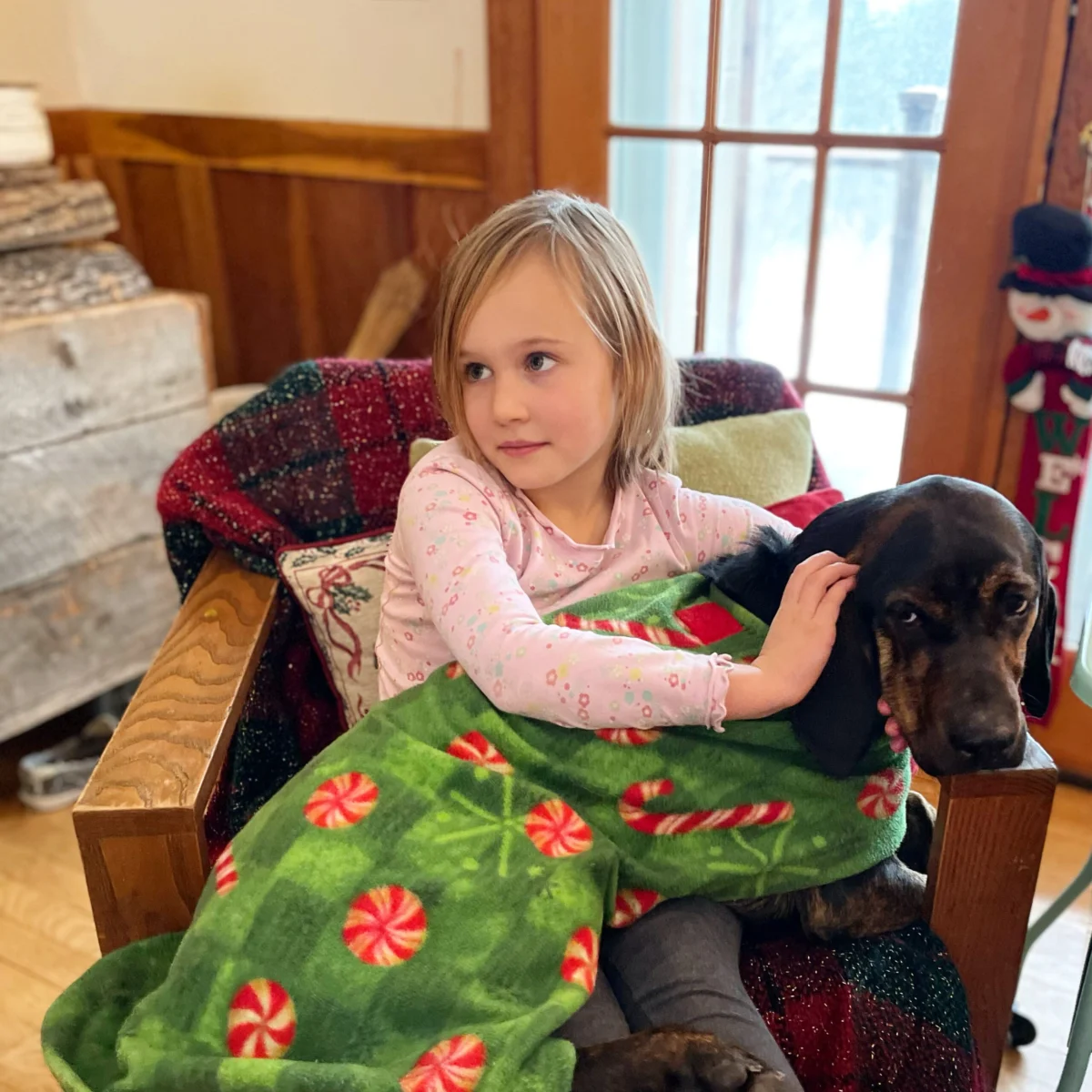
The adoption and subsequent rehoming of a rescue hound in rural Vermont has highlighted the complex intersection of animal behavior, financial commitment, and family lifestyle within the modern pet ownership landscape. The case of Genevieve, a hound discovered in an emaciated state in late 2022, serves as a significant case study for the difficulties inherent in rehabilitating working-breed dogs transitioned into domestic environments. Despite an expenditure exceeding $2,300 and four months of intensive behavioral and medical intervention, the animal’s severe separation anxiety proved insurmountable for a standard family structure, eventually necessitating a transfer to a specialized foster-based rescue organization.
Chronology of the Rescue and Rehabilitation Effort
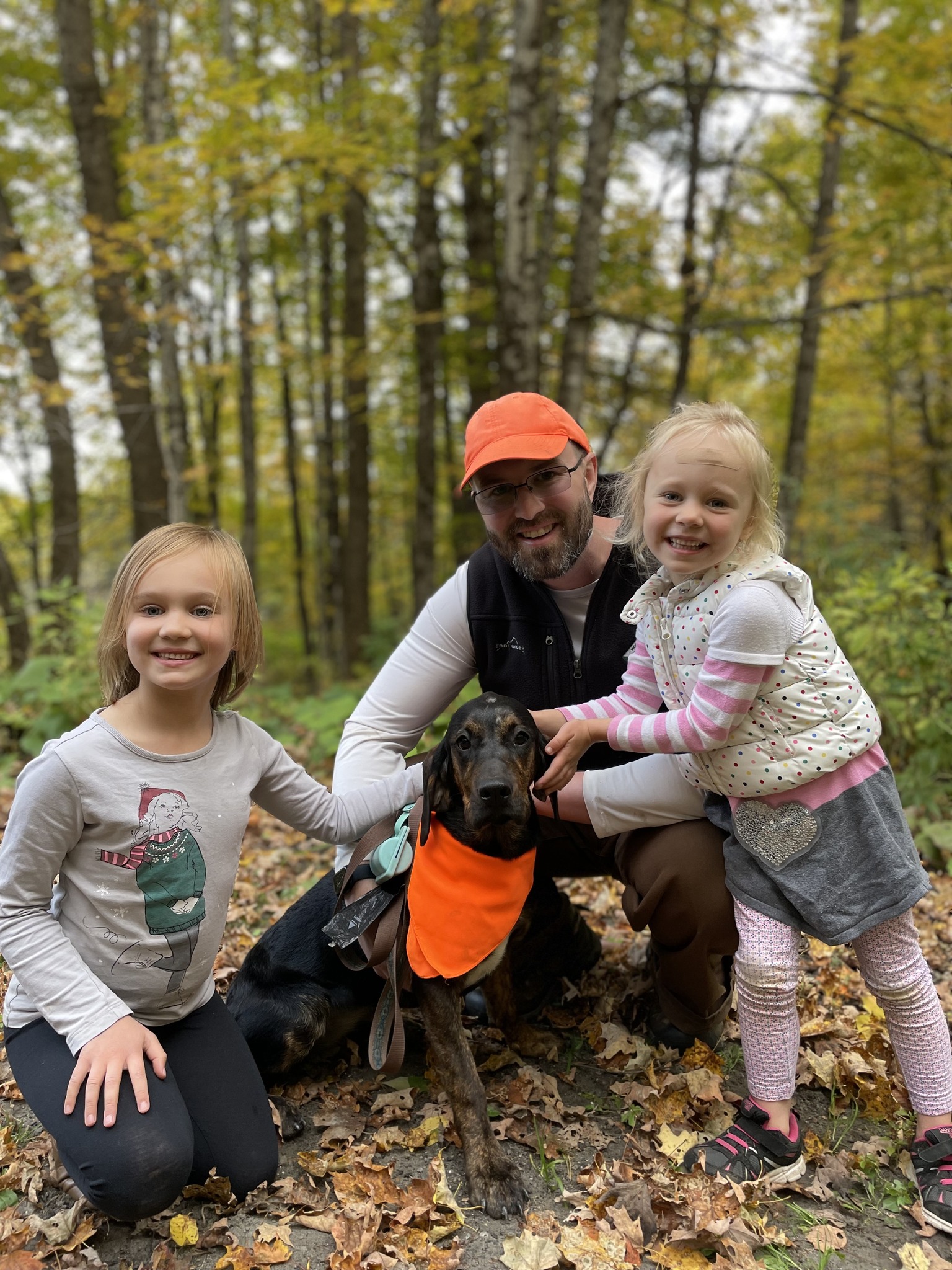
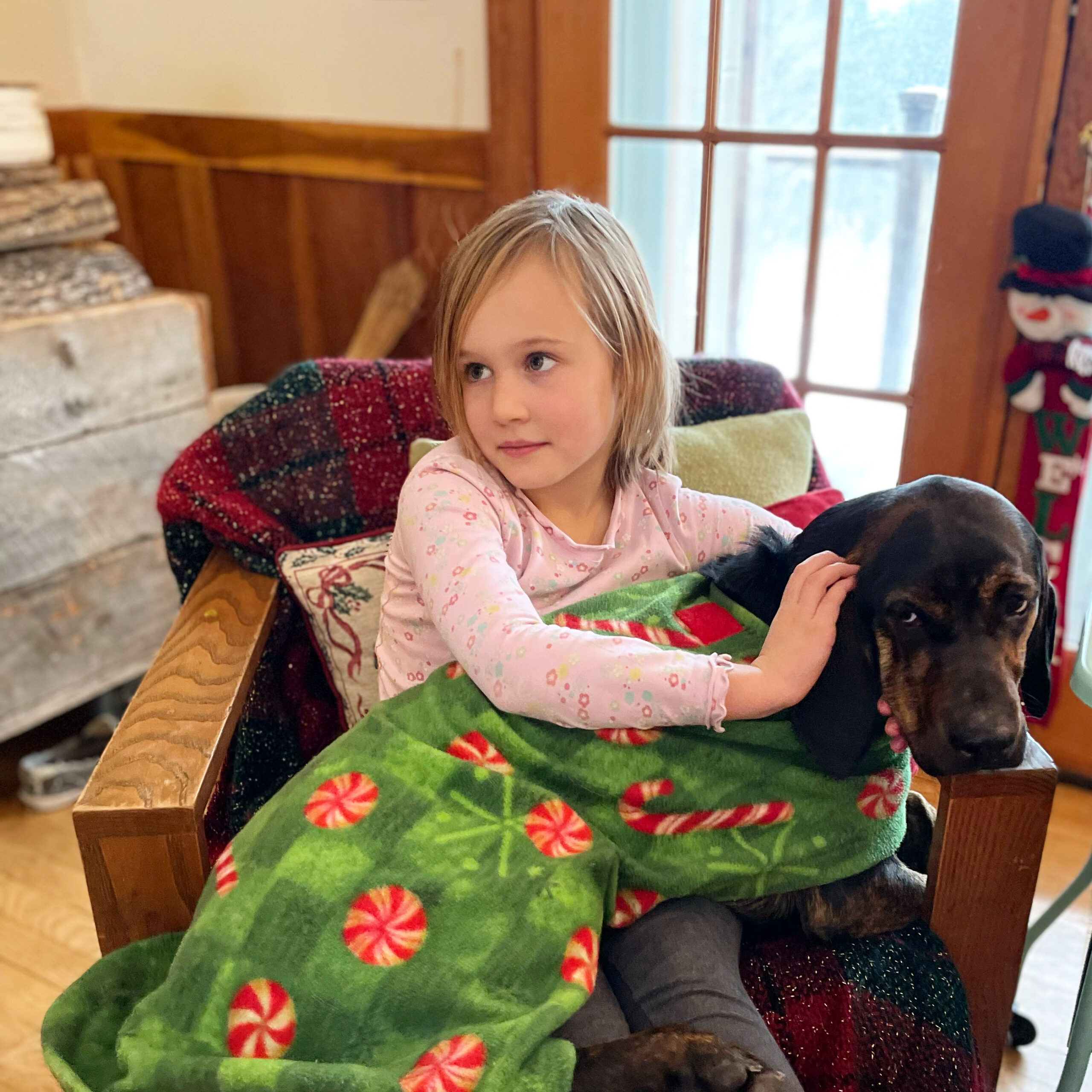
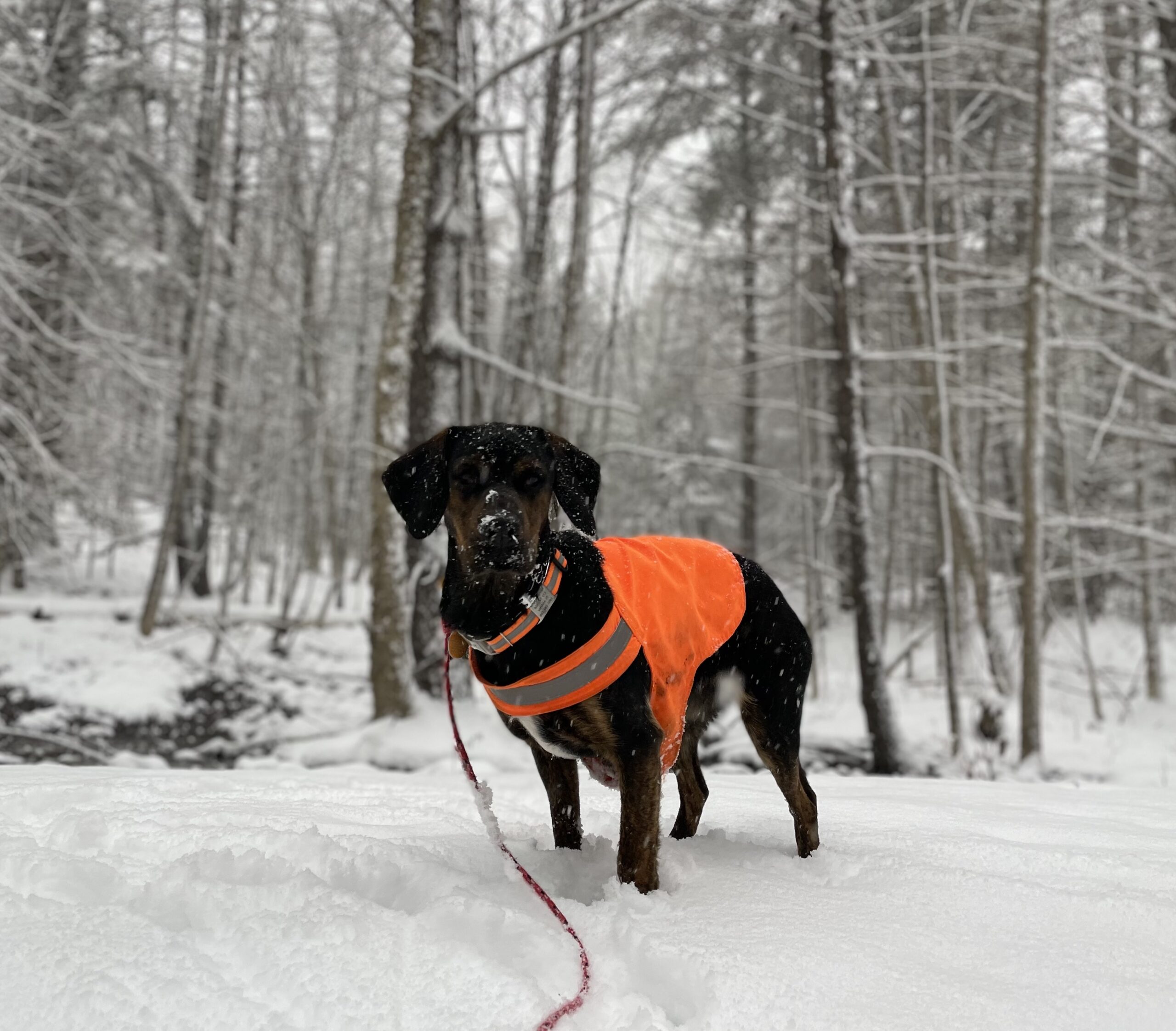
The timeline of the event began in late September 2022, when a female hound, later named Genevieve (nicknamed Gigi), was discovered in a state of advanced malnutrition on a private property in Vermont. The animal possessed no identification tags or microchip. Following a period of unsuccessful attempts to locate an owner through local advertisements and veterinary scans, a local family opted to adopt the dog on October 3, 2022, to prevent her placement in a high-capacity municipal shelter.
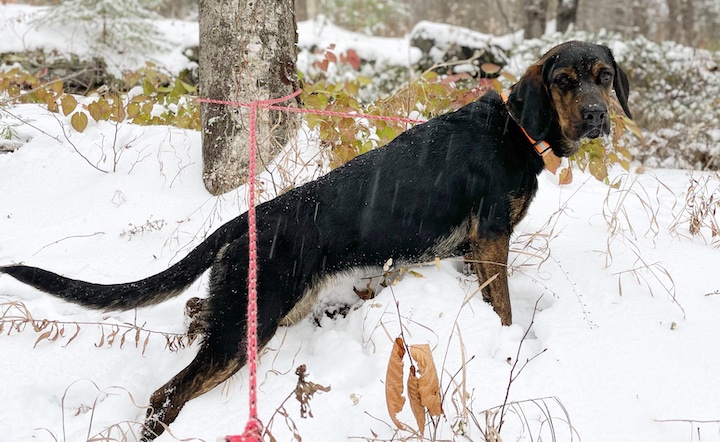
Upon her entry into the domestic environment, Gigi was described as a well-adjusted animal in the presence of humans, demonstrating proficiency in hiking and basic obedience. However, a critical behavioral deficit emerged within the first week: an acute and debilitating form of separation anxiety. The animal was unable to remain alone for periods exceeding five minutes without experiencing a physiological and psychological panic response.
From October 2022 through January 2023, the adoptive family engaged in a multi-tiered intervention strategy. This began with standard crate training—a method previously successful with their former pet, a retired racing greyhound. While the dog utilized the crate as a sanctuary while the family was present, the structure became a site of extreme distress during their absence. The family then sought professional assistance, hiring a dog trainer to implement a desensitization regimen. This protocol involved "micro-absences"—leaving the home for intervals as short as 30 seconds—to gradually build the animal’s tolerance. Despite consistent application, the dog could not progress beyond a five-minute threshold.
By December 2022, the intervention expanded to include technological and medical solutions. High-definition cameras and remote-controlled treat dispensers were installed to monitor and reward calm behavior from a distance. Concurrently, a series of veterinary consultations led to the prescription of a hierarchy of pharmaceuticals, ranging from mild anti-anxiety medications to sedatives and tranquilizers. None of these measures successfully mitigated the animal’s panic attacks, which frequently resulted in the dog soiling its environment and engaging in repetitive pacing.
Financial Data and Resource Allocation
The financial burden of the four-month rehabilitation attempt was substantial, totaling $2,373.25. This figure is significantly higher than the average annual cost of dog ownership in the United States, which the American Society for the Prevention of Cruelty to Animals (ASPCA) estimates at approximately $1,391 for a medium-sized dog.
A detailed breakdown of the expenditures reveals the high cost of medical and behavioral "emergency" care for rescue animals with unknown histories:
- Veterinary Care and Initial Processing: $725.38. This included extensive vaccinations, de-worming, microchipping, and diagnostic testing necessitated by the animal’s time in the wild.
- Behavioral and Technical Interventions: $278.77. This covered professional training fees and specialized hardware, such as the remote camera and treat dispensing systems.
- Pharmaceuticals and Follow-up Consultations: $430.20. Multiple vet visits were required to adjust dosages and trial different sedative classes.
- Support and Adoption Fees: $600.00. This was a voluntary contribution to the foster-based rescue organization to cover the costs of spaying and future placement.
- Supplies and Miscellaneous: $338.90. This included high-calorie food for weight gain, winter gear, and durable toys.
When contrasted with the family’s previous experience—a retired greyhound whose annual maintenance cost was approximately $930—the Gigi case illustrates the financial volatility associated with "special needs" rescues.
Behavioral Analysis: The Working Dog and the Pack Instinct
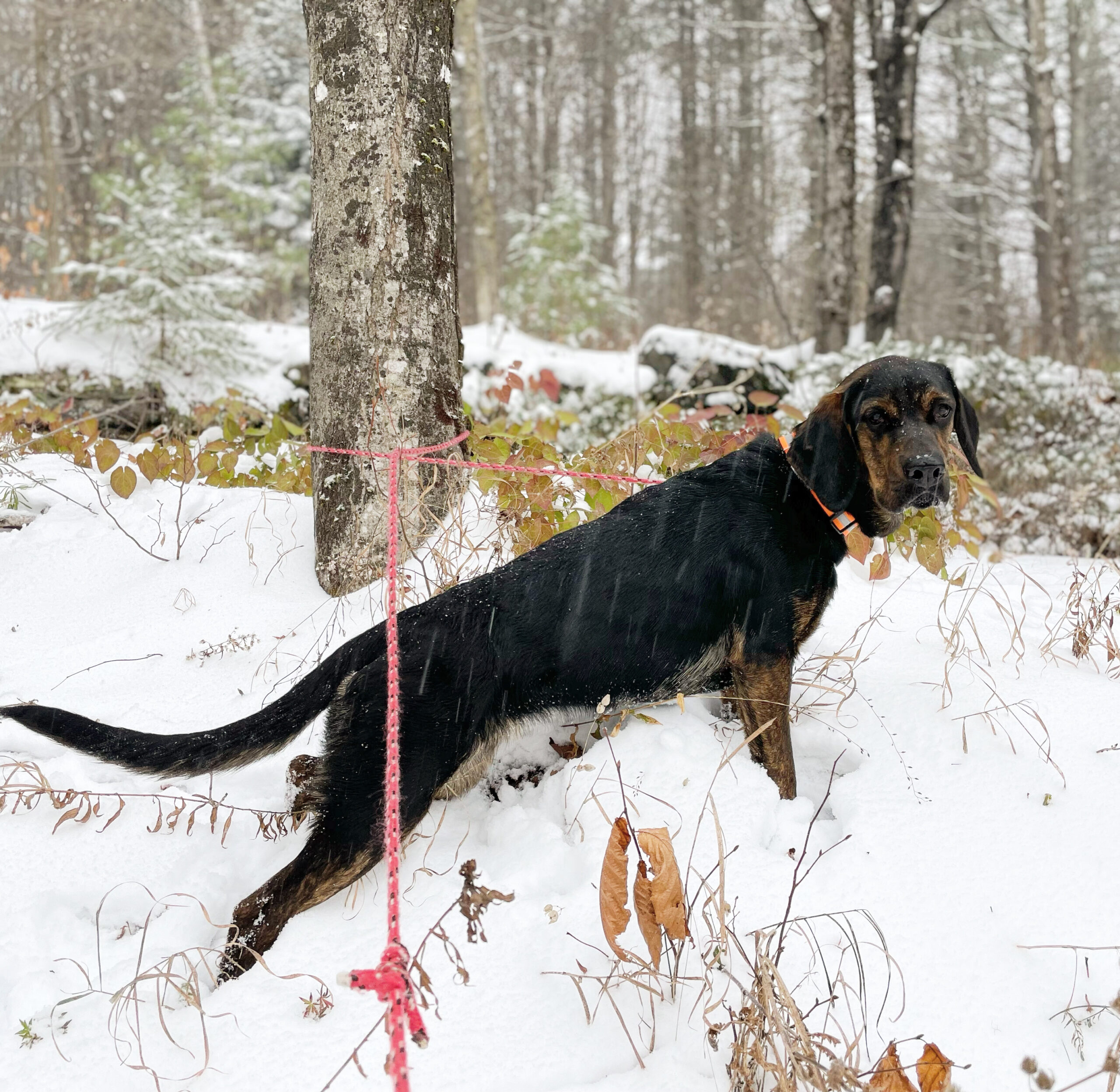
Veterinary behaviorists and rescue experts often categorize hounds found in rural New England as "lost" working dogs, specifically those bred for bear or deer hunting. The theory posited by both the adoptive family and the subsequent rescue organization is that Gigi was a bear hunting dog who became separated from her pack.
This background is critical to understanding the failure of domestic rehabilitation. Hunting hounds are traditionally raised in "kennel packs," where they are rarely, if ever, solitary. Their psychological security is intrinsically linked to the presence of other canines. The rescue organization that eventually took custody of Gigi confirmed this hypothesis; they observed that while the dog could not be left alone by humans, she remained calm and well-behaved if other dogs were present in the household.
This finding highlights a common pitfall in the "rescue movement": the mismatch between an animal’s genetic and social history and the expectations of a modern, single-pet suburban or rural household. For a working hound, "isolation" is a life-threatening state, and the resulting separation anxiety is not a behavioral quirk but a deep-seated survival instinct.

Implications for the Pet Adoption System
The decision to rehome Gigi in early 2023 underscores a difficult reality in animal welfare: the "failed adoption." While the term often carries a negative stigma, professional animal behaviorists argue that recognizing a fundamental mismatch is a responsible act of stewardship.
In this instance, the family’s lifestyle—characterized by active engagement in school, church, and community events—required a pet that could tolerate moderate periods of solitude. The persistence of the dog’s anxiety created a "frozen" household dynamic, where one parent was required to remain home at all times to prevent the animal from self-harming or destroying its environment. The emotional toll on the family, particularly the children, became a secondary factor in the decision to seek a more compatible environment for the dog.
The successful transition of Gigi to a multi-dog household via a foster-based rescue organization demonstrates the efficacy of specialized rescue networks. These organizations often have the resources to match dogs with specific behavioral needs to environments that can accommodate them—in this case, a "pack" environment that a single-family home could not provide.
Broader Economic and Environmental Context
The case also sheds light on the broader challenges facing residents of the Northeast, particularly Vermont. The financial strain of pet rehabilitation occurred against a backdrop of increasing environmental volatility. A brief update from the region indicates that while the local community was recently devastated by torrential rains and flooding, the infrastructure of rural properties—such as the quarter-mile driveway mentioned in the source—has faced repeated damage.
The cost of maintaining rural properties in the face of climate-driven events, such as the "eaten" driveways caused by torrential rain, adds another layer of financial pressure to families already navigating the high costs of animal care and domestic management. These "unexpected expenses" define the modern rural experience, where both the natural environment and the animals rescued from it require significant and often unpredictable capital.
Conclusion and Future Outlook
The narrative of Genevieve the hound is a cautionary yet informative tale regarding the limits of domestic intervention. It emphasizes that compassion and financial investment, while necessary, are sometimes insufficient to overcome the biological and social requirements of certain breeds.
For the pet adoption industry, this case reinforces the need for rigorous "lifestyle matching" and the importance of disclosing the specific needs of working breeds to potential adopters. It also highlights the invaluable role of foster-based rescues that provide the nuanced care and pack-based environments that traditional shelters and single-pet homes often lack.
While the family involved has opted to pause their pursuit of dog ownership to focus on their children and community engagement, they have transitioned into "dog-sitting" roles. This "part-time" approach to pet ownership offers a potential model for active families who wish to maintain a connection to animal companionship without the 24-hour logistical and financial burden of a high-needs rescue. Ultimately, Gigi’s story ended successfully not through the persistence of the original adoption, but through the recognition that the animal’s well-being was dependent on a different social structure—one that honored her history as a pack animal.

