
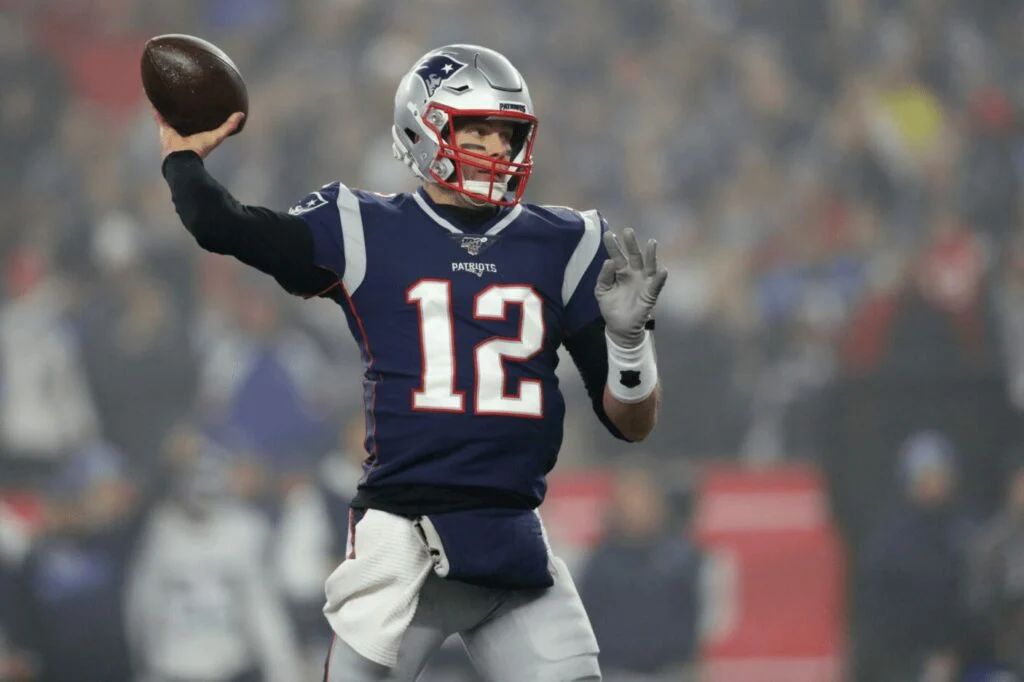
The departure of Tom Brady from the National Football League, a league he has not only dominated but redefined, offers a compelling case study for individuals navigating significant life transitions, particularly retirement. While Brady’s stratospheric success—seven Super Bowl championships, five Super Bowl MVP awards, three league MVP titles, and an array of passing records—places him in a singular echelon, the underlying principles guiding his decision and its timing hold universal relevance. Examining these principles can provide valuable insights for "mere mortals" contemplating their own post-career journeys, offering a framework for a more intentional and fulfilling transition.
The Timing of a Grand Exit
Brady’s retirement announcement on February 1, 2022, followed a distinguished 22-season career. He had publicly expressed a desire to play until his mid-40s, a goal he nearly achieved, retiring at 44. This decision, however, came after the Tampa Bay Buccaneers’ playoff exit in January 2022, a point at which many athletes in similar positions might have been contemplating the next season.
The NFL is a demanding profession, characterized by a relatively short career span and high physical attrition. For Brady, however, his longevity was a testament to meticulous preparation, advanced training methodologies, and a commitment to a holistic approach to his well-being, famously including his adherence to a strict diet and recovery regimen. His decision to step away, even a year shy of a self-imposed target, underscores a crucial lesson: the importance of self-awareness regarding one’s readiness for change.
While financial security and a desire for continued competition often drive athletes to prolong their careers, Brady’s choice suggests an internal compass recalibrated to a different set of priorities. This is particularly poignant given that nearly half of all retirees, according to various studies, are compelled to retire earlier than planned due to economic necessity, health issues, or involuntary job loss. Brady’s ability to choose his exit point, even if slightly adjusted from his initial aspiration, highlights the advantage of proactive planning and the capacity to recognize when a chapter has reached its natural conclusion, irrespective of external benchmarks.
A Legacy of Excellence: Stepping Down at the Peak
A recurring theme in discussions surrounding Brady’s career has been his consistent performance at an elite level. In his final season with the Buccaneers, he led the league in passing yards with 5,316, a remarkable feat for any quarterback, let alone one in his 22nd year. He also ranked among the top contenders for the MVP award. This sustained excellence allowed him to depart not as a player clinging to past glories, but as a force still actively shaping the game.
This decision to "go out on top," or at least near it, is a stark contrast to the careers of many who remain in their professions long after their peak performance has waned. In professional sports, this often manifests as a player struggling to maintain their former abilities, impacting team performance and personal legacy. The business world, too, sees individuals who overstay their welcome, potentially hindering organizational growth and personal professional reputation.
Brady’s proactive retirement, at a point where his on-field contributions were still substantial, offers a powerful example of controlling one’s narrative. It allows for the preservation of an esteemed reputation and avoids the potential diminishment that can accompany a protracted decline. The question for individuals outside of professional sports then becomes: Will you define the terms of your exit, or will circumstances dictate them?
Architecting the Next Chapter: Proactive Planning for Post-Career Life
One of the most salient lessons from Brady’s career transition is his demonstrated commitment to building a "next act" well in advance of his retirement. During his playing days, he strategically invested in and developed businesses across various sectors, including health and wellness (TB12), apparel (Brady Brand), and content creation (199 Productions). These ventures were not merely passive investments but active pursuits that allowed him to cultivate new skills and explore different professional identities.
This approach serves as a critical blueprint for individuals contemplating their own post-career lives. The notion of retirement is evolving beyond a passive cessation of work to a more active and multifaceted phase of life. For many, it represents an opportunity to pursue passions, engage in civic service, embark on entrepreneurial endeavors, or dedicate time to personal growth and learning.
The wisdom in Brady’s strategy lies in the early and sustained effort. By beginning to lay the groundwork years before his NFL career concluded, he ensured a smoother and more prepared transition. This included gaining practical experience, building a network, and understanding the intricacies of running businesses. For those not aspiring to build empires, this principle translates to dedicating time while still employed to research potential post-career activities. This could involve informational interviews with individuals who have successfully transitioned into new roles, volunteering to gain experience, or taking courses to acquire new skills. A survey by Fidelity Investments revealed that while 87% of individuals consider retirement a significant life event, only 39% have a written plan, underscoring the need for more proactive engagement with this transition.
The Unseen Influence: Family Considerations in Life-Altering Decisions
Speculation surrounding Brady’s retirement frequently highlighted the role of family. As a husband and father, his decision to step away from the demanding schedule and intense travel required by professional football was undoubtedly influenced by a desire to prioritize time with his loved ones. This aspect resonates deeply with a broad spectrum of the population.
The complexities of retirement planning are often amplified within partnerships. Many couples, despite sharing a life, can exhibit a surprising disconnect regarding their future retirement timelines and aspirations. A Fidelity Investments survey of 1,600 individuals found that a significant 57% of respondents were incorrect when asked about their significant other’s retirement timeline. This data points to a widespread deficiency in open and consistent communication about such a pivotal life event.
Brady’s situation, albeit under intense public scrutiny, underscores the importance of a shared vision and mutual understanding within a relationship when making decisions that impact both individuals profoundly. For couples, this means engaging in ongoing, in-depth conversations about retirement. It requires active listening, an openness to differing perspectives, and a willingness to collaboratively shape a future that honors the needs and desires of both partners. Assuming alignment without explicit dialogue can lead to misunderstandings and unmet expectations during a time that should be characterized by shared anticipation and joy.
Maintaining Dignity: The Art of a Graceful Departure
Brady’s retirement announcement, while widely celebrated, drew some criticism for its perceived omission of the New England Patriots, the franchise where he spent the first two decades of his illustrious career and won six Super Bowl titles. While his subsequent social media posts and public statements later addressed his gratitude towards the Patriots organization and its fans, the initial announcement sparked debate about professional courtesy and legacy.
This episode offers a valuable lesson in professional conduct during transitions: the importance of maintaining grace and avoiding unnecessary conflict. In any career, whether it involves moving to a new company, changing professions, or retiring, the manner of departure can have lasting repercussions. Burning bridges, engaging in public criticism, or exhibiting pettiness can tarnish one’s reputation and potentially hinder future opportunities or relationships.
The author’s anecdote about a former employee’s "scorched earth style" resignation letter, which went viral for its vitriol, serves as a cautionary tale. Such actions, driven by a desire for retribution or a moment of catharsis, rarely yield long-term benefits. Instead, they can create a lasting negative impression and undermine professional credibility. Brady’s situation, while perhaps a minor misstep in an otherwise impeccable career, reinforces the principle that rising above petty grievances and exiting with dignity is not only more ethical but also strategically sound. It allows for the preservation of positive relationships and a legacy built on respect and professionalism.
The Open Door: The Evolving Nature of Retirement
The concept of retirement is not a monolithic, irreversible end-point for everyone. In fact, a significant trend observed in recent years is "unretirement," where individuals who have previously left the workforce choose to return. Studies conducted before the COVID-19 pandemic indicated that in both the United States and the United Kingdom, over 20% of retirees returned to work within five years. Notably, financial necessity was not always the primary driver; many cited a desire for a sense of purpose, the social connections offered by employment, or the cognitive stimulation that work provides.
Brady’s own situation, with the media rife with speculation about potential future comebacks, even referencing Brett Favre’s own intermittent retirements and returns, exemplifies this phenomenon. The possibility, however remote, that Brady might still play again underscores the idea that retirement can be a fluid state rather than a definitive closure.
This lesson is particularly relevant for individuals who may feel apprehensive about a complete cessation of professional activity. The traditional model of retirement is increasingly being supplemented by flexible work arrangements, part-time roles, consulting opportunities, and encore careers. These options allow individuals to maintain engagement, derive satisfaction from their contributions, and stay intellectually active, without necessarily committing to the full-time demands of their previous careers. The key takeaway is to approach retirement with a degree of flexibility, recognizing that one’s needs and desires may evolve, and that opportunities for continued engagement, in various forms, are often available.
The wisdom gleaned from Tom Brady’s unparalleled career and his thoughtful approach to its conclusion offers a rich tapestry of lessons. By understanding the importance of timing, maintaining peak performance, proactive planning for future endeavors, prioritizing family, exhibiting grace in transitions, and remaining open to evolving definitions of post-career life, individuals can navigate their own journeys with greater intention, fulfillment, and enduring success.

