
A profound paradigm shift in urban development is gaining momentum, advocating for the radical restructuring of cities to prioritize human experience over automotive convenience. This vision, championed by various urban planning experts and sustainability advocates, posits that transitioning from car-centric to human-centric urban design could unlock unprecedented economic prosperity, enhance public health, and foster more vibrant, connected communities globally. Proponents argue that the benefits extend far beyond reduced pollution or alleviated traffic, promising a life-altering transformation that could redefine societal well-being and wealth on a monumental scale.
The Economic Imperative for Human-Centric Design
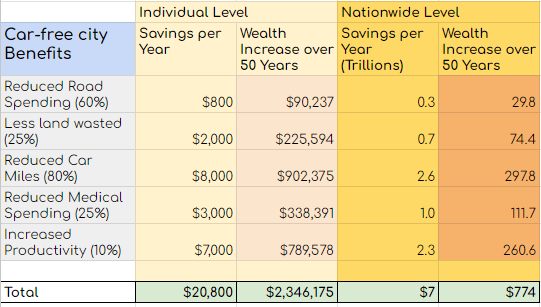
The financial implications of this proposed urban metamorphosis are staggering. Analysts suggest that a concerted shift towards people-friendly cities could generate an annual life boost exceeding $20,000 per individual. This substantial sum, compounded over an adult lifetime, could amount to more than two million dollars per person. These figures are derived from a comprehensive evaluation of direct and indirect costs associated with pervasive car ownership and car-dependent infrastructure. Direct costs include vehicle purchase and maintenance, fuel, insurance premiums, and parking fees, which represent a significant drain on household budgets. Indirect costs encompass the vast public expenditure on constructing and maintaining expansive road networks, highways, and parking facilities, burdens typically borne by taxpayers.
On a national scale, adopting human-centric urban planning could inject approximately seven trillion dollars annually into the United States economy. Over the next five decades, this consistent economic uplift could compound into an astounding 770 trillion dollars. To put this into perspective, this projected wealth generation surpasses the current total amount of human wealth on the entire planet, underscoring the immense, often overlooked, economic inefficiencies inherent in car-dependent societies. Beyond the reduction of automotive expenses, this economic surge would be fueled by decreased healthcare costs due to more active lifestyles and improved air quality, increased productivity from reduced commuting stress, and a flourishing of local economies stimulated by pedestrian traffic and accessible neighborhood businesses.
A History of Car-Centric Development and Its Consequences
The current car-dominated urban landscape is largely a product of post-World War II planning philosophies. The mid-20th century saw a dramatic expansion of highway systems and suburban sprawl, particularly in North America, driven by economic prosperity, cheap fuel, and a cultural embrace of personal mobility. This era solidified the automobile’s role as the primary mode of transportation, leading to zoning regulations that separated residential, commercial, and industrial areas, making car ownership a necessity for daily life. Vast tracts of urban land were consequently dedicated to roads, parking lots, and multi-lane intersections, often at the expense of pedestrian infrastructure, public spaces, and mixed-use developments.
The consequences of this planning approach have become increasingly evident. Environmentally, car dependency contributes significantly to air pollution, greenhouse gas emissions, and urban heat island effects. Socially, it fosters sedentary lifestyles, exacerbates social isolation by reducing spontaneous interactions, and creates dangerous environments for pedestrians and cyclists. Economically, beyond the individual costs, cities bear enormous burdens for infrastructure maintenance, traffic management, and accident response. Furthermore, the extensive land dedicated to vehicle accommodation represents a colossal opportunity cost, diverting valuable urban real estate from housing, green spaces, or community amenities.
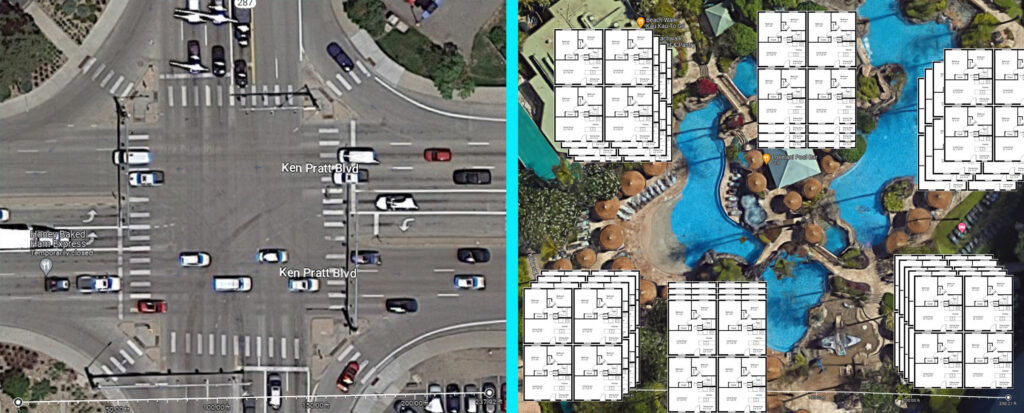
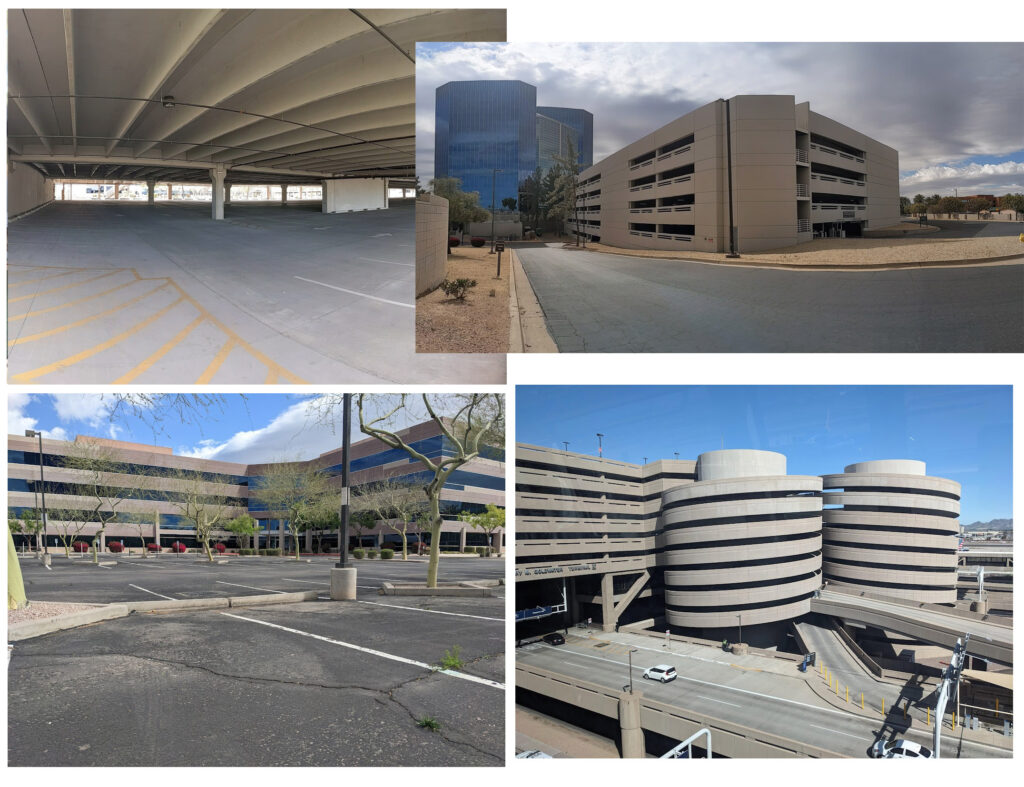
Visual analyses starkly illustrate this wasted potential. For instance, the space occupied by just two standard parking spots could instead accommodate a functional and aesthetically pleasing two-bedroom apartment. Extending this principle, a typical large urban intersection, spanning approximately 1.5 acres, could house around 200 people in comfort, complete with communal amenities such as a swimming pool, a dog park, a grocery store, and multiple restaurants. Images from cities like Phoenix reveal sprawling parking lots and extensive road networks that lie largely unused for significant portions of the day, transforming vibrant urban potential into desolate, heat-absorbing concrete expanses.
Challenging the Status Quo: Overcoming Resistance to Change
Despite the compelling arguments for a shift, implementing such radical changes faces significant hurdles, primarily rooted in the inertia of existing urban planning committees and the ingrained cultural resistance to change. Critics often raise concerns about maintaining current levels of car usage, failing to grasp that the very purpose of human-centric design is to reduce the need for cars. When urban spaces are reconfigured to be walkable, bikeable, and well-served by efficient public transit, the reliance on private vehicles naturally diminishes.
Current city planning bodies are frequently tasked with maintaining the status quo, often influenced by established companies, organizations, and residents accustomed to car-dependent lifestyles. This resistance often stems from a lack of foresight regarding the transformative benefits of people-first design. However, advocates believe that if the profound advantages—economic, health, and social—were widely understood, the current car-centric model would be deemed not just suboptimal, but illogical. The task, therefore, is to educate and demonstrate the feasibility and overwhelming benefits of this alternative vision.
Culdesac Tempe: A Living Blueprint for Car-Free Living
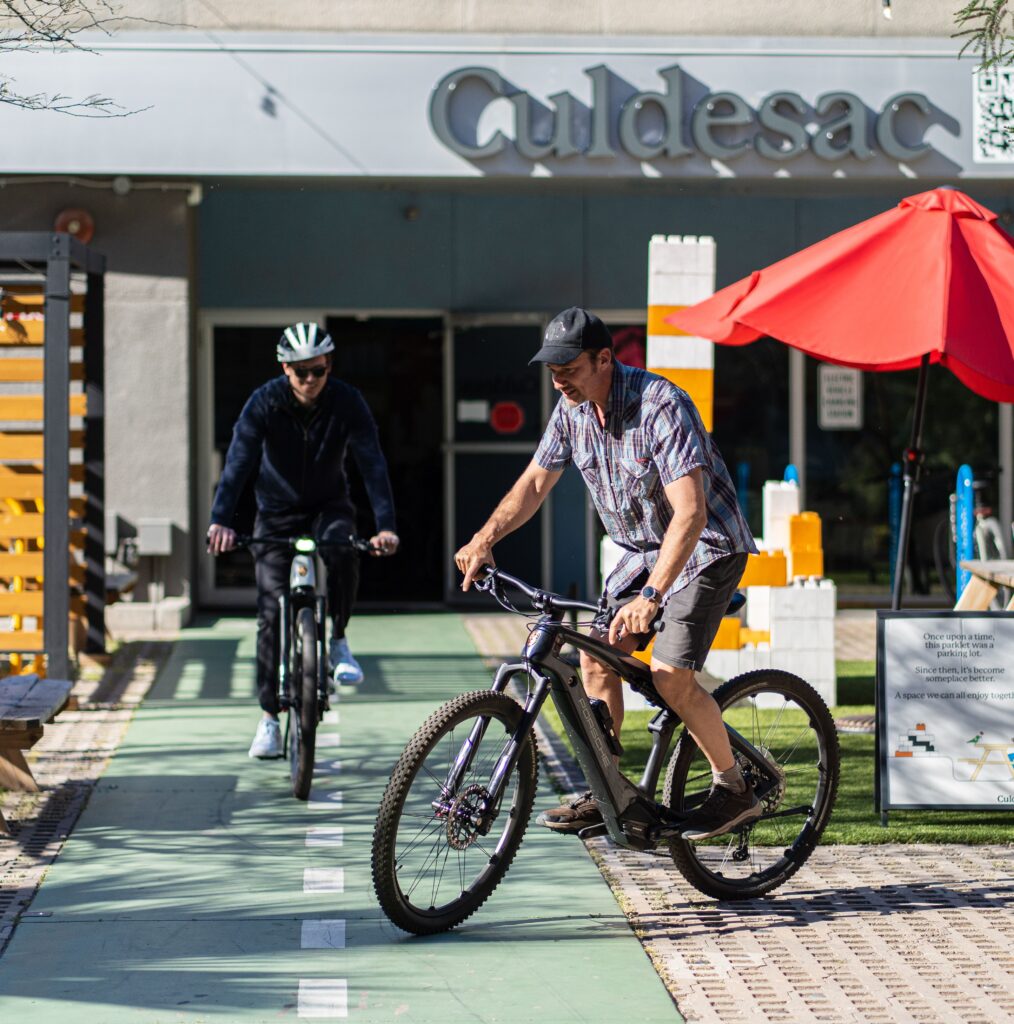
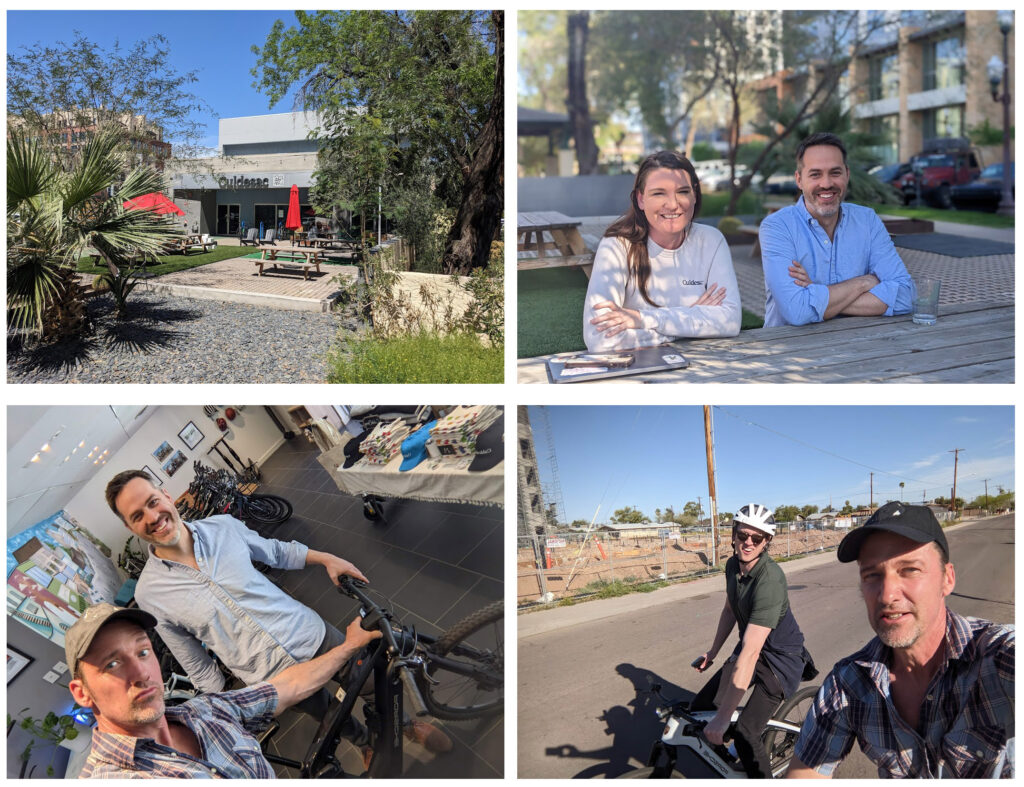
While the theoretical arguments for car-free cities are robust, concrete examples are crucial for demonstrating their practicality. One groundbreaking project, Culdesac Tempe, stands as a pioneering effort in the United States, offering a tangible vision of human-centric urbanism. Located in Tempe, Arizona, within the sprawling Phoenix metropolitan area, this 1,000-person neighborhood is designed entirely around pedestrian and cycling access, eschewing private car ownership for its residents.

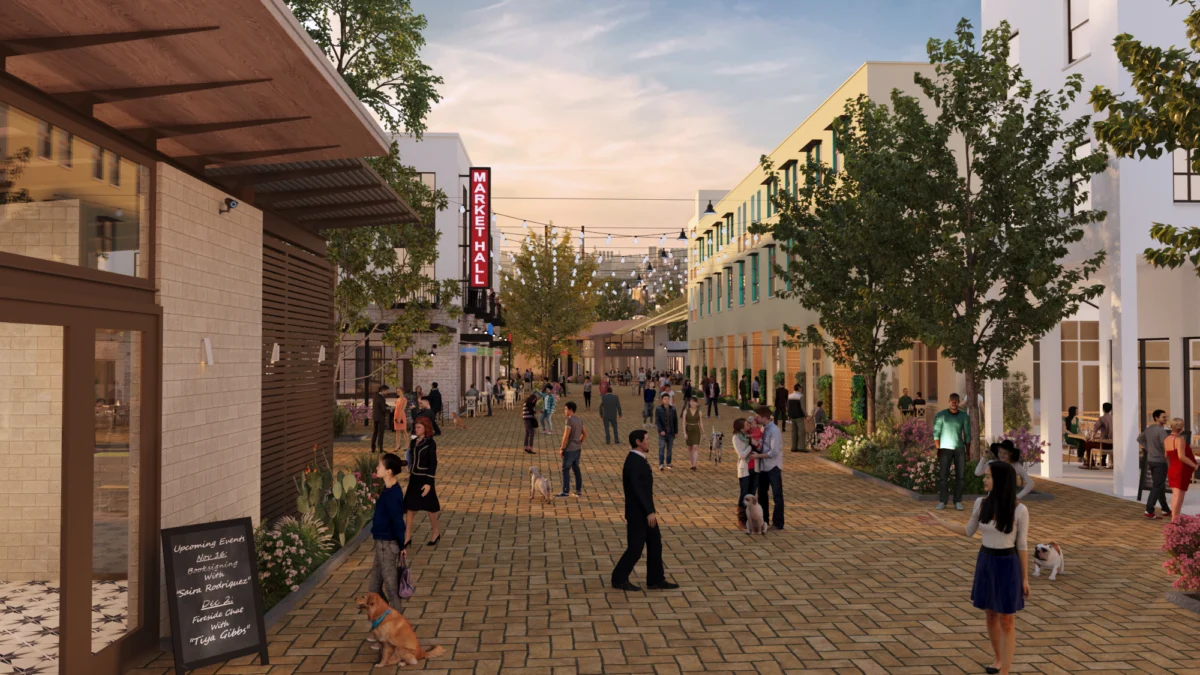
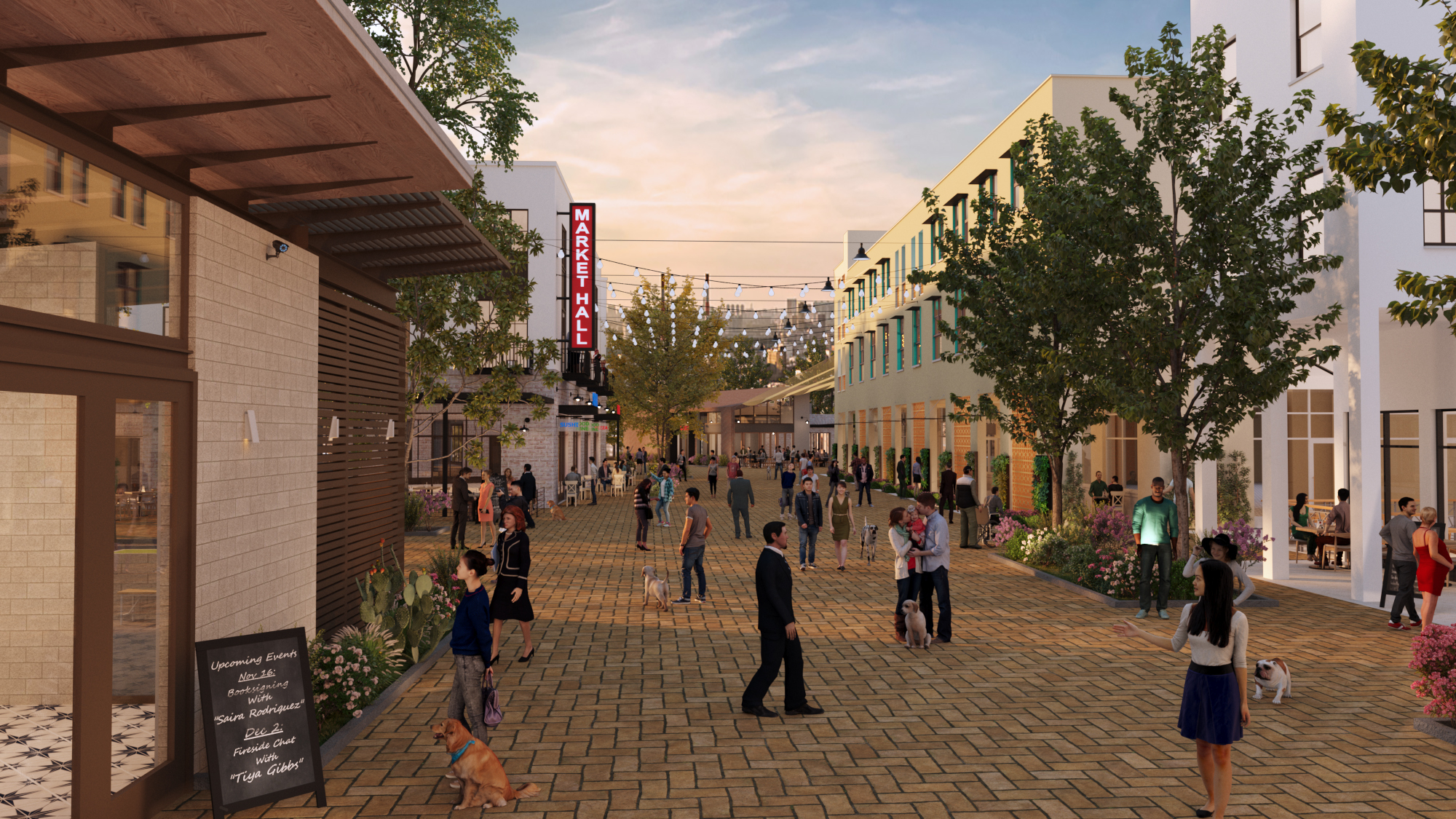
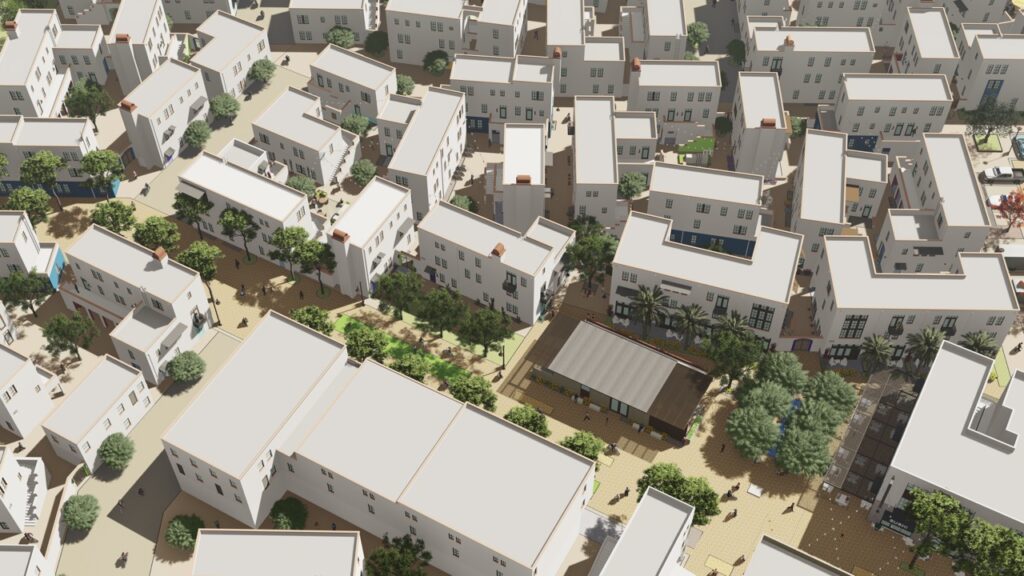
Developed on a 17-acre site, Culdesac Tempe reimagines urban space. Instead of vast parking lots dominating the landscape, the land is dedicated to beautifully designed walking paths, communal courtyards, and green spaces. The architectural aesthetic draws inspiration from Mediterranean design, incorporating elements to provide shade, promote natural breezes, and reflect heat—crucial adaptations for the desert climate. The layout maximizes outdoor social interaction, creating an environment where neighbors can easily connect and engage.
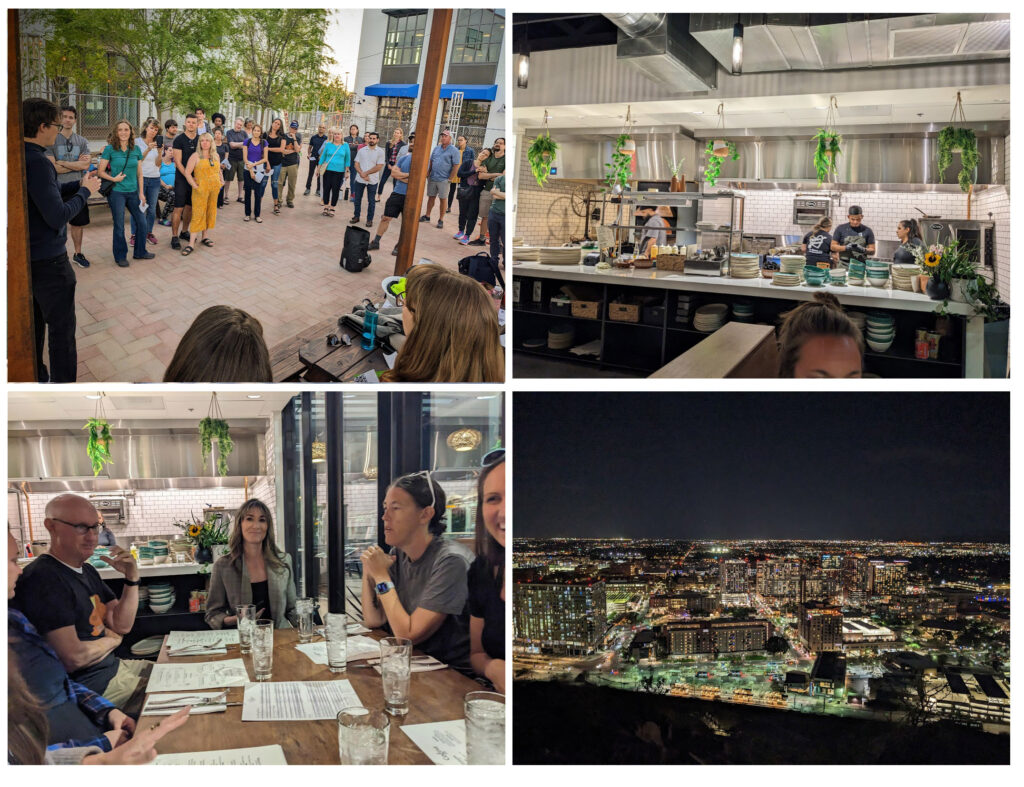
The core of Culdesac Tempe’s appeal lies in its integrated amenities and transportation strategy. Residents have immediate access to a curated selection of on-site facilities, including a café, grocery store, fitness center, co-working spaces, and various retail and dining options. This intentional mixing of residential and commercial uses significantly reduces the need for residents to travel off-site for daily necessities. For broader connectivity, Culdesac Temac is strategically situated within walking distance of Arizona State University and directly on a light rail stop. Residents receive an annual pass to the public transit system as part of their rent, providing free and efficient access to the wider Phoenix metro area, including the airport. For trips beyond bike or transit range, a fleet of shared electric vehicles is available on demand, complementing the widespread availability of e-bikes and scooters. This multi-modal approach ensures mobility without the burden of private car ownership.
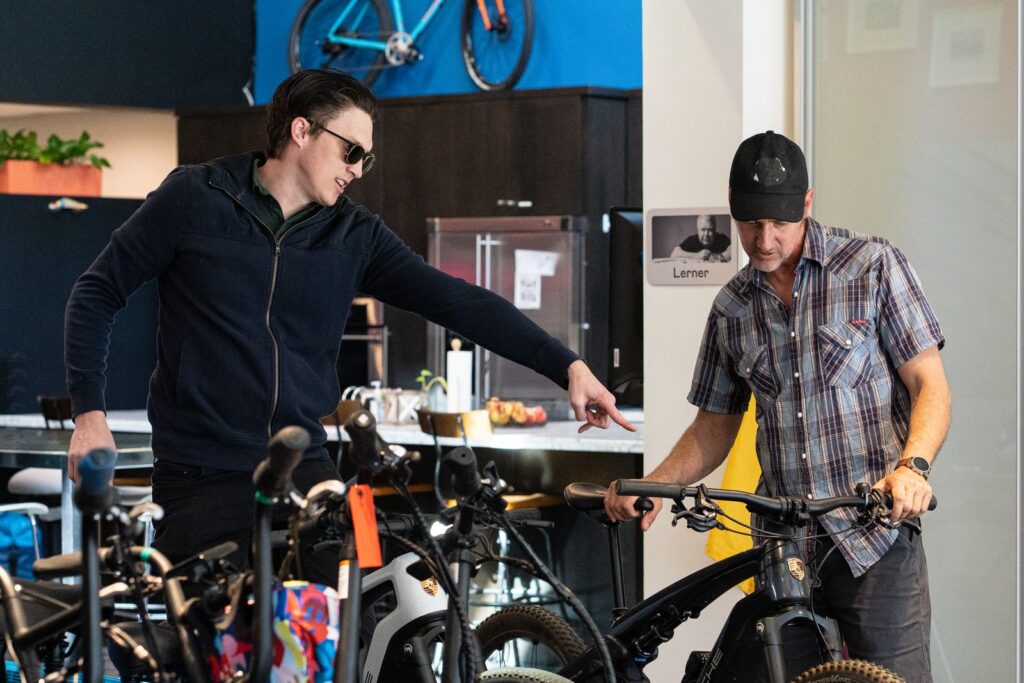
The development of Culdesac Tempe involved navigating complex regulatory landscapes in a city historically built for cars. Its founders, Jeff Berens and Ryan Johnson, alongside their team, worked to secure the necessary zoning changes and approvals, demonstrating how innovative private capital and persistent vision can overcome bureaucratic inertia. The project represents a significant departure from conventional suburban development, serving as a vital proof-of-concept for similar initiatives across the nation.
The Broader Vision: Scalability and Future Implications
Culdesac Tempe is not merely an isolated experiment; it is envisioned as a scalable model for a broader urban transformation. The developers aim to replicate and expand this concept, focusing on converting existing "dead spaces" such as underutilized parking lots, abandoned big-box store sites, and other car-dominated areas into vibrant, human-centered neighborhoods. This strategy offers a pragmatic pathway for retrofitting existing cities without requiring massive demolitions or wholesale rebuilding of established areas.
The long-term master plan for car-free cities involves several key components:
- Iterative Development: Refining the model with each new project, learning from resident feedback and operational experiences.
- Strategic Expansion: Identifying and developing similar communities in other major metropolitan areas across the United States.
- Policy Advocacy: Working with local governments to streamline zoning laws and regulatory frameworks that currently hinder human-centric development.
- Technological Integration: Leveraging advancements in autonomous public transit, electric micro-mobility, and smart city technologies to enhance efficiency and convenience.
- Public Engagement: Educating communities about the myriad benefits of car-free living to foster broader acceptance and demand.
The implications of such widespread adoption are profound. Environmentally, a significant reduction in vehicle miles traveled would lead to drastically lower carbon emissions and improved air quality, contributing meaningfully to climate change mitigation efforts. Socially, these communities would foster stronger bonds, increase physical activity, and enhance overall quality of life by creating quieter, safer, and more aesthetically pleasing environments. Economically, the reallocation of land and resources from car infrastructure to productive and communal spaces would spur unprecedented investment and prosperity.
Supporting the Movement for Human-Centric Cities
For individuals and communities interested in supporting this transformative vision, several avenues exist. Learning about the principles of human-centric urban design, advocating for zoning reform in local municipalities, and supporting developers who prioritize walkable and bikeable communities are critical steps. Engaging with local planning commissions and expressing demand for mixed-use, transit-oriented developments can help shift the political will. Furthermore, participating in pilot projects like Culdesac Tempe, whether as a resident or an observer, provides direct insight into the benefits and challenges of this evolving urban model.
The stakes are undeniably high. The current global trajectory of urban development, largely dictated by the automobile, has led to a range of chronic societal issues, from environmental degradation to public health crises and economic inefficiencies. The shift towards cities built for people, not cars, represents a fundamental reorientation with the potential to address many of these challenges simultaneously. It offers a clear, actionable path toward a future characterized by greater wealth, better health, stronger communities, and a more sustainable planet for generations to come. The opportunity for such a comprehensive win-win scenario is rare, making the pursuit of human-centric urbanism one of the most compelling endeavors of our time.

