

The practice of meticulously documenting and tracking personal and professional aspirations within a bullet journal, often referred to as a "bujo," is gaining significant traction as a powerful tool for goal achievement. Research consistently demonstrates that the act of writing down goals dramatically increases the likelihood of their realization. This is attributed to several psychological mechanisms: written goals provide clarity on objectives, foster accountability, and reinforce commitment. For individuals seeking a structured yet flexible approach to personal development, the bullet journal offers an ideal platform, accommodating diverse planning styles from minimalist layouts to elaborate, colorful trackers. This exploration delves into creative and practical bullet journal goal page ideas, offering 14 distinct formats designed to inspire planning, maintain focus, and facilitate consistent progress tracking, whether for overarching life visions or granular monthly breakdowns.
The efficacy of goal setting is deeply rooted in cognitive psychology. When goals are articulated and recorded, they transition from abstract desires to tangible objectives. This process activates different neural pathways, enhancing memory retention and a sense of ownership. A study published in the Journal of Personality and Social Psychology found that individuals who wrote down their goals were significantly more likely to achieve them compared to those who did not. This phenomenon is often linked to the principles of SMART goals (Specific, Measurable, Achievable, Relevant, Time-bound), where the act of writing facilitates the definition of each component. Furthermore, the visual nature of a bullet journal provides a constant reminder of these objectives, acting as a persistent motivational cue and a mechanism for self-regulation.

The Power of Minimalist Goal Setting
For enthusiasts of a clean and uncluttered aesthetic, minimalist goal pages in a bullet journal offer a streamlined approach to organization. These layouts prioritize clarity and focus, utilizing ample white space, simple lines, and intentional design elements to facilitate effortless goal setting. Whether opting for a single-page overview or a structured grid format, these minimalist spreads ensure goals are both organized and visually appealing without introducing unnecessary complexity. The underlying philosophy is to keep the design sleek, functional, and practical, allowing the goals themselves to take center stage.
1. Black, White, and Functional: The Essence of Simplicity
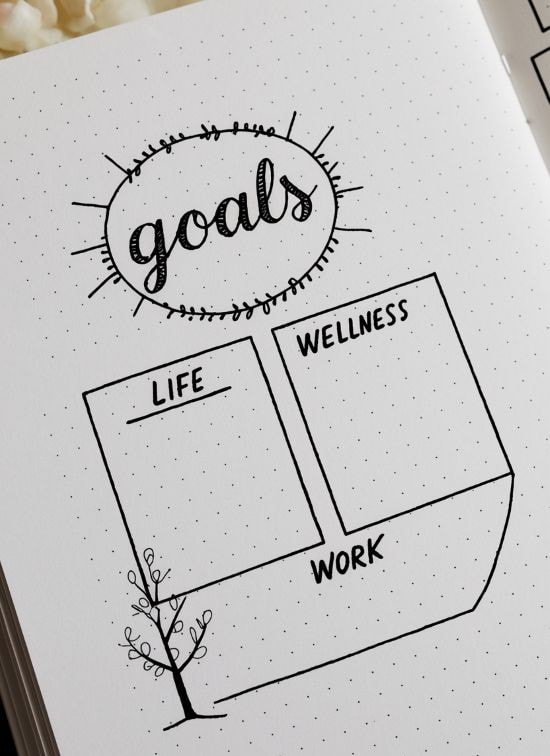
A purely black and white design can be remarkably effective for goal tracking. This approach eschews color as a distraction, focusing instead on clear typography and layout. Such a spread might feature distinct sections for different life areas—personal, wellness, career, or financial—each with a clear heading and ample space for listing specific objectives. The absence of color forces a mental engagement with the content, ensuring that the goals themselves are the primary focus. This method is particularly beneficial for individuals who find visual clutter overwhelming or who prefer a sophisticated, understated aesthetic. The functional aspect comes from the directness of the layout; each element serves a purpose in articulating and tracking the goals.

2. Soft Colors with New Spring Buds: A Gentle Approach to Growth
Introducing soft, muted colors can add a touch of gentle inspiration to a minimalist design. This approach still maintains a sense of calm and order but incorporates subtle visual cues that can evoke a feeling of growth and renewal, akin to the arrival of spring. A page might feature pastel-colored borders or subtle watercolor washes behind the text. The "spring buds" theme could be subtly integrated through delicate floral illustrations or nature-inspired color palettes. This style is ideal for those who appreciate a touch of artistry without sacrificing functionality. The soft colors can make the planning process more inviting and less daunting, encouraging consistent engagement.
3. Pastels on a Blank Slate: Creating a Calm Foundation
Similar to the previous concept, this approach utilizes pastels but emphasizes the "blank slate" aspect. The idea is to create a serene and inviting space where goals can be thoughtfully formulated. The page might be predominantly white, with pastel accents used sparingly for titles, dividers, or small decorative elements. This can be achieved through pastel pens, markers, or even subtle washi tape. The blank slate signifies a fresh start and the potential for new achievements. This style is particularly effective for setting intentions and broad aspirations, providing a calming backdrop for introspective goal setting.
4. Simple Quadrant Layout: Structured Clarity
A simple quadrant layout divides a page into four equal sections, each dedicated to a specific category of goals. This structured approach is highly effective for organizing different facets of one’s life. For instance, a common division might include: Personal Development, Career/Professional, Health & Wellness, and Financial Goals. This clear segmentation allows for a holistic view of aspirations across various life domains. The simplicity lies in the straightforward division of space, making it easy to navigate and update. This layout is particularly useful for individuals who benefit from a clear, logical structure to manage multiple objectives simultaneously.
Annual Goal Setting: Mapping the Year Ahead
An annual goal spread serves as a comprehensive roadmap, outlining overarching objectives for the entire year. This practice of mapping out long-term ambitions in a single, accessible location is crucial for maintaining a clear vision and direction. By breaking down large goals into manageable categories such as personal, career, financial, and wellness, individuals can create a structured framework for their year. Alternatively, a more flexible "yearly intentions" list can be employed, focusing on desired states of being or overarching themes rather than strictly defined tasks. These layouts provide a vital roadmap for success, and they can be further enhanced with supporting pages dedicated to tracking progress, facilitating reflection, or housing motivational quotes, ensuring that the long-term vision remains a constant point of reference throughout the year.

5. Annual Goals by Major Category: A Holistic Overview
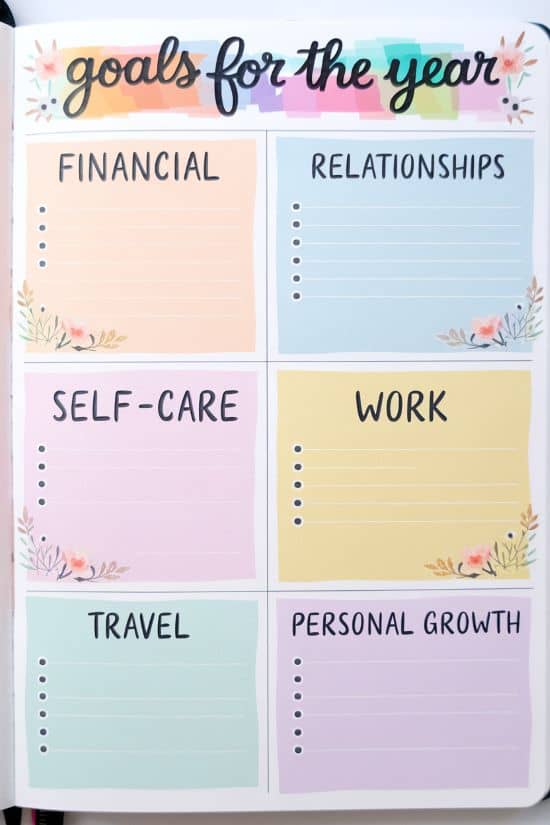
This layout is designed to provide a bird’s-eye view of yearly aspirations. The page is typically divided into several prominent sections, each clearly labeled with a major life category (e.g., Health, Career, Relationships, Personal Growth, Finance, Hobbies). Within each section, users can list their primary goals for the year related to that category. This provides a balanced perspective, ensuring that no area of life is neglected. The visual organization helps in identifying potential conflicts or synergies between different goal areas. This method is particularly effective for individuals who want to ensure a well-rounded approach to personal development over the course of a year.
6. The Year in Bold: Making a Statement
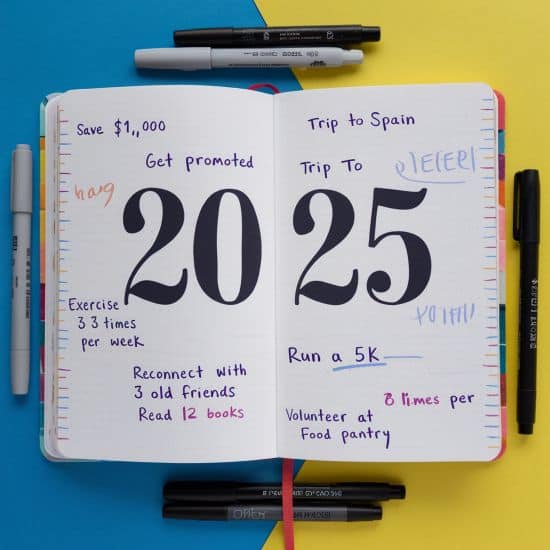
This approach emphasizes making a strong, visual statement about one’s yearly ambitions. The title "The Year in Bold" suggests a powerful and impactful design. This might involve using large, bold lettering for the year itself and for the main goal categories. The use of strong, contrasting colors or thick, impactful lines can further enhance this bold aesthetic. The goals themselves might be written in a clear, commanding font. This style is ideal for individuals who are highly motivated and want their yearly goals to feel significant and impactful. It’s about creating a visual declaration of intent.

7. Colorful Quadrants: Injecting Vibrancy into Long-Term Planning
Building on the quadrant concept, this layout injects vibrant colors into the annual goal-setting process. Each quadrant, representing a different life category, can be assigned a distinct, bright color. This not only makes the page visually dynamic but can also serve as a mnemonic device, associating specific colors with specific goal areas. For instance, green might represent financial goals, blue for career, and pink for personal growth. This approach makes the annual plan more engaging and less like a daunting list of tasks. The use of color can also reflect the user’s mood or energy levels, making the planning process more enjoyable.
Monthly Goal Setting: Breaking Down the Big Picture
A monthly goal spread is instrumental in transforming large, overarching aspirations into actionable, bite-sized steps. By setting specific targets for each month, individuals can maintain focus and momentum, making steady progress towards their annual objectives. This approach allows for regular review and adjustment, ensuring that plans remain relevant and achievable. Whether employing a simple list format, a calendar-style layout, or a dedicated tracker, organizing goals by month provides structure and intent, preventing the year-end from arriving with unfulfilled ambitions. The ability to track progress and celebrate incremental successes is a key psychological benefit of monthly goal setting.

8. Goals by Month: A Chronological Breakdown
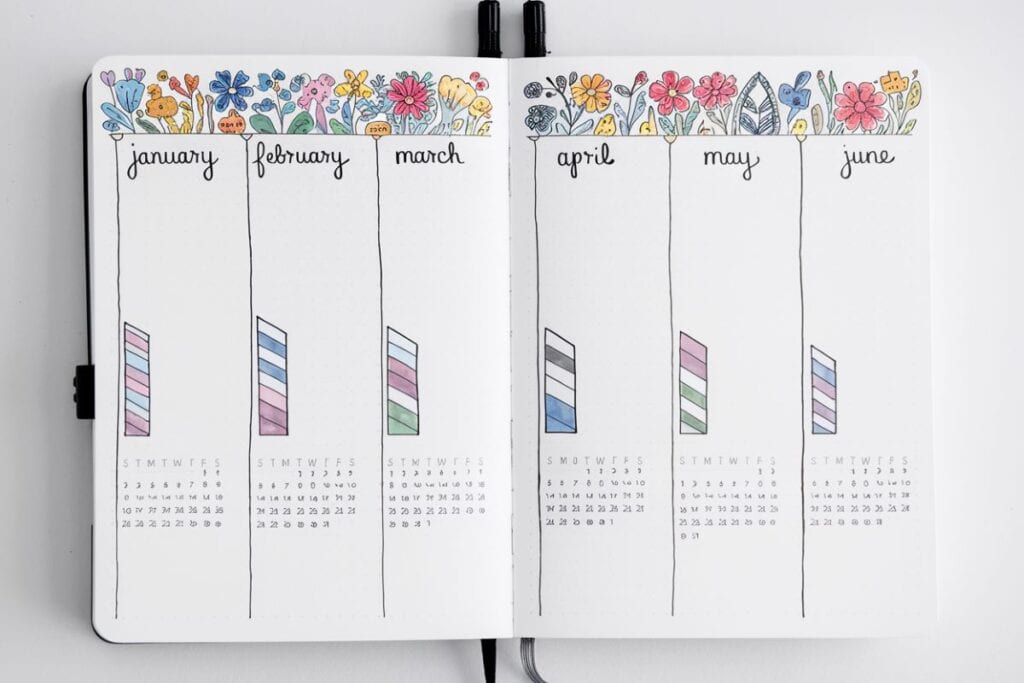
This is a straightforward yet highly effective method for monthly goal setting. The page is typically divided into twelve sections, one for each month of the year. Within each monthly section, users can list their specific goals for that period. This provides a clear chronological progression of objectives. For example, January might focus on establishing healthy habits, February on professional development, and so on. This layout is excellent for visualizing the flow of the year and ensuring that goals are distributed logically. It also allows for easy reference to past and future monthly targets.
9. The Future Log as a Goal Calendar
While a future log is traditionally used for noting future events and appointments, it can be repurposed as a powerful monthly goal-setting tool. Instead of just listing dates, users can dedicate specific sections within each month’s block to write down key goals or milestones for that period. This integrates goal tracking directly into the broader planning structure of the bullet journal. For instance, alongside a doctor’s appointment in May, one might note a goal like "Complete online course module." This approach ensures that goals are considered within the context of daily life and existing commitments, fostering a more integrated planning experience.
Big Ideas: Cultivating Creativity and Vision
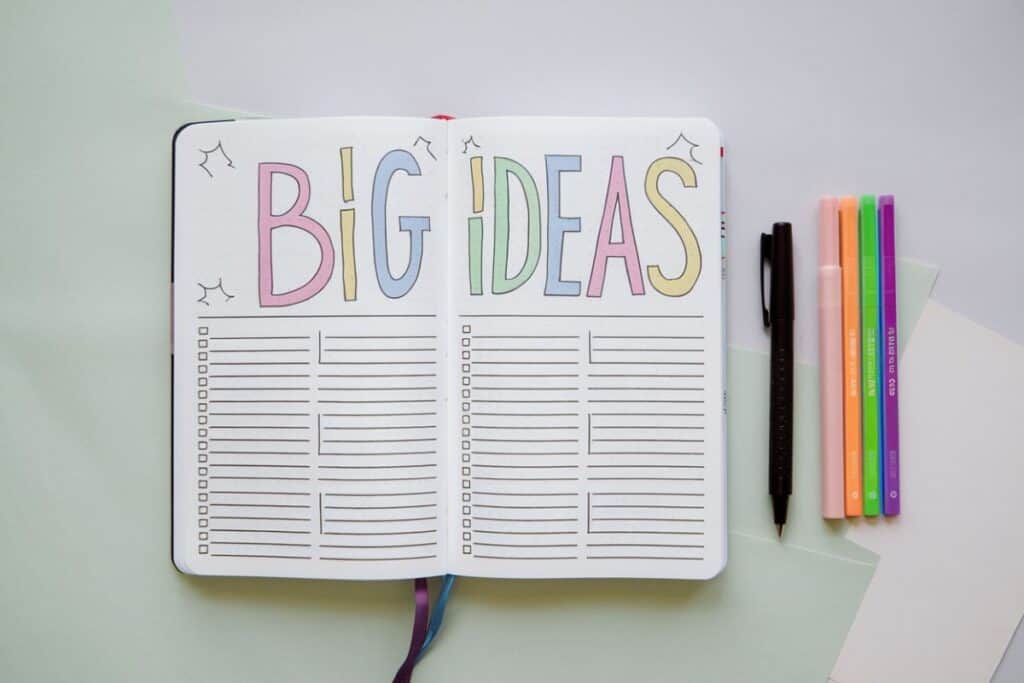
Sometimes, the most impactful goals begin as broad, unformed ideas. A "big ideas" spread provides a dedicated space for brainstorming dreams, aspirations, and long-term visions without the constraints of immediate actionability. This open-ended format encourages expansive thinking, allowing users to explore possibilities and refine their focus before committing to specific, measurable objectives. By capturing these grand inspirations in one place, individuals can gradually shape them into clear, achievable goals that align with their personal growth and core values. This process is akin to a creative incubation period, where the seeds of future accomplishments are sown.
10. Big Ideas: The Brainstorming Canvas
This spread is intentionally unstructured, designed to be a free-flowing canvas for ideation. It might feature a central title like "Big Ideas" or "Dreams and Aspirations," with ample space for mind-mapping, free writing, sketching, or creating mood boards. The purpose is to capture every thought, no matter how nascent or ambitious. This is where users can let their imagination run wild, exploring potential future projects, desired life changes, or even seemingly impossible dreams. The lack of rigid structure is crucial, as it removes the pressure to be practical and encourages genuine creative exploration. This page serves as a wellspring of future goals, providing raw material for more structured planning later.
11. Vision Board Elements: Visualizing the Future
This approach takes the "Big Ideas" concept and focuses on visual representation. Instead of just writing down ideas, users can create a visual collage of images, words, and symbols that represent their desired future. This can include magazine cutouts, printed images, drawings, or even inspirational quotes. This visual representation can be a powerful motivator, making abstract goals feel more concrete and attainable. The process of creating a vision board also encourages deeper reflection on what truly matters to the individual. This spread acts as a visual anchor, constantly reminding the user of their ultimate aspirations.
Colorful Goal Spreads: Igniting Motivation
For those who thrive on vibrancy and visual engagement, colorful goal spreads can transform the planning process into an exciting and inspiring activity. The strategic use of color can significantly boost motivation, enhance organization, and make goals stand out in a dynamic and engaging manner. By employing bold headers, a spectrum of colorful markers, decorative washi tape, and creative doodles, users can craft energetic layouts that not only outline their goals but also make the journey toward achieving them more enjoyable and visually stimulating.

12. Blocks of Goals: Categorizing with Color
This layout uses distinct colored blocks to represent different goal categories. Similar to the quadrant system, each category (e.g., Health, Career, Personal) is assigned a specific color and then presented within a defined block on the page. This creates a visually appealing and organized structure. For example, a large green block might contain all health-related goals, a blue block for career goals, and so on. This method makes it easy to quickly identify and focus on specific areas of ambition. The use of color also adds a playful element, making the planning process more engaging.
13. Crush Your Goals: An Energetic Call to Action
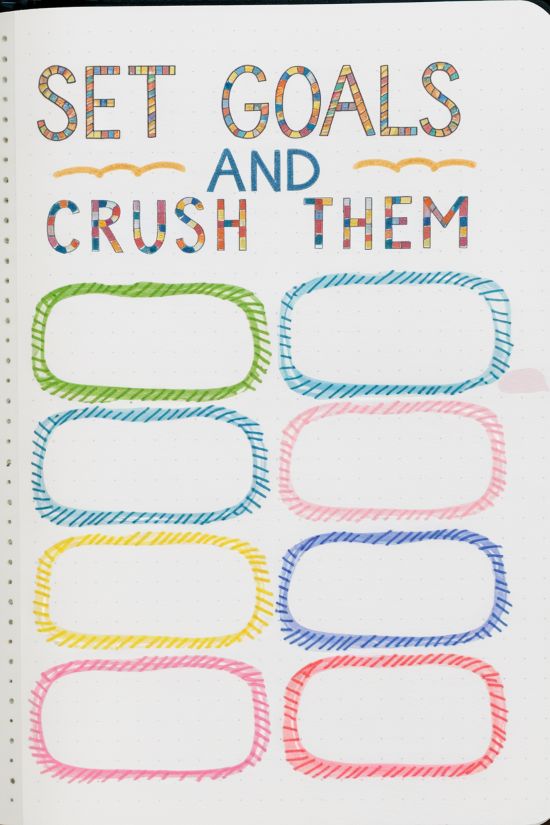
The title "Crush Your Goals" itself is a powerful, energetic statement. This spread is designed to be motivational and action-oriented. It might feature bold lettering, vibrant color combinations, and perhaps even graphic elements that convey a sense of power and determination. The goals listed might be framed as challenges or missions to be conquered. This style is perfect for individuals who need a strong visual push to stay motivated and actively pursue their objectives. The energetic design serves as a constant reminder to approach goals with enthusiasm and vigor.
14. My Goals: A Personalized Palette
This spread focuses on personalization through color. "My Goals" is a broad title that allows for complete freedom in design and color choice. Users can select their favorite colors, create unique color combinations, or even use a rainbow palette to represent the diverse aspects of their ambitions. The key is to create a spread that is personally inspiring and visually appealing. This could involve using different colored pens for different types of goals, using colored highlights, or incorporating decorative elements that resonate with the user’s aesthetic preferences. The emphasis is on creating a beautiful and motivational space that reflects the individual’s unique journey.
Conquering Overwhelm with Focused Goal Setting
When faced with a multitude of goals, the feeling of being overwhelmed is common. A simplified approach can be highly effective in managing this challenge and maintaining focus without succumbing to stress. Strategies like focusing on a "Top 3 Goals" spread allow for concentrated effort on a few key priorities, ensuring consistent progress without feeling swamped by a long list. Another valuable method is a "Must Do vs. Should Do" layout, which helps in categorizing goals by their urgency and importance. This categorization makes it easier to prioritize what truly matters for immediate action while keeping less urgent tasks visible for future attention. This structured approach transforms daunting lists into manageable action plans.
15. Top 3 Goals: Prioritizing the Essentials
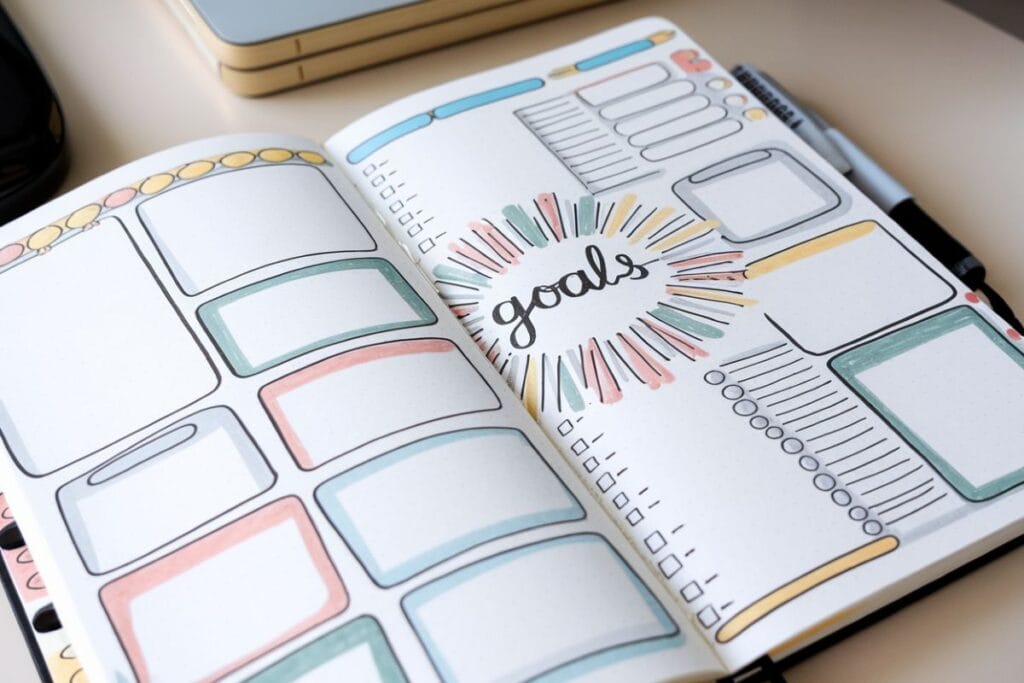
This spread is designed to combat overwhelm by forcing a prioritization of the most critical objectives. The page is divided into three distinct sections, each clearly labeled for one of the top three goals. This encourages users to identify and focus on the goals that will have the most significant impact or are most urgent. By limiting the focus to just three key areas, individuals can dedicate their energy more effectively and experience a greater sense of accomplishment as they make progress on these high-priority items. This layout is particularly useful at the beginning of a week, month, or even year, to establish a clear focus.
16. Must Do – Should Do Goal Spread: Strategic Prioritization
This layout employs a clear dichotomy to help users differentiate between essential tasks and those that are desirable but less critical. The page is divided into two main sections: "Must Do" and "Should Do." Goals are then placed into the appropriate category. The "Must Do" section is reserved for goals that are time-sensitive, have immediate consequences if not met, or are fundamental to larger objectives. The "Should Do" section accommodates goals that are important for long-term growth or personal satisfaction but do not require immediate action. This system helps in allocating resources (time, energy) effectively and reduces the anxiety of trying to accomplish everything at once.
Conclusion: Your Bullet Journal, Your Goal Achievement Partner
The act of setting a goal is merely the first step; actively engaging with that goal is what truly drives success. A thoughtfully designed bullet journal goal spread transcends mere aesthetics; it serves as a vital tool for keeping ambitions at the forefront, meticulously tracking progress, and sustaining motivation. Whether one gravitates towards structured, analytical layouts or prefers the freedom of expansive, idea-driven pages, the fundamental principle remains the same: create a system that resonates with and supports your individual planning style.
It is crucial to remember that consistent, incremental actions are the bedrock of significant achievements. Dedicate time to thoughtful reflection, be prepared to adapt your plans as needed, and most importantly, acknowledge and celebrate your progress along the way. Now, seize your journal, select a layout that ignites your enthusiasm, and embark on the journey of transforming your aspirations into tangible realities.
Inspirational And Practical Bujo Goals Page Layouts
The utilization of a bullet journal for goal setting is not merely about documenting aspirations; it’s about actively engaging with them through a personalized and adaptable system. The diversity of available layouts—from minimalist and functional to vibrant and creative—underscores the flexibility of this planning method. Each approach, whether focusing on annual overviews, monthly breakdowns, broad ideation, or strategic prioritization, offers a unique pathway to clarity, accountability, and sustained motivation. The ultimate success lies in finding the system that best aligns with individual needs and consistently applying it to navigate the path toward achieving personal and professional objectives. The bullet journal, in this context, becomes an indispensable partner in the pursuit of a more purposeful and accomplished life.

