
By Joe Casey
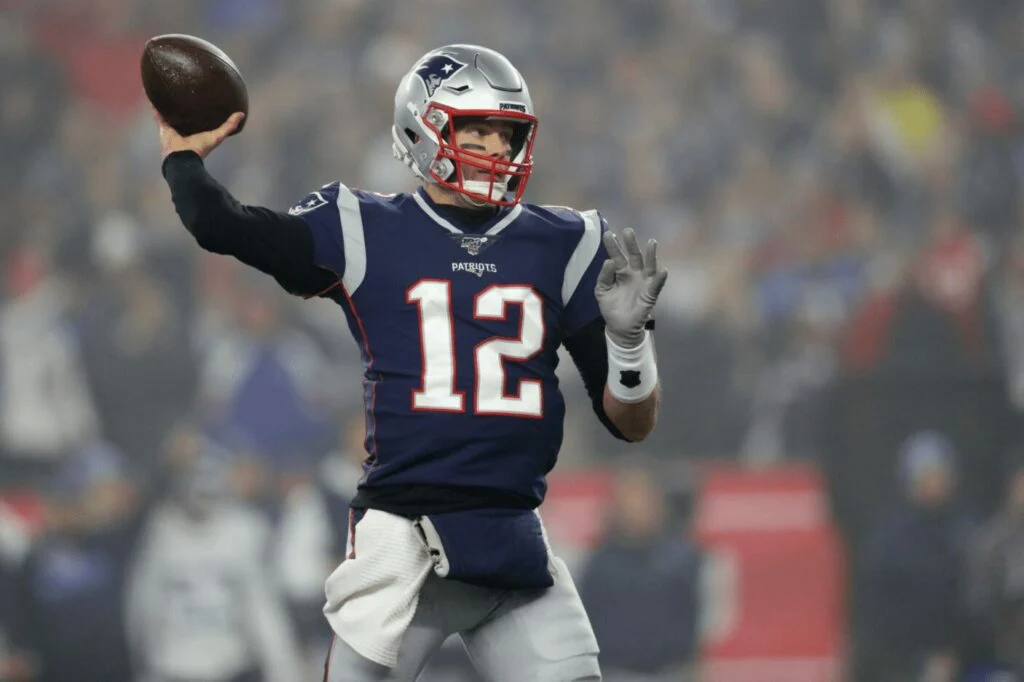
Tom Brady’s recent decision to retire from the National Football League, a move that reverberated through the sports world and beyond, offers a surprising trove of insights applicable to individuals navigating their own career transitions and retirement planning. While Brady’s stratospheric success, considerable wealth, and iconic status might seem distant from the realities of most individuals, the underlying principles guiding his departure from professional football provide a valuable framework for understanding the complexities of stepping away from a long-held career. Exploring these principles, tailored to the experiences of the average person, can illuminate the path toward a more intentional and fulfilling post-career life.
The Art of Knowing When It’s Time
Brady had publicly articulated a desire to play until the age of 45, a goal he ultimately fell short of by a single year. This decision, while seemingly minor, underscores a crucial lesson: the importance of self-awareness and flexibility regarding personal timelines. For many, retirement is envisioned with a specific date in mind, a target to aim for. However, Brady’s experience suggests that while setting goals is valuable, continuous reflection on one’s current feelings about work and the prospect of retirement is equally, if not more, important. The ability to recognize when the time is right to transition, even if it means deviating from an initial plan, is a hallmark of thoughtful career management.
This is particularly pertinent when considering the reality of retirement for a significant portion of the population. Data consistently indicates that a substantial number of individuals are compelled to retire earlier than planned due to unforeseen circumstances, such as economic downturns, health issues, or organizational restructuring. A 2022 study by the Center for Retirement Research at Boston College found that approximately half of older workers have experienced involuntary job loss, often leading to earlier-than-desired retirement. Therefore, cultivating the capacity to assess one’s readiness for change, both internally and externally, and to act decisively when that moment arrives, is a critical skill. Brady’s choice to step away, even a year prior to his stated aspiration, demonstrates a pragmatic approach to seizing the opportune moment, rather than rigidly adhering to a potentially outdated target.
The Strategic Advantage of Exiting at the Pinnacle
Tom Brady’s final NFL season was statistically remarkable. He led the league in passing yards and was a leading contender for the Most Valuable Player award. This performance exemplifies the concept of "going out on top," a strategy that Brady himself had long espoused as his ideal exit. He consistently stated his intention to retire when he was no longer performing at an elite level, avoiding the common fate of athletes and professionals who continue in their roles beyond their peak. This approach is not exclusive to the realm of professional sports; it translates directly to the corporate world and any demanding career.
The implications of retiring at one’s best are multifaceted. Psychologically, it allows for the preservation of a positive legacy and a sense of accomplishment, rather than a gradual decline that can erode confidence and reputation. Financially, it can mean leaving an organization or industry on strong terms, potentially opening doors for consulting or advisory roles. In contrast, individuals who prolong their careers past their prime may find themselves marginalized, their skills becoming less relevant, or their contributions diminished. The question for individuals contemplating their own career endings is whether they are prepared to make the difficult decision to step away on their own terms, at a time of strength, rather than being compelled to leave due to declining performance or changing industry demands.
Proactive Planning for the Post-Career Landscape
One of the most significant takeaways from Brady’s retirement is his proactive approach to building a "next act" well in advance of his departure from the NFL. During his playing career, he strategically invested in and developed businesses in areas such as health and fitness, apparel, and production. This foresight allowed him to transition smoothly into a new phase of his professional life, leveraging his established brand and experience. While not everyone has the resources or inclination to build a diversified business empire, the principle of laying the groundwork for future endeavors while still actively engaged in one’s primary career is universally applicable.
This preparatory phase is crucial for a successful transition. It involves envisioning what life beyond full-time work might entail, whether it’s part-time employment, volunteer work, consulting, pursuing creative passions like writing a book, or dedicating time to travel and personal enrichment. The process requires research, exploration, and a realistic assessment of the resources and skills needed to achieve these aspirations. A practical strategy involves actively seeking out individuals who have already made similar transitions. Scheduling informational interviews over lunch or coffee with retired professionals engaged in activities that pique one’s interest can provide invaluable insights, demystify the realities of post-career pursuits, and offer guidance on how to navigate the path forward. This proactive engagement helps to bridge the gap between aspiration and execution, transforming vague ideas into concrete plans.
The Indispensable Role of Family in Retirement Decisions
Speculation suggests that family considerations played a significant role in Tom Brady’s decision to retire. For many, particularly those in committed relationships or with families, this aspect of retirement planning is profoundly relatable. The decision is rarely an individual one; it is a shared journey that impacts spouses, partners, and children. Despite its importance, many couples admit to inadequate or infrequent discussions about retirement. A survey conducted by Fidelity Investments involving 1,600 individuals revealed a striking statistic: 57% of respondents inaccurately estimated their significant other’s retirement timeline.
This disconnect highlights a critical need for open and ongoing communication. Retirement planning for couples should involve a series of dedicated conversations, moving beyond superficial mentions to a deeper exploration of mutual expectations, desires, and concerns. It is essential to actively listen to one another’s perspectives, acknowledge potential differences in aspirations, and collaboratively develop a shared vision for the future. Assuming an understanding of a partner’s retirement plans can lead to significant misalignment and potential conflict. Brady’s apparent prioritization of family reflects a broader understanding that a fulfilling retirement is often one that is harmoniously integrated with the lives of loved ones.
Navigating the Exit with Grace and Diplomacy
Tom Brady’s retirement announcement drew some criticism for its perceived omission of the New England Patriots, the franchise with which he achieved his greatest successes. While the motivations behind this choice remain subject to interpretation, the situation offers a valuable lesson in professional conduct during transitions. The principle of "being the bigger person on the way out" emphasizes the importance of maintaining composure and avoiding unnecessary conflict. Leaving any professional role, whether it’s a long-term position or a shorter tenure, with grace and dignity is crucial for preserving relationships and reputation.
The temptation to engage in public criticism, express grievances, or engage in petty behavior as one departs can be strong, but such actions rarely serve the individual well in the long run. Burning bridges can have lasting negative consequences, potentially impacting future career opportunities, professional networks, and even personal peace of mind. A cautionary tale, as recounted by the author, involves a former employee who, after being terminated, sent a widely circulated "scorched earth" resignation letter to his subsequent employer. This act, while cathartic for the individual, ultimately reflected poorly on him and did not contribute positively to his career trajectory. The wisdom lies in rising above the urge for retribution or vindication, choosing instead to depart with professionalism and respect for all parties involved.
The Open Door: The Possibility of Unretirement
A significant trend observed in recent years is the phenomenon of "unretirement," where individuals who have left the workforce decide to return. Pre-pandemic studies indicated that in both the United States and the United Kingdom, over 20% of retirees eventually unretired within a five-year period. Notably, the primary drivers for this return were not always financial. Many individuals missed the sense of purpose and structure that work provided, the camaraderie of the workplace, or the cognitive engagement that their careers offered.
The possibility of unretirement adds another layer to Brady’s story. Even as he announced his retirement, speculation arose about a potential return to the NFL, drawing parallels to other quarterbacks who have unretired. While Brady’s situation is unique, the underlying principle is that the door should not be completely shut. For individuals planning their retirement, maintaining flexibility and keeping options open can be beneficial. This might involve exploring part-time roles, consulting, or project-based work that can provide a sense of engagement and purpose without the full commitment of a traditional career. The decision to unretire often stems from a realization that the identity and fulfillment derived from work are deeply ingrained and may require a thoughtful reintegration rather than a permanent severance. Brady’s own brief retirement in 2022, followed by his decision to return for another season, serves as a contemporary example of this dynamic.
Ultimately, Tom Brady’s retirement, viewed through a broader lens, transcends the athletic arena. It offers a compelling case study in strategic career management, personal reflection, and the nuanced art of transitioning from one life stage to another. By examining these lessons—knowing when to leave, departing at one’s peak, preparing for the future, prioritizing family, maintaining professional integrity, and remaining open to possibilities—individuals can approach their own career endings with greater intentionality, wisdom, and a clearer path toward a fulfilling post-career existence.
Joe Casey is an executive coach and founder of Retirement Wisdom, an organization dedicated to helping individuals design new lives after their primary careers. He hosts The Retirement Wisdom Podcast, recognized among the top 1.5% of podcasts globally by Listen Notes, and is the author of the forthcoming book, "Win the Retirement Game: Outsmart the 9 Forces Trying to Steal Your Joy."

