

Starting a new bullet journal is an endeavor that blends anticipation with a touch of apprehension, particularly when it comes to crafting that crucial first page – the cover page. This initial spread sets the entire tone for the journal, presenting an invaluable opportunity for creative expression and personal inspiration. Whether one leans towards a minimalist aesthetic, a potent motivational quote, or an elaborate illustration, the possibilities for making this introductory page unique and profoundly meaningful are virtually boundless. This article delves into a curated selection of inspiring bullet journal cover page concepts, offering guidance to embark on your journaling journey with a strong, purposeful start. The aim is to move beyond overthinking and empower individuals to select a style that resonates, thereby initiating their journaling path with confidence and clarity.
The Significance of a Personalized Bullet Journal Identity

Giving a bullet journal a distinct name elevates it from a mere collection of pages to a personal artifact with its own identity. This act imbues the journal with a sense of individuality, making the experience of engaging with it more personal and engaging. The name can range from straightforward designations like "My Daily Planner" to more whimsical and inventive titles that reflect the user’s personality or aspirations. The presentation of this name is equally important, whether it’s rendered in bold, striking lettering, adorned with intricate doodles, or enhanced with decorative stickers to ensure it commands attention. This seemingly small detail serves as a powerful catalyst, making the act of opening the journal each day a more anticipated and exciting ritual.
I. Establishing a Journal’s Theme and Purpose
The initial pages of a bullet journal serve a critical function beyond mere aesthetics; they establish the journal’s thematic core and outline its intended purpose. This foundational step can significantly influence the user’s engagement and the journal’s overall effectiveness throughout its lifespan.

A Catchy Tagline for Intent
A well-chosen tagline can encapsulate the essence of the bullet journal’s purpose. For instance, a journal focused on personal growth might feature a tagline like "Ink and Intentions," subtly suggesting a commitment to both written reflection and deliberate action. This concise phrase acts as an immediate declaration of the journal’s role, guiding the user’s focus from the outset. Such taglines can be visually striking, often rendered in distinctive typography or accompanied by complementary graphic elements that reinforce the intended message.
A Motivational Statement to Guide the Year

Beyond a simple tagline, a more robust motivational statement can serve as a powerful guiding principle for the entire year. Phrases such as "Make It Happen" or "Your Year of Growth" can be more than just words; they can become a personal manifesto. This statement, when prominently displayed, acts as a constant reminder of the user’s aspirations and commitments. Its visual presentation is key, often incorporating artistic elements that resonate with the user’s aesthetic preferences, thereby reinforcing the emotional and psychological impact of the statement.
II. The Welcome Page: A Gateway to Reflection
The welcome page serves as the initial point of contact with the bullet journal, functioning as an inviting gateway that sets the stage for the introspective journey ahead. It is the very first visual and conceptual encounter a user has with their new journal, and its design can significantly influence their motivation to engage with its contents.

Encouraging Thoughtful Engagement
A thoughtfully designed welcome page can foster a sense of anticipation and encourage deeper, more meaningful engagement with the journaling process. Phrases like "Welcome Back" or "Begin Your Journey Here" serve not only as greetings but as gentle prompts to dive into reflection. The visual presentation of these phrases is crucial; they can be enhanced with delicate artwork, subtle color palettes, or minimalist typography to create an atmosphere of calm and introspection. This initial impression is designed to make the act of opening the journal a positive and inviting experience, setting a conducive tone for the entries that will follow.
Establishing the Temporal Framework

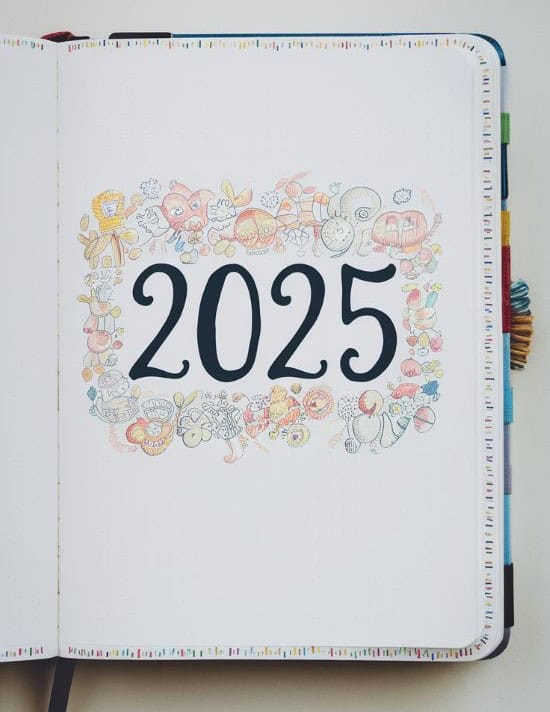
A dedicated page for the current year provides a clear temporal anchor for the bullet journal. This can be as simple as a bold inscription of the year, or it can be an opportunity for artistic expression through calligraphy, the strategic use of stickers, or a clean, minimalist design. This approach serves as a visual marker, clearly defining the period covered by the journal. It’s an effective way to inaugurate a fresh start, symbolizing the commencement of a new chapter and the potential for growth and development within that specific timeframe.
III. Defining the Journal’s Core Theme: The Word of the Year
Selecting a "word of the year" is a practice that lends a distinct theme and direction to a bullet journal. This chosen word should ideally represent the user’s primary goals, prevailing mindset, or the area they wish to prioritize throughout the journaling period. Whether the chosen word is "growth," "balance," or "courage," its inscription at the beginning of the journal serves as a potent reminder of desired actions or objectives. Accompanying this word with a brief explanation of its significance and personal meaning further solidifies its impact, transforming it into a deeply personal guiding principle.
Focusing on Consistency and Presence
A word like "Consistent" can be a powerful theme for a bullet journal, encouraging the user to maintain regular engagement with their planning and reflection. Its visual representation might involve repeating the word across the page, creating a visual rhythm that reinforces the concept. This approach helps to embed the idea of sustained effort and presence, which are crucial for achieving long-term goals.
Aspiring Towards Achievement

Conversely, a word such as "Greatness" or "Success" can serve as a more ambitious focal point. Such words, when prominently displayed, act as constant motivators, pushing the user to strive for higher achievements. The visual design accompanying these words might be more dynamic and impactful, using bold fonts and energetic color schemes to reflect the aspiration for significant accomplishment. This strategy aims to cultivate a mindset of ambition and perseverance throughout the journaling process.
IV. Inspirational Content: Quotes, Affirmations, and Doodles
Beyond foundational elements, bullet journals can be enriched with content that provides daily inspiration and emotional support, transforming them into dynamic tools for personal development.

Motivational Quotes and Phrases as Daily Anchors
A carefully selected motivational quote or phrase can function as a daily source of encouragement within a bullet journal. Choosing a quote that deeply resonates with the individual—perhaps a favorite adage, a personal mantra, or even meaningful song lyrics—can be incredibly effective. Presenting this quote prominently on the cover page serves as a constant visual cue. Whenever motivation wanes, this page acts as a powerful reminder to maintain focus, positivity, and an engaged approach to the journaling journey.
The Power of Positive Affirmations

A dedicated section for positive affirmations can be instrumental in shifting one’s mindset and cultivating self-confidence. Empowering statements such as "I am grateful for this moment" or "I choose kindness and empathy in my interactions" can profoundly impact one’s outlook. These affirmations should be deeply personal and meaningful. Regular review of these statements each time the journal is opened reinforces their positive influence, fostering a sense of joy and motivation throughout the journaling experience.
Artistic Expression Through Doodles
The inclusion of artistic doodles adds a unique layer of personality and creativity to a bullet journal, making the act of using it more enjoyable. Whether sketching simple borders, delicate floral motifs, or more intricate designs, doodling offers a relaxing avenue for self-expression. The emphasis is not on artistic perfection but on the process and the personal touch it brings. Thematic doodles can be incorporated for specific months, or pages can be enhanced with small icons that represent personal goals, emotional states, or cherished interests, further personalizing the journal’s aesthetic.

V. Functional Foundations: The Index and Key
For individuals who utilize their bullet journal primarily as a planning tool, the foundational elements of an index and a key are paramount for ensuring organization and maximizing productivity. Either of these pages can effectively serve as the bullet journal’s cover page, providing immediate utility and structure.
The Index: A Roadmap to Content

The index page acts as a vital navigational tool within the bullet journal. By meticulously listing the content and corresponding page numbers, it allows users to quickly locate specific sections, tasks, or reflections. A well-organized index transforms the journal from a potentially overwhelming collection of pages into an efficient and easily navigable resource. This foundational element is crucial for users who rely on their bullet journal for structured planning and quick access to information.
The Key: Decoding the System
The key page is indispensable for understanding and effectively utilizing the bullet journaling system. It serves as a legend for the various symbols used to track tasks, events, notes, and their respective statuses (e.g., completed, migrated, canceled). By providing a clear and concise explanation of these symbols, the key ensures that the user can efficiently scan their pages and gain immediate insights into their progress and commitments. A robust key is the bedrock of an organized and stress-free bullet journaling experience, enabling users to maintain clarity and control over their plans and reflections.

VI. Embracing the Bullet Journal Cover Page as a Creative Outlet
The bullet journal cover page is far more than a mere introductory spread; it is a canvas for self-expression and a declaration of intent. It is the initial impression that shapes the user’s ongoing relationship with their journal, influencing their motivation and engagement. By incorporating personal touches, meaningful declarations, and functional elements, individuals can cultivate a space that genuinely inspires and motivates them. The beauty of bullet journaling lies in its adaptability; there is no single "correct" way to commence. The process is organic, allowing the journal to evolve naturally alongside the user’s journey. This flexibility empowers individuals to create a tool that is uniquely theirs, reflecting their personality, aspirations, and the specific purpose they intend for their journal. The creative possibilities are vast, from minimalist elegance to elaborate artistic statements, each offering a distinct way to set a positive and productive tone for the months of reflection and planning ahead.
The Evolving Landscape of Bullet Journaling

Bullet journaling, a methodology popularized by Ryder Carroll, has evolved significantly since its inception. Initially conceived as a productivity system, it has blossomed into a multifaceted practice encompassing personal development, artistic expression, and mindfulness. The cover page, as the initial entry point, has become a focal point for personalization. Data from various journaling platforms and social media communities indicates a growing trend towards highly customized and visually appealing first pages. For example, a survey conducted by the Bullet Journal community in 2023 revealed that over 70% of respondents dedicate significant time to designing their cover pages, with themes ranging from seasonal motifs to aspirational imagery. This emphasis on the cover page underscores its role not just as an organizational tool but as a personal statement and a source of ongoing motivation.
The practice of bullet journaling is also increasingly being studied for its psychological benefits. Research published in the Journal of Personality and Social Psychology suggests that journaling, particularly when it involves goal setting and reflection, can enhance self-awareness, reduce stress, and improve overall well-being. The intentional design of a cover page can serve as a powerful catalyst for these benefits, setting a positive and proactive tone from the very beginning of the journaling process. As individuals navigate the complexities of modern life, the bullet journal offers a tangible space for introspection, planning, and creative exploration, with the cover page acting as the initial beacon guiding them through this personal journey.

