
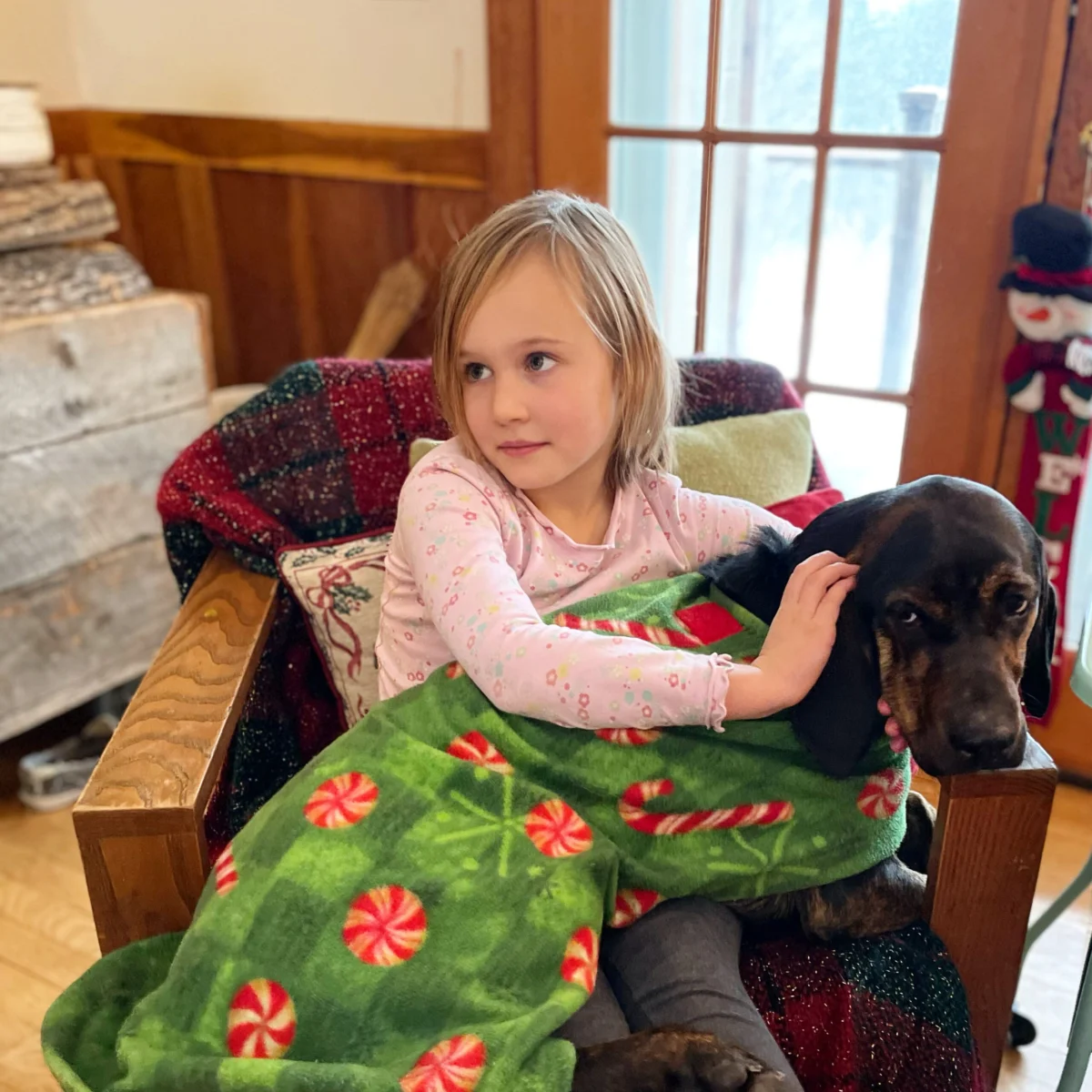
The intersection of animal rescue, behavioral health, and household financial planning has come under increased scrutiny following a documented case of a high-needs rescue dog in rural Vermont. The case of Genevieve, a hound mix affectionately known as Gigi, provides a comprehensive look at the challenges faced by families who adopt stray animals with undiagnosed psychological trauma. Despite a four-month period of intensive intervention involving veterinary specialists, professional trainers, and significant financial investment, the case ultimately resulted in the animal’s relocation to a multi-dog environment better suited to her psychological profile. This report examines the timeline of the rescue, the failure of traditional behavioral interventions, the financial implications of high-needs pet ownership, and the broader systemic issues surrounding the rehabilitation of former working dogs.
Chronology of the Rescue and Initial Assessment
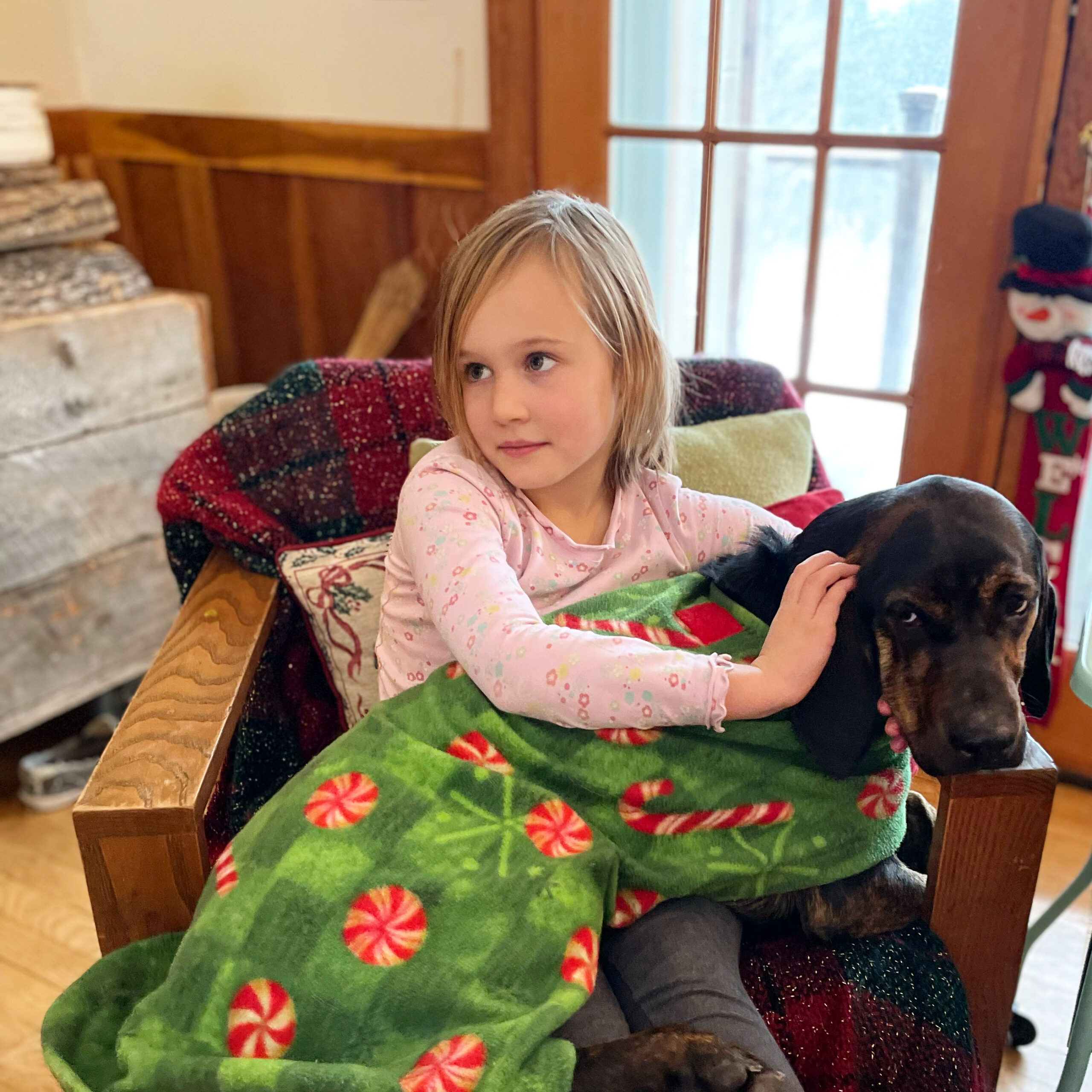
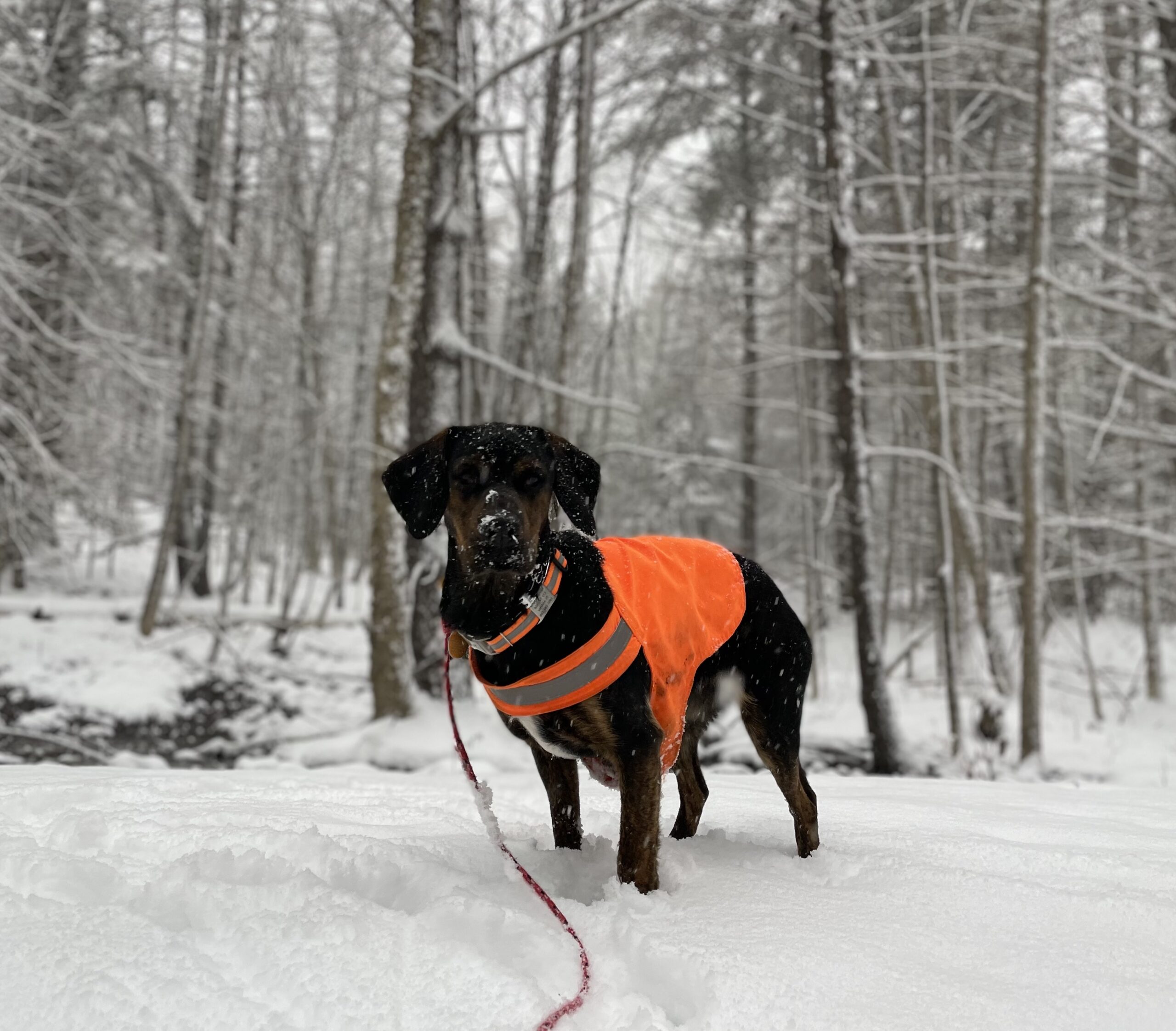
The events began in late September 2022, when an emaciated hound was discovered in a residential yard in Vermont. The animal presented with numerous physical abrasions and lacked any form of identification, such as tags or a microchip. Local efforts to locate an owner proved unsuccessful, leading to the theory that the dog was a displaced member of a bear-hunting pack—a common occurrence in the region’s mountainous terrain. Hunting hounds are frequently bred and trained to work in packs, often spending their lives in the company of other canines, which can lead to profound socialization issues when they are transitioned into single-pet suburban or rural households.

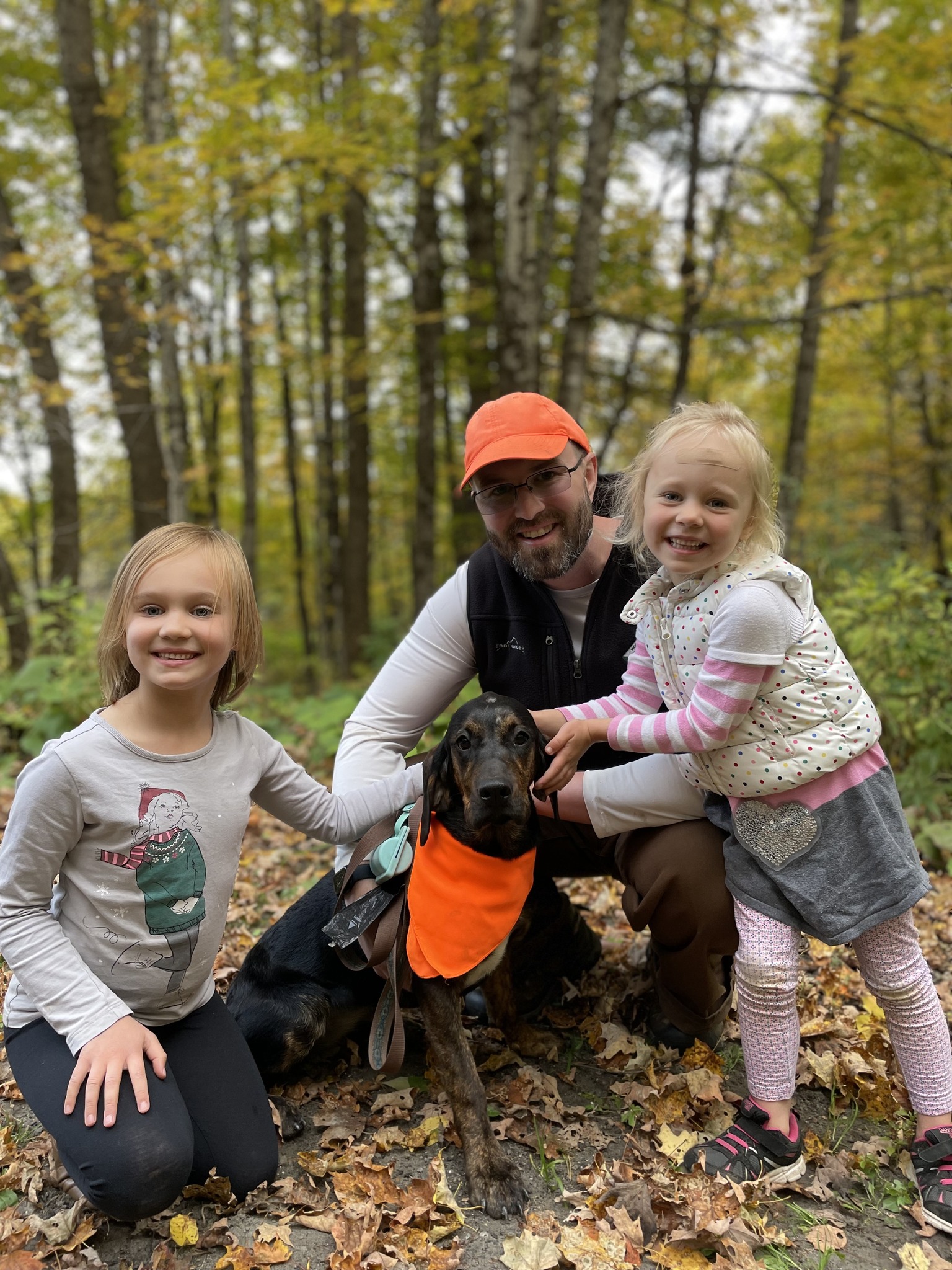
On October 3, 2022, the dog was formally adopted by a local family who sought to provide a permanent home. Initial assessments suggested the dog was calm, social with humans, and responsive to basic commands. However, as the animal became acclimated to the household, a severe and intractable form of separation anxiety became apparent. While the dog, renamed Genevieve, utilized a crate successfully for sleeping and as a retreat while the family was present, she experienced acute panic attacks whenever left alone.
The Failure of Multi-Tiered Intervention Strategies
The family implemented a rigorous, three-pronged approach to address the dog’s separation anxiety, encompassing behavioral modification, technological monitoring, and medical intervention.
Behavioral Modification
Under the guidance of a professional dog trainer, the owners attempted a desensitization regimen. This process involved leaving the house for incrementally increasing periods—starting with as little as 30 seconds—to reward calm behavior. Despite consistent effort, the dog was unable to remain calm for more than five minutes. Behavioral experts note that for dogs with "isolation distress," the panic response is often binary; the animal is either in a state of total calm or total physiological collapse, making the "threshold" for training difficult to establish.
Technological and Environmental Controls
To assist in monitoring and real-time correction, the family installed a surveillance system and a remote-controlled treat dispenser. These devices allowed the owners to observe the dog’s behavior and attempt to reinforce positive actions from a distance. The technology proved ineffective, as the dog’s panic was so severe that she ignored high-value rewards, a common symptom of "over-threshold" anxiety where the animal’s sympathetic nervous system overrides the desire for food.
Medical and Pharmacological Intervention
When behavioral and environmental changes failed, the family sought veterinary assistance. A series of pharmacological treatments were trialed, ranging from mild anti-anxiety medications to sedatives and tranquilizers. According to veterinary records, none of the prescriptions successfully mitigated the dog’s panic attacks. This lack of response to medication often indicates a deep-seated neurological or instinctual drive that cannot be easily suppressed by standard veterinary psychotropics.
Financial Analysis of Short-Term Pet Rehabilitation
One of the most significant aspects of this case is the financial data associated with the four-month rescue attempt. The total expenditure reached $2,373.25, a figure that far exceeds the average annual cost of dog ownership, which the ASPCA estimates to be between $700 and $1,100 for a healthy animal.

The following table provides a breakdown of the costs incurred during the 120-day period:
| Category | Expenditure | Details |
|---|---|---|
| Veterinary Services & Vaccines | $911.98 | Initial exams, de-worming, microchipping, and multiple follow-ups. |
| Rescue & Rehoming Fees | $600.00 | Donation to cover spaying and administrative costs for the rescue. |
| Supplies (Food, Bedding, Toys) | $386.92 | Includes specialized high-protein food for emaciation recovery. |
| Behavioral Training | $150.00 | Professional consultations and training sessions. |
| Technological Interventions | $128.77 | Camera systems and remote treat dispensers. |
| Safety & Cold Weather Gear | $106.58 | High-visibility vests and winter booties. |
| Administrative & Licensing | $89.00 | Town licenses and holiday-related expenses. |
| Total Expenditure | $2,373.25 |
This data highlights a critical reality for prospective pet adopters: the "free" or "found" dog often carries the highest financial burden. The family noted that their previous pet, a retired racing greyhound, cost approximately $930 annually, illustrating the 600% increase in monthly costs when managing a high-needs rescue.
Official Response and Successful Rehoming
By early 2023, the owners concluded that the household environment was incompatible with the dog’s psychological needs. The constant presence of a human was required to prevent the dog from self-harming or experiencing extreme distress, a situation that the owners described as "untenable" for a family with young children and active professional lives.

The dog was surrendered to a foster-based rescue organization specializing in difficult-to-place breeds. Upon intake, the rescue conducted its own behavioral assessment and discovered a critical variable: Genevieve’s anxiety was not directed at the absence of humans, but rather at the absence of a "pack." When placed in a foster home with multiple other dogs, her separation anxiety vanished.
"The assumption is that Genevieve was raised in a pack environment as a working hound," a representative from the rescue organization noted (as inferred from the case outcome). "For these dogs, being the sole canine in a house is akin to being isolated in a void. Her panic was a survival instinct. Once she was reunited with other dogs, she felt secure."
Genevieve has since been successfully adopted into a permanent home that maintains a multi-dog household. Reports indicate she is thriving and no longer requires pharmacological intervention.
Broader Implications for the Rescue Community
This case serves as a poignant example of the "mismatch" phenomenon in animal adoption. While the "Adopt, Don’t Shop" movement has successfully increased the number of animals taken from shelters, it sometimes overlooks the specialized needs of working breeds like hounds.
The Working Dog Dilemma
In rural areas like Vermont, hunting dogs are bred for stamina and pack loyalty. When these dogs are lost or abandoned, they are often picked up by well-meaning families who treat them as traditional companion animals. However, the transition from a pack-oriented working life to a suburban "only dog" lifestyle can trigger severe psychological distress. This case suggests that rescue organizations should prioritize placing former working hounds in homes with existing canine structures.
The Ethics of Relinquishment
The Genevieve case also addresses the stigma surrounding the return or rehoming of rescue animals. The owners expressed significant emotional distress and a sense of "failure" regarding their inability to rehabilitate the dog. However, animal behavioralists argue that recognizing an environment is unsuitable is an act of responsible ownership. By surrendering the dog to a specialized rescue, the family ensured she found the specific environment (a multi-dog home) required for her well-being.
Economic Preparedness
Finally, the financial data underscores the necessity of an "emergency fund" for pet owners. The ability of the family to absorb over $2,300 in unexpected costs was the deciding factor in ensuring the dog received proper medical care and a safe transition to a new home. For many families, such a financial burden would be impossible, leading to less favorable outcomes for the animal.
In conclusion, the story of Genevieve the hound is not one of failure, but of a complex, evidence-based realization that biological and instinctual needs often override even the most dedicated human intervention. The case provides valuable data for the rescue community on the importance of breed-specific behavioral history and the true cost of rehabilitating an animal from the wild.

