
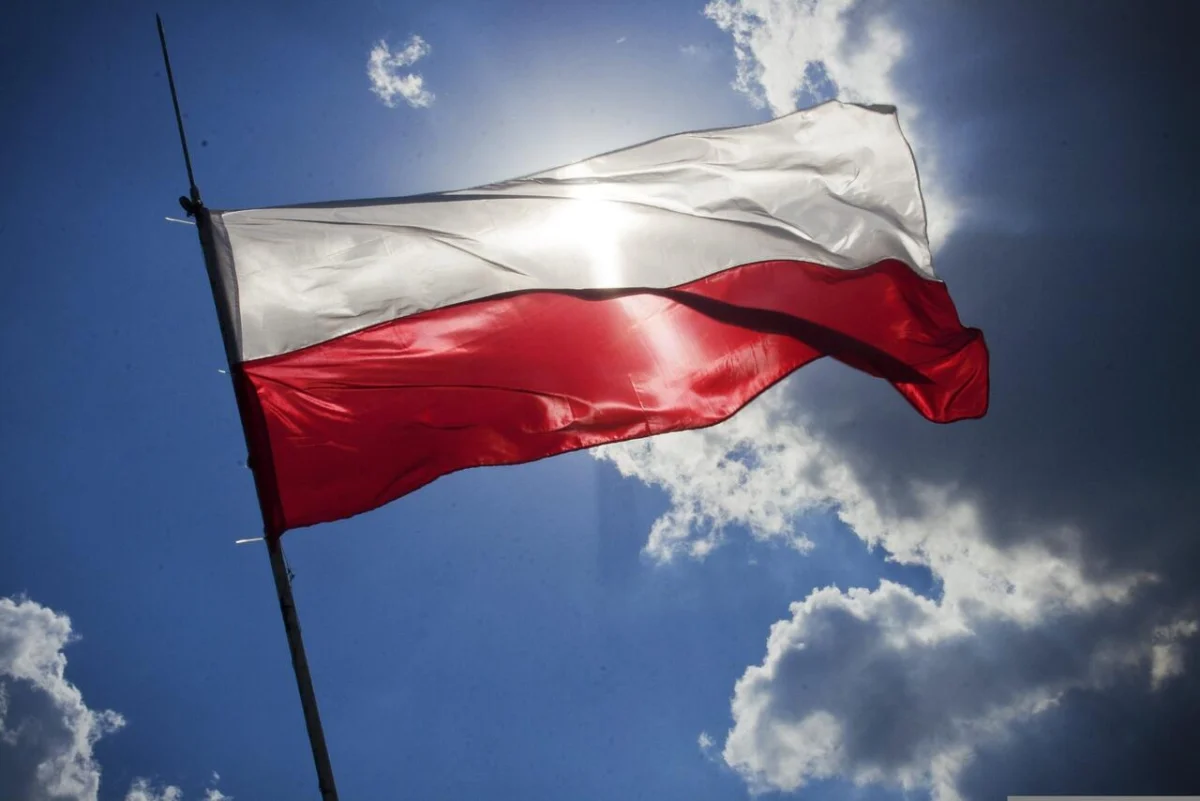
In a notable demographic shift, nearly 5,000 German citizens chose to emigrate to Poland in 2025, a figure that surpassed the numbers moving to traditional Western European destinations such as Britain, Italy, or the Netherlands. This trend, highlighted by new government data, signifies a growing eastward migration from Germany, drawing attention to Poland’s burgeoning economy and evolving societal landscape. The Federal Statistical Office of Germany (Destatis) reported that a total of 4,941 individuals relocated from Germany to Poland last year, marking the highest annual total since the global coronavirus pandemic. Concurrently, only 1,720 people moved in the opposite direction, resulting in a significant negative migration balance for Germany in this bilateral exchange.
The Shifting Migration Landscape: A Closer Look at the Numbers
The 2025 figures from Destatis represent a pivotal moment in Germany-Poland migration patterns. For decades following the fall of the Iron Curtain, the predominant migratory flow was from Poland to Germany, driven by economic disparities and the allure of higher wages and opportunities in Western Europe. While this historical trend saw hundreds of thousands of Poles seeking work and residence in Germany and other Western nations, the current data suggests a reversal in momentum. The net loss of 3,221 German citizens to Poland in a single year underscores a compelling narrative of changing priorities and perceptions among German emigrants.
This shift has prompted considerable discussion within German media and policy circles. Christian Wermke, a reporter for the financial daily Handelsblatt, articulated the prevailing questions: "Why are more and more Germans moving across the Oder? What exactly works better in the Polish economy than in Germany? And what could we learn from our eastern neighbor so as not to permanently lose skilled workers?" These questions reflect an introspection within Germany regarding its competitiveness and attractiveness as a place to live and conduct business.
While Poland’s position as a top destination for German emigrants in 2025 still places it behind neighboring German-speaking countries like Switzerland and Austria, and also Spain, its ascension above several other Western European nations is particularly noteworthy. This indicates a diversification of preferred destinations and a growing recognition of Central European nations as viable and attractive alternatives. Overall, German emigration continues to be highest to culturally and linguistically proximate countries, but the rapid rise of Poland suggests a distinct set of pull factors at play.
Economic Pull Factors: A Polish Renaissance
The primary drivers behind this migration trend appear to be economic and entrepreneurial in nature. Poland has experienced robust economic growth in recent years, consistently outperforming many Western European economies. This growth has been fueled by significant foreign direct investment, a strong domestic market, and strategic investments in infrastructure and digitalization. For German emigrants, particularly those seeking new professional opportunities, Poland offers a dynamic environment often perceived as more agile and less encumbered by bureaucratic hurdles.
Kevin Wörner, a 33-year-old German entrepreneur who relocated from Berlin to Warsaw, whose mother is Polish, shared his observations with Handelsblatt. He described "an incredible sense of a new beginning here. Everyone here is very optimistic," contrasting this with what he characterized as a more despondent atmosphere among friends in Germany, where conversations "just gets you down." Wörner specifically highlighted several practical advantages that influenced his decision: lower taxes, reduced bureaucracy, a stronger drive towards digitalization, and an overall more business-friendly environment. He conveyed the impression that "everything is a bit simpler here and more conducive to entrepreneurship."
This sentiment is echoed by broader economic indicators. Poland has made substantial strides in improving its ease of doing business, attracting entrepreneurs and investors. The country’s corporate tax rates are often more competitive than Germany’s, and the process of registering a business or navigating administrative procedures is frequently cited as more streamlined. This focus on fostering entrepreneurship, combined with a generally lower cost of living, presents a compelling package for individuals looking to start new ventures or find more favorable employment conditions.
German Perceptions and Push Factors
Conversely, several push factors within Germany itself are contributing to the outward migration. German media has increasingly covered concerns about economic stagnation, particularly in manufacturing, rising energy costs, and a perceived increase in bureaucratic red tape. The public discourse in Germany has at times been characterized by pessimism regarding the country’s future trajectory, creating an atmosphere that some, like Kevin Wörner, find disheartening.
Furthermore, issues with public infrastructure, such as the widely reported operational difficulties and delays on the German rail network (Deutsche Bahn), stand in stark contrast to the improvements observed in Poland. Jens Althoff, who heads the Warsaw office of the Heinrich Böll Foundation, noted that many Germans still harbor a "rather distorted image of Poland." He pointed out visible differences such as ongoing infrastructure investment, high levels of digitalization, punctual trains, and well-maintained stations in Poland, challenging outdated perceptions. This discrepancy in public services and infrastructure quality can be a significant factor for individuals making relocation decisions.
The concern for "permanently losing skilled workers" as voiced by Handelsblatt underscores a critical policy challenge for Germany. As its population ages and demand for skilled labor remains high, any net outflow of its own citizens, particularly those with entrepreneurial drive, could exacerbate existing labor market pressures and impact future economic competitiveness.
Societal and Cultural Dynamics: A Sense of Security and Optimism
Beyond economic considerations, a significant, albeit more subjective, set of factors related to societal environment and personal safety appears to be influencing German emigrants and other Western Europeans visiting Poland. The original report, and subsequent social media discussions referenced within it, indicate a growing sentiment among visitors and new residents that Poland offers a different social experience compared to parts of Western Europe.
Multiple accounts from Western European visitors, including a French-speaking woman traveling in Poland and a French journalist, have highlighted a perceived sense of greater personal safety and a different social atmosphere. The French traveler described being "shocked" to not be catcalled or harassed in Krakow, contrasting it with her experiences in Belgian and French cities like Brussels and Liège, where she routinely encountered such issues. She noted that in Krakow, she could walk around "without absolutely no comments, no stares – like, only respect."
Similarly, a German YouTuber, @freiformation, commented on the atmosphere at Polish swimming pools, stating, "No groping, no harassment, just families, children, girls, women, men, all peaceful." These anecdotal accounts, widely shared and discussed online, suggest that for some, Poland represents a country where traditional social norms and public order are perceived to be more consistently upheld, contributing to a feeling of greater personal security, particularly for women.
French journalist Yoann Usai, after returning from Poland, reflected on a similar sentiment: "It’s true that after coming back from certain countries to France, you can say to yourself: ‘My God, what have they done to our country?’" He explicitly linked the perceived decline in France to immigration, stating that "Poland is still Poland, while France is no longer France." Usai emphasized that Polish women "go out freely, without fear" and "don’t censor themselves" in their dress, unlike many young girls in Paris who do. He even expressed fear for his own safety as a man in certain Parisian neighborhoods at night, contrasting it with the freedom to walk around Warsaw at any time without worry. These statements, while controversial, reflect a segment of Western European perception that Poland has maintained a more homogenous and, by extension, a safer and more predictable social environment.
Jens Althoff also observed a cultural difference in the younger Polish generation, who often prioritize "achievement and implementation" over the extensive "work-life balance" discussions prevalent in Germany. This focus on ambition and tangible results may resonate with Germans seeking a more dynamic and less introspective professional culture.
Historical Context of Germany-Poland Relations and Migration
The current migration trend is particularly significant when viewed through the lens of historical Germany-Poland relations. For much of the 20th century, the two nations shared a complex and often fraught history, culminating in World War II. Following the war, and throughout the Cold War era, economic and political systems differed starkly, with West Germany representing a capitalist democracy and Poland a communist state within the Soviet sphere of influence. Migration from Poland to Germany during this period was often driven by political asylum or economic hardship.
With the collapse of communism in 1989 and Poland’s subsequent accession to the European Union in 2004, the relationship transformed dramatically. The principle of free movement of persons within the EU facilitated large-scale migration of Poles to Western European countries, including Germany, in search of better economic opportunities. This period saw a significant influx of Polish workers into Germany’s labor market, contributing to both countries’ economies.
The current phenomenon of Germans moving to Poland, and the parallel trend of Poles who had previously emigrated to Germany now returning to their home country, represents a complex reversal of historical patterns. It signifies a maturation of Poland’s economy and society, making it not just a viable but an attractive destination within the European Union. This "return migration" of Poles, coupled with the new German inflow, points to a broader regional rebalancing of economic and social capital.
Broader Economic and Demographic Implications
The implications of this migration shift are multi-faceted for both Germany and Poland, as well as for the broader European Union. For Germany, a sustained outflow of skilled workers and entrepreneurs could exacerbate demographic challenges, particularly in an aging society facing labor shortages. It prompts a need for policymakers to critically assess factors driving emigration, including tax policies, regulatory burdens, and the overall business climate, to retain its talent pool and attract foreign professionals. The loss of an optimistic, entrepreneurial segment of its population could have long-term consequences for innovation and economic dynamism.
For Poland, this trend is largely positive. The influx of German residents, many of whom are likely skilled professionals or entrepreneurs, represents a brain gain that can further fuel its economic growth and innovation. It also strengthens bilateral ties beyond trade, fostering deeper cultural and social integration within the EU. The return of Polish citizens from Germany further reinforces this positive demographic trend, bringing back human capital and experience gained abroad. Poland’s ability to attract and retain talent from within the EU underscores its growing economic clout and improving quality of life.
From an EU perspective, the free movement of people is a cornerstone, allowing individuals to seek opportunities across member states. This particular trend highlights the evolving economic geography of Europe, where traditional East-West disparities are diminishing, and new centers of attraction are emerging. It challenges outdated perceptions of "old" and "new" Europe, demonstrating a more fluid and interconnected continental labor market.
Official Responses and Policy Considerations
While no explicit official statements from German or Polish governments were provided in the original report, the implications are clear. German policymakers are likely to view these Destatis figures with concern. Discussions within ministries and economic bodies would likely focus on measures to enhance Germany’s attractiveness, such as simplifying bureaucratic processes, investing further in digitalization, improving public services, and perhaps reviewing tax policies to foster a more competitive environment for businesses and individuals. The Handelsblatt query itself serves as an implicit call for official introspection and potential policy adjustments.
On the Polish side, this trend would likely be viewed as validation of their economic policies and societal development. The Polish government would likely seek to capitalize on this positive perception, potentially through initiatives aimed at further attracting foreign investment and skilled labor, including Germans. Highlighting its efficient digital tools, like the BLIK mobile payment system and the mObywatel government app, which stand out to newcomers, could become part of a broader national branding strategy. These tools are examples of efficiency that contrast with more cumbersome processes in other European nations, including Germany.
Think tanks and academic institutions across Europe are likely to analyze this migration pattern for its long-term implications. Comparative studies of economic competitiveness, quality of life indicators, and social integration policies would provide valuable insights into the dynamics shaping European societies in the 21st century.
A Look Ahead: The Evolving European Landscape
The emigration of nearly 5,000 Germans to Poland in 2025 is more than just a statistic; it is a signal of profound changes underway in Europe. It challenges conventional narratives about East-West migration, highlighting Poland’s emergence as a significant player in the European economic and social landscape. The trend suggests a future where individuals increasingly prioritize factors such as economic dynamism, ease of doing business, perceived societal stability, and a sense of optimism when choosing where to live and work within the EU.
As Germany grapples with its own internal challenges, and Poland continues its trajectory of growth and modernization, the migration flows between them will be a key indicator of their respective strengths and weaknesses. This evolving narrative underscores the dynamic interdependence of European economies and societies, where traditional centers of attraction are being re-evaluated, and new opportunities are reshaping the continental map of human movement and aspiration.

