

Nearly two decades into a self-initiated early retirement, a prominent figure in the financial independence (FIRE) movement has articulated a nuanced challenge: the seemingly idyllic state of absolute freedom can, paradoxically, become a double-edged sword, fostering a decline in self-discipline and motivation. This observation emerges from a deeply personal reflection on the evolution of post-work life, highlighting a critical, often understated aspect of achieving financial independence.
The Initial Promise of Early Retirement
The journey into early retirement, initiated almost nineteen years ago, was initially characterized by immense fulfillment and productivity. The individual reported dedicating thousands of hours to cherished aspects of life, including raising a son from birth through his eighteenth year without the constraints of traditional employment. This freedom extended to significant investments in family relationships, personal health, friendships, adventurous pursuits, practical construction projects, and consistent contributions to a popular blog. This period exemplified the aspirational benefits of the FIRE lifestyle, where time and resources are liberated for intentional living and personal growth.
The Subtle Erosion of Motivation
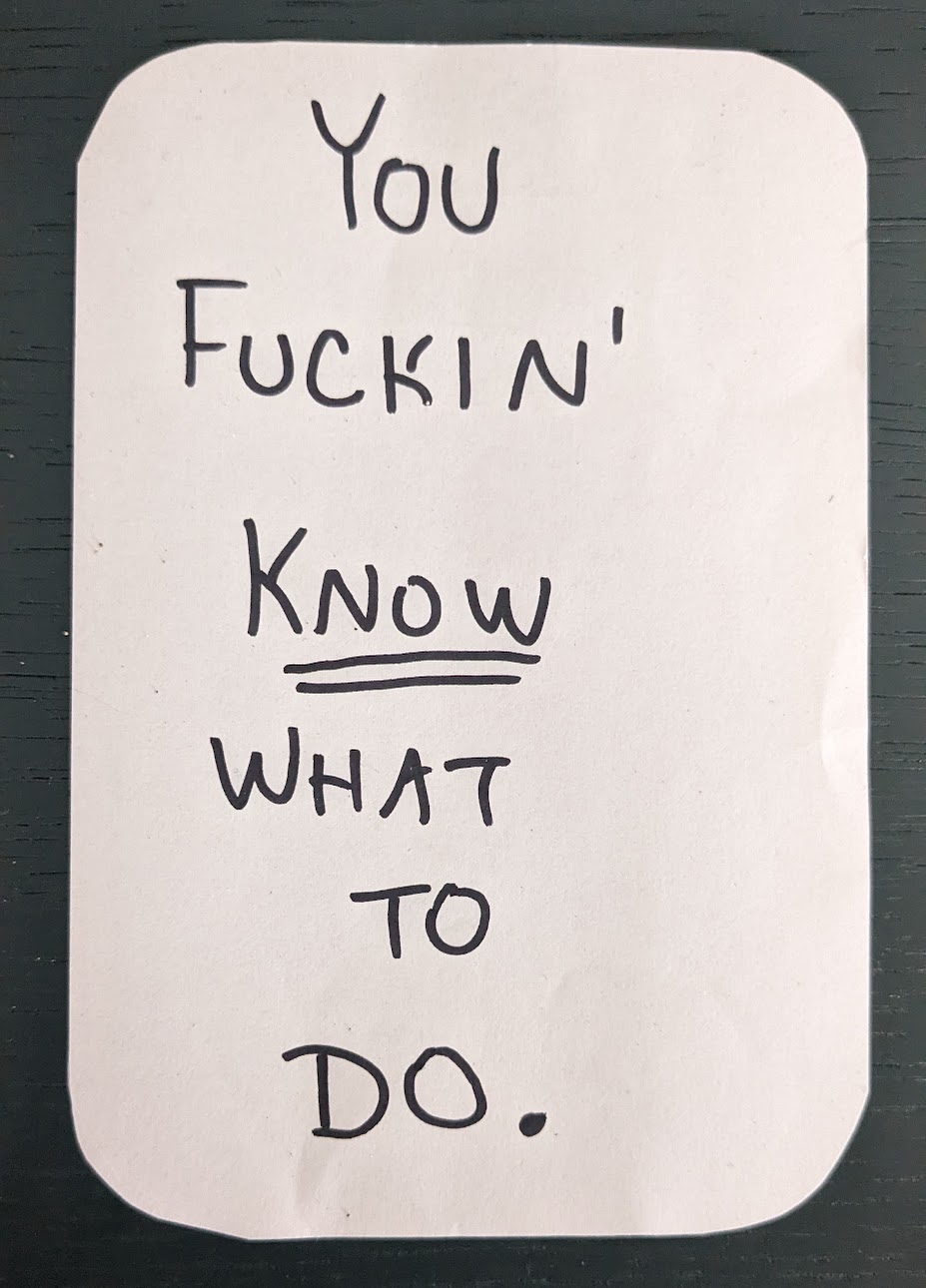
However, as the years progressed, a subtle but significant shift began to occur. While the initial decade was marked by intense engagement – balancing demanding parental responsibilities with extensive home building, travel, public speaking, and prolific writing – recent years have seen a gradual decline in the ability to sustain this level of focused activity. The once-constant drive to engage in construction projects or meticulously craft blog articles has been increasingly replaced by a tendency to retreat to passive distractions, such as phone scrolling, despite an underlying desire for more meaningful engagement. This experience presents a counter-narrative to the common assumption that freedom and financial security automatically lead to continuous self-actualization.
Psychological research on motivation often distinguishes between intrinsic and extrinsic drivers. In a traditional employment context, external factors like deadlines, performance reviews, and financial incentives provide a structured framework for action. In early retirement, where these external pressures are absent, individuals must rely almost entirely on intrinsic motivation and self-imposed discipline. Experts in organizational psychology and well-being have noted that while autonomy is crucial for job satisfaction, an excess of unstructured freedom can sometimes lead to decision fatigue, a lack of clear purpose, and a decline in productivity if not managed proactively. The absence of external accountability can inadvertently foster procrastination and inertia, even in activities one genuinely values.
The Pervasive Challenge of Self-Sabotage
This creeping lack of motivation prompted an investigative pivot towards health and wellness, with an emphasis on daily habits, avoiding excessive comfort, and boosting energy and focus. While these strategies provided temporary improvements, a recurring pattern of self-sabotage emerged. New, effective practices would be adopted, yield results, but then gradually fall by the wayside as the mind "invented various excuses to stop doing them consistently." This led to a disjunction between knowledge and accomplishment, revealing a deeper, systemic issue.
The core realization was profound: the very freedom that defined early retirement was being weaponized against personal progress. The individual recognized a tendency to use freedom not to pursue higher-value activities, but to avoid tasks perceived as difficult or undesirable. This phenomenon is supported by behavioral economics, which describes "present bias" or "hyperbolic discounting," where individuals prioritize immediate gratification over long-term benefits, especially when facing discomfort or effort. For instance, opting for passive entertainment over a challenging workout, despite knowing the latter’s superior long-term impact on well-being, exemplifies this bias.

The contrast drawn between utilizing freedom for meaningful pursuits (like active parenting and creative projects) versus passive consumption (like excessive social media use) underscores a critical distinction. True freedom, it is argued, is not merely the absence of obligation but the presence of deliberate choice to engage in activities that are more valuable than the relinquished traditional work. If this intentionality is absent, the very purpose of leaving conventional employment is undermined.
Reframing Hesitation as a Catalyst for Action
A vivid illustration of this internal struggle is provided through the lens of physical exercise. Despite understanding that consistent workouts are arguably the most effective minute-for-minute investment in overall life improvement, the individual frequently found themselves trapped in a cycle of elaborate planning and subsequent avoidance. The internal monologue involved seeking "perfect conditions" – the ideal time, weather, energy levels – often resulting in missed workouts or inconsistent effort, leading to "lackluster fitness." Data from public health organizations consistently shows that a significant portion of the adult population struggles to meet recommended physical activity guidelines, often citing lack of time or motivation, even when acknowledging the health benefits.
The transformative shift occurred with a radical re-evaluation of this internal dialogue. Instead of accommodating the feeling of not "feeling like it," this moment of hesitation was reframed as a direct trigger for immediate action. The new internal script became: "I want to work out today. I don’t feel like it. ^^^ AHA!! I JUST CAUGHT MYSELF TRYING TO SELF SABOTAGE! ^^^ I am now already putting on my shoes and walking to the gym." This direct, confrontational approach to internal resistance bypasses the rationalization process that often precedes procrastination.
This technique aligns with principles found in cognitive behavioral therapy (CBT) and habit formation research. By identifying a specific "cue" (the feeling of hesitation) and immediately associating it with a desired "routine" (taking action), individuals can short-circuit negative behavioral patterns. Renowned behavioral scientists emphasize that action often precedes motivation; by initiating a task, even a small one, the brain’s reward system can be activated, making subsequent steps easier. This "just start" mentality transforms internal resistance from a barrier into a signal for initiation.

The Influence of Extreme Exemplars: David Goggins
The inspiration for this paradigm shift was significantly catalyzed by exposure to individuals who embody extreme self-discipline, particularly through a podcast interview with David Goggins. Goggins, a former Navy SEAL, ultra-endurance athlete, and motivational speaker, is widely recognized for his extraordinary feats of physical and mental fortitude, often undertaken to overcome a challenging past marked by severe childhood abuse. His achievements include pushing through multiple near-death experiences to qualify for the SEALs, running 240 miles over four days without sleep, and setting a world record of 4,025 pull-ups in 24 hours.
While the individual explicitly states no desire to emulate Goggins’ extreme lifestyle, the exposure to such an extreme example served a crucial purpose: it profoundly shifted the perception of human limits. Goggins’ narrative underscores the idea that most barriers are mental constructs rather than inherent physical or external limitations. This reframing is critical for individuals who, like the early retiree, might perceive their own challenges as insurmountable. By witnessing the outer bounds of human endurance, everyday tasks that previously felt "hard" are recalibrated, becoming comparatively trivial. This psychological recalibration is not about adopting toxic masculinity or "bro science," as critics might suggest, but about drawing inspiration from the demonstrable power of the human will to push beyond perceived boundaries. This principle resonates with growth mindset theory, which posits that believing abilities can be developed through dedication and hard work fosters resilience and a greater willingness to undertake challenges.
Tangible Results and Ongoing Pursuit of Discipline
The immediate application of this "catch yourself at the moment of hesitance" technique yielded significant, measurable results. The individual reported being able to consistently attend the gym daily, leveraging both the desire to work out and the lack of desire as triggers for immediate action. This sustained effort, after years of plateauing, resulted in a gain of ten pounds of lean muscle mass over four months, restoring strength and flexibility comparable to that of a 25-year-old. This physical transformation underscores the direct correlation between consistent effort, even in the face of internal resistance, and tangible outcomes.
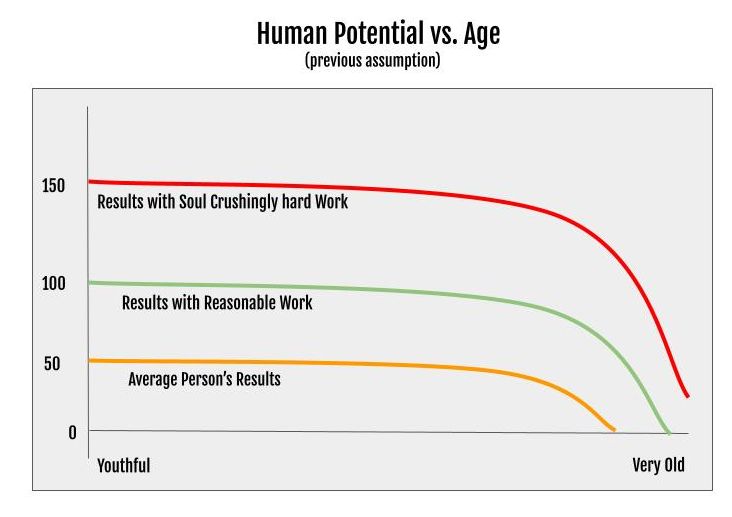
Beyond physical fitness, the technique has been applied to other areas of life: increasing running frequency, more consistent visits to a coworking space for professional engagement and socialization, and even the discipline required to write and publish blog posts despite the allure of easier activities. This demonstrates the versatility of the approach in fostering discipline across various domains.
Broader Implications for Modern Life and the FIRE Movement
The insights gleaned from this personal journey hold significant implications for the broader FIRE community and for anyone grappling with motivation in an increasingly autonomous world. The experience highlights that financial independence, while offering unparalleled freedom, does not inherently solve the human need for purpose, structure, and self-mastery. In fact, it often amplifies the internal battle against inertia and complacency.
The ongoing search for inspiration, through figures like Goggins, Peter Attia (author of "Outlive"), and Jocko Willink (author of "Extreme Ownership"), underscores the continuous effort required to maintain discipline. These figures, irrespective of their specific methodologies or public perception, provide narratives and frameworks that challenge conventional notions of comfort and ease. Their messages, stripped of any controversial elements, serve as a potent reminder that sustained growth and achievement often necessitate confronting discomfort and overcoming internal resistance.
In an era where mental health challenges are prevalent and the lines between work and leisure blur, understanding how to harness motivation and discipline in the absence of external pressure is paramount. This evolving perspective on early retirement suggests that true success in a life of freedom is not merely about accumulating wealth, but about cultivating an unyielding internal drive to pursue meaningful challenges, transforming moments of hesitation into catalysts for action, and continuously refining one’s capacity for self-mastery. The journey of post-retirement freedom, therefore, becomes not an end to effort, but a new arena for deliberate and purposeful striving.

