
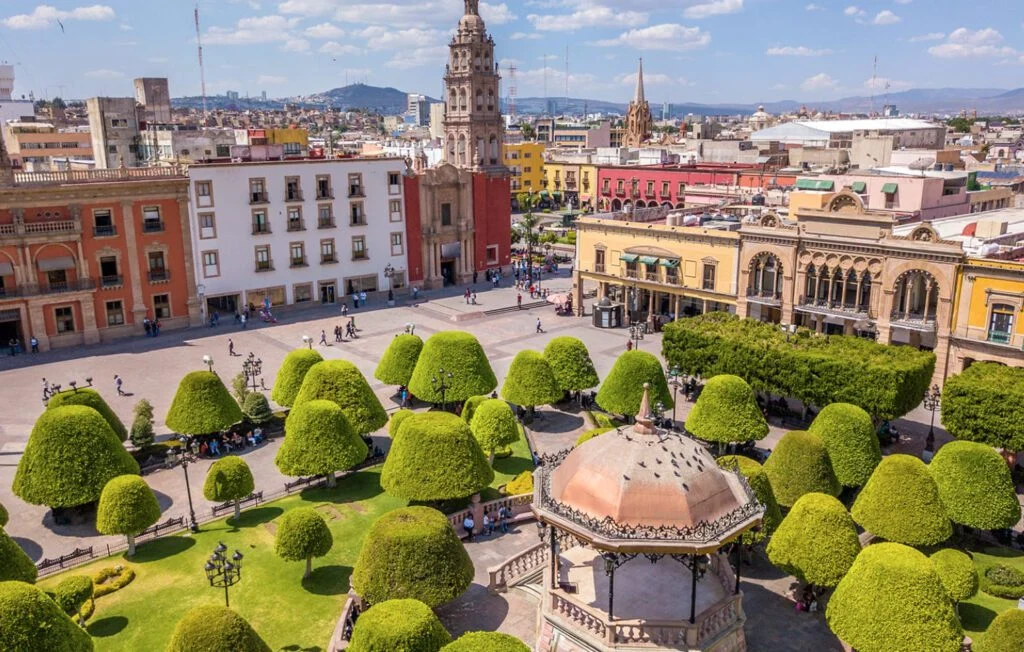
The allure of retirement often sparks dreams of new horizons, and for an increasing number of Americans, those horizons lie beyond the nation’s borders. Anne Nicolai, a seasoned writer and former corporate professional, embraced this aspiration in 2008, trading her Minnesota home for the vibrant cultural tapestry of San Miguel de Allende, Mexico. Now, more than fifteen years later, Nicolai, who also hosts MoveToMexico.org, offers a wealth of insights gleaned from her experience as a retiree and part-time freelancer in a foreign land. Her journey, marked by a transition from a full-time corporate role to a freelance career and even a stint as a karaoke host, provides a compelling narrative for those contemplating a similar expatriate retirement.
The Evolving Landscape of Retirement Migration
The trend of Americans retiring abroad is not a new phenomenon, but it has gained significant momentum in recent decades. Factors contributing to this shift include the rising cost of living in the United States, the desire for a more affordable lifestyle, the pursuit of warmer climates, and a yearning for cultural immersion and adventure. According to a 2022 report by International Living magazine, Mexico consistently ranks as a top retirement destination for Americans due to its affordability, accessibility, and established expat communities. Other popular destinations include Costa Rica, Panama, Ecuador, and Portugal, each offering unique advantages and challenges. The decision to retire overseas is often a carefully considered one, involving extensive research, financial planning, and an open mind to adapting to new environments. Nicolai’s story exemplifies the proactive approach many take, moving beyond the conventional retirement path to forge a more personalized and fulfilling chapter.
Learning #1: Unlocking Untapped Potential and Resilience
One of the most profound lessons Nicolai imparts is the discovery of her own latent capabilities. Her initial days in Mexico were characterized by linguistic challenges and a sense of unfamiliarity. "When I first moved to Mexico, I stumbled over the few Spanish phrases I knew, struggled to convert pesos to dollars in my head and wistfully watched the spinning salsa dancers, wishing I had rhythm," she recounts. However, over fourteen years, this initial apprehension transformed into confidence and competence. She now operates fluently in Spanish, handles financial transactions in pesos, and has become an accomplished dancer.
This personal growth extends to navigating complex bureaucratic systems. Nicolai successfully managed the intricate process of obtaining and renewing her temporary residency visa, a task that involved numerous visits to government offices. She has also undertaken extensive solo road trips between San Miguel and Minneapolis, encountering and overcoming obstacles such as getting lost and dealing with instances of attempted bribery. These experiences, while stretching her comfort zone, have ultimately fostered a deep sense of accomplishment and self-reliance. This narrative underscores a critical aspect of expatriate living: it often compels individuals to tap into reserves of resilience and adaptability they may not have known they possessed. Research in psychology often highlights how exposure to novel environments and challenges can lead to significant personal development and a strengthened sense of efficacy.
Learning #2: The Strategic Advantage of Community and Support Networks
Safety and security are paramount considerations for any retiree, and relocating to a foreign country amplifies these concerns. Nicolai acknowledges the inherent security measures present in Mexico, such as reinforced windows and doors, and the necessity of vigilance regarding personal belongings. However, she emphasizes the significant role of community in mitigating these risks. "If you move to a place with a sizeable expat community, whether in Mexico, China, Nigeria, India or Ecuador, there will be some kind of security infrastructure in place," she states.
In San Miguel de Allende, this manifests in practical ways, including English-speaking emergency services and a direct line to the American consular agency. Beyond formal systems, the presence of an established expat network fosters informal support structures. Locals, accustomed to interacting with expatriates, often possess a greater degree of English proficiency, facilitating smoother communication. Nicolai’s personal experience of living in a predominantly Spanish-speaking neighborhood highlights the importance of cultivating strong relationships with neighbors, creating a robust social safety net. This concept aligns with sociological studies on social capital, which demonstrate that strong community ties and reciprocal relationships enhance individual well-being and security, particularly in unfamiliar environments. The ability to rely on neighbors for assistance or a sense of belonging is a crucial element in a successful expatriate transition.
Learning #3: Leveraging Technology for Global Connectivity
In an increasingly interconnected world, technology plays an indispensable role in bridging geographical distances. Nicolai highlights how advancements in communication have made it easier than ever for retirees to maintain strong connections with loved ones back home. "No matter how far you roam in retirement, you’ll have the technology to stay in touch with loved ones back home," she asserts.
The widespread availability of high-speed internet and affordable mobile services globally, coupled with ubiquitous communication applications like WhatsApp, Duo, and Facetime, allows for seamless voice and video calls. This enables expatriate retirees to participate in important family milestones, such as birthdays and holidays, virtually. Furthermore, technology facilitates access to essential services, including telehealth appointments with doctors and therapists in their home countries, and the online management of financial affairs, such as bill payments and direct deposit of Social Security benefits into foreign bank accounts.
Beyond personal connections, technology also serves as a vital tool for integrating into a new community. Expat forums on social media platforms provide a rich source of information on local events, practical advice, and even safety alerts. Navigation apps like Google Maps and Waze enhance mobility and independence, making it easier to explore and access local amenities. This technological integration is a significant factor in reducing feelings of isolation and fostering a sense of belonging for expatriate retirees. The digital divide, once a significant barrier, has narrowed considerably, making remote living more feasible and connected than ever before.
Learning #4: The Transformative Power of Cultural Immersion
The decision to retire abroad often stems from a desire for a richer, more fulfilling life, and cultural immersion is a cornerstone of this pursuit. Nicolai’s move to Mexico was driven by a craving for more sunshine, vibrant colors, ethnic diversity, and the intellectual stimulation of learning a new language. Reflecting on her previous "Type A" lifestyle in the United States, characterized by consumerism and a demanding work ethic, she notes a profound shift in her perspective.
After fourteen years in Mexico, she has embraced the virtues of patience, humility, and simplicity. Her consumption habits have dramatically changed, with a focus on necessities like food and music, rather than material possessions. The emphasis on a more active lifestyle in Mexico – walking more, dancing, and eating healthier – has also contributed to her well-being and a reduced need for new clothing. This sentiment is echoed by her friends living abroad in various countries, suggesting a common theme among expatriate retirees: a recalibration of priorities towards experiences and well-being over material accumulation. This shift aligns with theories of acculturation, which suggest that prolonged exposure to a new culture can lead to significant changes in an individual’s values, beliefs, and behaviors, often resulting in personal growth and a broadened worldview. The intellectual and emotional benefits of engaging with different cultural norms and perspectives are widely recognized as contributing to a more enriched and contented life.
Learning #5: The Inherent Flexibility and Agency in Retirement Choices
A crucial takeaway from Nicolai’s experience is the realization that retirement abroad is not an irreversible commitment. While many expats establish deep roots and consider their adopted country their permanent home, the option to return to one’s native land, or to move elsewhere, always exists. She notes that many long-term expatriate retirees in Mexico have lived there for decades, while others have chosen to relocate back to their home countries due to health reasons or to be closer to family.
This underscores the fluid nature of retirement planning. There is no single "right" way to retire, nor a definitive "perfect" time or place. Nicolai frames the process as one of "trial and error," emphasizing that it is about exploration and adaptation rather than success or failure. Her personal journey illustrates this flexibility; while Mexico is her current home, she acknowledges the possibility of returning to the United States or exploring other global destinations in the future. This perspective empowers individuals to make bold choices without the fear of being permanently locked into a decision. The ability to reinvent oneself, heal from past experiences, or pursue long-held passions, as many do in San Miguel, is facilitated by this understanding of personal agency. The support of friends and family who visit, coupled with the vibrant social fabric of expat communities, combats feelings of loneliness, further reinforcing the viability of these international retirement choices. The ultimate decision rests with the individual, driven by evolving needs, desires, and life circumstances.
Broader Implications for the Future of Retirement
Anne Nicolai’s firsthand account offers a compelling glimpse into the multifaceted experience of retiring abroad. Her lessons resonate with a growing demographic of individuals seeking alternatives to traditional retirement pathways within their home countries. The trend toward international retirement is likely to continue, influenced by global economic shifts, advancements in communication technology, and a cultural emphasis on experiential living. The implications extend beyond individual retirees, impacting economies and communities in both host and home countries. For host nations, it can bring economic benefits through spending and investment. For home countries, it raises questions about supporting an aging expatriate population and understanding the evolving definition of "home" in the 21st century. As more individuals embrace the opportunities presented by global retirement, the insights shared by pioneers like Anne Nicolai will become increasingly valuable in shaping the future of how we envision and experience our later years.

