
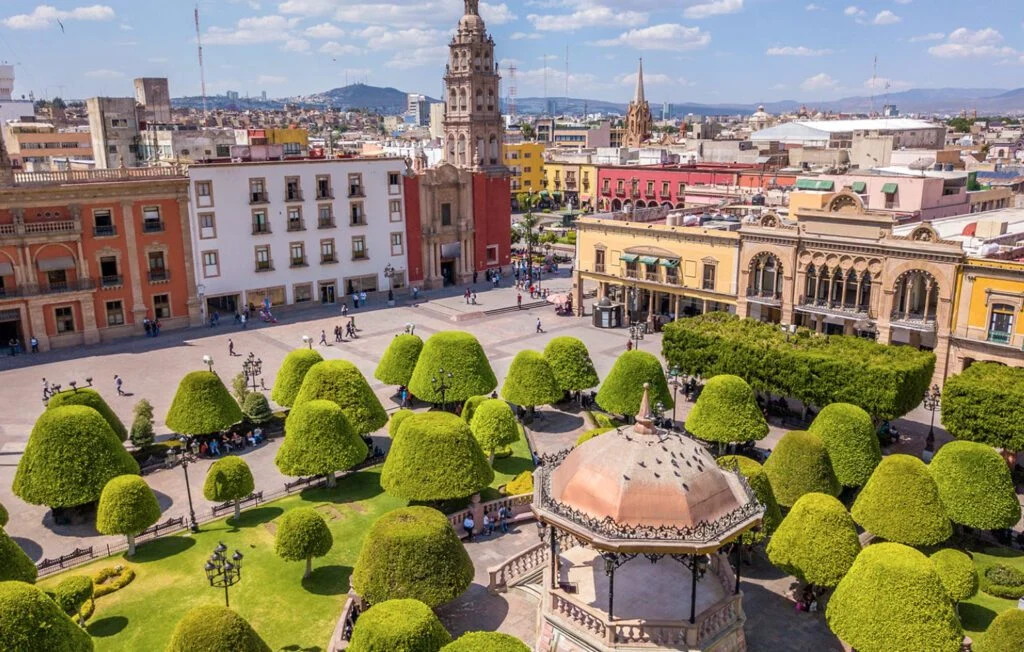
Anne Nicolai, a former corporate professional and now a part-time freelancer and karaoke host, offers a unique perspective on the burgeoning trend of American retirees choosing to live abroad. After leaving her full-time career and Minnesota home in 2008, Nicolai established a new life in San Miguel de Allende, Mexico. Her extensive experience as an expatriate, chronicled on her website MoveToMexico.org, provides valuable insights for those contemplating a similar transition. Nicolai shares five key lessons learned from her decade-plus journey, highlighting personal growth, safety considerations, technological connectivity, cultural immersion, and the inherent flexibility of retirement planning.
The Personal Transformation of Expatriation
Nicolai’s first significant realization is the profound personal growth that expatriation can foster. "You are capable of more than you give yourself credit for," she states, reflecting on her initial struggles with the Spanish language and cultural nuances. Fourteen years later, she is fluent, adept at managing finances in pesos, and even confidently hosts karaoke, a far cry from her early days of wishing for rhythm.
This personal evolution extends to navigating complex bureaucratic systems. Nicolai details her experience obtaining and renewing a temporary residency visa, a process that involved nine separate visits to the immigration bureau before she finally secured permanent residency. She also highlights her resilience in undertaking the more than 20 four-day car journeys between San Miguel de Allende and Minneapolis, often alone. These trips, fraught with the potential for getting lost or encountering minor shakedowns for bribes, served as potent opportunities to "stretch my comfort zone," a phrase she uses to encapsulate the transformative power of overcoming challenges in an unfamiliar environment. This narrative underscores a broader trend observed by retirement experts, who often note that individuals who embrace expatriation frequently report heightened self-confidence and a more robust sense of agency in their later years.
Navigating Safety and Security in a New Landscape
The second crucial lesson Nicolai imparts concerns the importance of understanding and adapting to new safety and security protocols. "There is safety in numbers," she advises, acknowledging that expatriation necessitates a heightened awareness of personal security. In San Miguel de Allende, as in many parts of Mexico, visible security measures such as decorative ironwork on windows and doors, and walls topped with broken glass or razor wire, are commonplace. The risk of petty theft, such as leaving electronics unattended in a vehicle, is a stark reality that requires constant vigilance. Walking alone at night, even on well-lit streets, is an activity that demands careful consideration.
However, Nicolai emphasizes that establishing a presence within a sizable expat community can significantly mitigate these concerns. She notes that in locations like San Miguel, dedicated infrastructure often exists to support expatriates. This includes English-speaking emergency services and direct lines to consular agencies. Furthermore, the integration of expats into the local community often leads to increased English proficiency among residents, facilitating communication and mutual understanding. Nicolai herself resides in an entirely Spanish-speaking neighborhood, demonstrating a commitment to deeper cultural immersion, but she underscores the importance of knowing neighbors well for mutual support in times of need. This sentiment is echoed in studies on expat integration, which consistently find that strong social networks, both within and outside the expat community, are paramount to a feeling of security and well-being.
Technology as a Bridge to Connection
The third lesson focuses on the indispensable role of technology in maintaining connections. Nicolai asserts that "Technology will keep you connected," regardless of the geographical distance from home. The widespread availability of high-speed internet and affordable mobile services globally facilitates seamless communication. Applications like WhatsApp, Duo, and FaceTime enable free voice and video calls, allowing retirees to participate in family milestones like birthdays and holidays, even from afar.
Beyond personal connections, technology also streamlines essential services. Virtual healthcare options provide access to medical professionals and therapists remotely. Online bill payment systems simplify financial management for those with obligations in their home countries. Direct deposit of Social Security benefits into foreign bank accounts, in either dollars or local currency, further simplifies financial logistics for expatriate retirees. In San Miguel, technology also serves as a vital resource for community engagement. Expat forums on platforms like Facebook disseminate crucial information, ranging from local events and social gatherings to crime alerts and classified listings for goods and services. Navigational tools like Google Maps and Waze, when supported by reliable internet access, enhance daily life by providing directions to essential amenities. The increasing reliance on digital platforms for communication and services underscores a global shift, with technology acting as a critical enabler for individuals living outside their native countries.
The Transformative Power of Cultural Immersion
Nicolai’s fourth key learning revolves around the profound and positive impact of cultural immersion. She explains that her move to Mexico was driven by a desire for "more sunshine, more color, more ethnic diversity and the intellectual challenge of learning a new language." Prior to her expatriation, she identified as a "Type A" individual, fully engaged in consumerism with a lifestyle that included a large home, multiple vehicles, and a penchant for expensive indulgences.
After 14 years in Mexico, she has cultivated a greater appreciation for "patience, humility and simplicity." Her material needs have shifted significantly, with spending largely limited to food and karaoke music. Her wardrobe, largely unchanged since her move, fits well, attributed to an increased level of physical activity—walking, dancing, and healthier eating habits—inherent to life in Mexico. This observation aligns with broader analyses of expat lifestyles, which often highlight a tendency towards a more minimalist and experience-focused existence, leading to improved physical and mental well-being. The deliberate choice to engage with a different culture, rather than merely residing in a foreign locale, fosters personal growth and a recalibration of priorities.
The Enduring Option of Returning Home
The final, and perhaps most reassuring, lesson Nicolai offers is that "You can always go home." She acknowledges that while many expatriate retirees, some in their 80s and 90s, have established long-term residency in Mexico, others have made the decision to return to their home countries for health reasons or to be closer to family. This underscores the inherent flexibility of retirement planning and the absence of a single "correct" path.
Nicolai’s personal narrative reflects this adaptability. While Mexico is currently her home, she does not preclude the possibility of living in the United States again. Her immediate plan is to remain in Mexico, a decision influenced by her initial motivation to escape cold Minnesota winters and embrace a new adventure. The ongoing visits from friends and family, she notes, have ensured she has never felt isolated. Crucially, she emphasizes that if she were to decide to return to her origins or explore other global destinations, the freedom to do so remains. This perspective challenges the notion of expatriation as a permanent, irreversible commitment, framing it instead as a dynamic choice that can be revisited and altered based on evolving life circumstances and personal desires. The ability to adapt and make informed decisions about one’s living situation, whether abroad or at home, is a hallmark of a well-considered retirement strategy.
The concept of an expatriate, as defined by Nicolai, is someone residing outside their native country, driven by intellectual curiosity and an adventurous spirit, without necessarily compromising their patriotism or citizenship. This outlook is increasingly shared by a growing demographic of American retirees seeking new experiences and a different quality of life beyond their familiar borders. As the trend of global retirement continues to gain momentum, the lessons learned by individuals like Anne Nicolai offer invaluable guidance for those contemplating this significant life transition.

