
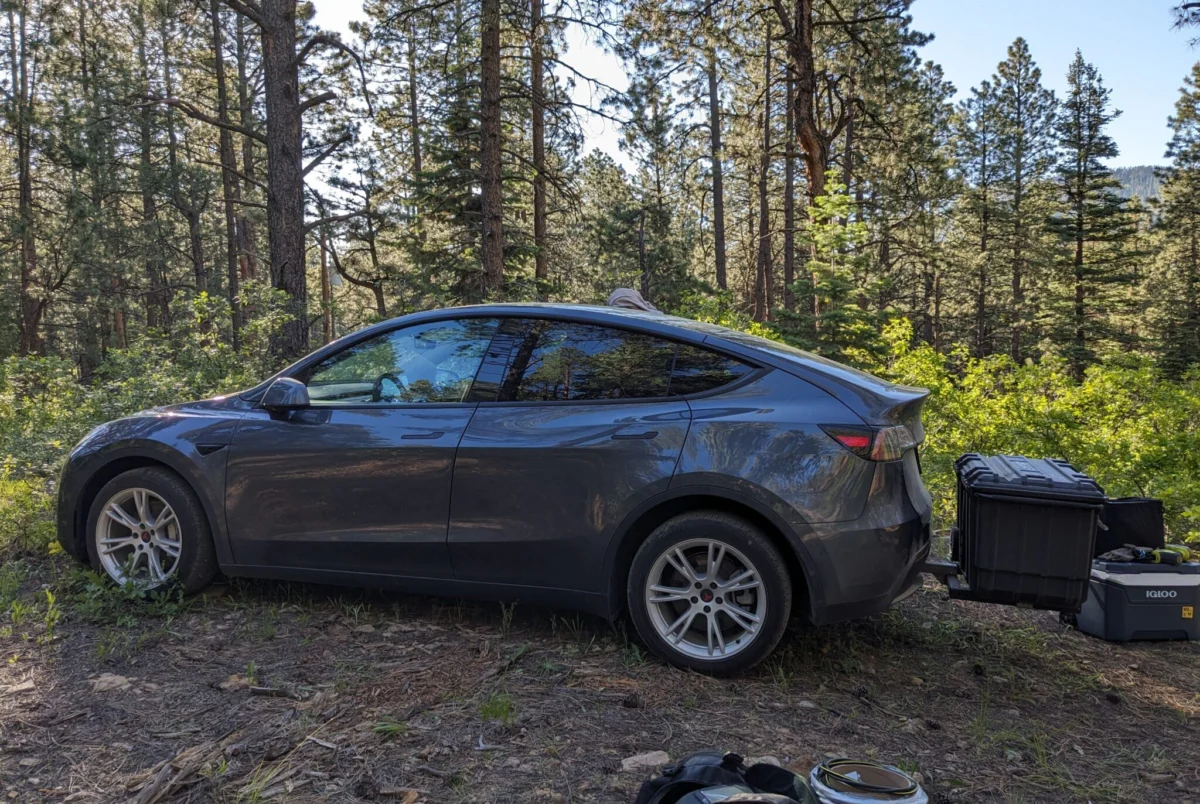
In a notable shift from his long-standing advocacy for extreme frugality, Peter Adeney, widely known as Mr. Money Mustache, has announced the acquisition of a 2023 Tesla Model Y. The purchase, which comes with a net cost of approximately $52,000 after taxes and federal tax credits, marks a significant departure from Adeney’s typical automotive choices and signals an evolving perspective on spending for individuals who have achieved financial independence. This move, documented on his popular blog, has ignited discussion within the financial independence (FI) community, prompting a deeper look into the psychological and practical aspects of managing wealth post-retirement.
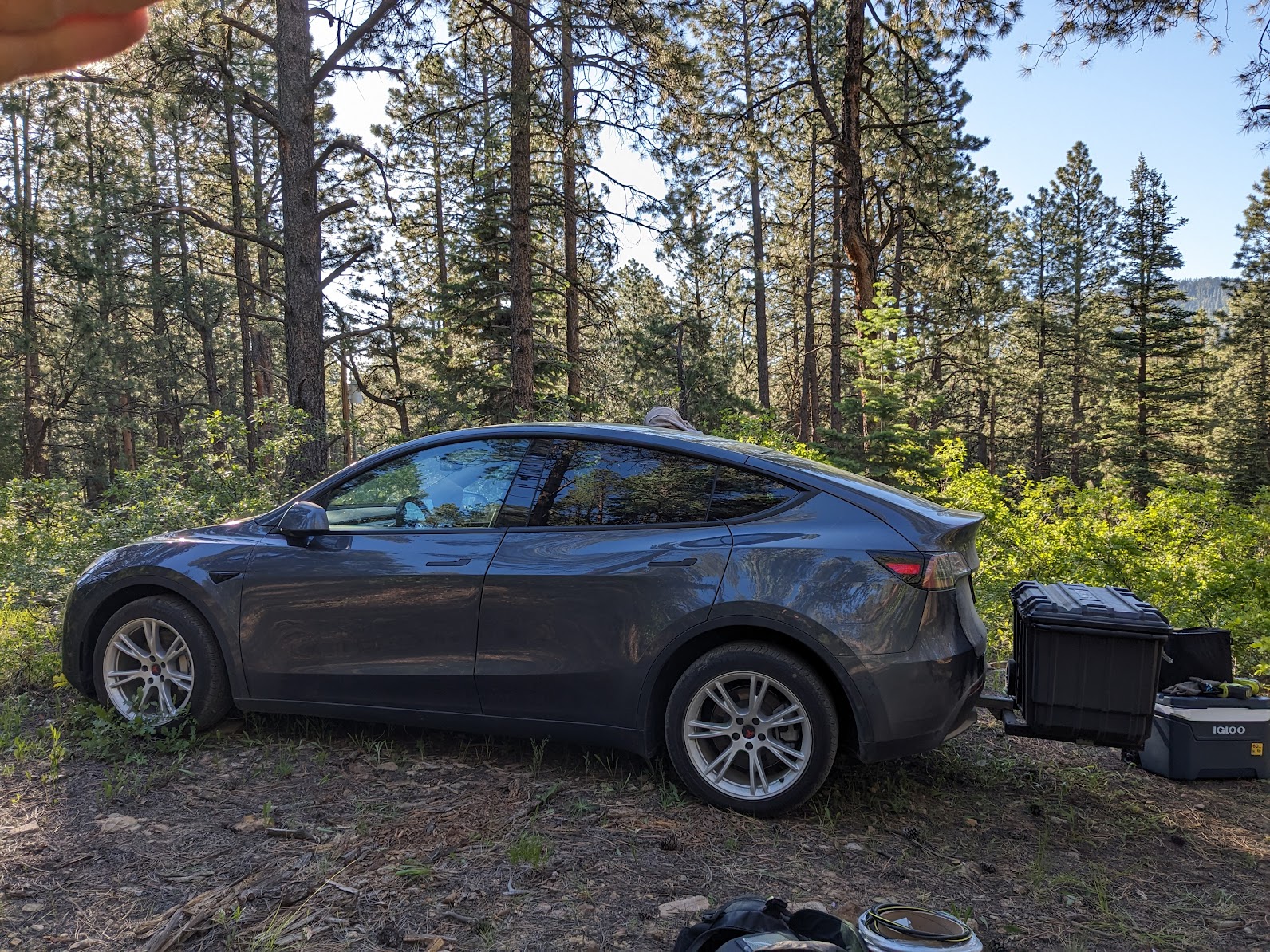
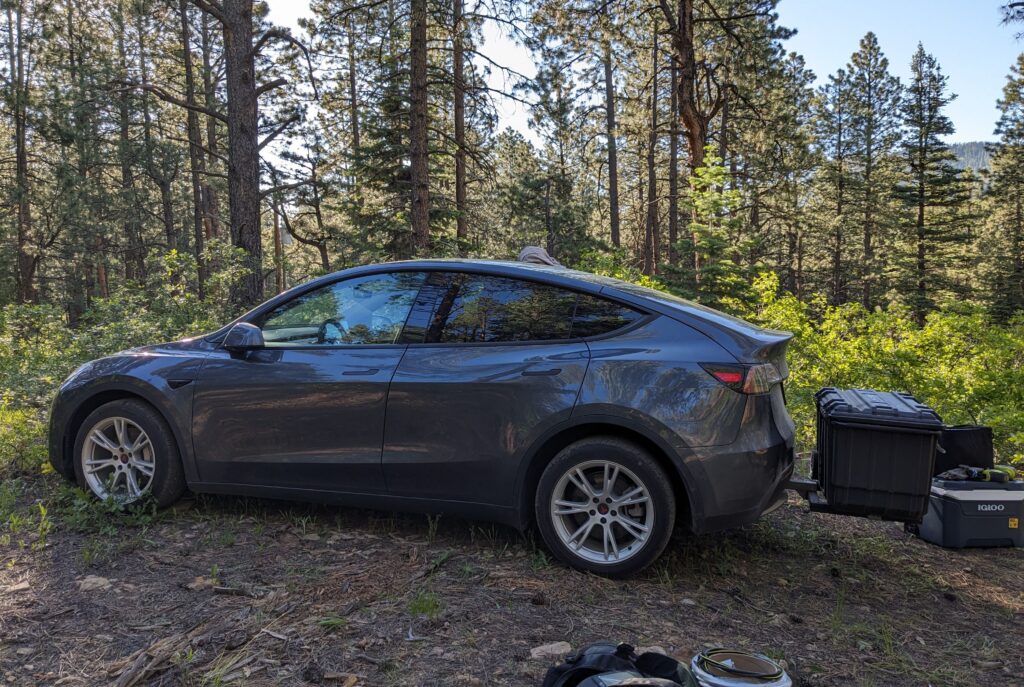
The Tesla Model Y, described by Adeney as a "rather expensive, luxury ‘crossover’ absolutely loaded to the gills with excess," boasts features such as all-wheel drive, rapid acceleration comparable to high-performance sports cars, seating for up to seven passengers, and advanced computational capabilities. This stands in stark contrast to the vehicle it replaces: a 23-year-old Honda van, purchased for a mere $4,500 on Craigslist twelve years prior, which had served Adeney faithfully for over a decade, navigating challenging terrains and assisting in numerous community projects. The visual representation accompanying the announcement showcased the new Tesla on its inaugural camping trip, a stark modern replacement for the utilitarian Honda.
The Catalyst for Change: A Frugality Icon’s Evolution
Mr. Money Mustache has built a substantial following by promoting a lifestyle focused on aggressive saving, mindful spending, and early retirement through financial independence. His blog, launched in 2011, became a cornerstone of the FI movement, inspiring millions to question consumerism and embrace a more deliberate approach to finances. A core tenet of his philosophy has been a strong aversion to car culture, which he often critiques for encouraging overconsumption and financial strain among the general populace. This new Tesla purchase, therefore, represents a significant personal and philosophical pivot.
Adeney candidly expressed his own "self-mockery and ridicule" regarding the acquisition, acknowledging the apparent contradiction with his public persona. He admitted to procrastinating on buying such an expensive vehicle for four years, despite encouragement from both close acquaintances and his online community. This internal conflict highlights a common challenge faced by those who have successfully accumulated substantial wealth through disciplined frugality: the difficulty in transitioning from an accumulation mindset to one that allows for strategic spending to enhance life experiences.
The final impetus for the purchase came unexpectedly. After years of reliable service, the 1999 Honda van, affectionately nicknamed "Vanna," suffered a transmission failure on a mountain pass while returning from a new property project in Salida, Colorado. This mechanical breakdown, coupled with the van’s increasing unreliability, served as the definitive "nudge" Adeney needed to make the leap to a modern electric vehicle. The transition from a vehicle that had become a source of "regular angst and stress" due to its unreliability to one that promises "excitement rather than dread at the prospect of all the road trips" was a key motivator.
Navigating the Psychological Hurdles of Wealth
The journey from extreme frugality to judicious spending is often fraught with psychological hurdles. Adeney recounts a relatable anecdote from a grocery store, where he found himself in a mental battle over the price of a loaf of specialty bread. Priced at $6.99—significantly higher than his usual bulk purchase cost—it triggered his ingrained frugal instincts, leading to thoughts of boycott or finding cheaper alternatives. Ultimately, he concluded that for someone in his financial position, the marginal savings were inconsequential to overall happiness. This internal dialogue, which he humorously terms "Grocery Shopping With Your Middle Finger," illustrates the deep-seated habits that persist even after financial freedom has been achieved.
This struggle is not unique to Adeney. He shared a similar experience with a friend, also retired early through disciplined frugality, who despite a net worth several times higher than Adeney’s, still grappled with minor spending decisions, such as opting for an hour-long bus ride over a more convenient Uber to the airport. Both recognized a tendency to be "too cheap with ourselves," leading them to develop a set of principles designed to facilitate a more enjoyable use of their accumulated wealth while still alive to experience it. This realization underscores a critical phase for many FI adherents: moving beyond the pure accumulation phase to a mindful distribution and enjoyment of assets.
Redefining Frugality: Principles for Strategic Spending
To address this psychological barrier, Adeney and his friend devised three guiding principles for what could be termed "strategic splurging" or "conscious spending" in retirement:
-
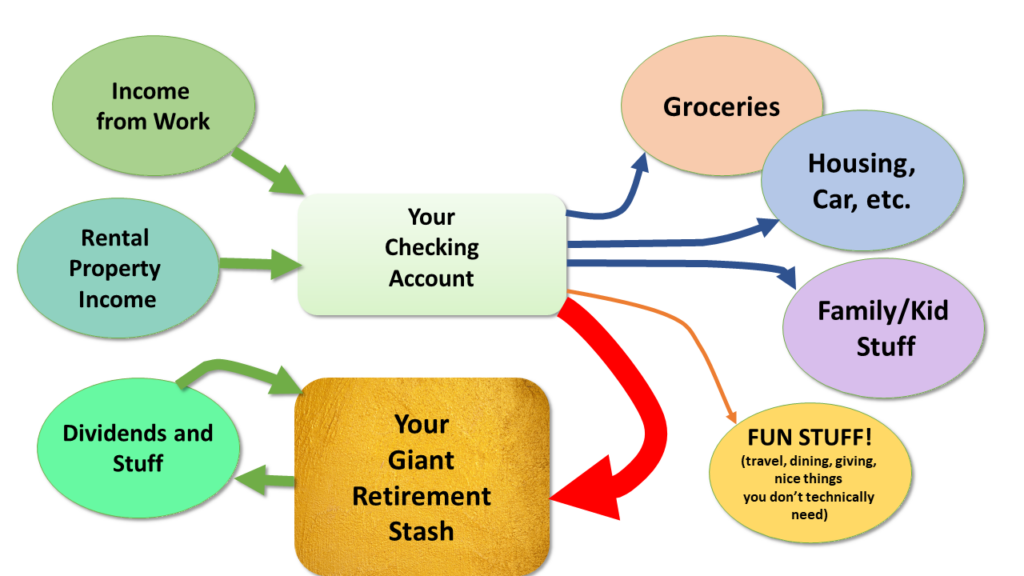
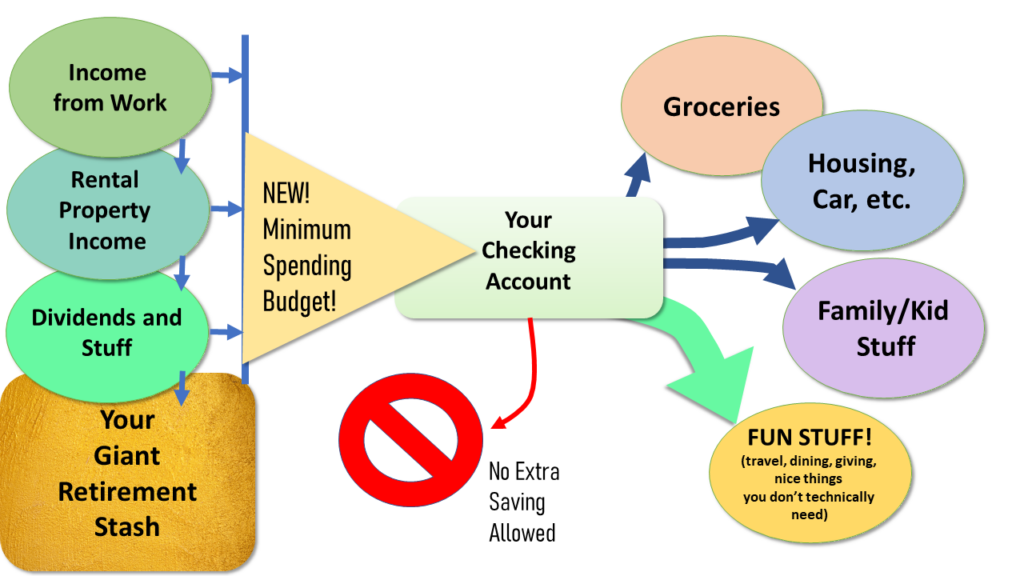
The Minimum Spending Budget: This principle encourages individuals with substantial wealth to establish a baseline annual spending level that aligns with their financial security. For instance, a person with $2 million in productive investments, applying the widely accepted 4% rule, could safely spend up to $80,000 annually without depleting their principal. Even at a more conservative 3% withdrawal rate, this allows for $60,000 in yearly expenditures, often supplemented by side incomes, inheritances, or social security. Many financially independent individuals, however, continue to live on significantly less, often under $40,000, clinging to their frugal habits. This principle aims to challenge that inertia, prompting them to recognize and utilize their financial capacity for enriching experiences, as depicted in a diagram illustrating money flow where "fun stuff" often gets overlooked in favor of continuous saving.
-
The Dedicated Money Wasting Account: Acknowledging the psychological difficulty in spending "hard-earned money" on seemingly frivolous items, this principle proposes a creative solution. Just as individuals on business trips often spend more freely when the bill is absorbed by an anonymous corporation, the idea is to create a distinct financial buffer that feels separate from one’s main savings. By setting aside a specific sum purely for "wasting" or discretionary spending, it psychologically disassociates the expenditure from the core wealth, making it easier to enjoy without guilt. This account functions as a permission slip, transforming personal funds into something akin to "somebody else’s money," thereby overcoming ingrained inhibitions against perceived extravagance.
-
The Splurge Accountability Buddy: Recognizing that breaking lifelong habits is challenging, Adeney advocates for peer support. He found that teaming up with friends who share similar financial journeys and challenges allows for mutual encouragement and accountability. These "buddies" can question overly frugal decisions, celebrate strategic splurges, and provide an external perspective to counter internal financial anxieties. Examples include his wealthy friend’s improved willingness to invest in quality home goods and travel, and fellow FI blogger Carl (Mr. 1500 Days) replacing his old minivan with a new Chevrolet Bolt EV. This communal approach provides a crucial social reinforcement mechanism for individuals navigating the transition from saving to spending.
The Tesla Model Y: A Detailed Acquisition
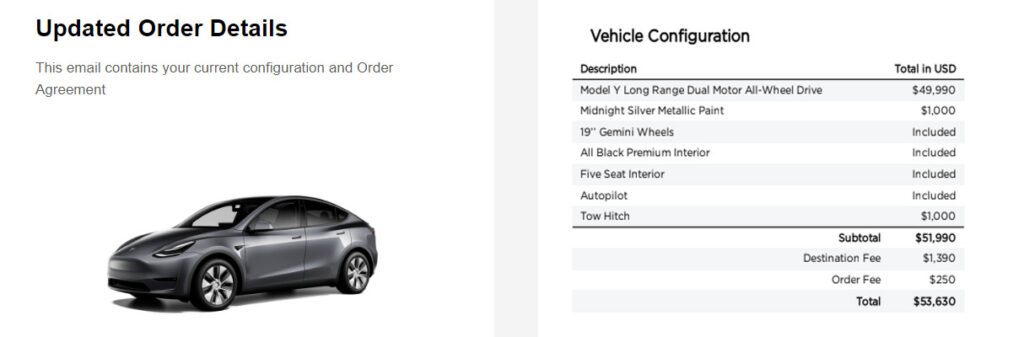
The 2023 Tesla Model Y selected by Adeney is a Long Range All-Wheel Drive variant. Its specifications are impressive: 0-60 mph in 4.8 seconds, a range of 330 miles, a 15-inch touchscreen, and advanced autopilot features. The breakdown of the total cost reflects a thoughtful consideration of value and incentives:
- Base Price: $50,490 (after a $3,000 price drop)
- All-Wheel Drive (AWD) option: Included in Long Range
- White paint: Included
- Enhanced Autopilot: $6,000 (a significant discretionary expense)
- Destination Fee: $1,390
- Order Fee: $250
- Sales Tax (CO): $3,197
- Gross Total: $61,327
- Federal Tax Credit: -$7,500 (for qualifying EVs)
- Colorado State Tax Credit: -$5,000 (for qualifying EVs)
- Tesla Referral Discount: -$1,000
- Net Total: $47,827 (The initial article stated $52,000, which likely included some other minor fees or a slightly different calculation, but the breakdown provided suggests a lower net).
Adeney estimates the Tesla will cost approximately $10,000 more per year than his old van, considering factors like depreciation, insurance, and charging costs versus fuel. However, he justifies this increased expenditure by noting that his previous "spending deficit" (spending significantly less than his comfortable budget) was "several times more than $10k per year." The car’s primary purpose is to facilitate "epic camping trips, dream dates, and long adventures around the country," thereby encouraging more spending on experiences, hotels, and dining out—aligning with his new philosophy of actively enjoying wealth.
Beyond Personal Spending: Addressing Criticisms and Philanthropy
Anticipating potential criticism from those who might view his purchase as indulgent, Adeney directly addresses the argument of "privileged rich folk talk." He acknowledges the importance of charity and encourages generosity but criticizes unproductive negativity aimed at shaming individuals for their personal spending choices. He emphasizes that his own philanthropic endeavors are substantial, having donated over $500,000 to various causes during his blogging career.
He recounts how even significant charitable giving could paradoxically reinforce a "scarcity mentality," leading to illogical fears about personal spending. Comparing a $100 dinner date to $500,000 in donations could trigger thoughts of cutting back on "everything." This highlights the complex psychological interplay between philanthropy, personal spending, and perceived financial scarcity.
Adeney advocates for a balanced approach: responsible stewardship of savings, generous charitable giving, and a deliberate allocation of funds for personal enjoyment. He suggests that it is acceptable to pay extra for convenience or comfort, such as upgrading an airplane seat or choosing a more expensive grocery store to avoid hassle, if it genuinely enhances life satisfaction. For him, the Tesla represents not just a vehicle, but a tool to reduce stress and unlock new experiences, allowing him to "lean back as it shoots me gracefully through even the highest mountain passes, forever leaving the desperately underpowered wheezing and gear shifting and noise of the gasoline era behind."
Implications for the Financial Independence Community
Mr. Money Mustache’s Tesla purchase and his accompanying philosophical shift carry significant implications for the broader financial independence community. It underscores an evolving understanding of frugality—one that may transition from extreme austerity during the accumulation phase to a more nuanced, strategic approach to spending in retirement. This evolution suggests that true financial independence is not merely about accumulating wealth, but also about mastering the art of deploying it to maximize well-being and life experiences.

The "Model Y Experiment," as Adeney dubs it, serves as a public case study for how a long-time frugalist navigates the complexities of post-FI spending. It encourages followers to examine their own ingrained habits and consider whether their current spending aligns with their long-term happiness goals, especially once financial security is firmly established. The discussion around "minimum spending budgets" and "dedicated money wasting accounts" could become new frameworks for FI practitioners to consider as they move into their retirement years.
Practical Details and Resources
In a practical footnote, Adeney shared details on how he disposed of his old Honda van. He utilized Peddle, an online car salvage service, which offered $715 for the vehicle. A tow truck collected the van the following day, providing immediate cash payment. Adeney made a point of using this money entirely for "splurges like dinners out," reinforcing the article’s theme of embracing strategic spending.
Furthermore, he highlighted the reintroduction of Tesla’s referral program, which offers a $1,000 discount on any Tesla purchase for new buyers and rewards points for the referrer, showcasing another avenue for maximizing value even in a splurge.

The Future of "The Model Y Experiment"
To provide ongoing insights, Mr. Money Mustache has launched a dedicated tracker page titled "The Model Y Experiment" on his blog. This page will document his ownership experience, covering aspects such as reliability, customer service, quirks, modifications, and upgrades. This commitment to transparency ensures that his journey with the Tesla will continue to serve as a valuable resource and point of discussion for his audience, offering a real-world perspective on EV ownership from a historically frugal viewpoint. The acquisition of the Tesla Model Y by one of the most influential voices in financial independence marks a compelling chapter in the discourse surrounding wealth, frugality, and the pursuit of a well-lived life.

