
Peter Adeney, widely known as Mr. Money Mustache (MMM), a seminal figure in the Financial Independence, Retire Early (FIRE) movement, has recently addressed a growing sentiment among some followers who suggest his considerable wealth has detached him from the everyday financial struggles of the average person. Adeney, who retired from his career as a software engineer at age 30 in 2005, contends that his foundational money-saving habits remain deeply ingrained in his daily life, not as sacrifices, but as sources of personal enjoyment and sustained financial growth. He argues that these practices, often misconstrued as deprivation, are in fact a "giant recipe for a happy life" and continue to yield substantial wealth.
Adeney’s blog, launched in 2011, quickly became a cornerstone for individuals seeking to achieve financial freedom through aggressive savings, minimalist living, and smart investments. His philosophy, dubbed "Mustachianism," champions a lifestyle focused on efficiency, self-sufficiency, and conscious consumption, fundamentally challenging mainstream consumerist norms. Despite his accumulated wealth, which has grown significantly over the past two decades, Adeney asserts that his core practices have not wavered. He attributes this continuity to the inherent pleasure he derives from these activities, rather than their mere financial benefit.
The Evolution of Mustachianism: Beyond Standard Financial Advice
The core of Adeney’s defense lies in distinguishing Mustachianism from conventional financial planning. Standard financial advice, he notes, often advocates for cutting expenses and making sacrifices solely to reach a specific savings percentage. Once achieved, this approach suggests that further spending choices become a matter of personal preference, with increased income potentially reducing the need for continued frugality. This often leads to a "FatFIRE" mentality, where early retirees maintain or even increase luxurious spending habits.
In contrast, Mustachianism, as articulated by Adeney, encourages a deeper engagement with one’s lifestyle. It focuses on cultivating a love for efficiency, creativity, self-awareness, and continuous self-improvement. This holistic approach aims to enhance overall quality of life, leading naturally to a reduction in monthly expenses over time. The emphasis is on building skills, fostering community, and finding joy in productive activities that coincidentally save money, rather than viewing frugality as a temporary hardship.
Quantifying Wealth Creation: The "Rule of 172"
To underscore the long-term financial impact of these habits, Adeney employs a calculation he terms the "rule of 172." This rule estimates the compounded value of a monthly saving over a decade by multiplying the monthly amount by 172. This metric allows for a tangible demonstration of how seemingly small, consistent choices can accumulate into significant wealth, particularly when the saved capital is invested. This framework helps to illustrate the "present" that individuals give themselves through disciplined financial behavior.
Six Pillars of Enduring Frugality in Practice:
Adeney offers six personal examples from his current life, illustrating how these principles translate into substantial savings and an enhanced quality of life, even with considerable existing wealth. These examples are presented not as hardships, but as enjoyable aspects of his daily routine.
1. Home Improvement and Self-Sufficiency: A Producer’s Ethos
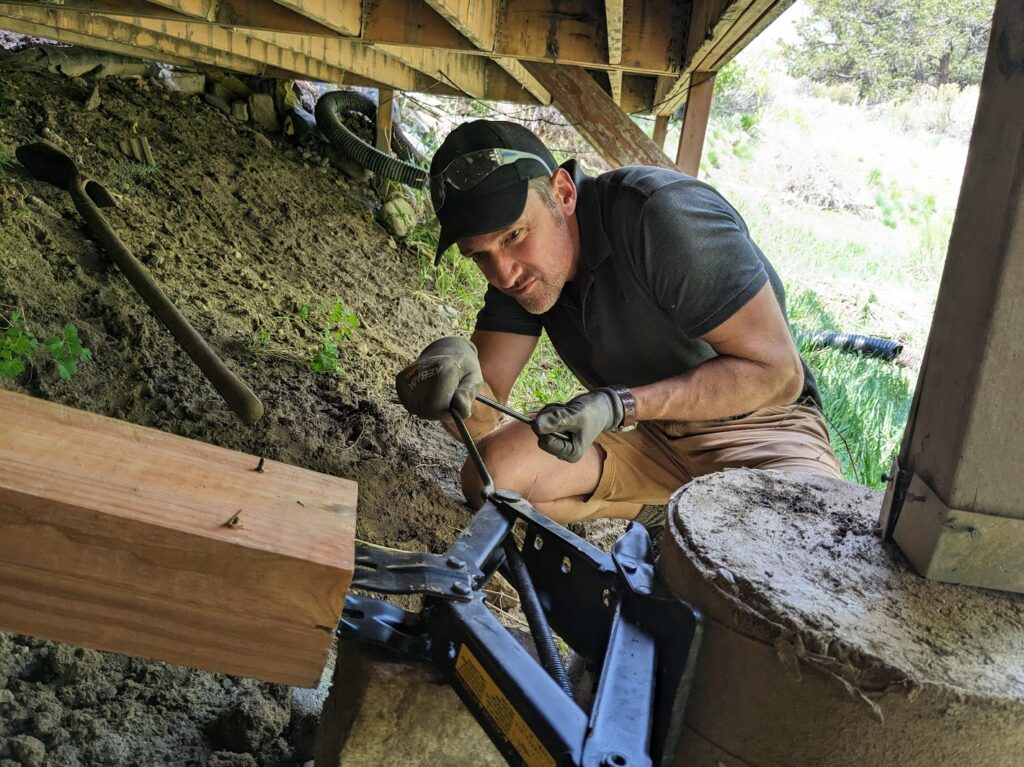
At the top of Adeney’s list is his dedication to fixing and improving his own home, and even those of friends. This practice aligns with his core belief in self-sufficiency: "Become a Producer of the Things You Most Enjoy Consuming." He describes a genuine love for living in beautiful, functional spaces and the process of problem-solving and redesigning old buildings. This hands-on approach, he notes, extends to teaching others, fostering a sense of empowerment and reducing dependence on costly external contractors.
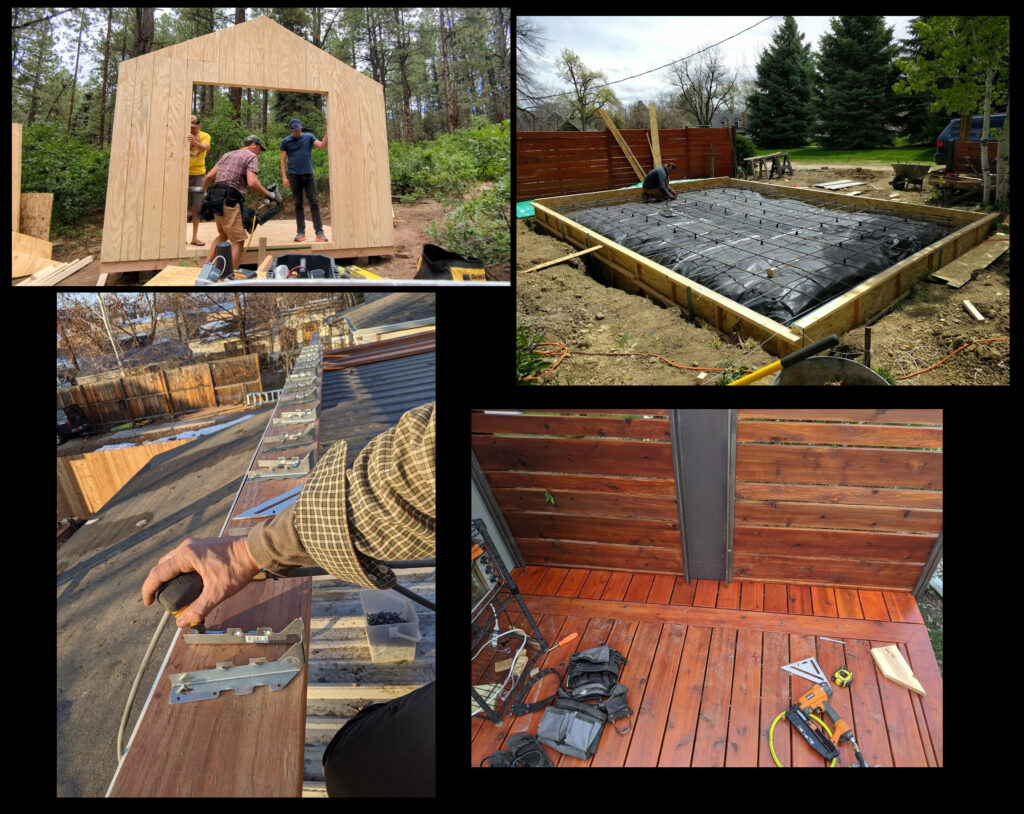
According to industry reports, the average homeowner in the United States spends between 1% and 4% of their home’s value annually on maintenance and repairs. For a median-priced home of approximately $400,000, this can amount to $4,000 to $16,000 per year. By personally undertaking these tasks, Adeney estimates an average saving of $20,000 per year. Applying the "rule of 172," this translates to a remarkable $287,000 per decade in wealth preservation and growth. This practice not only saves money but also builds valuable skills and fosters a deeper connection to one’s living environment.
2. Leveraging Community and Secondhand Markets: The Social Economy
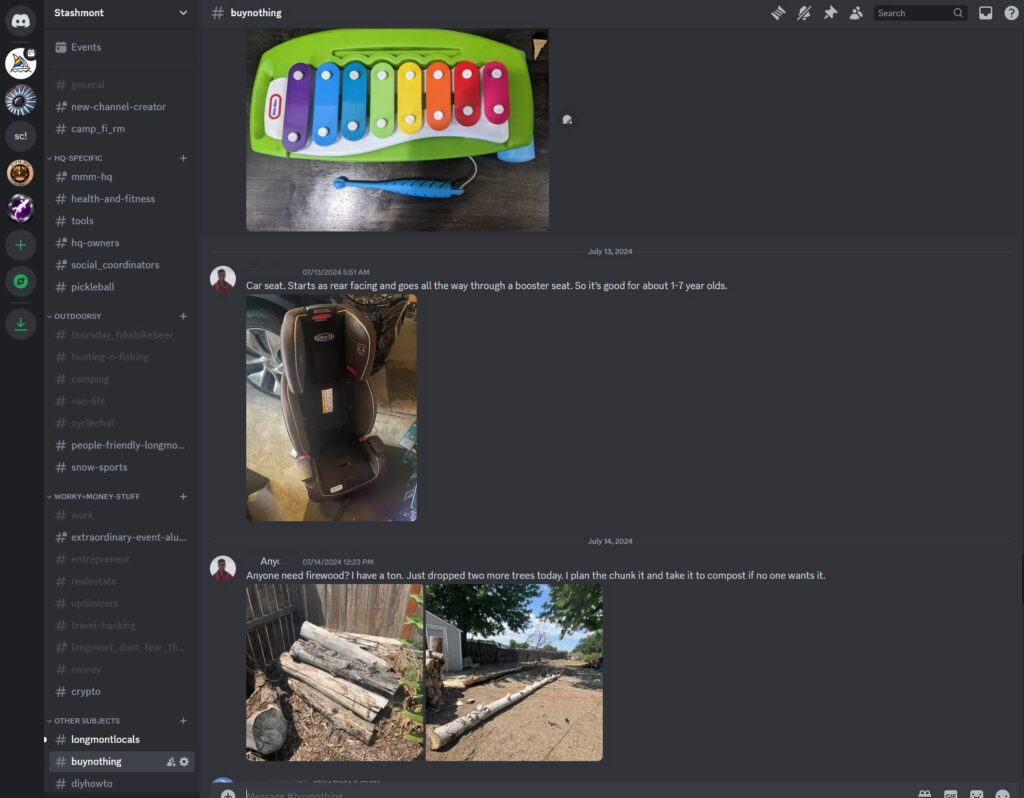
Adeney highlights the significant financial and social benefits of engaging with secondhand markets and community networks. While acknowledging the convenience of purchasing new, high-quality items online, he emphasizes the superior value derived from sharing, repurposing, and acquiring pre-owned goods. Platforms like Craigslist, Facebook Marketplace, and local "Buy Nothing" groups facilitate these exchanges.
Within his own community, the MMM-HQ Discord server, comprising about 200 local individuals, serves as a vibrant hub for sharing resources, offering DIY advice, and facilitating the exchange of goods. This not only saves money but also strengthens community bonds and fosters new friendships. The shift away from constant new purchases contributes to a more sustainable, circular economy, reducing waste and overconsumption. Adeney estimates his personal savings from this habit at approximately $250 per month, compounding to roughly $42,000 per decade. This illustrates the potent combination of frugality and social capital.
3. Active Transportation: The Enduring Power of Bikes Over Cars
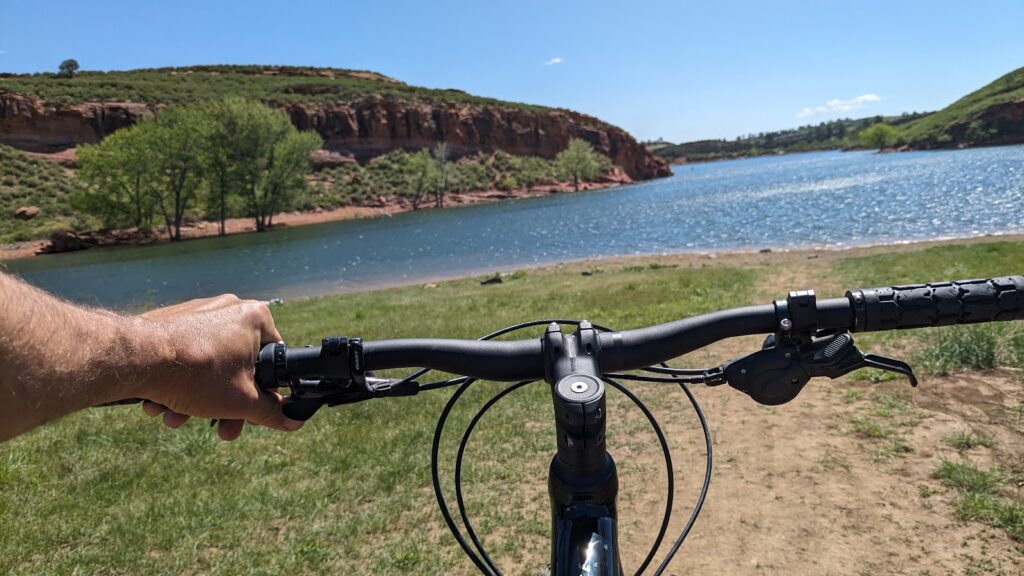
A cornerstone of Mr. Money Mustache’s philosophy has always been the advocacy for active transportation, particularly cycling. He reiterates his long-held belief that bikes are a superior mode of transport compared to cars, citing the comprehensive analysis from his influential 2011 article, "The True Cost of Commuting." This article meticulously broke down the expenses associated with car ownership, revealing an operating cost of at least 50 cents per mile, primarily driven by depreciation, insurance, and maintenance, which often eclipse fuel costs.
Despite his financial independence, Adeney continues to use bikes or walking for at least 95% of his local trips. Living in the center of a small city facilitates this, amounting to approximately 2,000 miles of active travel annually. While this may seem modest in terms of mileage, the cumulative savings are significant. The average annual cost of owning and operating a new vehicle in the U.S. can exceed $12,000, according to AAA. By largely opting out of this system for local travel, Adeney calculates a saving of approximately $800 per month, totaling $14,000 per decade. Beyond the monetary savings, active transportation offers profound benefits for physical and mental health, reducing stress and increasing daily physical activity.
4. Prioritizing Physical Effort: Muscle Over Motor for Health and Wealth
Adeney embraces physical exertion in his daily life, consistently choosing opportunities to make his body work harder. This includes taking stairs instead of elevators, running golf courses instead of using carts, moving his own furniture, and performing manual tasks like shoveling snow and raking leaves rather than employing machines or professional services. His rationale is simple: "Do you want MORE health and fitness, or LESS?" This perspective frames physical effort not as a chore, but as an investment in well-being.
The financial implications of this choice are substantial, albeit difficult to quantify precisely. The average annual healthcare spending per person in the U.S. is approximately $13,000. By maintaining a high level of physical activity and self-care, Adeney reports negligible lifetime costs due to illness or medication, coupled with enhanced energy and productivity. Conservatively estimating the combined savings and benefits at $10,000 per year, this translates to an impressive $140,000 per decade. This highlights the profound link between physical activity, preventive health, and long-term financial stability, contrasting sharply with the rising costs of a sedentary lifestyle and reactive healthcare.
5. Home as an "Energy Efficiency Playground": The Glamping Retreat Principle
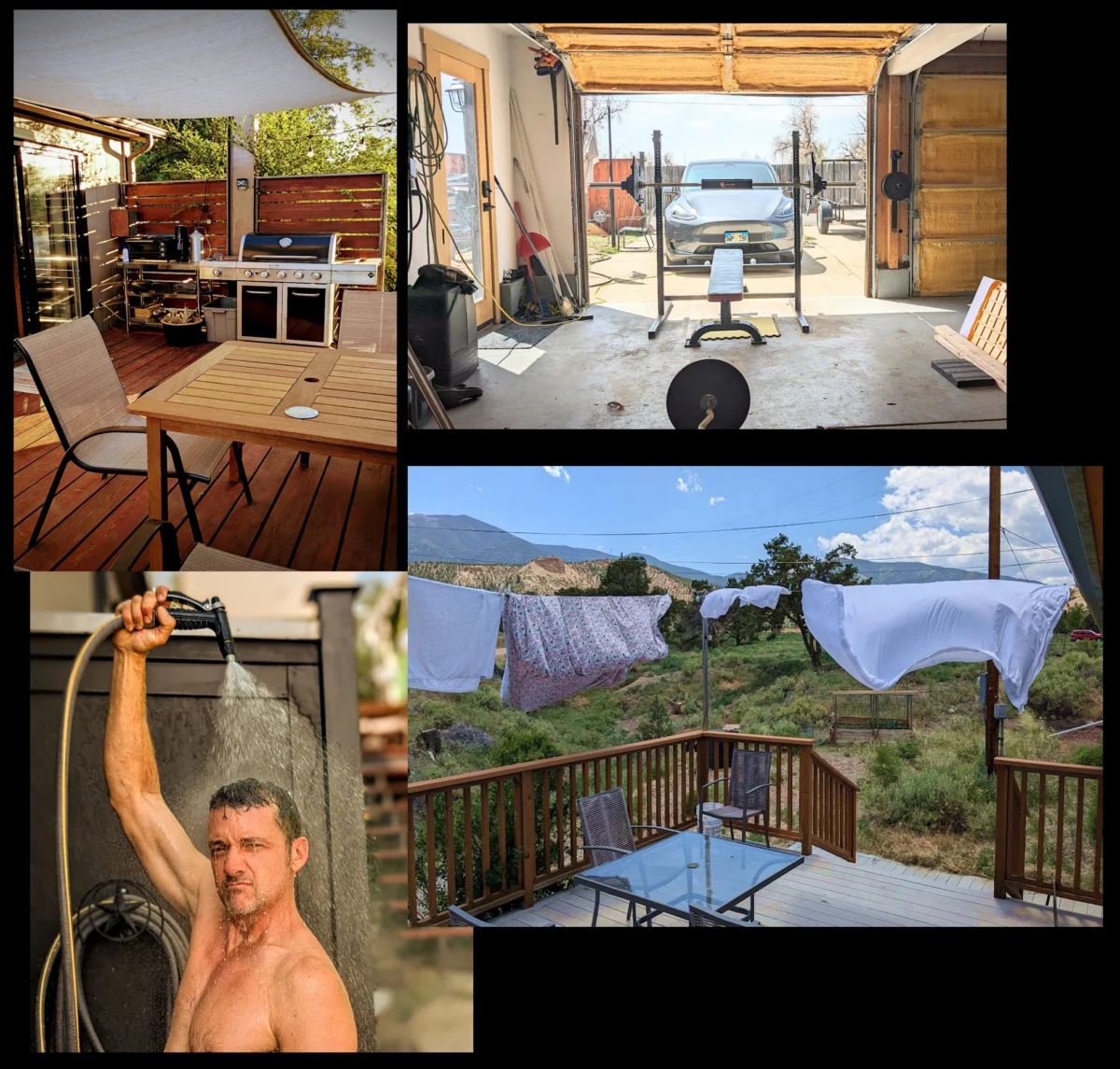
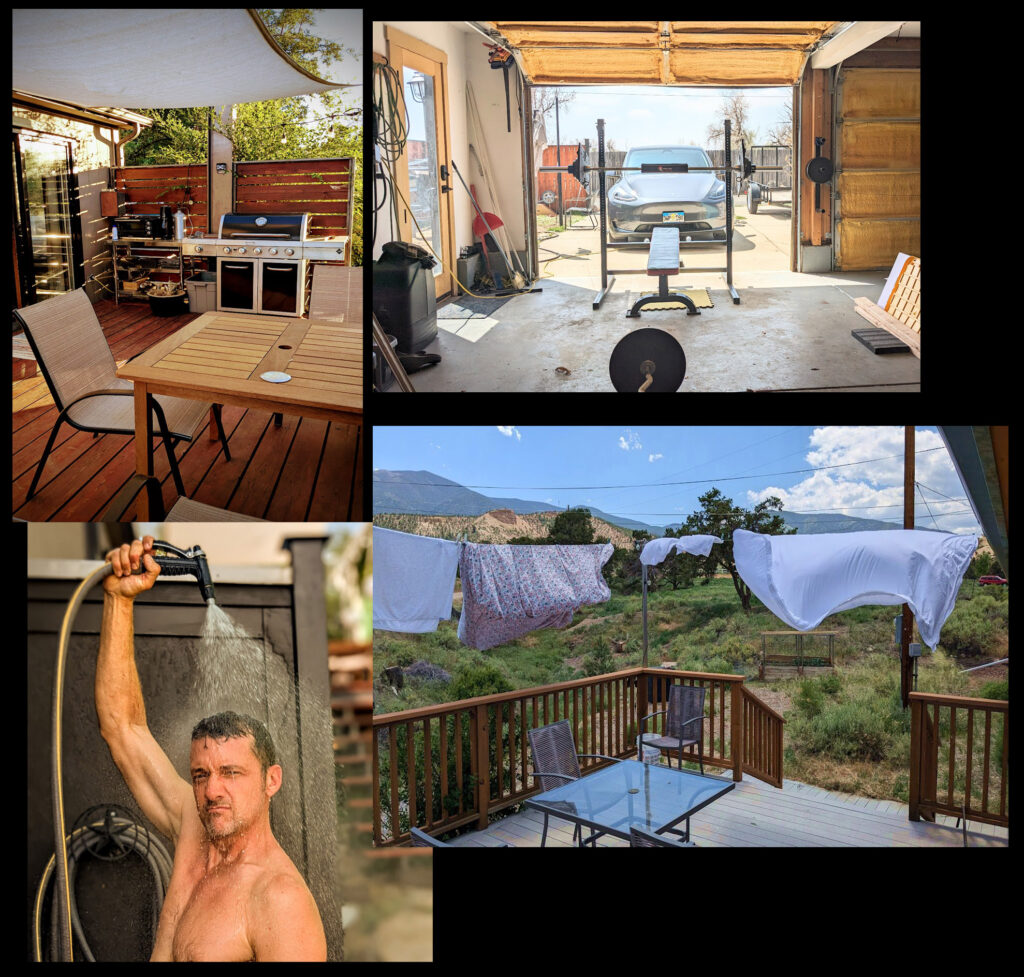
This section reveals a more idiosyncratic, yet deeply satisfying, aspect of Adeney’s frugal lifestyle: running his home like a "glamping retreat." Combining elements of an engineer, carpenter, artist, and mad scientist, he finds immense joy in experimenting with and improving his living space for energy efficiency. Examples include installing passive solar features like sliding doors and large windows to harness free winter heat, and embracing seasonal living through practices like outdoor cooking, showering, and line-drying laundry.

While these individual efforts might appear minor, their collective impact on utility bills is notable. The average combined gas and electric bill in his area is around $250 per month, whereas his usage amounts to approximately $75. This difference of $175 per month, compounded over a decade, results in an estimated $30,000 in savings. For Adeney, however, the financial savings are secondary to the enjoyment and satisfaction derived from living in what he affectionately calls "MMM’s Energy Efficiency Playground." This approach aligns with a broader movement towards sustainable living, minimizing environmental footprint while maximizing personal comfort and resourcefulness.
6. Local Living Over Constant Travel: The Value of Home
In an era where constant travel is often romanticized and seen as a hallmark of success or a necessary part of a fulfilling life, Adeney advocates for prioritizing local living. He observes many friends feeling compelled to travel extensively, often wishing they could spend more precious time at home. His approach involves consciously saying "no thanks" to excessive travel plans and "yes please" to opportunities that allow him to remain in his local environment.
The benefits of this choice are multifaceted: it strengthens local friendships, provides opportunities for community engagement, reduces stress associated with travel logistics, minimizes environmental impact, and promotes a deeper appreciation for one’s immediate surroundings. Financially, the impact is significant. Replacing just two weeks of travel for a family of four with equivalent time at home can save an estimated $5,000 per year in direct costs (flights, accommodation, activities, dining out). Furthermore, incidental benefits such as improved health and stronger local community ties could add another $5,000 annually. Cumulatively, this strategy could lead to a staggering $143,000 per decade in wealth accumulation. While acknowledging the value of enriching travel experiences, Adeney emphasizes the importance of balance and discernment, advocating for a thoughtful integration of home life and carefully chosen excursions.
Cumulative Impact and Broader Implications:
When aggregating the estimated savings from these six habits, Mr. Money Mustache identifies a remarkable potential wealth increase of $656,000 every decade. This figure dramatically surpasses the median wealth accumulated by many American seniors as they approach retirement, often after over 40 years in the workforce. Adeney asserts that over $656,000 of his own recent wealth increases are directly attributable to these consistent habits, practiced both before and after his early retirement.
This analysis underscores a critical tenet of Mustachianism: significant financial independence is often achievable not through extreme deprivation, but through subtle yet consistent tweaks to one’s lifestyle, making it slightly more efficient and less consumer-driven than the average. His experience provides compelling evidence that a life rich in experiences, community, and personal well-being does not necessitate lavish spending but can be cultivated through deliberate, joyful frugality.
The enduring relevance of Mr. Money Mustache’s message, even as his personal wealth grows, lies in its emphasis on intrinsic motivation and the pursuit of a life well-lived rather than a life simply accumulated. His ongoing practices serve as a powerful counter-narrative to the notion that financial success inevitably leads to detachment from prudent habits, suggesting instead that for many, frugality itself is a deeply satisfying and sustainable way of life.

