
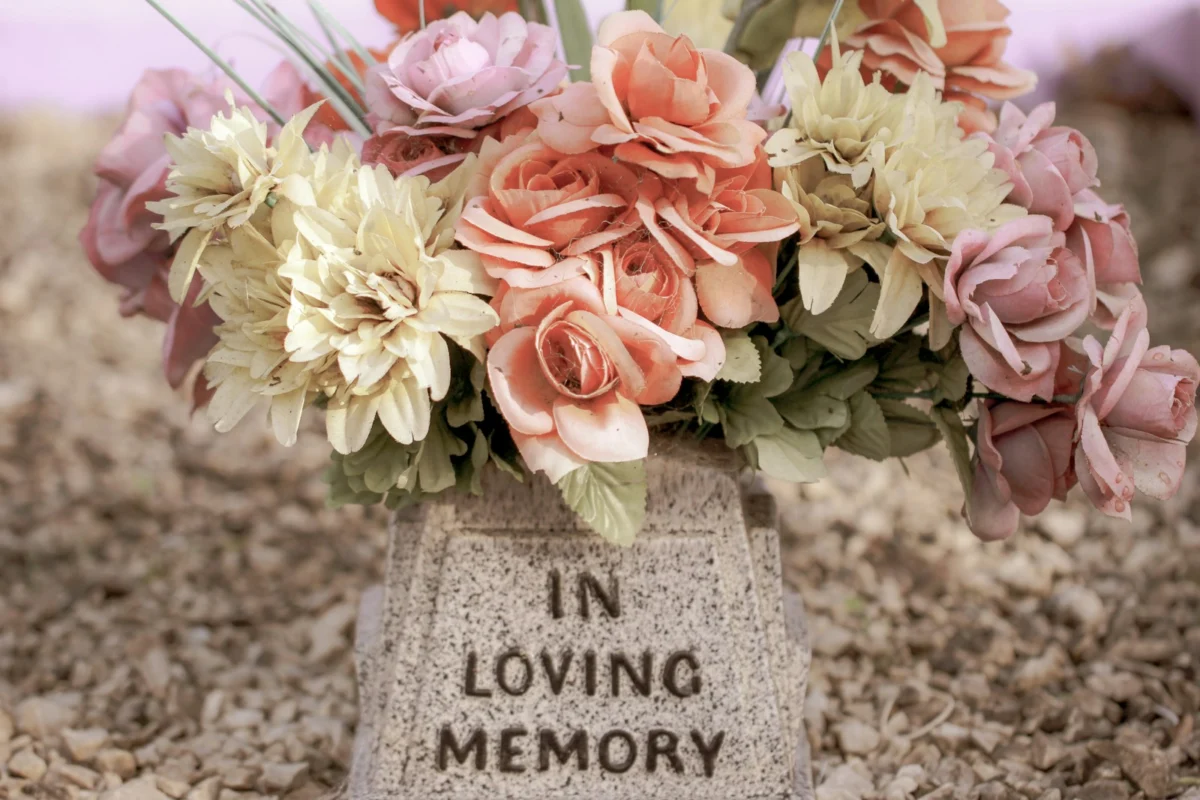
The universal human desire to honor and remember those who have departed is a fundamental aspect of the grieving process, shaping cultural practices across civilizations. Traditionally, this imperative has often manifested in grand gestures: elaborate funerals, ornate headstones, and imposing monuments designed to stand the test of time. While these conventional forms of memorialization hold deep significance for many, a notable shift is occurring in how individuals and families choose to commemorate their loved ones. Increasingly, there is a movement towards more personalized, intimate, and often more affordable tributes that prioritize genuine connection and reflection over ostentatious display. This evolution is driven by a confluence of economic realities, changing cultural attitudes, and a deeper understanding of the psychological benefits of personalized grief work.
The Evolving Landscape of Memorialization: A Societal Shift
Historically, memorial practices have been deeply intertwined with religious beliefs, societal status, and communal norms. From ancient Egyptian pyramids to medieval church crypts and the sprawling cemeteries of the Victorian era, the scale and design of memorials often reflected the deceased’s standing or the family’s wealth. The 20th century saw the establishment of standardized funeral services and burial plots as the predominant model in many Western societies. However, the dawn of the 21st century has ushered in a period of significant reevaluation regarding end-of-life customs.
Contemporary trends indicate a growing preference for cremation over traditional burial. Data from the Cremation Association of North America (CANA) shows that the cremation rate in the U.S. surpassed 50% in 2016 and is projected to reach nearly 80% by 2040. This shift is not merely logistical; it opens up a broader spectrum of possibilities for memorialization beyond a gravesite. With cremated remains, families gain flexibility to scatter ashes in meaningful locations, inter them in columbariums, or retain a portion in keepsakes, fostering a more direct and personal connection to the departed. This departure from conventional burial often coincides with a desire for memorials that uniquely reflect the individual’s life, passions, and personality, rather than a generic template.
Economic Realities and the Quest for Alternatives
A significant factor driving the exploration of alternative memorial options is the escalating cost associated with traditional funeral and burial services. According to the National Funeral Directors Association (NFDA), the median cost of a funeral with a viewing and burial in 2021 was approximately $7,848, excluding cemetery costs such as the plot, grave marker, and opening/closing fees, which can add several thousands more. When these additional expenses are factored in, a traditional funeral can easily exceed $10,000 to $15,000, placing a considerable financial burden on grieving families.
In contrast, the median cost for a funeral with cremation was around $6,971, also in 2021, and direct cremation services, which forego embalming and viewing, can be considerably less expensive, sometimes under $2,000. This financial disparity makes cremation and subsequent personalized memorialization a more accessible option for many. As economic pressures persist, families are increasingly seeking meaningful ways to honor their loved ones that align with their financial capabilities, leading them away from the "elaborate or expensive" memorials that were once the default expectation.
Psychological Dimensions of Personalized Grief
Beyond the practical considerations, the psychological benefits of personalized memorialization are increasingly recognized by grief counselors and mental health professionals. The act of creating a unique tribute can be a profoundly therapeutic component of the grieving process. It provides a tangible outlet for emotions, allows survivors to feel a sense of agency during a time of immense loss, and helps to maintain a continuing bond with the deceased.
Dr. Sarah Johnson, a psychologist specializing in bereavement, notes, "Engaging in creative or personalized memorialization allows individuals to actively participate in their grief journey. It shifts the focus from passive mourning to an active expression of love and remembrance, which can be incredibly healing. These personalized tributes serve as ‘transitional objects’ that help bridge the gap between presence and absence, offering comfort and a sense of enduring connection." The sentiment expressed by Susan Fraser from In The Light Urns, that "A memorial doesn’t have to be elaborate or expensive to be meaningful," underscores this psychological truth: the emotional value is derived from personal connection, not monetary investment.
Crafting Tangible Legacies: Personal Keepsakes
One of the most direct and intimate ways to preserve a loved one’s memory affordably is through personal keepsakes. These tangible items serve as daily reminders, offering comfort and a sense of enduring presence. The market for memorial keepsakes has diversified significantly, reflecting a wide range of personal tastes and needs.
- Keepsake Urns and Memorial Jewelry: Small keepsake urns are a popular choice for holding a portion of cremated remains, especially when multiple family members wish to have a physical remembrance. These can range from miniature versions of larger urns to intricately designed pendants, rings, or charms that discreetly carry a small amount of ashes. Customization options abound, allowing families to select designs that reflect the individual’s interests, hobbies, favorite colors, or spiritual beliefs. For instance, an urn might be shaped like a fishing lure for an avid angler or feature a delicate floral pattern for a gardener. Similarly, memorial jewelry can be engraved with names, dates, or meaningful quotes, or even incorporate lab-created diamonds made from a small sample of ashes or hair.
- Textile Memorials: Items of clothing, especially those with sentimental value, can be transformed into new keepsakes. A beloved shirt can become a memory pillow, a quilt square, or a teddy bear, offering a soft, tangible item to hold. This process not only recycles a cherished item but also infuses it with new meaning through the act of creation.
- Personalized Objects: Beyond items specifically designed for remains, almost any object can be personalized to become a memorial. This could include engraved music boxes, custom-printed mugs featuring a favorite photo, or even a personalized garden stone. The key lies in selecting an item that held significance for the deceased or for the relationship shared, and then adding a personal touch that makes it uniquely commemorative. The ability to carry or keep these items close by in one’s home provides continuous comfort and a quiet space for remembrance.
Preserving Narratives: Photos, Stories, and Digital Archives
The legacy of a loved one is not merely in their physical remains but profoundly in their stories, memories, and the impact they had on others. Preserving these narratives offers a rich, intergenerational way to keep their memory alive.
- Memory Boxes and Scrapbooks: A traditional yet enduring method involves creating physical repositories of memories. A sturdy box filled with photographs, letters, cards, small trinkets, and handwritten notes can become a treasure trove. The process of curating these items into a scrapbook can be a meditative and healing activity, allowing for reflection on shared moments. Scrapbooks allow for creative expression, incorporating ephemera, quotes, and personal annotations alongside visual memories.
- Oral Histories and Memory Jars: Collecting anecdotes and personal reflections from friends and family members is a powerful way to capture the essence of a loved one’s personality. Relatives can be asked to write down their favorite memories, funny stories, or significant interactions. These notes can be gathered in a "memory jar" to be read aloud on special occasions like birthdays, anniversaries, or family gatherings, transforming grief into shared celebration. Alternatively, recording these testimonials as audio or video clips creates a living archive, allowing future generations to hear the voices and see the faces of those who knew the departed best.
- Digital Memorials and Archiving: In the digital age, online platforms offer new avenues for preserving legacies. Websites dedicated to a loved one, social media memorial pages, or shared digital photo albums allow for the collective contribution of memories from a wider community. These platforms can host vast collections of photos, videos, and written tributes, creating a dynamic, accessible, and often permanent record of a life. Digital archiving also provides a secure backup for precious family photos and documents, ensuring their survival for future generations.
Sanctuaries of Remembrance: Home Memorial Spaces
Creating a dedicated memorial space within one’s home offers a private, accessible sanctuary for reflection and remembrance. This doesn’t require elaborate construction or significant expense; it’s about designating an area that feels sacred and comforting.
- Personalized Altars or Shelves: A simple shelf, a corner table, or a portion of a bookcase can be transformed into a personal memorial. The arrangement typically starts with a cherished photograph of the loved one. Around this central image, items that held personal significance can be placed: a favorite book, a small piece of artwork, a collected stone, a candle, or fresh flowers. The design should reflect the individual’s personality and the nature of the relationship.
- Seasonal and Evolving Displays: These home memorials can evolve with time, reflecting the changing seasons, holidays, or personal stages of grief. For example, during autumn, the space might feature warm-toned leaves and gourds, while in winter, it could be adorned with festive lights or evergreen branches. This dynamism keeps the space fresh and allows for ongoing engagement with the act of remembrance, preventing it from becoming static or forgotten. The mere presence of such a space can provide a quiet moment for contemplation amidst daily life, offering solace and connection without requiring a journey to a distant gravesite.
The Art of Remembrance: Handmade Tributes
For those with a creative inclination, crafting a handmade memorial item can be a deeply personal and therapeutic endeavor. The act of making, imbued with intention and love, transforms raw materials into meaningful symbols of remembrance.
- Memory Quilts and Patches: As mentioned earlier, clothing can be repurposed. Beyond full quilts, smaller patches from favorite garments can be sewn onto blankets, bags, or framed as standalone art pieces.
- Painted Memorial Stones or Plaques: Simple garden stones can be painted with a loved one’s name, dates, a meaningful quote, or symbols that represented them. These can be placed in a home garden, a favorite outdoor spot, or as part of an indoor memorial display. The beauty lies in their simplicity and the personal touch of the artist.
- Personalized Artwork and Crafts: A loved one’s handwriting can be digitized and incorporated into a framed print. Their favorite colors can inspire a piece of pottery or a painting. Even a simple frame, painted in their preferred hues and holding a significant photo, becomes a unique piece of art. The perfection of the craft is less important than the sincerity of the effort and the personal meaning it holds for the creator and those who view it. This hands-on engagement with memory can be a powerful way to process grief and celebrate a life.
Enduring Rituals: Establishing Meaningful Traditions
Beyond physical objects, establishing new traditions in honor of a loved one provides an ongoing, active form of remembrance that can involve wider family and friends. Rituals create continuity and can transform difficult days into opportunities for collective memory.
- Commemorative Meals: Cooking a loved one’s favorite meal on their birthday, an anniversary, or a significant holiday is a simple yet profound way to celebrate their life. Sharing this meal with family and friends can evoke powerful memories, facilitate storytelling, and create a warm, communal atmosphere of remembrance.
- Charitable Giving and Volunteerism: Donating to a cause that was important to the deceased, or volunteering time in their name, extends their legacy through acts of kindness and community service. This could be an annual donation to an animal shelter, supporting a specific disease research fund, or participating in a park clean-up if they loved nature. This type of tradition transforms grief into altruism, making a positive impact in the world in their honor.
- Nature-Based Tributes: Visiting a favorite park, beach, hiking trail, or planting a tree or garden in their memory are traditions that connect remembrance with the natural world. A memorial tree or garden provides a living, growing tribute that can be visited and nurtured over the years, symbolizing continued life and growth.
- Shared Experiences: Engaging in an activity that the loved one enjoyed, such as attending a specific sporting event, watching a particular movie, or listening to their favorite music, can become a cherished annual tradition. These shared experiences allow for a collective memory-making process, strengthening bonds among the living while honoring the departed. Simple, repeatable traditions are inclusive and can easily involve others, reinforcing the communal aspect of remembrance.
The Broader Impact: Community, Environment, and Authenticity
The shift towards personalized and affordable memorialization has broader implications for how society processes grief and celebrates lives. It fosters a more inclusive approach, ensuring that meaningful tributes are accessible regardless of economic status. It also encourages creativity and authenticity, moving away from a one-size-fits-all model towards expressions that truly reflect the uniqueness of each individual.
Furthermore, some of these alternative practices align with growing environmental consciousness. Options like planting memorial trees, choosing biodegradable urns, or scattering ashes in designated natural areas offer more eco-friendly alternatives to traditional embalming and casket burials, which have a significant environmental footprint. This convergence of personal meaning, affordability, and ecological responsibility marks a significant evolution in memorialization practices.
In conclusion, the contemporary landscape of remembrance is characterized by a vibrant and diverse array of options that extend far beyond traditional monuments. Whether through intimate keepsakes, shared stories, dedicated home spaces, handcrafted items, or enduring traditions, the most powerful memorials are those that genuinely reflect the personality and interests of the departed. These creative and affordable tributes underscore a fundamental truth: the depth of remembrance is measured not by financial outlay, but by the sincerity of connection, the resonance of personal meaning, and the enduring love that continues to bind us to those we have lost.

