
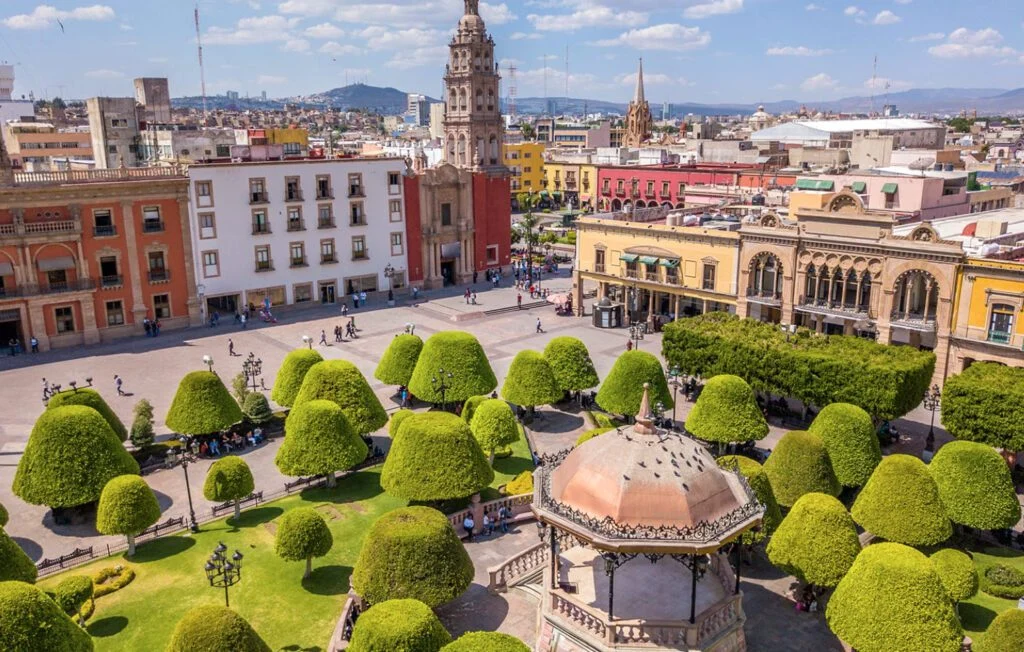
The allure of retirement often sparks a desire for change, and for many, this means considering a life beyond their native borders. Anne Nicolai, a seasoned writer and former corporate professional, embarked on this very journey in 2008, trading her Minnesota home for the vibrant culture and sunshine of San Miguel de Allende, Mexico. Nicolai, now a part-time freelancer and karaoke host, shares five profound lessons learned from her experience as an expatriate, offering valuable insights for those contemplating a similar retirement path.
Embracing the Unseen Potential: The Power of Self-Discovery
Nicolai’s first crucial lesson centers on an individual’s untapped capacity for growth and adaptation. "You are capable of more than you give yourself credit for," she asserts, reflecting on her initial challenges in Mexico. Fourteen years ago, she grappled with basic Spanish phrases, struggled with currency conversions, and felt a pang of longing for the dance floor. Today, she is a fluent Spanish speaker, a confident karaoke performer, and has seamlessly transitioned her financial thinking to the local currency, pesos. This personal evolution underscores the transformative power of stepping outside one’s comfort zone.
The process of establishing residency in a foreign country often involves navigating complex bureaucratic systems. Nicolai’s journey to obtaining permanent residency in Mexico, which included three renewals of her temporary visa and a demanding nine visits to the immigration bureau, serves as a testament to her resilience and problem-solving skills. Furthermore, her repeated solo road trips between San Miguel de Allende and Minneapolis, a journey spanning thousands of miles and fraught with potential challenges like getting lost or encountering minor extortion attempts, have significantly broadened her horizons and bolstered her self-assurance. These experiences, while initially daunting, have become sources of pride, demonstrating a profound expansion of her capabilities.
Navigating New Horizons: The Strategic Advantage of Community and Security
Relocating to a different country inherently necessitates a heightened awareness of safety and security protocols. Nicolai highlights the common precautionary measures observed in Mexico, such as decorative ironwork on windows and doors and the integration of broken glass or razor wire into garden walls to deter break-ins. The vigilance required, such as never leaving personal electronics unattended in a vehicle, underscores the necessity of adapting to local security norms.
However, Nicolai’s second key lesson emphasizes the significant advantage of settling in an area with a substantial expatriate community. "There is safety in numbers," she states, pointing out that these communities often develop their own security infrastructures and foster relationships with local authorities. In San Miguel de Allende, for instance, English-speaking emergency responders and a dedicated hotline to the American consular agency provide an additional layer of support. The established presence of expatriates also leads to increased English proficiency among locals, facilitating communication and integration. While Nicolai has chosen to live in a predominantly Spanish-speaking neighborhood, she acknowledges the spectrum of housing options available, from gated communities to mixed-habitation areas, all of which can offer varying degrees of comfort and security. The core of her observation lies in the inherent safety found in well-established community ties, where neighbors are familiar and supportive, ready to offer assistance in times of need.
The Digital Bridge: Sustaining Connections in a Globalized World
In an increasingly interconnected world, technology plays a pivotal role in maintaining connections, regardless of geographical distance. Nicolai’s third lesson underscores the ubiquitous nature of high-speed internet and affordable mobile services, which facilitate constant communication with loved ones back home. Applications like WhatsApp, Duo, and FaceTime enable free voice and video calls, allowing expatriates to remain an integral part of family milestones, such as birthdays and holidays, even from afar. The advent of virtual healthcare options further streamlines access to medical and therapeutic services, removing a significant barrier to international relocation.
Moreover, technology simplifies financial management for expatriates. Direct deposit of Social Security benefits into foreign bank accounts, often in either dollars or local currency, eases the transition and ensures financial continuity. Beyond personal connections, technology serves as a vital tool for engaging with the new community. Online platforms and expat forums in San Miguel de Allende provide a wealth of information, ranging from local events and social gatherings to practical advice on everything from garage sales to crime alerts. Navigational tools like Google Maps and Waze, when paired with reliable internet access, empower individuals to explore their surroundings with confidence, locating essential services and points of interest with ease. This digital infrastructure ensures that the world, in many respects, remains at one’s fingertips, bridging geographical divides and fostering a sense of belonging.
Cultural Immersion: A Catalyst for Personal Transformation
Nicolai’s fourth and perhaps most profound lesson is the transformative power of immersion in a different culture. Her initial motivations for moving to Mexico stemmed from a desire for more sunshine, vibrant colors, ethnic diversity, and the intellectual stimulation of learning a new language. As a self-described "Type A" personality, accustomed to the consumerist lifestyle of her former life in the United States, she found herself embracing a new set of values.
After 14 years in Mexico, Nicolai has cultivated a deeper appreciation for patience, humility, and simplicity. Her consumption habits have shifted dramatically; she now primarily purchases food and music, finding little need for material possessions. Her wardrobe, largely unchanged since her move, remains functional due to a lifestyle that encourages more walking, dancing, and healthier eating – a common thread among expatriates worldwide, as observed by Nicolai through her global network of friends. This cultural immersion has fostered a more mindful and less materialistic existence, demonstrating that a richer life is not always measured by possessions but by experiences and personal growth. This shift in perspective is a significant outcome of embracing a new cultural landscape, encouraging a re-evaluation of priorities and a deeper connection with oneself and the world.
The Open Door: The Freedom to Return
Nicolai’s final, yet crucial, lesson is the inherent flexibility and freedom associated with the expat experience: "You can always go home." She acknowledges that while many expatriates, like herself, find a permanent sense of belonging in their adopted countries, others may choose to return to their native lands for various reasons, including health concerns or a desire to be closer to family. The decision to retire abroad is not a one-way street; it is a fluid process that allows for adjustments and re-evaluations.
The experiences of long-term expatriates, some residing in Mexico for over three decades, alongside those who have relocated to diverse destinations like Thailand, New Zealand, or Portugal, illustrate the spectrum of choices available. Nicolai emphasizes that there is no universally "right" or "wrong" way to retire, nor is there a perfect time or place. Retirement abroad is presented as an experiment, a journey of trial and error rather than a definitive success or failure. For Nicolai, Mexico is now home, a place where she envisions spending her final years. However, she maintains the freedom to relocate should her desires or circumstances change. This perspective liberates potential expatriates from the fear of making an irreversible decision, highlighting the adaptability and personal agency inherent in planning one’s retirement journey. The support of friends and family who visit her in Mexico, coupled with her own sense of adventure, underscores the enduring bonds and the continuous pursuit of new experiences, reinforcing the idea that retirement abroad is a personal odyssey with multiple possible destinations.

