
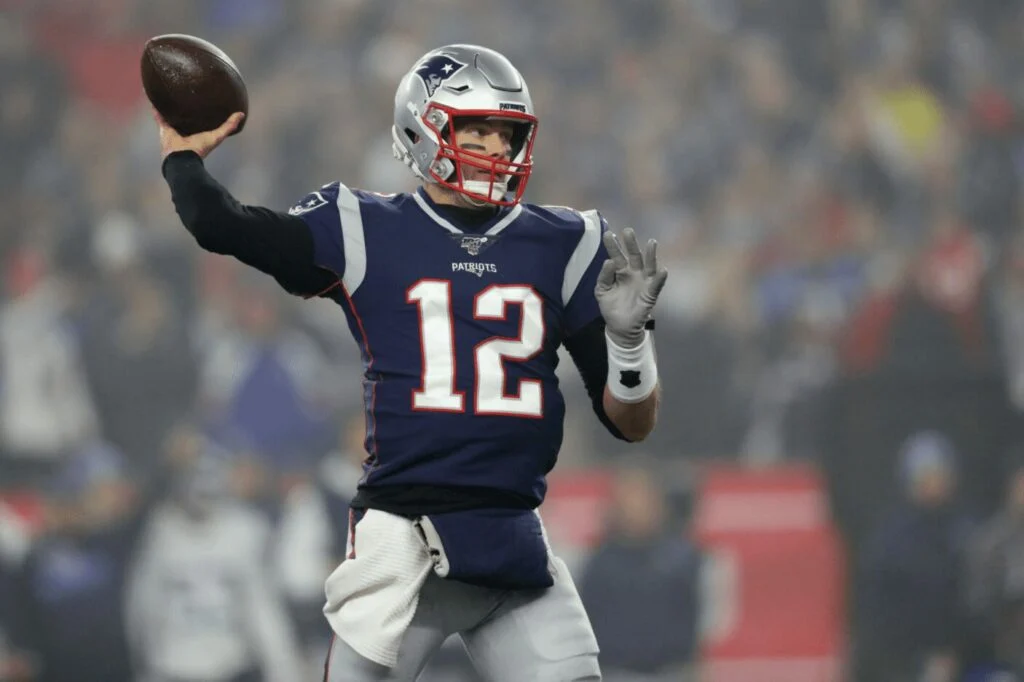
The retirement of any prominent figure offers a unique lens through which to examine broader societal trends and personal aspirations. For Tom Brady, the most decorated quarterback in National Football League history, his decision to step away from the game at the age of 45, after a storied 23-season career, presents a multifaceted case study. While his unparalleled success, immense wealth, and celebrated personal life might seem distant from the realities of most individuals, the underlying principles guiding his departure and subsequent planning offer valuable insights for anyone contemplating career transitions, particularly retirement. This analysis delves into the strategic considerations and personal philosophies that informed Brady’s retirement, drawing parallels to universal human experiences and offering actionable takeaways for navigating life’s next chapters.
The Unprecedented Career Trajectory of Tom Brady
Tom Brady’s NFL career, spanning from his selection as the 199th overall pick in the 2000 NFL Draft to his final retirement announcement in February 2023, is a narrative of sustained excellence and remarkable longevity. His journey began with the New England Patriots, a team he led to six Super Bowl championships over two decades. Following the 2019 season, he moved to the Tampa Bay Buccaneers, where he secured a seventh Super Bowl title in his first season with the team. This achievement alone cemented his status as an outlier, but his continued high-level performance well into his forties further distinguished him.
Brady’s consistent ability to perform at an elite level, even as younger, more athletic quarterbacks emerged, was a testament to his meticulous preparation, physical conditioning, and unparalleled mental fortitude. He consistently defied the typical career arc of an NFL quarterback, which often sees a significant decline in performance after the age of 35. His commitment to his craft extended beyond the field, encompassing a holistic approach to health, wellness, and recovery, which he actively promoted through various business ventures.
Navigating the "When": The Art of Knowing When to Transition
Brady’s decision to retire, while ultimately culminating in his second and final announcement in February 2023, was preceded by a period of considerable speculation. He had openly expressed a desire to play until at least age 45, a goal he ultimately fell just short of achieving in his final season. However, the timing of his retirement was not solely dictated by a specific numerical target. It was influenced by a confluence of factors, including his physical well-being, his family’s needs, and his own evolving priorities.
1. Recognizing the Tipping Point: The ability to discern the right moment to transition from a demanding career is a critical skill, applicable far beyond professional sports. For Brady, despite leading the league in passing yards (4,694) and ranking among MVP candidates in his final season, the decision to step away suggests an internal assessment that the demands of the game were beginning to outweigh his capacity or desire to meet them at his own exacting standards. This internal barometer, rather than an external deadline, is often the most accurate indicator.
Supporting Data: Research consistently shows that a significant portion of individuals do not retire by choice. A 2021 report by the Center for Retirement Research at Boston College indicated that approximately 48% of individuals aged 65 and older were still in the workforce. This highlights the importance of proactively evaluating one’s readiness for retirement, both physically and mentally, to avoid being forced into a transition due to unforeseen circumstances, such as job loss or health issues.
2. The Strategic Advantage of "Going Out on Top": Brady’s consistent performance in his final years, especially his statistical dominance, allowed him to depart the game on his own terms, at the pinnacle of his profession. This contrasts sharply with athletes or professionals who prolong their careers beyond their peak, potentially tarnishing their legacy. The concept of "going out on top" is not about avoiding decline but about strategically choosing to end a chapter when one’s contributions are still highly valued and impactful.
Analysis: This principle extends to any profession. Individuals who plan their exit while still performing at a high level often retain greater control over their post-career opportunities, maintain stronger professional relationships, and experience a more positive transition. It allows for a graceful exit, preserving reputation and opening doors for future endeavors.
Building the "Next Act": Proactive Planning for Post-Career Life
Brady’s retirement was not an abrupt cessation of activity but a carefully orchestrated transition into a multi-faceted post-playing career. Years before his final retirement, he had begun laying the groundwork for his "next act" by establishing and expanding various business interests. These included TB12, a health and wellness company focused on performance and recovery, and Religion of Sports, a media production company.
3. Cultivating Future Ventures While Still Engaged: The foresight to develop parallel interests and businesses during one’s primary career is a cornerstone of successful retirement planning. Brady’s ventures were not mere hobbies but strategic investments that leveraged his personal brand and expertise. This approach offers a powerful model for individuals seeking to maintain purpose, financial security, and engagement after leaving full-time employment.
Data and Context: The rise of the "gig economy" and the increasing prevalence of entrepreneurship among older adults underscore the feasibility and appeal of diversified post-career engagement. AARP’s 2023 report on the future of work noted that nearly 40% of workers aged 50 and older are considering or already participating in contingent work or self-employment. This trend suggests a growing recognition of the benefits of maintaining an active and purpose-driven lifestyle beyond traditional retirement.
Implication: By building these foundations, Brady ensured that his retirement would not be an end but a redirection. This proactive strategy mitigates the risk of a sudden loss of identity or purpose that can plague individuals who have solely defined themselves by their profession.
The Personal Dimension: Family and Relationships
Beyond the professional and entrepreneurial aspects, personal considerations, particularly those involving family, often play a pivotal role in retirement decisions. While Brady has been famously private about many aspects of his personal life, it is widely understood that family played a significant part in his ultimate decision to retire.
4. Prioritizing Family and Shared Futures: The impact of retirement on family dynamics cannot be overstated. For couples, a shared understanding of retirement goals, timelines, and expectations is crucial for a harmonious transition. Brady’s situation, involving a high-profile marriage and children, likely necessitated extensive discussions and mutual agreement regarding the demands of his career and the future of his family life.
Supporting Data: A survey conducted by Fidelity Investments revealed a significant disconnect in retirement planning between partners. The survey found that 57% of individuals had an inaccurate understanding of when their significant other planned to retire. This highlights the critical need for open and ongoing communication about retirement, ensuring that both partners are aligned and their needs are considered.
Analysis: Ignoring or deferring these crucial conversations can lead to misunderstandings, resentment, and significant disruption. Brady’s decision, if indeed influenced by family considerations, emphasizes that retirement planning is often a collective endeavor, requiring empathy, compromise, and shared vision.
Maintaining Dignity and Professionalism in Transitions
The manner in which individuals depart from their professional roles can have lasting repercussions on their reputation and future relationships. Brady’s retirement announcement, while drawing some criticism for its initial omission of specific acknowledgments, generally reflected an effort to maintain a dignified exit.
5. The Value of Graceful Departures: In any professional transition, the temptation to express dissatisfaction or engage in public criticism can be strong. However, history often shows that individuals who depart with grace, professionalism, and a spirit of gratitude, even when facing challenges, build stronger bridges and foster more positive long-term perceptions. Burning bridges during an exit can severely limit future opportunities and create unnecessary conflict.
Anecdotal Evidence and Implication: The case of the "scorched earth" resignation letter serves as a stark reminder of the detrimental impact of unprofessional exits. While the immediate release of pent-up frustration might offer temporary catharsis, it rarely serves the individual’s long-term interests. Instead, it can lead to professional ostracization and damage future career prospects. Brady’s approach, despite minor critiques, aimed to avoid such pitfalls, focusing on his personal journey rather than public grievances.
The Open Door: The Possibility of Return
The concept of retirement is increasingly fluid, with many individuals choosing to re-enter the workforce or pursue new ventures after an initial period of absence. This phenomenon, often referred to as "unretirement," challenges traditional notions of a definitive end to one’s working life.
6. The "Never Say Never" Principle: Studies have shown a significant percentage of retirees returning to work within a few years, often driven by a desire for purpose, social connection, or cognitive engagement, rather than purely financial necessity. Brady’s own history, including a previous brief retirement followed by a return to the NFL, underscores the idea that "retirement" can be a phase rather than a final destination.
Data and Context: Prior to the COVID-19 pandemic, research from the U.S. and UK indicated that over 20% of retirees unretired within five years. These individuals often cited a lack of fulfillment in retirement or a missed sense of community from the workplace as primary motivators for their return.
Speculative Analysis: While Brady’s February 2023 retirement appeared definitive, the potential for future involvement in football, perhaps in a different capacity or with a different team, remains a subject of speculation, echoing the career trajectory of other legendary figures who have unretired. This possibility highlights the evolving definition of retirement in the modern era, where individuals may redefine their relationship with work throughout their lives.
Conclusion: A Blueprint for Personal and Professional Transitions
Tom Brady’s retirement, viewed through a broader analytical lens, offers a rich tapestry of lessons applicable to individuals from all walks of life. His career demonstrates the power of sustained excellence, the importance of strategic planning for future endeavors, and the often-underestimated significance of personal and familial considerations in major life decisions. By understanding when to transition, planning for the "next act" proactively, prioritizing relationships, maintaining professionalism, and remaining open to evolving possibilities, individuals can navigate their own career transitions with greater confidence, purpose, and ultimately, a more fulfilling future. The enduring legacy of Tom Brady is not just in his on-field achievements, but in the strategic and thoughtful manner with which he has approached the twilight of his professional life, providing a compelling model for us all.

