
The fiercely competitive landscape of China’s automotive market is undergoing a profound transformation, with electric-powered vehicles now unequivocally dictating consumer preferences and market share. As of the first half of 2026, domestic brands have solidified their dominance, challenging established global players and even outpacing fellow new energy vehicle (NEV) pioneers in key segments. Despite the ascendancy of electric mobility, the broader passenger car market experienced a notable contraction, highlighting the intense pressures and strategic shifts defining this pivotal period for the world’s largest auto market. Industry data from Autohome, spanning the six months through July 2026, reveals a dynamic hierarchy where pricing, innovation, and brand appeal are critical differentiators, even as overall sales figures present a more cautious outlook.
The Shifting Sands: A Market in Flux
For decades, China’s automotive sector was characterized by the dominance of joint ventures between global giants and local partners, primarily focusing on internal combustion engine (ICE) vehicles. However, a concerted government push towards electrification, coupled with rapid advancements by domestic manufacturers, has fundamentally altered this structure. Policies promoting NEV adoption, including subsidies, purchase tax exemptions, and preferential license plate allocations, have created a fertile ground for electric vehicle growth. This strategic pivot has not only fostered innovation but also intensified competition to unprecedented levels, leading to frequent price wars and rapid product cycles. The current market snapshot is a testament to this evolution, where nimble domestic players are effectively leveraging their understanding of local consumer needs and their vertically integrated supply chains to capture significant market share.
Geely’s Strategic Ascendancy: A Diverse Portfolio Pays Off
Emerging as a formidable leader, Geely, headquartered in Hangzhou, has clinched the top spot in model-specific sales. Its Xingyuan electric hatchback, priced just under 100,000 yuan ($14,820), became the bestseller among the 10 most popular car models sold in China during the six months through July, with a staggering 197,500 units moved. This success underscores Geely’s astute strategy of offering compelling value in the mass-market EV segment, directly appealing to a broad base of Chinese consumers seeking affordable yet technologically capable electric transportation.
Geely’s achievement is not an isolated incident but rather a reflection of its broader, diversified portfolio. The company, which ranked second by overall China sales volume in 2025, has successfully navigated the transition by continuing to offer popular gasoline-powered models alongside its expanding electric lineup. This dual-pronged approach provides a crucial hedge against market volatility and caters to different consumer segments. Furthermore, Geely’s strategic investments in premium electric brands like Zeekr, which targets a more affluent demographic with advanced features and performance, demonstrate its ambition across the entire spectrum of the NEV market. Its global footprint, encompassing brands like Volvo Cars, Polestar, and Lotus, provides significant technological synergies and scale advantages, allowing it to rapidly integrate innovations and refine manufacturing processes.
"Geely’s success with the Xingyuan is a classic example of hitting the sweet spot in the Chinese market – affordable, functional, and electric," noted Zhang Lei, a senior analyst at AutoInsight Consulting. "Their ability to balance traditional ICE sales with aggressive EV expansion, while also fostering premium electric brands, gives them a robust and resilient market position against pure-play EV competitors." This diversified strategy mitigates risks associated with the intense price wars in the EV sector, allowing Geely to maintain profitability across various segments.
Tesla’s Enduring Appeal: Premium Performance in a Price-Sensitive Arena
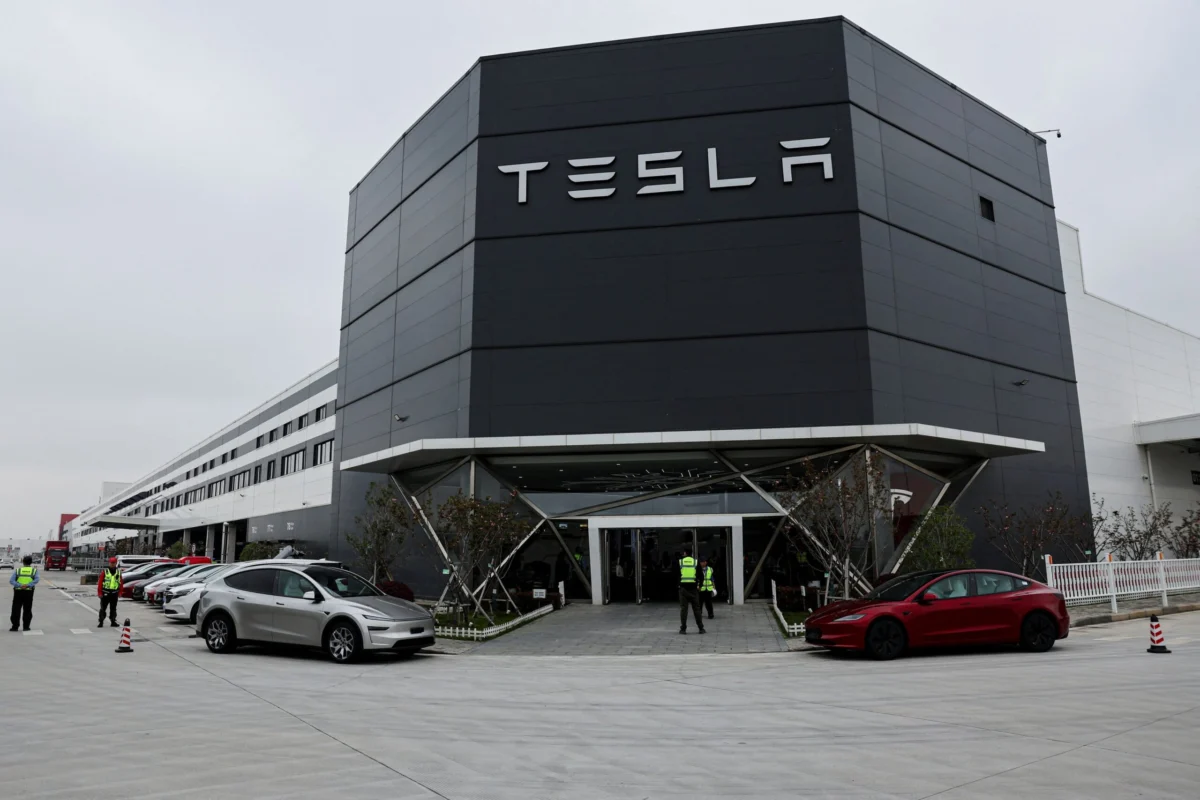
Despite facing fierce competition from a growing array of domestic electric vehicle manufacturers, Tesla has demonstrated remarkable resilience and brand loyalty in China. The company’s Model Y, an electric SUV, secured the second spot in popularity, with over 180,000 units sold during the period. This performance is particularly noteworthy given its significantly higher price tag, ranging from 263,500 yuan to 313,500 yuan. Tesla’s ability to maintain strong sales volumes at a premium price point speaks volumes about its brand perception, technological prowess, and the efficacy of its Supercharger network, which remains a key differentiator for many EV buyers.
The Model Y’s sustained demand allowed it to outsell formidable domestic rivals such as Li Auto’s i6 SUV and Xiaomi’s much-anticipated SU7 sedan. This indicates that a segment of Chinese consumers continues to prioritize Tesla’s established brand, cutting-edge software, and perceived quality, even when more affordably priced, feature-rich alternatives are available. Tesla’s Gigafactory in Shanghai, a cornerstone of its global production strategy, has played a crucial role in localizing manufacturing, streamlining supply chains, and enabling more competitive pricing and faster delivery times within the Chinese market.
"Tesla’s continued strong showing in China is a testament to the power of its brand and its technological lead, particularly in software and charging infrastructure," commented Chen Wei, an automotive industry observer based in Shanghai. "While domestic brands offer incredible value, Tesla still holds a unique appeal for many, positioning itself as a premium, aspirational choice despite increasing competition." The company’s consistent over-the-air software updates and continuous product refinements also contribute to a strong sense of value retention for its owners.
BYD’s Broad Front: Navigating Intensified Competition
BYD, the Shenzhen-based electric vehicle behemoth, presented a complex picture during this period. While three of its models featured among the 10 best-selling cars from February through July, none managed to crack the top four. The most popular BYD model, the modestly priced Yuan UP SUV, secured fifth place with nearly 97,700 units sold. This was followed by the Ti 7, under BYD’s dedicated off-road brand, and its Sealion 06 SUV, in sixth and seventh positions, respectively.
Despite having multiple entries in the top 10, BYD’s overall performance signals a period of intensified competition. The Chinese car giant reported a significant passenger car sales drop of more than 10% in the first half of the year, a stark contrast to its rapid expansion in previous periods. This decline suggests that even a market leader like BYD, known for its vertical integration, innovative Blade Battery technology, and extensive model range, is not immune to the pressures of an increasingly crowded market and aggressive pricing strategies from rivals.
BYD’s strategy of offering a wide array of models across various price points, from entry-level hatchbacks to premium sedans and SUVs, has historically been a strength. However, the sheer volume of new entrants and the relentless pace of product innovation from competitors appear to be eroding its singular dominance in certain segments. The company’s global ambitions, including expansion into European and Southeast Asian markets, remain strong, but its domestic performance in H1 2026 highlights the ongoing challenges of maintaining momentum in its home territory. Analysts suggest that BYD might be adjusting its production and sales strategies in response to market saturation and a more cautious consumer spending environment.
Volkswagen’s Resilient Niche: The Persistence of Traditional Power
Amidst the electric vehicle revolution, the German automaker Volkswagen demonstrated the enduring, albeit shrinking, appeal of traditional gasoline-powered vehicles. Its compact Lavida sedan managed to secure ninth place in the top 10 list, sandwiched between Leapmotor’s A10 electric SUV and Geely’s gasoline-powered Boyue L SUV. This makes Volkswagen the sole traditional foreign car company to maintain a spot in the top 10 models, a testament to its long-established brand loyalty, extensive dealer network, and reputation for reliability in China.
The Lavida’s continued presence underscores that a significant segment of the Chinese car-buying public still opts for proven ICE technology, particularly in the compact and mid-range segments where value and practicality are paramount. While Volkswagen has made substantial investments in its ID. family of electric vehicles and is actively transitioning its global portfolio towards electrification, its success with the Lavida indicates that the complete displacement of gasoline cars is a gradual process. This segment provides a crucial revenue stream that supports the company’s costly transition to an all-electric future. The ability of a legacy foreign brand to hold its own against a wave of domestic electric and hybrid models is a clear indicator of the complexity and diversity of the Chinese market.
The Unstoppable March of New Energy Vehicles (NEVs) Amidst Market Contraction
The most striking trend in the Chinese automotive market is the overwhelming dominance of new energy vehicles. According to data released by the China Passenger Car Association (CPCA) on Tuesday, NEVs, which encompass both battery electric vehicles (BEVs) and plug-in hybrid electric vehicles (PHEVs), accounted for a staggering 65.1% of new passenger cars sold in July 2026. This figure marks a significant increase from 54% just a year prior, illustrating the accelerating pace of electrification in consumer choices.
However, this NEV ascendancy is juxtaposed against a broader market contraction. While NEVs are capturing a larger share of new sales, the category still saw its sales for the year through July drop by 12.5%. This decline occurred within an even steeper overall downturn, as passenger car sales collectively tumbled by 20.3% during the same period. This paradox – rising NEV market share amid falling absolute NEV sales and a shrinking overall market – points to several underlying factors.
Firstly, the intense price wars that have characterized the NEV sector in recent years, while benefiting consumers, have likely compressed profit margins for manufacturers and may have created a sense of consumer uncertainty, prompting some to delay purchases in anticipation of further price drops. Secondly, broader macroeconomic headwinds, including a slowdown in economic growth, fluctuations in consumer confidence, and geopolitical tensions, have undoubtedly dampened overall consumer spending on big-ticket items like automobiles. The market may also be experiencing a degree of saturation after years of explosive growth, particularly in urban centers.
"The strong NEV penetration figures are encouraging for China’s green transition goals, but the decline in absolute sales for both NEVs and the overall market highlights significant challenges," explained Dr. Li Hua, an economics professor specializing in industrial policy. "It suggests that while consumers are increasingly choosing electric, the total pool of buyers is shrinking, possibly due to economic uncertainty or a natural market correction after years of rapid expansion fueled by subsidies."
Broader Implications and Future Outlook
The trends observed in China’s automotive market in the first half of 2026 carry profound implications for both domestic and global industry players.
Market Consolidation and Intensified Competition: The current environment of fierce price wars and shrinking overall sales will inevitably lead to market consolidation. Smaller, less capitalized players, particularly those without strong technological differentiation or robust supply chains, will face immense pressure to survive. This could result in mergers, acquisitions, or outright exits from the market, leaving a leaner but more competitive landscape dominated by a few strong players.
Innovation Race and Technological Advancements: The relentless competition is a powerful catalyst for innovation. Automakers are continuously pushing the boundaries in battery technology, charging infrastructure, intelligent cockpit features, and autonomous driving capabilities. This innovation race, driven by the Chinese market, will have a ripple effect globally, accelerating the development and adoption of advanced automotive technologies worldwide.
Global Impact and Export Powerhouse: China is not only the largest consumer of NEVs but also rapidly becoming a global export hub for electric vehicles. The cost efficiencies, technological expertise, and vast production capacities developed within China position its domestic brands to compete effectively in international markets. This shift poses a significant challenge to legacy automakers in Europe, North America, and other regions.
Consumer Behavior Evolution: Chinese consumers are demonstrating a clear preference for value, technology, and sustainability. The success of affordable electric models like Geely’s Xingyuan, alongside the sustained demand for premium offerings like the Tesla Model Y, indicates a market segmenting based on both price and perceived value. Convenience, smart features, and eco-friendliness are increasingly becoming non-negotiable aspects of vehicle choice.
Challenges for Legacy Automakers: Traditional foreign automakers, including Volkswagen, face the dual challenge of maintaining their existing ICE market share while rapidly transitioning to competitive EV portfolios. Their established brand recognition and dealer networks are assets, but they must accelerate their EV development and localization strategies to keep pace with agile domestic competitors. The presence of Volkswagen’s Lavida in the top 10 suggests there is still a window, but it is narrowing.
Government’s Continuing Role: The Chinese government’s strategic vision for NEVs has been instrumental in shaping the current market. Future policies, including potential adjustments to subsidies, infrastructure development plans, and regulatory frameworks, will continue to play a critical role in guiding the market’s trajectory, balancing growth with environmental objectives and industrial competitiveness.
In conclusion, China’s automotive market remains a crucible of innovation and competition. The first half of 2026 underscored the irreversible shift towards electric vehicles and the impressive rise of domestic brands like Geely and BYD, even as Tesla maintains its premium footing. However, the overarching decline in total passenger car sales presents a sobering reality, challenging all players to adapt to a maturing, yet still intensely dynamic, market where only the most agile and strategically sound will truly thrive. The lessons learned and innovations forged in this crucible will undoubtedly resonate across the global automotive industry for years to come.

