
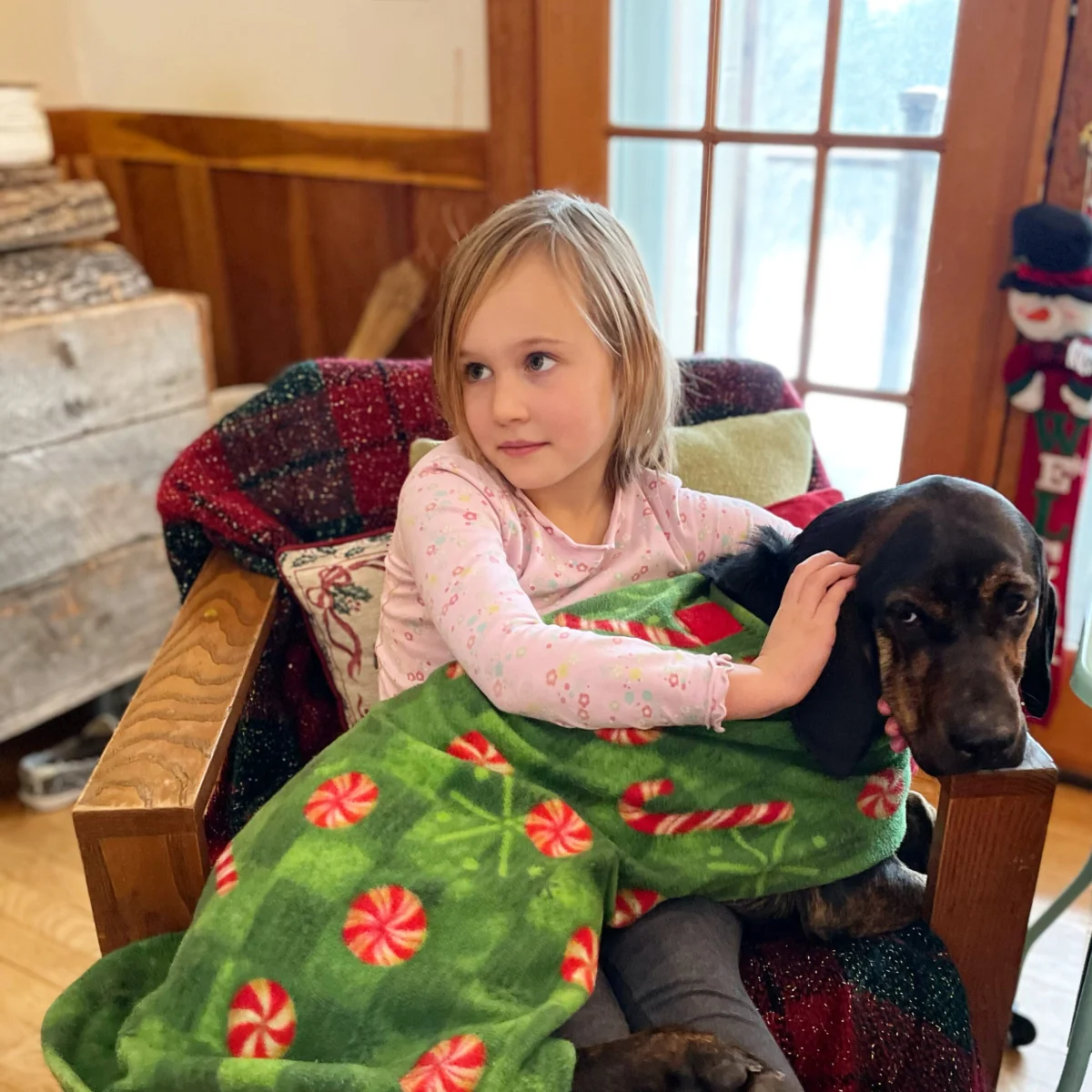
In late September 2022, a stray hound dog, later identified as Genevieve or "Gigi," was discovered emaciated and physically distressed in a rural Vermont yard. This discovery initiated a four-month sequence of rescue efforts, intensive behavioral modification, and significant financial investment that ultimately highlighted the complex challenges inherent in domesticating working-breed dogs. The case of Genevieve provides a granular look at the realities of canine separation anxiety and the socio-economic pressures placed on families who attempt to rehabilitate abandoned animals with specialized behavioral needs.
Initial Discovery and the Transition to Domestic Life
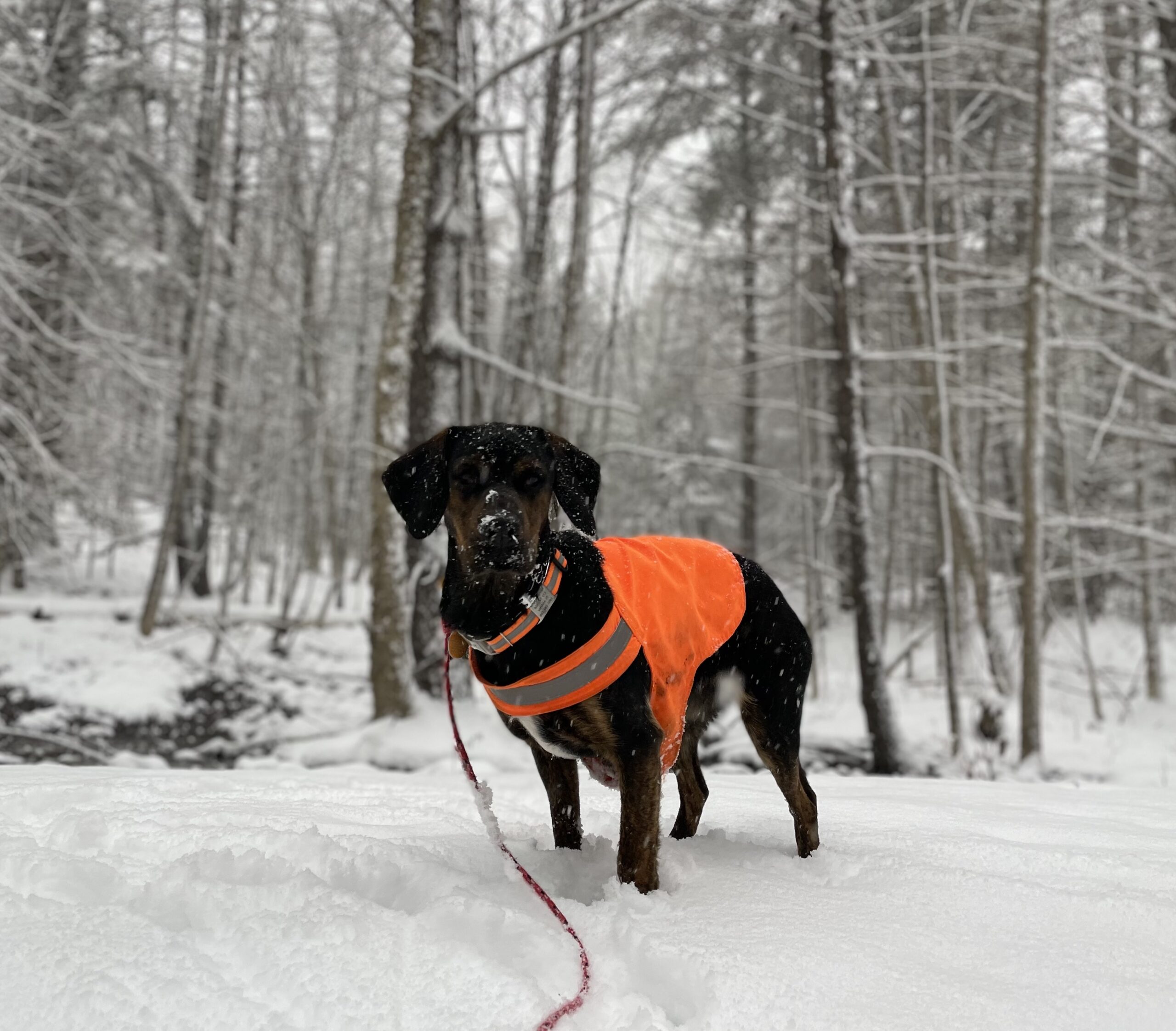
The chronology began when Genevieve appeared in the yard of residents in rural Vermont. At the time of her discovery, she exhibited signs of long-term exposure to the elements, including malnutrition and numerous cutaneous abrasions. Local efforts to identify an owner through physical tags, microchip scanning, and regional advertising were unsuccessful. Based on the dog’s breed and the geographical context of Vermont’s hunting seasons, observers hypothesized that the animal was a bear hunting hound that had become separated from its pack.

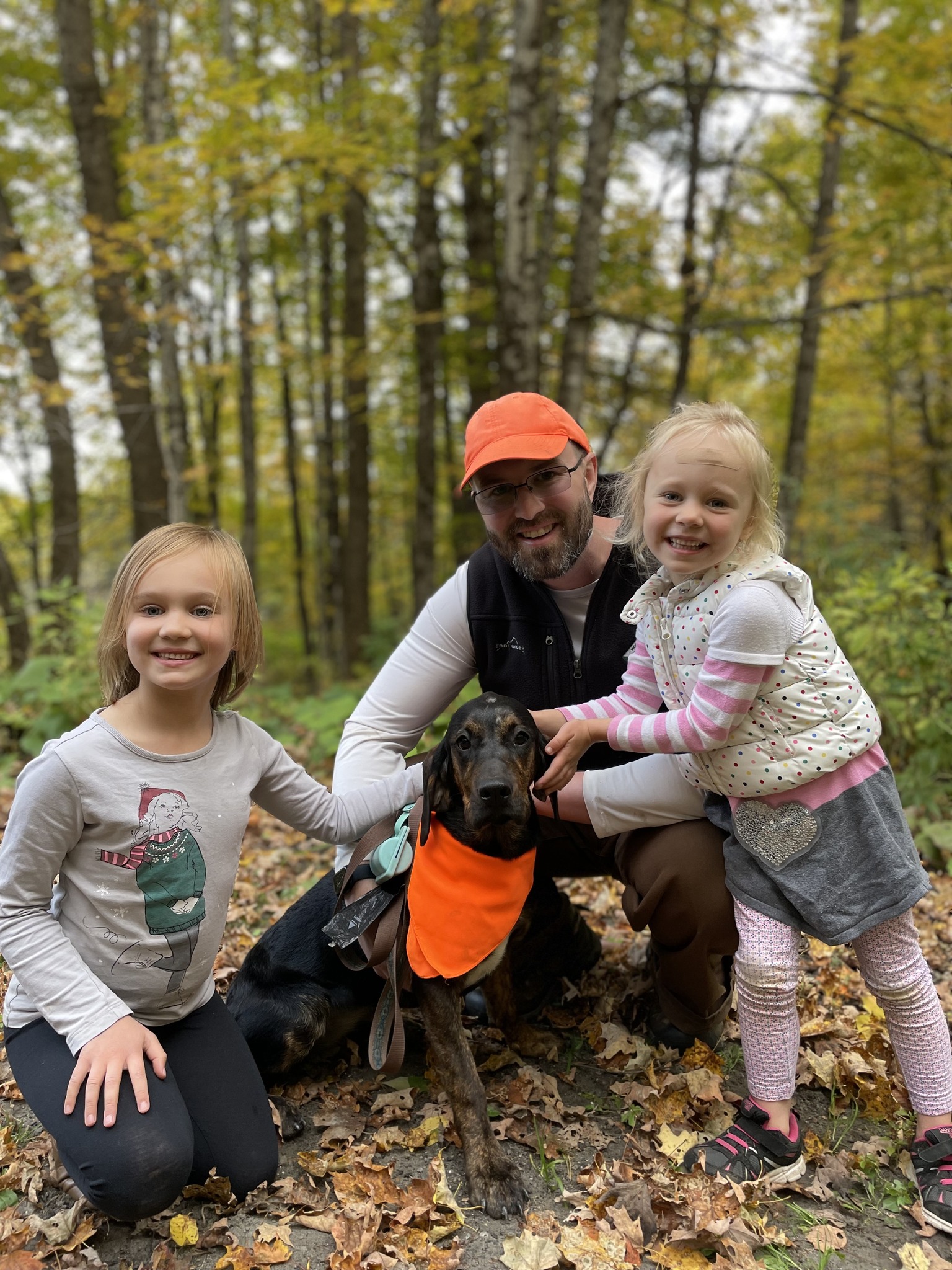
On October 3, 2022, the dog was officially brought into the household of the Frugalwoods family, who sought to provide a permanent domestic environment. While Genevieve initially demonstrated a calm temperament and an affinity for human interaction, a severe behavioral pathology emerged almost immediately upon her integration into the home: an inability to remain solitary. This condition, clinically recognized as separation anxiety (SA), would become the defining struggle of her tenure with the family.
Behavioral Manifestations and Clinical Interventions
Separation anxiety in canines is a complex psychological condition that affects an estimated 14% to 20% of the domestic dog population. In Genevieve’s case, the manifestations were extreme. Within five minutes of her owners’ departure, the dog would enter a state of acute panic. These episodes were characterized by vocalization, pacing, and involuntary elimination (urination and defecation) within her enclosure.
The family initiated a multi-tiered intervention strategy, categorized into behavioral, technological, and medical approaches.
Behavioral Modification
Under the guidance of a professional dog trainer, the owners implemented a systematic desensitization regimen. This process involved "graduated departures," where the owners would leave the home for increments as short as 30 seconds, returning to reward the dog for remaining calm. The objective was to increase the dog’s "threshold" of tolerance for solitude. However, clinical reports from the owners indicate that Genevieve was never able to exceed a five-minute threshold without escalating into a panic response.
Technological Monitoring
To assist in behavioral tracking, the family installed a surveillance system. This evolved from a standard indoor camera to a specialized remote-access device capable of dispensing treats. The goal was to provide positive reinforcement remotely when the dog displayed calm behavior. Despite the use of high-value rewards, the technology proved ineffective as the dog’s physiological state of panic precluded her interest in food or external stimuli.
Medical and Pharmacological Support
When behavioral and technological methods failed to yield progress, the family sought veterinary assistance. A series of pharmacological interventions were attempted to lower the dog’s baseline anxiety. These included:

- Mild anti-anxiety medications.
- Sedatives intended to induce a state of relaxation during departures.
- Tranquilizers for high-stress scenarios.
Despite adjusting dosages and trying various combinations of medications, the dog’s panic response remained resistant to chemical intervention. This highlighted a significant challenge in veterinary medicine: the variance in individual canine response to psychotropic drugs, particularly in dogs with potential trauma or deeply ingrained pack instincts.
Financial Analysis of Crisis Pet Care
The financial burden of rehabilitating a high-needs rescue animal is often underestimated by the general public. In the four months between October 2022 and early 2023, the total expenditure for Genevieve’s care reached $2,373.25. This figure is more than double the average annual cost of maintaining a healthy dog in the United States, which typically ranges between $700 and $1,500 according to data from the ASPCA and the American Pet Products Association (APPA).
The following data provides a breakdown of the costs incurred during this period:

| Category | Expenditure | Percentage of Total |
|---|---|---|
| Veterinary Services & Medical | $952.98 | 40.1% |
| Rescue & Rehoming Fees | $600.00 | 25.3% |
| Supplies, Food, & Gear | $541.49 | 22.8% |
| Behavioral Training | $150.00 | 6.3% |
| Monitoring Technology | $128.78 | 5.4% |
The largest single expenditure category was veterinary care, necessitated by the dog’s initial poor health and subsequent anxiety treatments. The $600.00 allocated to the foster organization reflects the "responsible rehoming" costs, ensuring the dog’s next transition was fully supported. This financial transparency serves as a salient reminder of the "hidden costs" of pet ownership, particularly when dealing with rescues of unknown provenance.
The Rehoming Decision and Organizational Response
By February 2023, the family reached a critical juncture. The inability to leave the dog unattended had caused significant disruptions to their quality of life, preventing the family from attending school events, religious services, or recreational activities together. The emotional toll on the children and the logistical strain on the parents led to the conclusion that the domestic environment was not suitable for Genevieve’s specific psychological needs.
The family contacted a foster-based rescue organization specializing in hounds. Upon intake, the organization conducted a behavioral assessment which revealed a vital piece of information: Genevieve did not suffer from a fear of being alone per se, but rather a fear of being without a "pack." When placed in a house with other dogs, her separation anxiety vanished.
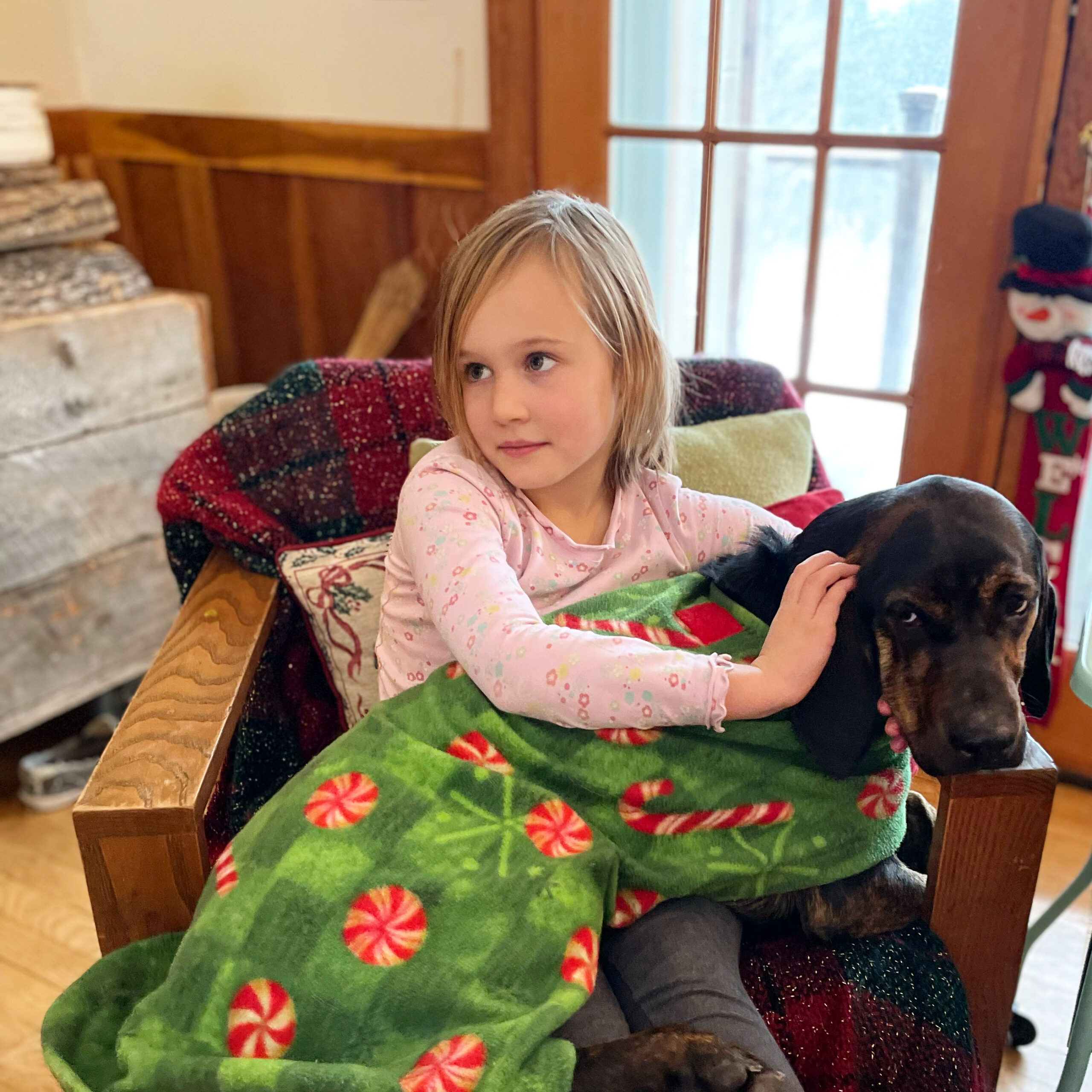
This finding supported the initial theory that Genevieve was a pack-hunting dog. For animals bred and raised in multi-dog environments, the absence of a canine peer can be more distressing than the absence of a human owner. The rescue organization successfully placed Genevieve in a permanent home with multiple other dogs, where she reportedly transitioned into a well-adjusted pet.
Broader Impact and Implications for Adopters
The Genevieve case study offers several critical takeaways for the broader community of animal rescuers and prospective pet owners.
1. The "Fit" Over the "Rescue"
While the impulse to rescue an animal in distress is altruistic, this case demonstrates that love and resources are sometimes insufficient if the animal’s fundamental nature is at odds with the owner’s lifestyle. A single-dog household is often an unsuitable environment for certain working breeds, regardless of the quality of care provided.
2. The Role of Specialized Rescues
The successful resolution of Genevieve’s case was made possible by a specialized rescue organization. These entities possess the breed-specific knowledge necessary to diagnose behavioral issues that general-practice veterinarians or trainers might miss. Their ability to place dogs in "multi-dog" foster homes was the key to identifying the solution to Genevieve’s panic attacks.
3. The Socio-Economic Reality of Pet Ownership
The $2,373 expenditure highlights a significant barrier to pet ownership. For many families, such a financial outlay over four months would be impossible. This case underscores the importance of emergency funds for pet owners and the reality that "free" or "stray" dogs often become the most expensive animals to maintain.
4. The Ethics of Rehoming
There remains a persistent social stigma regarding the "surrendering" of a pet. However, the outcome for Genevieve suggests that rehoming can be the most ethical choice when an animal’s needs cannot be met. By acknowledging their limitations, the original owners allowed the dog to find an environment where she could thrive without the need for heavy sedation or constant human supervision.
Conclusion
The story of Genevieve the hound is a complex narrative of rescue, clinical struggle, and eventual success through rehoming. It serves as a factual illustration of the challenges posed by canine separation anxiety and the specialized needs of hunting breeds. While the emotional and financial costs to the Frugalwoods family were substantial, the intervention ensured that an emaciated stray was restored to health, vaccinated, and ultimately placed in a setting conducive to her pack-oriented nature.
This case highlights the necessity for prospective adopters to consider not only the physical needs of an animal but its evolutionary and behavioral heritage. As domestic pet ownership continues to evolve, the integration of behavioral science, financial planning, and breed-specific awareness remains paramount to ensuring the welfare of both the animals and the families who welcome them. For Genevieve, the path from the Vermont woods to a suburban family home was a tumultuous one, but her eventual placement in a multi-dog "pack" represents the successful alignment of an animal’s nature with its environment.

