
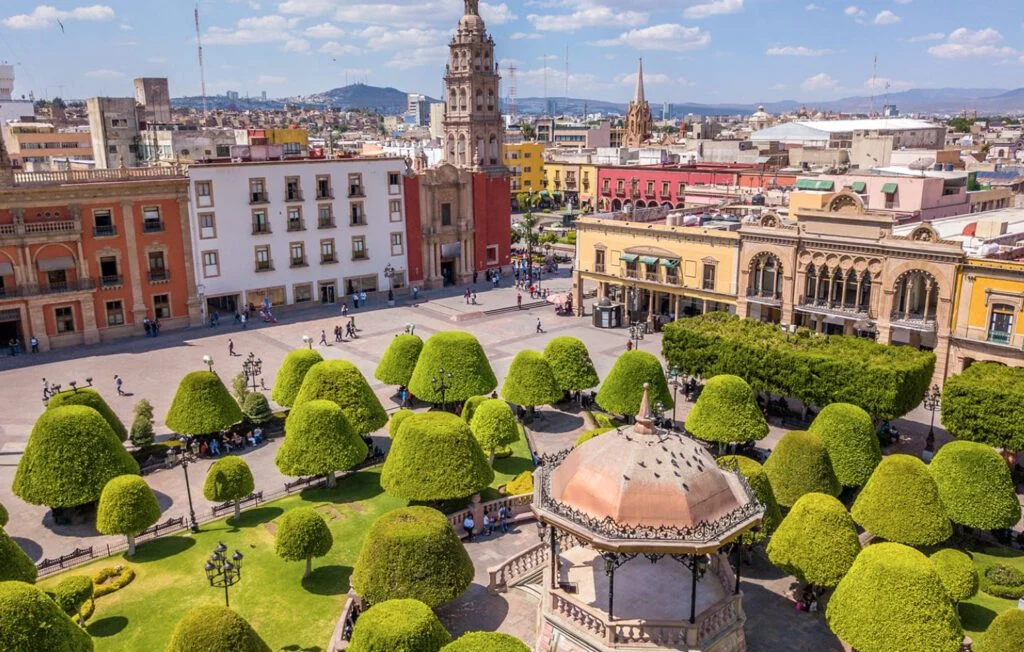
The decision to retire abroad, once a niche aspiration for a select few, is increasingly becoming a tangible reality for a growing number of Americans seeking a fulfilling and often more affordable post-work life. Anne Nicolai, a former corporate professional turned freelance writer and karaoke host, exemplifies this trend, having relocated from Minnesota to San Miguel de Allende, Mexico, in 2008. Her experiences, shared through her platform MoveToMexico.org, offer a compelling roadmap for those contemplating a similar expatriate retirement. Nicolai’s insights, distilled into five key lessons, highlight the transformative power of embracing a new culture and the practical considerations involved in such a significant life transition.
The Unforeseen Capabilities of the Expatriate Retiree
Nicolai’s first lesson emphasizes a profound realization: "You are capable of more than you give yourself credit for." This sentiment resonates deeply with the inherent challenges of establishing a life in a foreign country. Upon her arrival in Mexico, Nicolai recounts initial struggles with the Spanish language, currency conversion, and even basic social interactions like dancing. However, over fourteen years, these perceived limitations dissolved. She is now a bilingual karaoke host, adept at navigating daily life in pesos and possessing a fluency that extends beyond mere transactional exchanges.
The bureaucratic hurdles of establishing legal residency in a foreign nation are often underestimated. Nicolai details her multi-year process of obtaining and renewing temporary residency visas, culminating in the acquisition of permanent residency. This involved navigating complex governmental procedures, including nine separate visits to the immigration bureau for a single renewal. Furthermore, her regular, often solo, cross-border journeys between San Miguel de Allende and Minneapolis—a trip exceeding 20 times—demonstrate a resilience forged through overcoming logistical challenges, unexpected detours, and even instances of attempted bribery. These experiences, she notes, significantly expanded her comfort zone and fostered a robust sense of self-efficacy. This personal growth aligns with broader psychological research on the benefits of stepping outside one’s comfort zone, which consistently links such experiences to increased confidence, problem-solving skills, and adaptability.
Navigating Security and Embracing Community in a New Environment
The second pivotal lesson Nicolai imparts is the importance of recognizing that "there is safety in numbers." Relocation to a new country invariably necessitates a heightened awareness of personal safety and security. In San Miguel de Allende, as in many parts of Mexico, this translates into visible security measures such as decorative ironwork on windows and doors, and fortified garden walls incorporating elements like broken glass or razor wire. The casual leaving of valuables like cell phones or laptops unattended in vehicles is also strongly discouraged due to the prevalence of theft. Walking alone after dark, even on well-lit streets, requires a degree of caution.
However, Nicolai highlights that the presence of a substantial expatriate community mitigates many of these concerns. In San Miguel, this includes services like English-speaking 911 operators and a 24-hour emergency hotline to the American consular agency. The integration of expatriates into the local social fabric has also led to increased English proficiency among locals, fostering smoother interactions. Nicolai herself chooses to live in a predominantly Spanish-speaking neighborhood, underscoring that safety in this context is often built on strong interpersonal relationships. Knowing neighbors well enough to seek assistance in times of trouble, and offering reciprocal support, forms a vital layer of security, transcending mere physical deterrents. This concept of "social capital"—the networks of relationships among people who live and work in a particular society, enabling that society to function effectively—is a crucial element in successful expatriate integration. Studies on community resilience frequently cite strong social networks as a key factor in overcoming adversity and enhancing overall well-being.
The Ubiquitous Reach of Technology in Global Connectivity
Nicolai’s third lesson underscores the indispensable role of technology in maintaining connections: "Technology will keep you connected." In an era of widespread internet access and affordable mobile services, the geographical distance separating expatriates from their loved ones has become less of a barrier. Applications such as WhatsApp, Duo, and Facetime provide free voice and video calling capabilities, enabling expatriates to participate in significant family events like birthdays and holidays, regardless of their location.
Beyond personal connections, technology facilitates practical aspects of managing affairs back home. Virtual healthcare options allow for remote consultations with doctors and therapists, while online banking systems simplify bill payments and enable direct deposit of Social Security benefits into foreign bank accounts, often in either dollars or local currency. For instance, the U.S. Social Security Administration allows for direct deposit to financial institutions in over 100 countries, including Mexico.
Technology also serves as a vital tool for integration into the new community. Expatriate forums on platforms like Facebook in San Miguel de Allende offer a wealth of information, ranging from local event listings and social gatherings to crime alerts and recommendations for obtaining hard-to-find items. Navigation applications like Google Maps and Waze, when paired with reliable internet access, provide essential directional assistance for locating shops, restaurants, and public transportation hubs. This digital connectivity not only bridges geographical divides but also fosters a sense of belonging and facilitates daily life in the adopted country.
Cultural Immersion: A Catalyst for Personal Transformation
The fourth lesson centers on the transformative power of cultural immersion: "Immersion in another culture will change you for the better." Nicolai articulates a personal quest for a life richer in sunshine, vibrant colors, ethnic diversity, and intellectual challenge, driven by a desire to learn a new language. Her previous life as a "Type A" American, characterized by consumerism and a fast-paced lifestyle, underwent a profound shift after 14 years in Mexico.
She discovered the virtues of patience, humility, and simplicity. The compulsion to acquire material possessions has significantly diminished, with her spending largely confined to food and music. Her wardrobe, largely comprising clothes she brought with her, remains functional, partly due to an increased reliance on walking, dancing, and a healthier diet—common lifestyle adaptations for many expatriates. This experience aligns with observations from expatriates worldwide, suggesting that a less consumer-driven lifestyle often leads to improved physical and mental well-being. The intellectual stimulation of navigating a new linguistic and cultural landscape fosters cognitive flexibility and adaptability, contributing to a more enriched and fulfilling retirement.
The Inherent Flexibility of Retirement Decisions: The Option to Return
Nicolai’s final, and perhaps most reassuring, lesson is that "You can always go home." The narrative of expatriate retirement is not one of irreversible commitment. She notes numerous individuals who have lived abroad for decades, as well as those who have relocated back to their home countries due to health concerns or a desire to be closer to family. The journeys of expatriates are diverse, with some transitioning between countries like Thailand, New Zealand, or Portugal. This underscores a fundamental principle: retirement planning is not a static endeavor but a dynamic process of exploration and adjustment.
Nicolai views Mexico as her current home but acknowledges the possibility of returning to the United States, or even exploring other global destinations. This freedom from a perceived obligation to remain in one place is liberating. San Miguel de Allende serves as a haven for reinvention, healing, and the pursuit of artistic passions, attracting individuals seeking to escape harsh climates or embark on new adventures. The consistent visits from friends and family have ensured she has never felt isolated. The ultimate message is one of agency: the power to choose one’s living environment, to adapt and evolve, and to recognize that the definition of a successful retirement is deeply personal and can be redefined at any stage. The global expatriate community, estimated to be in the tens of millions, reflects this inherent flexibility, with individuals continuously seeking environments that best suit their evolving needs and aspirations. The ongoing movement of people across borders in retirement is a testament to globalization and the increasing accessibility of diverse living experiences.

