
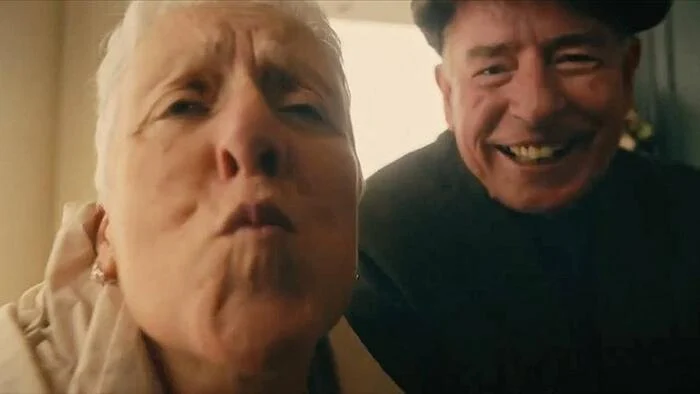
A recent public awareness campaign from the Dublin Rape Crisis Centre (DRCC), part of its "We-Consent" initiative, ignited a widespread controversy across Ireland, prompting swift government intervention and the removal of the contentious advertisement. The campaign, which included a 25-second video clip, aimed to educate the public on consent but was widely criticized for its perceived misapplication of consent principles to intergenerational family interactions, particularly between grandparents and grandchildren.
The "We-Consent" Campaign and Its Contentious Message
The Dublin Rape Crisis Centre, a prominent non-governmental organization (NGO) dedicated to preventing and responding to sexual violence, launched its "We-Consent" program with funding from the Department of Justice. The overarching goal of the campaign, as stated by the DRCC, is to inform and educate the public about "all forms of consent" across various relationships, promoting a culture where consent is an "integral part" of every interaction. This broad mandate typically covers sexual consent, but also extends to everyday interactions, aiming to foster respect for bodily autonomy.
The specific advertisement that drew widespread condemnation depicted grandparents arriving at a family home. While one grandchild enthusiastically embraced the arriving elders, another was shown visibly recoiling and wincing as the older couple leaned in for a hug. A voiceover accompanying the visual declared: "Not everyone wants a hug. Even from the people who love them. Awkward? Maybe. Important? Absolutely." The advertisement implied that even affectionate gestures from family members, such as grandparents, should be preceded by explicit consent, presenting the lack of such consent as potentially unwelcome or even threatening.
Chronology of Controversy: From Launch to Removal
The advertisement, which was reportedly part of the campaign rollout around October 21, 2026, quickly circulated online and on social media platforms, drawing immediate and intense backlash.
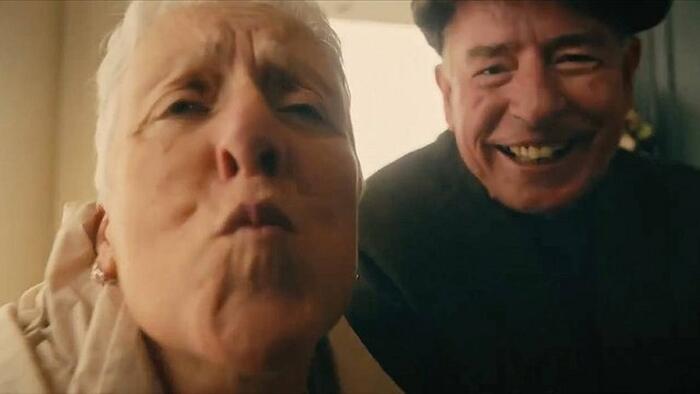
- Initial Release and Public Reaction (October 21, 2026): The video was disseminated through public channels, likely including social media and potentially television or online streaming platforms. Within hours of its wider circulation, screenshots and clips of the advertisement became viral on platforms like X (formerly Twitter).
- Social Media Outcry: Users across Ireland and beyond expressed a mix of bewilderment, anger, and ridicule. Prominent figures amplified the criticism. Mario Nawfal, a widely followed social media personality, posted, "Ireland is basically telling grandparents that a hug from Nana requires a consent form," questioning if the "Irish goodbye" was being replaced by the "Irish hello." Social commentator Paul Joseph Watson described the campaign as "indoctrination getting really weird." Even comedian Graham Linehan queried, "Why is one of the kids black? Is this about hugging your grandkids or random strangers?" highlighting a perceived lack of realism in the advert’s portrayal of a family unit.
- Media Coverage and Broader Debate: The controversy quickly spilled over into traditional media outlets. GB News, a British news channel, featured the ad, with presenter Patrick Christys reacting with open disbelief, humorously remarking, "You try telling that to my Greek grandma!" The segment underscored the cross-cultural relevance of the debate surrounding family affection and state-led campaigns.
- Government Intervention and Ad Removal: The intensity of the public and political reaction prompted a swift response from the Irish government. By the same day, Justice Minister Jim O’Callaghan issued a strong condemnation of the advertisement. Following engagement between government officials and the Dublin Rape Crisis Centre, the DRCC removed the controversial video from its campaign materials.
Official Responses and Political Condemnation
The government’s immediate disavowal of the advertisement underscored the political sensitivity of the issue and the broad cross-party consensus against its message.
- Justice Minister Jim O’Callaghan’s Statement: Minister O’Callaghan was unequivocal in his condemnation, stating that the video "does not represent the views of the Government." He further characterized the ad as "both inappropriate and demeaning to grandparents," emphasizing that "having loving grandparents in a child’s life is an incredibly positive thing to be cherished and not something to be campaigned against." While acknowledging the vital importance of consent education, particularly concerning sexual relationships, he noted that "this video did not advance that aim and in many ways was counterproductive," effectively distancing the government from the campaign’s execution.
- Peadar Tóibín, Leader of Aontú: The leader of the Aontú party, Peadar Tóibín, labeled the advertisement "bonkers." He expressed deep concern that the campaign was "planting the seed that a grandparent’s hug may be insidious and a suspicious activity," calling it "really wrong." Tóibín argued that grandparents inherently possess the "emotional intelligence" to discern when a child might not want a hug, asserting that the state has no legitimate business interfering in such intimate family dynamics. He concluded by stating that the state "owes grandparents an apology" for the distress and misrepresentation caused.
- Fine Gael Senator Gareth Scahill: Senator Scahill of the Fine Gael party strongly criticized the campaign as "a complete waste of resources." He described the video as "offensive and potentially damaging to our older population" and "a million miles off the mark." Scahill specifically pointed out that the distorted visual imagery in the ad created "a distinct impression of threat," rather than promoting healthy boundaries. He also raised a rhetorical question that resonated with many critics: "What’s next? Will we need to sign consent forms at arrival halls… before we can greet family members?"
- Councillor Gavin Pepper: Local government representative Councillor Gavin Pepper added to the chorus of criticism, slamming the government and NGOs for "losing the run of ourselves." While affirming the principle that children should never be forced into unwanted physical contact, he stressed the need for "a bit of common sense." Councillor Pepper underscored the profound significance of the grandparent-grandchild bond in Irish society, describing it as "one of the most important bonds in Irish family life." He argued passionately that "a hug from a loving grandparent should not be presented as something strange or suspicious," concluding that "Irish culture, family and traditions matter."
Broader Impact and Implications: A Debate on Family, State, and Consent
The controversy surrounding the "We-Consent" advertisement has transcended a simple debate about a single public service announcement, touching upon deeper societal questions regarding the role of the state in family life, the evolving understanding of consent, and the preservation of cultural norms.
- Redefining Consent in Family Contexts: While the principle of bodily autonomy and consent is widely accepted as crucial, particularly in preventing sexual violence, critics argued that the DRCC ad applied this principle in a way that was both inappropriate and counterproductive in the context of close family relationships. The ad was perceived as conflating spontaneous, affectionate gestures with situations requiring explicit consent, thereby pathologizing natural family interactions.
- The Role of State-Funded NGOs: The incident has sparked a renewed examination of the independence and oversight of state-funded NGOs. The fact that public money from the Department of Justice was used to create and disseminate an advertisement deemed "inappropriate and demeaning" by the Justice Minister himself raises questions about accountability, creative control, and alignment with government policy. Critics argued that such campaigns, when mishandled, risk eroding public trust in both the NGOs and the state institutions that fund them.
- Impact on Intergenerational Relationships: A core concern raised by politicians and the public was the potential damage to the unique and cherished bond between grandparents and grandchildren. In Ireland, as in many cultures, grandparents often play a vital role in childcare, emotional support, and the transmission of cultural heritage. A 2023 survey by the Irish Ageing Well Association, for instance, indicated that over 60% of Irish grandparents regularly provide informal childcare or support to their grandchildren. The advertisement was seen by many as attempting to plant suspicion where affection and trust traditionally reside, thereby undermining a foundational aspect of family life.
- The "Institutional Hostility" Critique: Some commentators, drawing on broader societal debates, framed the incident as part of a "wider pattern of institutional hostility toward the nuclear and extended family." This critique suggests that certain progressive ideological currents, often supported by state funding, seek to redefine traditional family structures and relationships, sometimes to the detriment of established cultural norms. Examples cited include efforts to remove gendered terms like "mother" and "father" from official language, or the reinterpretation of parental authority as something to be managed by the state. The "We-Consent" ad, in this view, became another instance of this perceived overreach, reframing ordinary love as a potential violation requiring external mediation.
- Effectiveness of Consent Education: While the legitimate need for comprehensive consent education, especially among young people, is widely acknowledged, this incident demonstrated how a poorly conceived campaign can undermine the very cause it seeks to advance. By generating widespread ridicule and anger, the ad inadvertently made the broader concept of consent appear absurd or overly prescriptive in everyday contexts, potentially making it harder to engage the public on more critical aspects of consent education related to sexual violence prevention.
- Cultural Sensitivity and Common Sense: The strong reactions from politicians like Peadar Tóibín and Councillor Gavin Pepper highlighted the importance of cultural sensitivity and "common sense" in public awareness campaigns. They argued that while the principle of bodily autonomy is important, it should be applied with nuance and an understanding of established social and familial norms. The idea that families, which traditionally operate on shared affection, known character, and instinctive boundaries, now need "tutoring by state-funded NGOs in the correct way to greet their own kin" was widely rejected as an intrusion and an affront to Irish cultural values.
Conclusion
The rapid and widespread condemnation of the Dublin Rape Crisis Centre’s "We-Consent" advertisement serves as a significant case study in the complexities of public awareness campaigns and the delicate balance between promoting vital social messages and respecting cultural norms. The swift removal of the ad by the DRCC, following direct intervention from the Department of Justice, indicates a recognition of its profound misjudgment.
While the prevention of sexual violence and the promotion of consent remain critical societal goals, the controversy affirmed that the application of these principles requires careful consideration, especially when touching upon the fundamental bonds within families. The incident underscored a clear public sentiment: genuine sexual violence is a grave crime requiring serious intervention, but pathologizing a grandmother’s hug is not a constructive contribution to its prevention. Instead, it risks alienating the public and undermining trust in legitimate efforts to foster a safer, more respectful society, while reaffirming the enduring importance of cherished family relationships in Ireland.

