
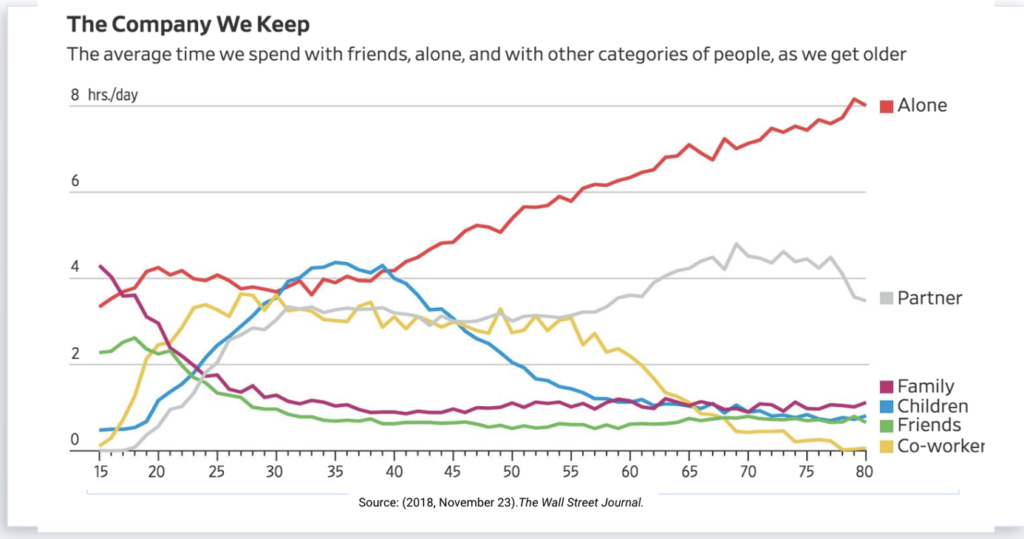
The transition into retirement, while often heralded for its promise of newfound freedom and leisure, brings with it a profound and often underestimated shift: the significant increase in solitary time spent in the company of one’s own thoughts. This internal landscape, once navigated amidst the structured interactions and external feedback loops of a professional life, now becomes a primary arena for personal engagement. Experts in psychology and self-awareness are highlighting the critical importance of understanding and managing this inner dialogue, suggesting that the quality of our self-talk can profoundly influence the success and fulfillment of our post-career years.
The internal conversations that occupy individuals in retirement are multifaceted. They can encompass forward-looking planning, imaginative exploration, and reflective analysis. However, they also frequently devolve into cycles of worry, rumination, self-criticism, and blame. Research, including discussions featured on platforms like The Retirement Wisdom Podcast, indicates that this inner discourse can either constrict one’s life, leading to feelings of stagnation, or, conversely, serve as a powerful catalyst for intentional living and the embrace of new possibilities.
The Power of Inquiry: Shifting Mindsets Through Questioning
At the forefront of this field is Dr. Marilee Adams, founder and CEO of The Inquiry Institute, and author of the recently updated fifth edition of "Change Your Questions, Change Your Life." Dr. Adams’s work centers on the foundational premise that the questions we pose to ourselves are instrumental in shaping our cognitive and emotional frameworks. She posits a dualistic model of mindset, categorizing it into either a "Judger" or a "Learner" orientation.
Judger questions, according to Adams, are typically backward-looking or introspective, often laden with a critical or accusatory tone. Examples include, "What’s wrong with me?", "Why did this happen?", or "Why bother?". These inquiries tend to foster a sense of helplessness and reinforce negative patterns. In contrast, Learner questions are designed to propel individuals toward curiosity, self-efficacy, and an expansive view of potential. They are characterized by inquiries such as, "What do I want now?", "What can I contribute?", or "How else can I think about this?".
The significance of this distinction becomes particularly acute during major life transitions like retirement. The absence of established professional structures, identities, and regular external validation can amplify the tendency to fall into Judger-type thinking. Without conscious intervention, these self-critical narratives can gain momentum, hindering the ability to adapt and thrive. Conversely, by consciously employing Learner questions, individuals can redirect their focus towards their core values and aspirations, such as seeking greater meaning, experiencing more joy, making meaningful contributions, nurturing relationships, and pursuing personal growth.
Understanding and Harnessing "Chatter"
Complementing this perspective is the work of Dr. Ethan Kross, director of the Emotion & Self Control Laboratory at the University of Michigan and author of "Chatter: The Voice in Our Head, Why It Matters, and How to Harness It." Dr. Kross’s research delves into the science of self-talk, distinguishing between ordinary negative thoughts and a more pernicious form he terms "chatter." Chatter is characterized by repetitive loops of worry, rumination, and catastrophizing – a mental cacophony that can become overwhelming.
Kross’s research does not advocate for the suppression of negative emotions, acknowledging their potential role in learning and adaptation. The concern arises when individuals become ensnared in these negative emotional cycles, leading to a state of cognitive and emotional paralysis.
A Convergence of Strategies: Awareness and Skillful Intervention
The insights of both Dr. Adams and Dr. Kross converge on a crucial point: the objective is not to silence the inner voice, but rather to engage with it more skillfully. Both researchers emphasize the universal presence of an inner critic and the necessity of accepting this reality. Their work underscores that heightened awareness of one’s internal dialogue is the prerequisite for choice, enabling a shift from automatic, reactive responses to intentional, considered actions.
Dr. Adams’s contribution lies in the elegant simplicity of "The Choice Map," a framework that provides a clear language and a practical methodology for navigating internal states. This approach encourages individuals to recognize when they are operating from a Judger mindset, to pause, and then to deliberately transition to a Learner orientation. A particularly potent question within her framework for facilitating this shift is: "Who do I choose to be in this moment?" This question empowers individuals to reclaim agency and actively shape their present experience.
Dr. Kross offers a "toolbox" approach, recognizing that different challenges necessitate distinct coping mechanisms. His recommendations include "distance self-talk," a technique where individuals refer to themselves by their own name and offer themselves advice as they would a trusted friend. Another strategy is "mental time travel," which involves considering a current problem from a future perspective, such as how it might appear six months or a year hence. The integration of physical activity, like a walk in nature, is also presented as a valuable ritual for managing internal states. Together, these tools equip individuals to become more effective "chatter advisors," curating a personalized toolkit for emotional regulation.
The Broader Implications for Retirement Planning and Well-being
The implications of this research extend beyond individual self-management; they have significant bearing on the broader landscape of retirement planning and the promotion of lifelong well-being. As societal demographics shift towards longer lifespans and delayed retirement, the ability to navigate the psychological challenges of this life stage becomes paramount.
- Data on Longevity and Retirement: Current projections indicate a continued increase in life expectancy. For instance, the Social Security Administration in the United States projects that a significant portion of individuals turning 65 today will live into their 80s or beyond. This extended period of post-career life necessitates robust strategies for maintaining mental and emotional health.
- Economic Impact of Well-being: Poor mental health can have tangible economic consequences, impacting healthcare costs and the ability to engage in meaningful activities that contribute to personal and societal well-being. Investing in mental resilience during retirement can yield significant returns in terms of quality of life and reduced societal burden.
- The Role of Social Structures: While the focus is on internal dialogue, the role of supportive social networks remains critical. The article touches upon seeking out individuals who can offer empathy and broaden perspective, a crucial element in counteracting isolation and rumination. Organizations and communities that foster connection and provide avenues for continued engagement can play a vital role in supporting retirees.
- Shifting Retirement Narratives: The discourse around retirement is evolving from one of passive leisure to one of active engagement and personal growth. The insights from Adams and Kross align with this shift, providing practical tools for individuals to actively author their retirement experience.
Practical Strategies for Cultivating a Healthier Inner Dialogue
To begin cultivating a more constructive inner dialogue, individuals can adopt several practical strategies, drawing directly from the expertise of Adams and Kross:
- Heighten Self-Awareness: The initial step involves simply paying attention to the nature of one’s internal conversations. What themes emerge? What is the prevailing tone?
- Implement a Pause: Inspired by Dr. Adams’s work, incorporating brief physical pauses can interrupt the momentum of automatic thought patterns. The simple practice of "Stop. Breathe. Be." can create a crucial moment of separation from immediate reactions.
- Identify Question Types: Once aware, individuals can begin to categorize their self-directed questions. Are they predominantly Judger or Learner questions? This identification is the first step towards conscious redirection.
- Engage the "Switching Lane": If caught in a negative loop (the "Judger Pit"), consciously pivot to a Learner question. This deliberate act shifts the mindset and opens up new avenues for thought and action.
- Alter the Internal Voice: Employing Dr. Kross’s "distance self-talk" can be transformative. By using one’s own name and adopting a coaching stance, individuals can offer themselves more compassionate and effective guidance.
- Reframe Time Horizons: Mental time travel, by asking how a current challenge will be perceived in the future, can diminish the perceived magnitude of immediate stressors.
- Mindful Venting: Recognize when venting is perpetuating a negative cycle rather than providing release. Seek out interactions that offer empathy coupled with constructive perspectives to broaden one’s outlook.
Ultimately, retirement offers an unparalleled opportunity for freedom, but this freedom is most effectively harnessed when paired with a refined approach to one’s thoughts and emotional landscape. Through consistent practice, the inner voice can transition from being a source of criticism to a valuable ally and a trusted coach, guiding individuals through the rich tapestry of their post-career years with wisdom, intention, and a greater sense of well-being.
Resources for Further Exploration:
- Podcast Conversations:
- Listen to the podcast conversation with Marilee Adams, PhD, on "Change Your Questions, Change Your Life in Retirement."
- Explore Ethan Kross’s discussions on "Chatter & Your Inner Voice" and "Shift."
- Tools and Books:
- Access "The Choice Map" and take the accompanying survey.
- Read "Change Your Questions, Change Your Life" (5th Edition) by Marilee Adams, PhD.
- Read "Chatter: The Voice in Our Head, Why It Matters, and How to Harness It" by Ethan Kross, PhD.
- Read "Shift: Managing Your Emotions—So They Don’t Manage You" by Ethan Kross, PhD.

