
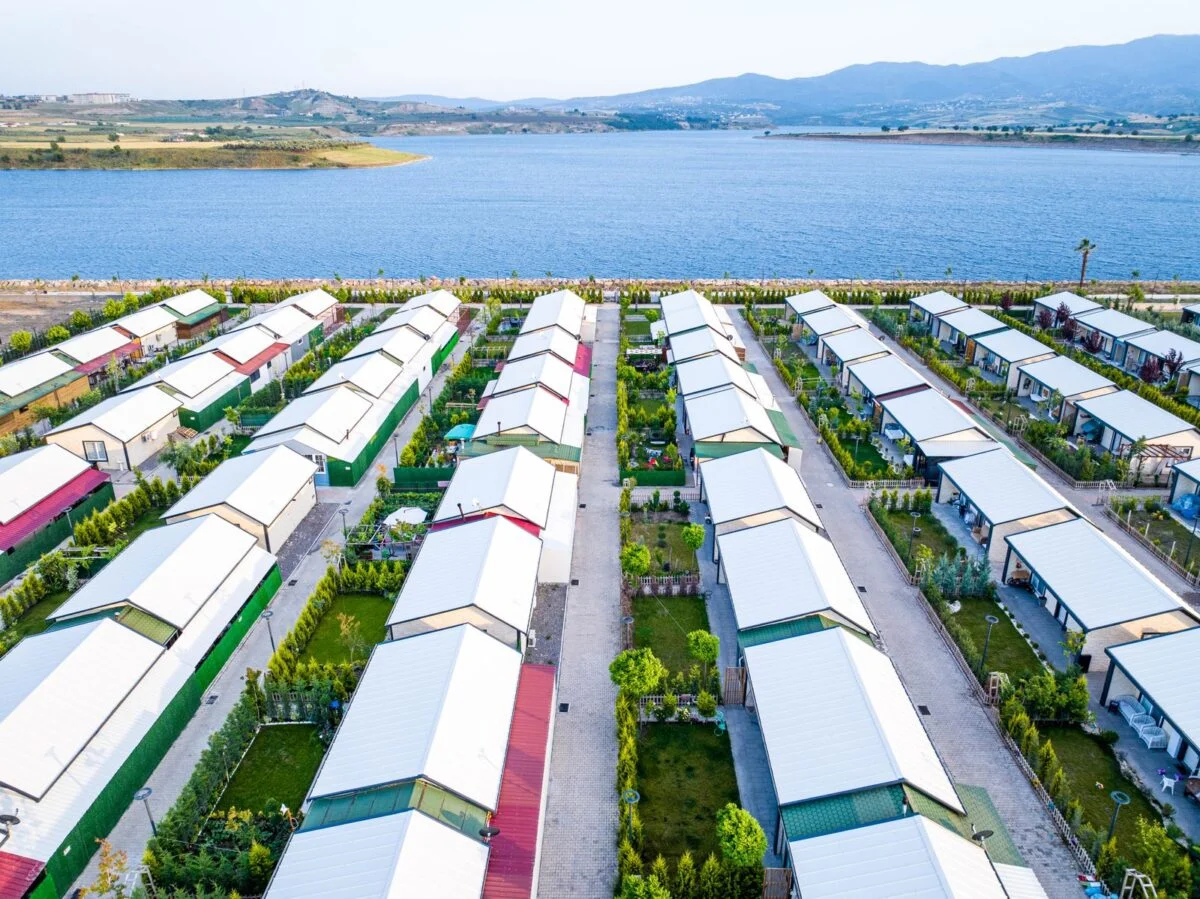
Traditional approaches to wealth creation often emphasize acquiring significant assets with the expectation of future appreciation, whether through real estate, stocks, or emerging digital currencies. While this strategy can yield substantial returns, its success is frequently contingent on external market forces, leading to prolonged waiting periods and unpredictable outcomes for many investors. A contrasting methodology, gaining increasing traction, centers on consistent cash flow generation, where assets provide regular income independent of market volatility. Among real estate asset classes, manufactured housing communities (MHCs), often colloquially referred to as mobile home parks, have emerged as a particularly resilient and overlooked avenue for achieving this steady income stream. These properties, historically receiving less mainstream attention, present a compelling case for investors seeking reliable monthly returns and long-term stability. Understanding the fundamental mechanics of how MHCs generate revenue can profoundly shift an investor’s perspective on portfolio construction, especially for those embarking on their investment journey.
The Paradigm Shift: From Appreciation to Cash Flow
The core distinction of investing in MHCs lies in their focus on cash flow rather than speculative appreciation. Unlike conventional real estate, where property value dictates the primary return, MHCs generate income by renting the land upon which residents place their homes. This model fundamentally alters the risk profile and operational responsibilities associated with real estate ownership. By owning the underlying land, infrastructure (roads, utility lines), and communal amenities, the park owner is insulated from the direct maintenance and depreciation costs of the residential units themselves. This crucial separation of land ownership from home ownership defines the unique operational efficiency and financial stability characteristic of MHC investments.
Foundation of Stability: Renting Land, Not Structures
The operational model of manufactured housing communities is anchored in the concept of renting "dirt" rather than brick-and-mortar structures. In a typical MHC, the park owner maintains ownership of the land, internal road networks, and essential utility infrastructure such as water and sewer lines. Residents, in turn, own their individual manufactured homes and pay a recurring monthly rent for the specific lot their home occupies. This arrangement fundamentally redefines the landlord-tenant relationship and the associated financial burdens.
For instance, should a water heater malfunction within a resident’s home, the responsibility for repair or replacement falls squarely on the homeowner. Similarly, issues such as a leaking roof or a faulty appliance within the manufactured home are addressed by the resident, not the park owner. This structural separation significantly mitigates the time, stress, and financial liabilities typically associated with traditional residential rental properties. In conventional rental housing, a single unforeseen expense, such as a major HVAC system failure combined with a tenant defaulting on rent, can swiftly erode months, or even a full year, of accumulated profit and management effort.
The economic advantages of this model are evident in industry expense ratios. According to insights from industry researcher Ferd Niemann, as highlighted on platforms like Lifestyle Investor, conventional apartment buildings often allocate upwards of 50% of their gross revenue to operational expenses. In stark contrast, well-managed manufactured housing communities typically operate with expense ratios ranging from 35% to 40%. This substantial difference—an additional 10, 15, or even 20 percentage points in net operating income—translates into significantly higher profit margins and reduced operational hassle over the long term, contributing directly to robust cash flow.
The ‘Stickiness’ Factor: Low Tenant Turnover
Tenant turnover represents a significant drain on profitability across the global rental property market. Each instance of a tenant vacating a property incurs a cascade of expenses: lost rental income during vacancy periods, costs associated with cleaning and necessary repairs, marketing expenses to attract new occupants, and the time commitment involved in screening and onboarding new tenants. Owners of apartment complexes routinely budget for these contingencies, acknowledging them as an inherent part of the business model. While MHC owners are not entirely immune to turnover, they generally experience a much lower incidence, leading to greater consistency in income.
Despite their nomenclature, manufactured homes are rarely mobile in practice. Relocating a manufactured home from one lot to another is a complex and costly endeavor, typically involving the engagement of specialized transport companies, the acquisition of various permits, and often an expenditure of several thousand dollars. As these homes age, their structural integrity can diminish, making them less resilient to the stresses of transport. Consequently, residents of manufactured housing communities exhibit remarkable longevity, often remaining in their homes for years, and frequently for decades.
This inherent "stickiness" of residents is a key differentiator. As Justin Donald, founder of The Lifestyle Investor, articulates when discussing the significant investments made by figures like Warren Buffett and Sam Zell in manufactured housing, "Furthermore, the stickiness of tenants – moving a mobile home is a logistical and cost-intensive experience – translates into lower turnover rates and consistent cash flow." For investors prioritizing predictable income streams and stable financial planning, this consistency is an invaluable asset. Reduced turnover directly translates to minimized vacancy rates, lower re-leasing costs, and more reliable monthly revenue, underpinning the long-term viability of MHC investments.
A Growing Demand Meets Stagnant Supply
The sustainability of any cash flow-generating asset hinges on consistent demand for its offering. In the current economic climate, demand for manufactured housing remains robust. Data from Northmarq’s 2026 market outlook indicates that national occupancy rates within manufactured housing communities reached an impressive 94.9% in the second quarter of 2025. Concurrently, the average asking lot rent escalated to $752 per month, marking a 7% increase year-over-year. These figures underscore a strong and expanding market for manufactured housing.
This heightened demand is largely a direct consequence of a widespread affordability crisis impacting the broader housing market. The cost of an average starter home has surged dramatically over the past decade, placing homeownership out of reach for a growing segment of the population. In this context, a manufactured home situated on a rented lot represents one of the few remaining accessible pathways to homeownership, offering the privacy of a detached residence without the prohibitive costs associated with traditional stick-built homes. This demographic shift creates a consistent pipeline of prospective residents for MHCs.
Compounding the demand-side pressures is a significant impediment to supply growth: the inherent difficulty in developing new manufactured housing communities. Many municipal zoning ordinances actively restrict or prohibit the establishment of new parks, often reflecting historical stigmas or community opposition. Local city council meetings frequently become forums for residents to voice concerns, effectively stifling new development proposals. The confluence of a steadily increasing demand driven by economic necessity and a largely stagnant supply due constrained by regulatory and community resistance ensures that existing manufactured housing communities maintain high occupancy rates with a stable tenant base. This favorable supply-demand imbalance creates a durable competitive advantage for existing park owners.
Unlocking Value: The Opportunity in Neglected Assets
A substantial portion of the existing manufactured housing community market is still owned by original proprietors, many of whom acquired their properties in the 1980s or earlier. These legacy parks frequently exhibit characteristics of under-management and under-capitalization. Common issues include lot rents significantly below prevailing market rates, numerous vacant lots that remain undeveloped or unused, and inconsistent utility billing practices, such as failing to bill residents for individual water consumption for extended periods. For discerning buyers prepared to commit the necessary effort and capital, these neglected properties represent a significant opportunity for value creation and enhanced cash flow.
Justin Donald’s strategic advice for investors highlights this niche: "If you are interested in investing in mobile home parks, it is a good idea to purchase properties that are not yet attractive to institutional investors. An investor can elevate a lower-tier park into an asset that REITs will pay a premium for by increasing occupancy, upgrading infrastructure, and improving the community’s attractiveness." This value-add strategy typically involves a multi-pronged approach:
- Rent Optimization: Gradually bringing existing lot rents up to market rates, often justified by improved services or amenities.
- Occupancy Enhancement: Filling vacant lots by attracting new residents, potentially through partnerships with manufactured home dealers to bring in new or refurbished homes.
- Infrastructure Improvements: Investing in upgrades to roads, utility systems (water, sewer, electric), and common areas to enhance the community’s appeal and operational efficiency.
- Management Professionalization: Implementing professional property management practices, including consistent billing for utilities and proactive maintenance.
- Amenity Upgrades: Adding or improving communal facilities such as playgrounds, clubhouses, or laundry facilities, which can justify rent increases and attract higher-quality tenants.
Every incremental dollar of monthly income generated through these improvements directly enhances the overall valuation of the property. Manufactured housing communities are primarily valued based on their net operating income (NOI), meaning that increasing revenue and controlling expenses directly translates into a higher asset valuation, offering both immediate cash flow and long-term capital appreciation.
A critical consideration in this value-add process, however, pertains to rent increases. While residents in MHCs exhibit high stickiness, they are also particularly vulnerable to steep price hikes due to the significant cost and logistical challenges of relocation. Instances of aggressive rent increases have unfortunately garnered negative media attention, highlighting the potential for displacement and community distress. A balanced approach that implements fair and predictable rent adjustments, ideally tied to tangible community improvements and market benchmarks, is crucial. This strategy not only fosters a positive long-term reputation for the owner but also ensures sustained occupancy and community stability, ultimately benefiting both residents and investors.
The "Income First" Philosophy: Mitigating Risk
The fundamental lesson derived from the manufactured housing sector—that income should precede growth expectations—is a principle applicable across an entire investment portfolio. As Justin Donald underscores in his Forbes analysis on multiplying cash flow with reduced risk, "When income stands on its own, appreciation is a bonus instead of a goal." This philosophy provides a powerful filtering mechanism for evaluating any potential investment opportunity.
Prospective investors should pose critical questions: Does this investment generate reliable income from day one? Is the income stream sufficiently robust to cover operational expenses and provide a reasonable return, even if the asset’s market value stagnates or declines? Does the investment possess inherent protective mechanisms against market downturns or unforeseen negative events? If the answers to these questions are not unequivocally positive, the endeavor risks veering into speculation rather than sound investment. An income-first approach prioritizes downside protection and consistent returns, fostering a more resilient and less market-dependent portfolio.
Navigating Entry: Investment Pathways for Diverse Budgets
While the prospect of acquiring an entire multi-million-dollar manufactured housing community may seem daunting for many, the investment landscape offers various entry points catering to different capital levels and risk appetites.
Publicly Traded REITs: For investors seeking exposure to the manufactured housing sector without direct operational involvement, publicly traded Real Estate Investment Trusts (REITs) offer an accessible option. Companies like Sun Communities (SUI) and Equity LifeStyle Properties (ELS) own and operate vast portfolios of manufactured housing and RV communities across the United States. Shares in these REITs can be purchased through standard brokerage accounts, providing investors with fractional ownership and regular dividend distributions, all without the complexities of direct property management. This passive investment route offers liquidity and diversification within the sector.
Private Funds and Syndications: A more direct, yet still pooled, investment approach involves participating in private funds or syndications. In this model, experienced operators aggregate capital from multiple investors to acquire and manage manufactured housing communities. Minimum investment thresholds typically range from $25,000 to $50,000 or more, and many opportunities are exclusively available to "accredited investors" – individuals meeting specific income ($200,000 annually) or net worth ($1 million excluding primary residence) criteria. The critical element in this pathway is rigorous due diligence on the operator. Investors must meticulously evaluate the operator’s historical track record, assess their management philosophy and tenant relations (e.g., through community reviews), and understand how they have navigated economic downturns or operational challenges in the past. Transparency, communication, and a proven ability to execute are paramount.
Direct Ownership of Smaller Parks: For those with a higher tolerance for operational involvement and a desire for direct control, purchasing a smaller manufactured housing community, particularly in rural or less competitive markets, can be a viable path. Such properties can sometimes be acquired for significantly less than a single-family home in a high-cost urban area. It is also not uncommon for sellers of these smaller parks to offer owner financing, which can facilitate entry for buyers who might not qualify for traditional bank loans. However, direct ownership demands a significant commitment. The owner assumes the roles of landlord, property manager, and often the first point of contact for maintenance emergencies, such as a water main break in the middle of the night. This route requires a realistic assessment of one’s capacity for hands-on management and problem-solving.
Before considering any real estate investment, particularly those involving significant capital outlay, it is prudent to address high-interest consumer debt, such as credit card balances. The guaranteed savings from eliminating debt accruing at 20% or more annually will almost certainly outperform the returns from any manufactured housing park investment. Debt repayment functions as its own form of cash flow, liberating future earnings and enhancing overall financial stability.
Broader Economic and Social Implications
The growth of the manufactured housing community sector carries significant economic and social implications, particularly in the context of the ongoing affordable housing crisis. MHCs provide a vital, often overlooked, segment of affordable housing, offering homeownership opportunities to individuals and families who are priced out of traditional markets. This contributes to community stability and wealth building for lower and middle-income demographics.
However, the rise of institutional investment in MHCs also raises concerns regarding the potential for rent increases that, while perhaps market-justified from an investor’s perspective, can place undue financial strain on residents with limited mobility and resources. The balance between maximizing investor returns and ensuring the long-term affordability and well-being of residents is a critical ethical and operational challenge for the industry. Responsible ownership and management practices, focusing on sustainable growth and community development, are essential for the continued positive societal impact of manufactured housing.
The Bottom Line
Manufactured housing communities may lack the glamour of high-rise condominiums or speculative tech stocks, but their unassuming nature is precisely what underpins their investment appeal. The confluence of low operational expenses, remarkably low tenant turnover rates, robust and growing demand driven by housing affordability challenges, and ample opportunities to enhance neglected properties creates a compelling investment profile. This translates into a consistent and predictable income stream that accrues month after month, year after year.
Even for those who never directly invest in or own a manufactured housing community, the underlying investment philosophy offers invaluable lessons applicable to any portfolio. Prioritizing investments that generate immediate income, incorporate inherent downside protection, and are not solely reliant on precise market timing or unpredictable fluctuations can profoundly reshape an individual’s financial strategy. By building a portfolio grounded in these principles, investors can significantly reduce their dependence on luck and cultivate a more resilient and prosperous financial future.

